- Free Consultation 24/7: (813) 727-7159 Tap Here To Call Us


From First DUI to Death Penalty



Stand Your Ground vs. Self-Defense in Florida: What’s the Difference?



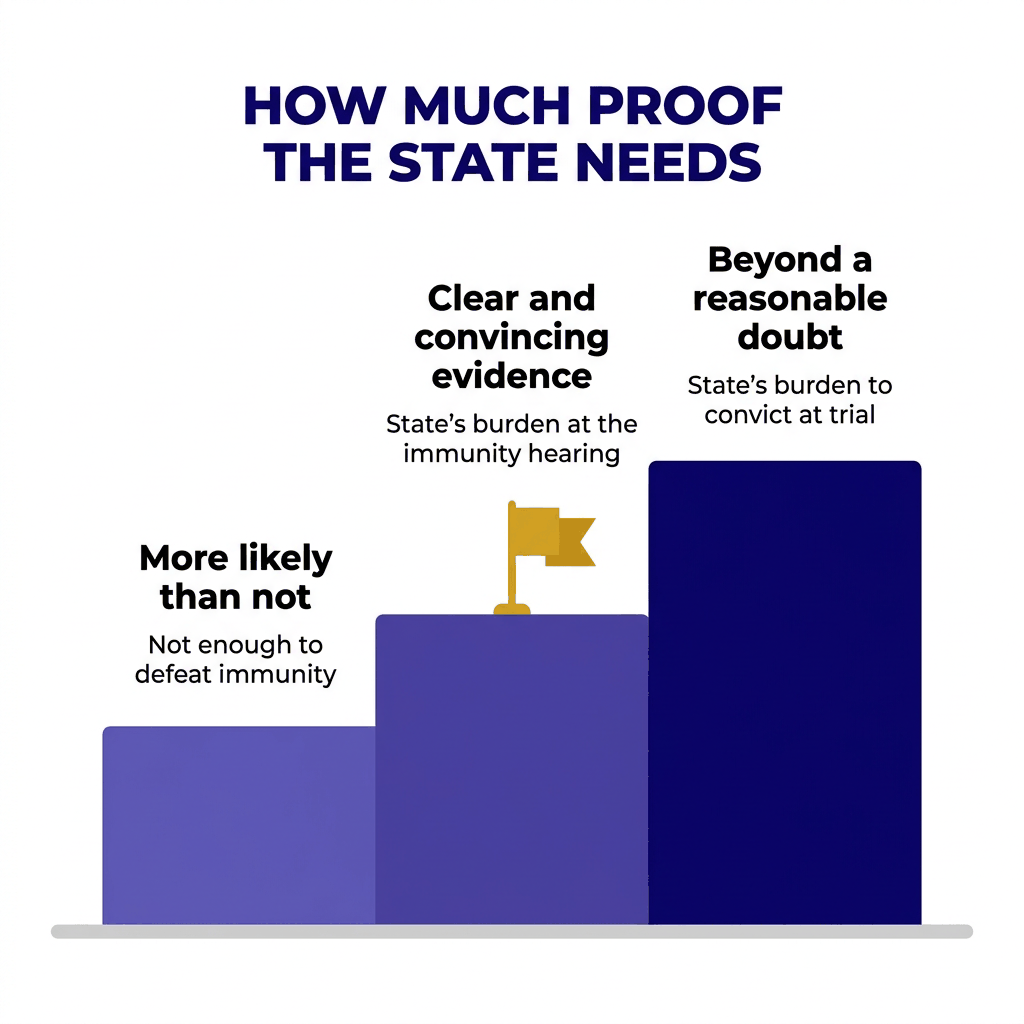
In Florida, Stand Your Ground is part of the self-defense law in Chapter 776 of the Florida Statutes. Stand Your Ground adds the rule that you have no duty to retreat, which means you do not have to try to get away before you defend yourself. Stand Your Ground also gives you a chance to have your case dismissed before trial. At a pretrial immunity hearing, the State has to prove by clear and convincing evidence that you did not act in lawful self-defense. If the State cannot meet that standard, the judge dismisses the case. Clear and convincing evidence is a high standard, though not as high as the proof beyond a reasonable doubt needed to convict you at trial.
If you or someone in your family is facing an investigation or a charge after using force to protect someone, we understand how frightening that is. At The Brancato Law Firm, we ask for Stand Your Ground immunity hearings in homicide, violent crime, and gun cases when the evidence supports a claim of lawful self-defense.
What Is Self-Defense in Florida?
Self-defense in Florida means you can use force, or threaten to use it, when you reasonably believe it is necessary to protect yourself or another person. Florida law treats deadly force and non-deadly force differently. You can use non-deadly force when you reasonably believe it is necessary to defend against unlawful force that is imminent, meaning about to happen. You can use deadly force when you reasonably believe it is necessary to prevent imminent death or great bodily harm, meaning serious physical injury, to yourself or someone else. You can also use deadly force when you reasonably believe it is necessary to stop someone who is about to commit a forcible felony. Forcible felonies are serious crimes that Florida law lists by name, such as robbery, burglary, carjacking, home-invasion robbery, aggravated assault, and aggravated battery. The list also includes any other felony that involves using or threatening physical force or violence against a person.
To “reasonably believe” force was necessary, your belief has to match what a reasonably careful person in your situation would have believed. The danger does not have to turn out to be real. Say you honestly believed the other person had a weapon, and it turned out he did not. Your use of force can still be justified if the danger looked so real that a reasonably careful person in your place would also have believed force was necessary. Our guide on how to claim self-defense in a Florida criminal case walks through every element of the claim.
Do You Have to Retreat in Florida?
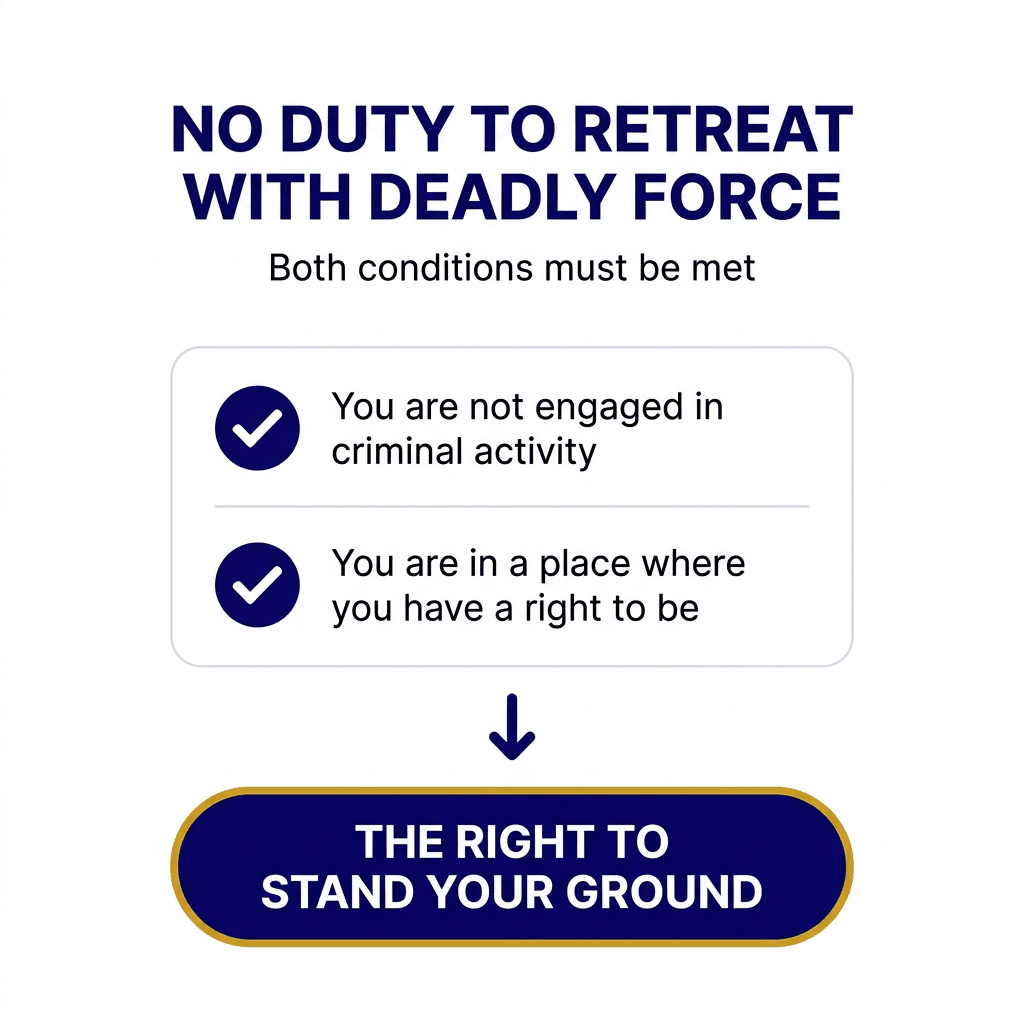
You do not have to retreat in Florida before you defend yourself. For non-deadly force, Florida law simply says you have no duty to retreat. For deadly force, you have no duty to retreat only if you are not engaged in criminal activity and you are in a place where you have a right to be. Stand Your Ground gets its name from this deadly-force rule, which says that when you meet both conditions, you have the right to stand your ground.
As a hypothetical, say you are walking to your car in a public parking lot after dinner. A stranger comes toward you, shouting that he is going to kill you. You have a right to be in that parking lot, and you are not doing anything illegal. Florida law does not require you to run back inside the restaurant before you defend yourself. The no-retreat rule only removes the duty to try to get away first. Whether your use of force was justified still depends on whether you reasonably believed it was necessary to protect yourself.
Stand Your Ground Immunity Hearing vs. Self-Defense at Trial
Florida gives you a chance to raise self-defense before trial, at an immunity hearing in front of a judge, and again at trial, in front of a jury. The immunity hearing comes first. Your defense attorney asks for the hearing by filing a motion to dismiss. The judge then holds an evidentiary hearing, which is a hearing where both sides can present evidence. At the immunity hearing, the judge decides what happened and whose account to believe, without a jury.
| Pretrial immunity hearing | Self-defense at trial | |
|---|---|---|
| When it is decided | Before trial, after your attorney files a motion to dismiss | At trial, when the jury reaches its verdict |
| Who decides | A judge | A jury |
| Who has to prove what | You first present enough evidence to support a claim of self-defense, called a prima facie claim. The State then has to prove you are not entitled to immunity. | The State has to prove that you did not act in self-defense. |
| Standard of proof | Clear and convincing evidence | Beyond a reasonable doubt |
| What winning means | The judge dismisses the case, and you are immune from prosecution for that use of force. | The jury finds you not guilty. |
| What losing means | The case moves toward trial, and you can still argue self-defense to the jury. | The jury can find you guilty only if the State proves beyond a reasonable doubt that you did not act in self-defense. |
The immunity hearing gives you an extra chance to end the case before trial, even though the State needs less proof to defeat immunity than to convict you. That is why we ask for the hearing when the evidence supports it. If the judge grants immunity, the case is dismissed and never goes to a jury. If the judge denies immunity, you can still argue self-defense to the jury at trial.
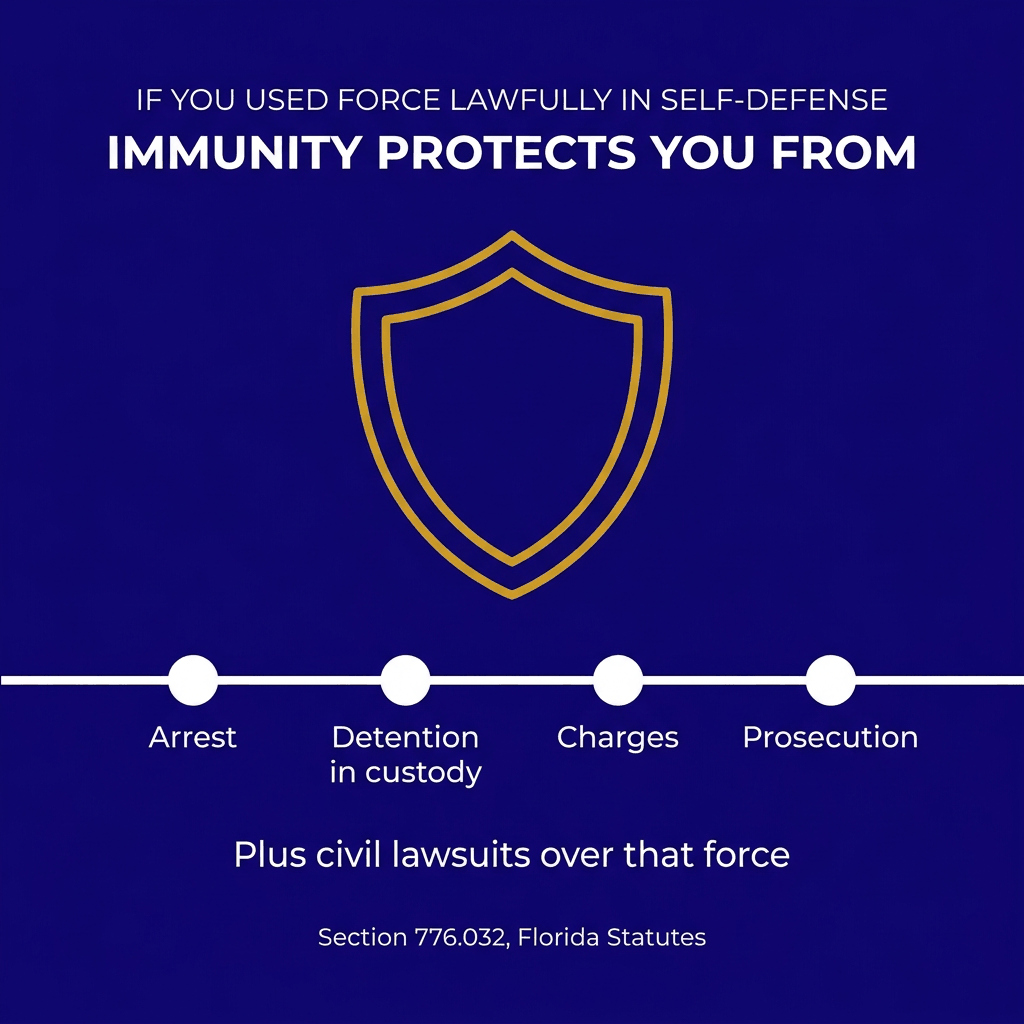
Under section 776.032, if you used force lawfully in self-defense, you are immune from criminal prosecution, and also from civil lawsuits over that force. The statute defines criminal prosecution to include arresting, detaining in custody, charging, and prosecuting. That means immunity, when it applies, protects you from being arrested or charged for that force at all. If you or a family member has already been arrested, you can still ask a judge for immunity at the pretrial hearing. You can see how a judge weighs an immunity claim in our post on a Stand Your Ground immunity ruling.
What Is the Burden of Proof for Stand Your Ground in Florida?
At a Stand Your Ground immunity hearing, the State carries the burden of proof. You start by raising a prima facie claim of self-defense, which means presenting enough evidence to back up your claim that you acted in self-defense. Once you do that, the burden is on the State to prove by clear and convincing evidence that you are not entitled to immunity. The State has carried this burden since a 2017 change in the law.
Clear and convincing evidence requires more than showing something is more likely than not. It requires less than proof beyond a reasonable doubt, which is the standard the State has to meet at trial. Under the definition Florida courts use, the State’s evidence has to leave the judge firmly convinced, without hesitation, that you did not act in lawful self-defense.
If Stand Your Ground Immunity Is Denied, Can You Still Argue Self-Defense?
Yes, you can still argue self-defense to the jury if the judge denies immunity. The immunity hearing and the trial are separate steps, and each one has its own standard of proof. At trial, the State still has to prove beyond a reasonable doubt that you did not act in self-defense. Before trial, you can also ask an appeals court to review the judge’s denial by filing a petition for a writ of prohibition, which asks the higher court to stop the prosecution from going forward.
When Does Stand Your Ground Not Apply?
When Florida law takes away your right to claim self-defense, you also lose Stand Your Ground immunity. Stand Your Ground does not protect you in these situations:
- You started the confrontation. Under section 776.041, if you provoked the other person’s use or threat of force against you, you cannot claim self-defense unless one of these is true:
- The other person’s force became so great that you reasonably believed you were in imminent danger of death or great bodily harm. You also must have tried every reasonable way to escape the danger other than using deadly force. So if you started the confrontation, the no-retreat rule does not protect you.
- You withdrew from physical contact in good faith and clearly told the other person you wanted to stop, but the other person kept using force or started again.
- You were committing a forcible felony. You cannot claim self-defense if you were trying to commit a forcible felony, were committing one, or were escaping after committing one.
- You were engaged in criminal activity or were somewhere you had no right to be. You can still claim self-defense. What you lose is the no-retreat protection: when you use deadly force, the rule that you do not have to try to get away first does not apply to you.
- The force was used against a law enforcement officer. You cannot claim self-defense for using or threatening force to resist an arrest or detention, or to resist an officer doing official duties, if the officer is acting in good faith and you know, or it reasonably appears, that the person is an officer. This rule applies even if the arrest or detention is later found to be unlawful. Stand Your Ground immunity also does not cover force against an officer doing official duties who identified himself or herself, or whom you knew or should have known was an officer.
Castle Doctrine vs. Stand Your Ground in Florida
The castle doctrine is the part of Florida’s self-defense law that covers homes and occupied vehicles. Under section 776.013, if you use defensive force against someone who is unlawfully and forcibly entering, or has entered, a home or an occupied vehicle, the law presumes you reasonably feared death or great bodily harm. That presumption means the law treats your fear as reasonable, so you do not have to show that it was. Stand Your Ground applies in any place you have a right to be. Outside a home or an occupied vehicle, the law does not presume your fear was reasonable. Instead, the judge or jury decides from the evidence whether your fear was reasonable. Our guide to Florida’s self-defense laws explains the situations where the home presumption does not apply.
Frequently Asked Questions About Stand Your Ground in Florida
Does Stand Your Ground only apply to murder charges?
No, Stand Your Ground applies to more than murder charges. Florida’s self-defense statutes cover both using force and threatening to use force, so they can apply to a case where you threatened force but never used it. The immunity law does not limit which criminal charges it applies to. Stand Your Ground can come up in assault and battery cases as well as homicide cases.
Can police arrest you if you acted in self-defense in Florida?
Yes, police can arrest you, but only if they have probable cause to believe the force you used was unlawful. Under section 776.032(2), officers can investigate a use of force using their standard procedures, but they cannot make an arrest without that probable cause. Probable cause means the facts give officers a reasonable basis to believe a crime happened. If you are arrested, you can still ask for immunity later at a pretrial hearing.
Is Florida still a Stand Your Ground state?
Yes, Florida is still a Stand Your Ground state. The no-retreat rule in section 776.012 and the immunity law in section 776.032 are both part of the 2026 Florida Statutes.
Talk to a Tampa Defense Attorney About Stand Your Ground Immunity
If you or a family member used force to protect someone and now face an investigation, an arrest, or a charge, talk to a defense attorney about immunity as soon as you can. You do not have to wait until you are charged. We can review what happened with you and give you an honest answer about whether the facts support a Stand Your Ground immunity claim. Our attorneys defend people facing homicide, violent crime, and gun charges in Hillsborough, Pinellas, and Pasco Counties.
Our founder, Rocky Brancato, has spent more than 25 years in Hillsborough County’s criminal justice system. He served as Chief Operations Officer of the Hillsborough County Public Defender’s Office, where he oversaw a staff of over 100 attorneys. He has taken more than 150 jury trials to verdict. He has also used Stand Your Ground motions to get homicide charges dismissed. Each case is unique. Past results do not guarantee future outcomes.
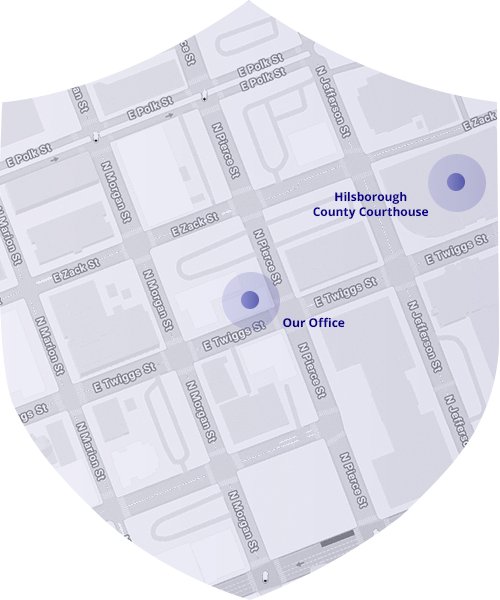
Call us at (813) 727-7159 for a free, confidential consultation. If you or someone you love was just arrested, you can reach us 24/7. Our office is at 620 E. Twiggs Street, Suite 205, Tampa, FL 33602, about two blocks from the Hillsborough County Courthouse.
The Brancato Law Firm, P.A.
620 E. Twiggs Street, Suite 205, Tampa, FL 33602
(813) 727-7159
Serving Hillsborough, Pinellas, and Pasco Counties
The Brancato Law Firm, P.A. is a Tampa-based criminal defense practice. We are not affiliated with any other Brancato-named law firms.
Visit Us
Tampa, FL 33602
Contact Us Now
Free Legal Consultation (813) 727-7159