- Free Consultation 24/7: (813) 727-7159 Tap Here To Call Us


From First DUI to Death Penalty



Dangerous Excessive Speeding in Florida: New Criminal Offense (2026 Guide)


Driving 50 or more miles per hour over the posted speed limit, or 100 mph or more, is now a criminal offense in Florida under § 316.1922, Florida Statutes. A first conviction carries up to 30 days in jail and a $500 fine. A second conviction within five years triggers mandatory license revocation.
At The Brancato Law Firm, we defend clients charged with criminal traffic offenses across Tampa, Hillsborough, Pinellas, and Pasco Counties. Below, we break down what the law covers, how it differs from reckless driving, the penalties, and what to do if you are charged.
What Is Florida’s Dangerous Excessive Speeding Law?
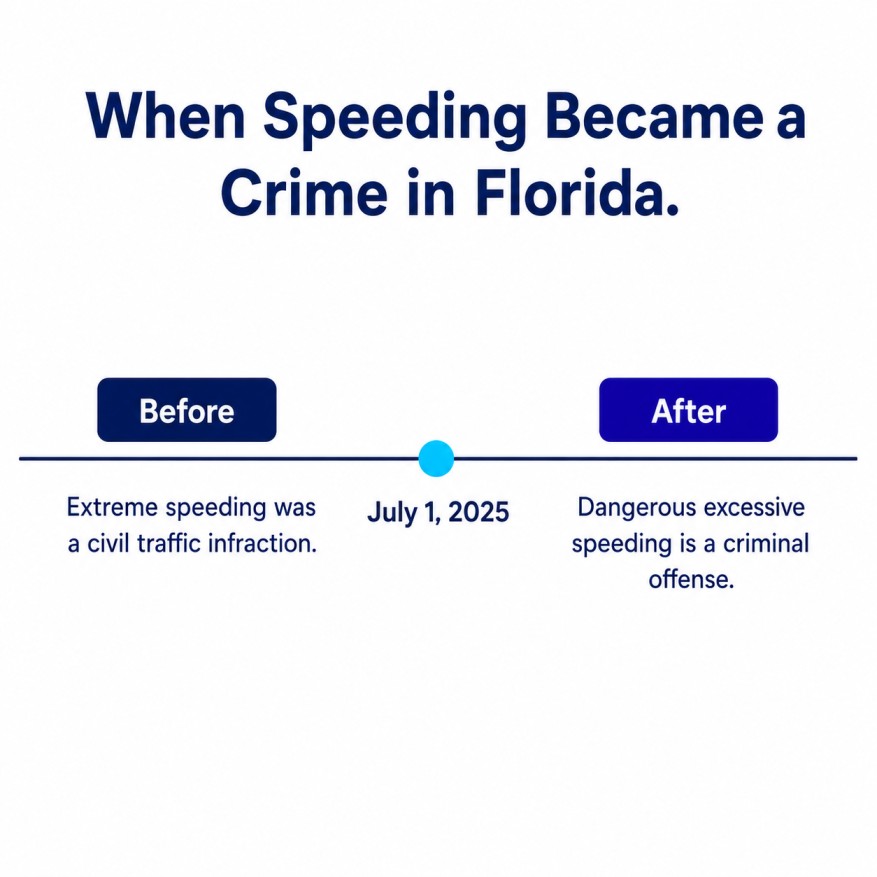
Effective July 1, 2025, Florida created a new criminal offense called “dangerous excessive speeding” under HB 351 (Ch. 2025-77). A person commits this offense if they:
- Drive more than 50 miles per hour over the posted speed limit, or
- Drive at 100 miles per hour or more in a manner that threatens the safety of other persons or property, or interferes with the operation of any vehicle.
Before this law, extreme speeding by itself was only a civil traffic infraction in Florida. The Legislature passed § 316.1922 to fill a gap: Florida courts had held that excessive speed alone does not constitute reckless driving (Harris v. State, 318 So. 3d 645 (Fla. 2d DCA 2021)). The new law makes extreme speed a standalone criminal offense without requiring the State to prove reckless intent.
This statute is sometimes called Florida’s “super speeder law.”
Penalties for Dangerous Excessive Speeding in Florida
Dangerous excessive speeding is classified as a criminal traffic offense. The penalties are set directly by § 316.1922:
- First offense: Up to 30 days in jail, a $500 fine, or both.
- Second or subsequent offense: Up to 90 days in jail, a $1,000 fine, or both.
- If the second or later offense occurs within five years of a prior conviction, the person’s driver’s license must be revoked for at least 180 days and up to one year.
A first offense functions at the level of a second-degree misdemeanor. A second or subsequent offense carries first-degree misdemeanor-level penalties. This means a conviction goes on your criminal record, not just your driving record.
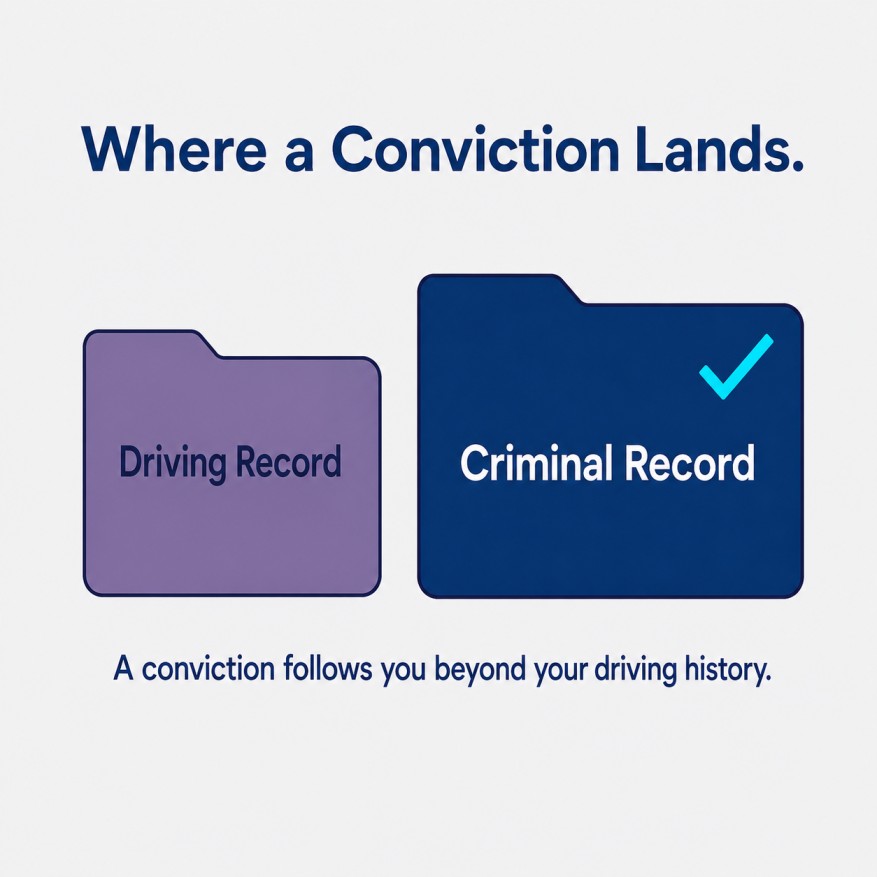
Because § 316.1922 is a criminal traffic violation under Chapter 316, a mandatory court appearance is required. You cannot resolve the charge by paying a fine online or by mail.
How Dangerous Excessive Speeding Differs from Reckless Driving
Florida’s reckless driving statute (§ 316.192) requires proof that the driver acted with “willful or wanton disregard for the safety of persons or property.” That is a high bar for prosecutors. Courts have repeatedly held that speed alone is not enough to prove reckless driving.
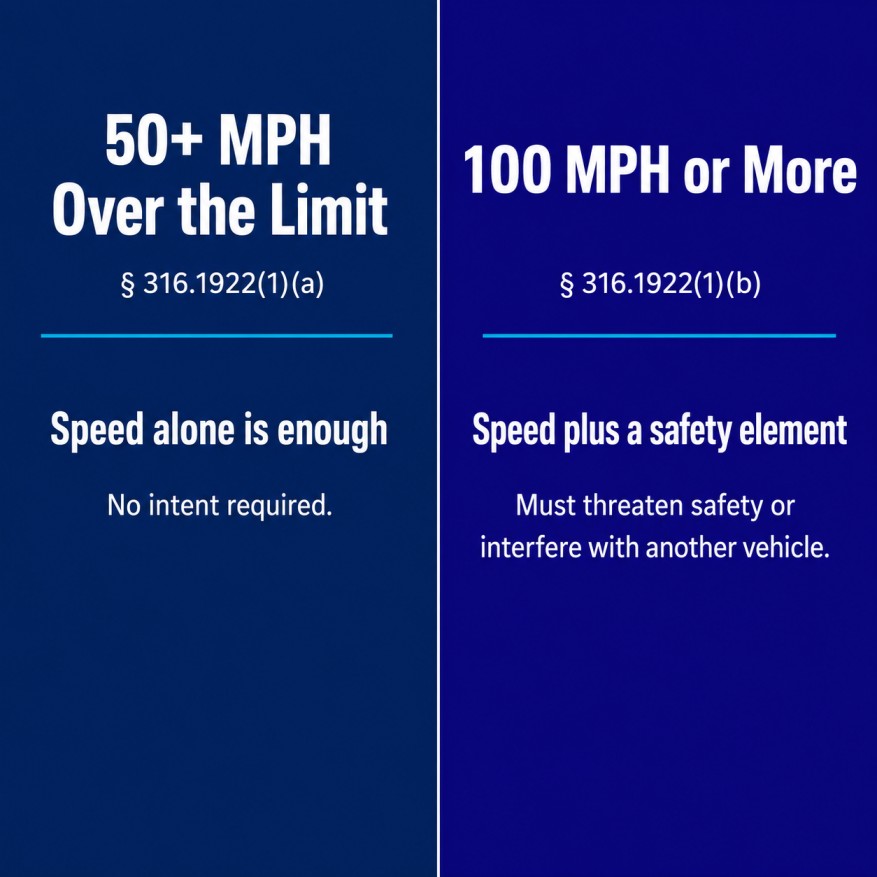
The new dangerous excessive speeding law is different in two key ways:
The 50-over prong (§ 316.1922(1)(a)) requires only proof that the driver exceeded the speed limit by 50 mph or more. No additional “manner” element is required. The State does not need to prove intent, disregard for safety, or any other aggravating circumstance. Speed alone is sufficient.
The 100-mph prong (§ 316.1922(1)(b)) requires proof of speed at 100 mph or more and that the driving occurred “in a manner that threatens the safety of other persons or property or interferes with the operation of any vehicle.” Speed alone is not enough under this prong. The State must show additional circumstances, such as the presence of other vehicles, weaving between lanes, or near-misses.
This distinction matters. A driver going 100 mph on an empty rural interstate at 3 a.m. with no other vehicles present has a strong argument that the 100-mph prong is not met, because there is no one whose safety was threatened. A driver going 100 mph on I-275 in moderate traffic while weaving between cars is a straightforward case for the prosecution.
Prosecutors can also stack charges. A driver going 120 mph in a 70-mph zone could face both a § 316.1922 charge (50-over) and a § 316.192 reckless driving charge if the circumstances support it.
Can You Be Arrested for Dangerous Excessive Speeding?
Yes. Under Fla. Stat. § 901.15(5), a law enforcement officer may make a warrantless arrest for any Chapter 316 violation committed in the officer’s presence. This includes dangerous excessive speeding and reckless driving.
The statute also allows arrest based on a relay from another officer stationed on the ground or in the air. This is relevant for FHP enforcement operations on I-75, I-275, I-4, and the Veterans Expressway, where aerial or pacing units identify the speeding vehicle and radio a stop team to make the arrest.
Whether the officer makes a custodial arrest or issues a criminal Notice to Appear (a written citation requiring a court date) is a discretionary decision. Either way, the charge is criminal and requires a court appearance.
Insurance and Driving Record Consequences
Beyond criminal penalties, a dangerous excessive speeding conviction carries significant collateral consequences:
Driver’s license points. Because § 316.1922 is a new statute, the Florida Department of Highway Safety and Motor Vehicles (DHSMV) has not yet published a specific point assignment for this offense. Points will likely be assessed under the existing structure for speeding violations: 4 points for exceeding the limit by more than 15 mph, or 6 points if the violation results in a crash.
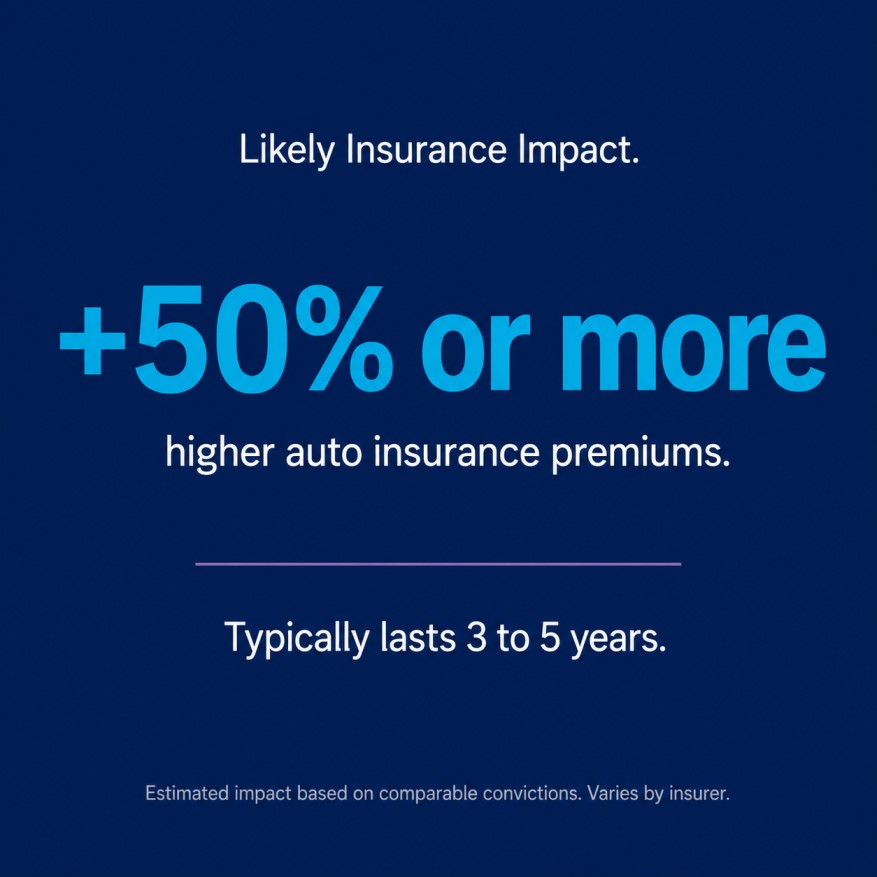
Insurance rates. Industry data estimates that a reckless driving conviction in Florida increases auto insurance premiums by roughly 35 to 55 percent on average, persisting for 3 to 5 years. A dangerous excessive speeding conviction will likely produce a similar impact. Standard carriers may non-renew your policy or move you to a high-risk subsidiary.
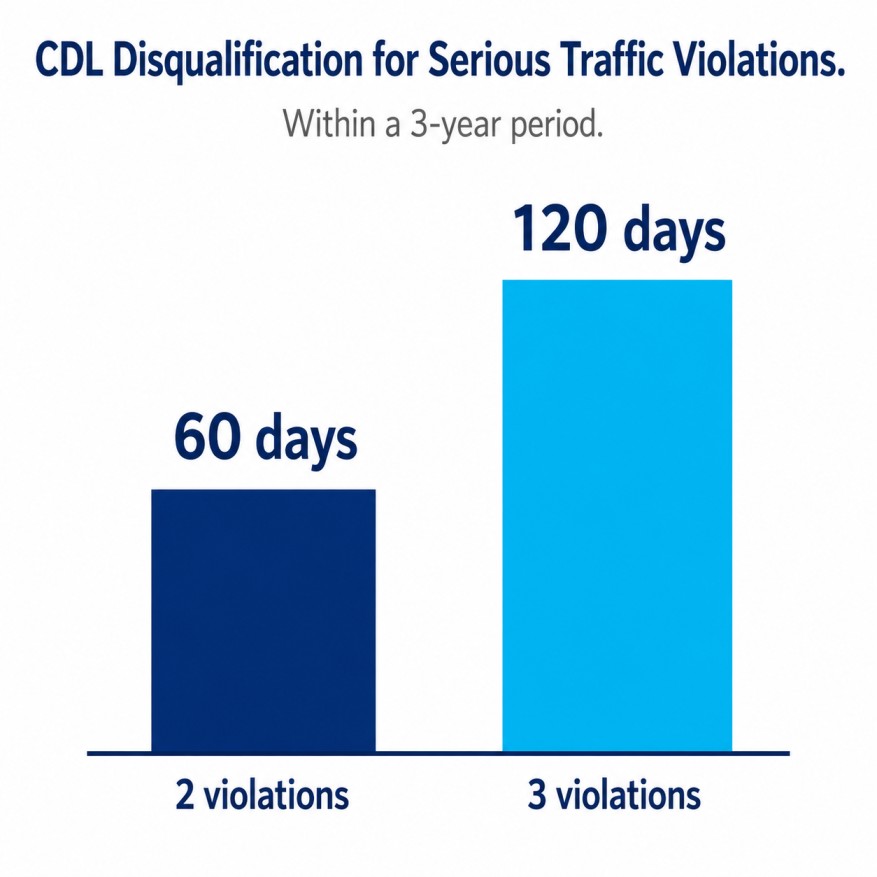
CDL holders face additional risk. Excessive speeding (15+ mph over) and reckless driving are classified as “serious traffic violations” under federal regulations (49 C.F.R. § 383.51). Two serious traffic violations within three years triggers a 60-day CDL disqualification. Three within three years means 120 days. These consequences apply whether the violation occurred in a commercial vehicle or a personal vehicle.
What to Do If You Are Charged
If you receive a citation or are arrested under § 316.1922:
- Do not plead guilty or no contest without legal advice. A guilty plea results in a criminal conviction on your record. An experienced attorney may be able to negotiate a withhold of adjudication, which avoids the formal conviction and its worst collateral consequences.
- Document everything about the stop. Note the location, time of day, weather, traffic conditions, and how many other vehicles were on the road. These details matter for the 100-mph prong, where the State must prove your driving threatened someone’s safety.
- Request dash cam and body cam footage. Officers in Hillsborough, Pinellas, and Pasco Counties are typically equipped with body cameras, and patrol vehicles have dash cameras. This footage can be used to challenge the State’s case.
- Contact a criminal defense attorney immediately. A § 316.1922 charge carries jail time, fines, license consequences, and a permanent criminal record. Early intervention gives your attorney the best opportunity to challenge the evidence or negotiate a favorable resolution.
Common Questions About Florida’s Dangerous Excessive Speeding Law
Can you go to jail for speeding in Florida?
Yes. Under § 316.1922, driving 50 mph or more over the speed limit, or 100 mph or more in a dangerous manner, is a criminal offense. A first conviction carries up to 30 days in jail. A second or subsequent conviction carries up to 90 days.
Is dangerous excessive speeding a felony or misdemeanor in Florida?
It is a criminal traffic offense with misdemeanor-level penalties. A first offense functions as a second-degree misdemeanor (up to 30 days in jail, $500 fine). A second or subsequent offense carries first-degree misdemeanor-level penalties (up to 90 days, $1,000 fine).
Will I lose my license for excessive speeding in Florida?
Not automatically on a first offense. However, if you are convicted a second time within five years, the court must revoke your license for at least 180 days and up to one year. Points from the conviction can also push you toward the suspension thresholds under § 322.27 (12 points in 12 months = 30-day suspension).
Does driving 100 mph automatically qualify as dangerous excessive speeding?
Not necessarily. The 100-mph prong (§ 316.1922(1)(b)) requires the State to prove that you were driving “in a manner that threatens the safety of other persons or property or interferes with the operation of any vehicle.” If no other vehicles or persons were in the area, the State may not be able to meet this element. The 50-over prong (§ 316.1922(1)(a)) does not have this requirement.
How is this different from a regular speeding ticket?
A regular speeding ticket is a civil traffic infraction. You pay a fine, receive points on your license, and move on. A dangerous excessive speeding citation is a criminal charge. It requires a mandatory court appearance, carries potential jail time, and results in a criminal record if you are convicted.
Charged with Dangerous Excessive Speeding in Tampa Bay?
A citation under § 316.1922 is a criminal charge with potential jail time, fines, and license revocation. How quickly and effectively you respond can make a significant difference in the outcome.
At The Brancato Law Firm, P.A., we provide serious criminal defense for clients facing dangerous excessive speeding, reckless driving, DUI,fleeing and eluding, and related charges in Tampa, Hillsborough, Pinellas, and Pasco Counties.
Call (813) 727-7159 today to schedule your free consultation.
Visit Us
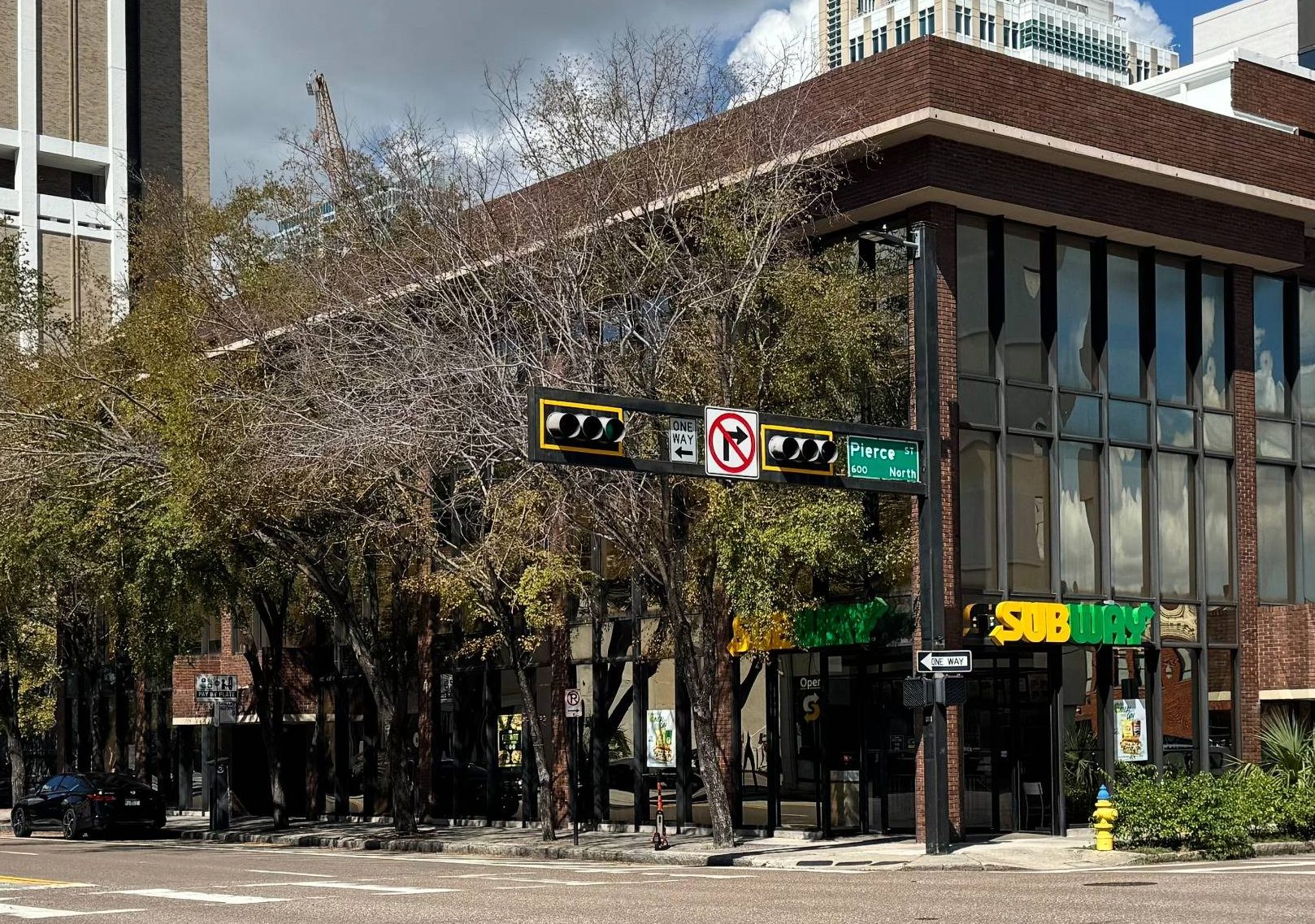
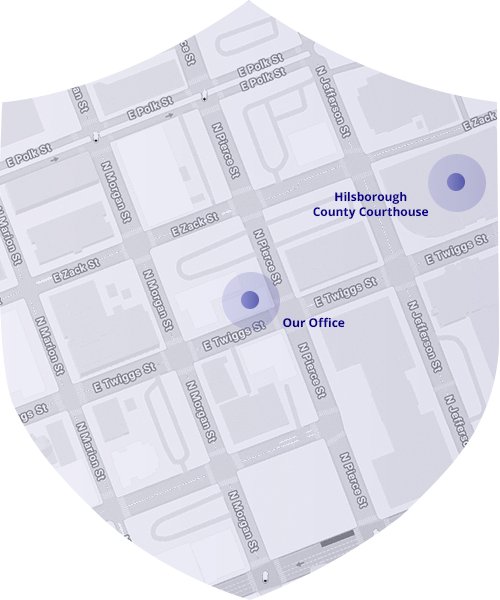
Tampa, FL 33602
Contact Us Now
Free Legal Consultation (813) 727-7159