- Free Consultation 24/7: (813) 727-7159 Tap Here To Call Us




When the Car—Not the Driver—Caused the Crash


How an Accident Reconstructionist and ASE-Certified Mechanic Proved a Stuck Accelerator
When a high-speed crash kills a passenger, prosecutors typically assume the driver is at fault. After all, they look at the speed, the damage, and the witness statements—and then they charge vehicular homicide.
However, sometimes the driver is not at fault. In certain cases, the vehicle itself is the cause. A stuck accelerator, a brake failure, or a mechanical defect—any of these can turn an ordinary drive into an uncontrollable disaster.
Consequently, proving mechanical failure requires more than a typical accident reconstructionist. Instead, it requires someone who can analyze both the crash dynamics and the vehicle itself. In this case, an expert who combined accident reconstruction expertise with ASE mechanic certification found the evidence that changed everything. I am Tampa Criminal Defense Attorney Rocky Brancato. This post is part of our forensic series put out by the Brancato Law Firm, P.A., your Tampa criminal forensic evidence law firm.
| What Is an Accident Reconstructionist? An accident reconstructionist is an expert who analyzes physical evidence from vehicle crashes to determine what happened and why. They examine skid marks, vehicle damage, road conditions, and other evidence to calculate speeds, angles of impact, and the sequence of events. In criminal cases, they can testify about whether driver behavior or other factors—including mechanical failure—caused the crash. |
The Case: A Fatal Crash and a Grieving Friend
My client was driving with his friend as a passenger when his vehicle crashed into a tree at high speed. Tragically, the impact killed his friend instantly.
Before the crash, neighbors heard the engine roaring. Subsequently, police measured the damage, estimated the speed, and concluded that my client had driven recklessly. As a result, they charged him with vehicular homicide.
However, my client told a different story. According to him, the accelerator got stuck. No matter what he did, he could not slow down. The crash was not his fault—it was the car’s.
The question was whether we could prove it.
The Prosecution’s Theory: Reckless Driving
The state built a straightforward case based on three key points:
- First, neighbors heard the engine roaring—which they cited as evidence of excessive speed
- Second, the vehicle struck a tree at high velocity—which they presented as evidence of loss of control
- Third, a passenger died in the crash—the tragic result that the prosecution attributed to the driver’s conduct
To the prosecution, therefore, the conclusion seemed obvious: the driver was speeding, lost control, and killed his passenger. In their view, this constituted vehicular homicide.
Nevertheless, the prosecution never examined the vehicle itself. Instead, they assumed driver error without investigating whether mechanical failure could explain what happened.
The Expert: Two Disciplines in One
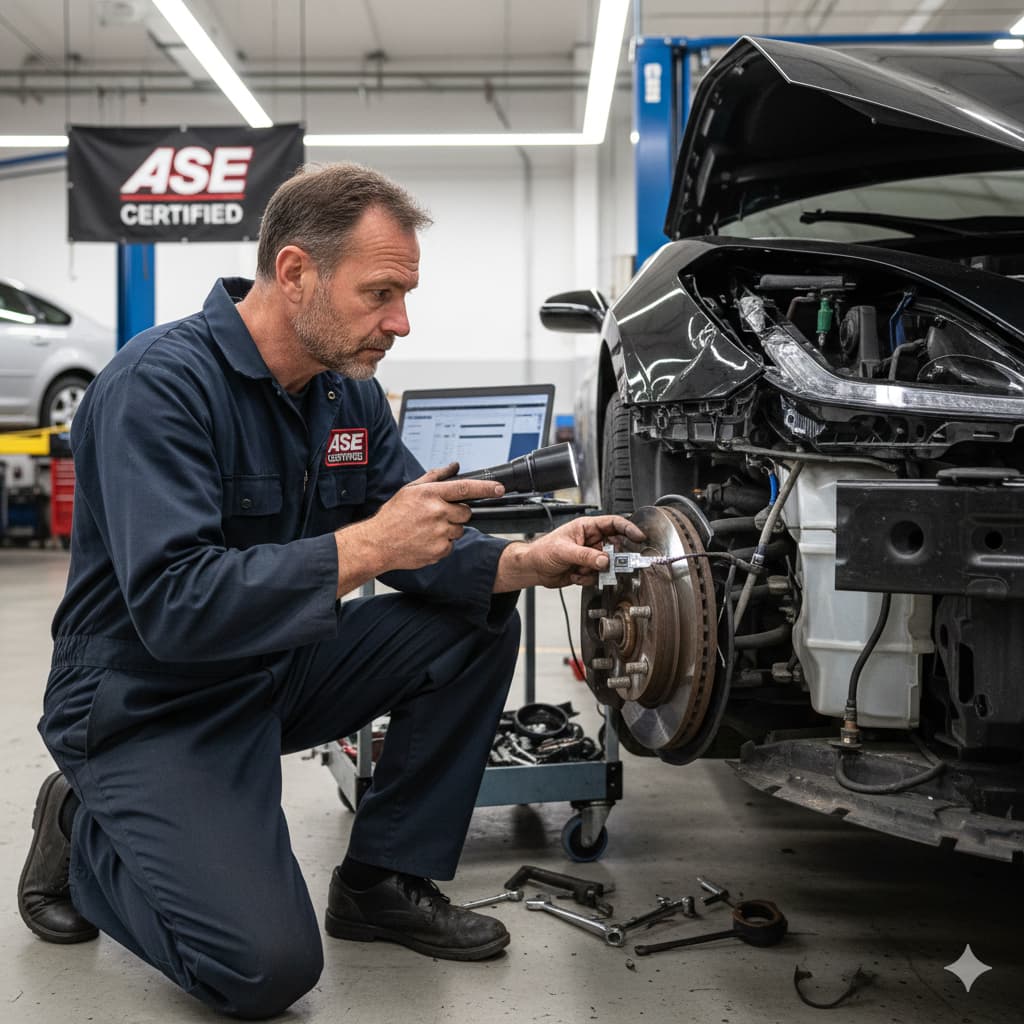
To challenge the prosecution’s theory, I retained an expert with a unique combination of qualifications: he was both an accident reconstructionist and an ASE-certified mechanic.
This combination proved critical for our defense. While a typical accident reconstructionist can analyze crash dynamics—speed, impact angles, and vehicle trajectories—proving mechanical failure requires someone who can also get under the hood and identify what went wrong with the vehicle itself.
| What Is ASE Certification? ASE (Automotive Service Excellence) certification is an industry-recognized credential for automotive technicians and mechanics. ASE-certified professionals have passed rigorous testing in specific areas of vehicle repair and maintenance. In legal cases involving alleged mechanical failure, an ASE-certified expert can examine the vehicle, identify defects, and provide credible testimony about whether a mechanical problem contributed to a crash. |
The Investigation: Examining What the Police Ignored
My expert conducted a comprehensive examination of the vehicle. Rather than simply looking at the crash damage, he examined the mechanical systems that controlled acceleration and braking.
His findings proved significant: the vehicle had issues with the accelerator that caused it to get stuck.
Importantly, this conclusion rested on physical evidence from the vehicle itself—not speculation. Moreover, this represented evidence that the prosecution had never bothered to examine.
What the Expert’s Findings Meant
The stuck accelerator explained everything about this crash:
- It explained why neighbors heard the engine roaring—because the accelerator was stuck open
- It explained why the vehicle traveled at high speed—because the driver could not reduce power to the engine
- It explained why my client lost control—because he was fighting a vehicle that would not respond to his inputs
- It explained why braking alone could not prevent the crash—because with the accelerator stuck, the engine continued producing power even as the driver tried to stop
In other words, my client did not drive recklessly. Instead, he became a passenger in his own vehicle—trapped behind the wheel of a machine that had malfunctioned and would not obey his commands.
| Why Both Disciplines Mattered |
| As Accident Reconstructionist: Analyzed crash dynamics, vehicle speed, impact forces, and the sequence of events leading to the collision As ASE-Certified Mechanic: Examined the vehicle’s mechanical systems, identified the accelerator defect, and explained how the malfunction caused the driver to lose control |
The Impact on the Case
The expert’s findings fundamentally changed the nature of the case. As a result, this was no longer a simple vehicular homicide prosecution based on reckless driving. Instead, there was now credible evidence that mechanical failure—not driver misconduct—caused the crash.
Consequently, the prosecution faced a difficult choice: take the case to trial and risk a jury believing the mechanical failure defense, or negotiate a resolution that reflected the true nature of what happened.
| RESULT: PROBATION INSTEAD OF PRISON The case resolved for probation instead of the prison sentence that typically accompanies vehicular homicide convictions. The expert’s findings—proving mechanical failure rather than reckless driving—made the difference. |
Types of Mechanical Failures That Can Cause Crashes
| Mechanical Failure | How It Can Cause a Crash |
| Stuck Accelerator | Engine continues producing power regardless of driver input, causing uncontrollable acceleration |
| Brake Failure | Driver cannot slow or stop the vehicle, even when brake pedal is fully depressed |
| Steering Failure | Driver loses ability to control vehicle direction, leading to lane departure or collision |
| Tire Blowout | Sudden loss of tire pressure causes vehicle to pull sharply, potentially causing rollover or collision |
| Suspension Failure | Vehicle becomes unstable or uncontrollable, especially during turns or at highway speeds |
| Electrical Failure | Loss of power steering, headlights, or engine control systems can lead to loss of vehicle control |
What This Case Teaches About Vehicular Homicide Defense
- First, do not assume the driver is at fault. High-speed crashes can result from mechanical failure, not just reckless driving. Therefore, the vehicle itself must be examined.
- Second, retain an expert who can perform both crash analysis and mechanical inspection. An accident reconstructionist who also holds mechanic certification can connect the crash dynamics to the mechanical failure.
- Third, preserve the vehicle immediately. If mechanical failure is a potential defense, the vehicle must remain intact for expert examination. Once someone destroys or repairs it, the evidence disappears.
- Fourth, challenge the prosecution’s assumptions aggressively. Prosecutors often assume driver error without investigating alternatives. Consequently, a thorough defense investigation can reveal evidence they missed.
- Finally, understand that mechanical failure can transform the entire nature of the case. What initially looks like reckless driving may actually represent a driver fighting to control a malfunctioning vehicle.
Frequently Asked Questions
Yes, it can. If a mechanical failure—such as a stuck accelerator, brake failure, or steering malfunction—caused the crash, the driver may not have had any ability to prevent it, regardless of how carefully they drove. As a result, this can serve as a complete defense or provide a basis for reduced charges.
An accident reconstructionist analyzes physical evidence from vehicle crashes to determine what happened. Specifically, they examine skid marks, vehicle damage, road conditions, and other factors to calculate speeds, impact angles, and the sequence of events leading to a collision.
ASE (Automotive Service Excellence) certification represents an industry credential for automotive technicians. To earn this certification, mechanics must pass rigorous testing in specific areas of vehicle repair. In legal cases, an ASE-certified expert can credibly testify about mechanical defects and failures.
A typical accident reconstructionist can analyze crash dynamics but may lack the expertise to identify mechanical failures. Conversely, a mechanic can identify defects but may struggle to connect them to the crash itself. However, an expert with both qualifications can examine the vehicle, identify the mechanical failure, and explain precisely how it caused the crash.
Above all, preserve the vehicle. Do not allow anyone to repair, sell, or destroy it until a qualified expert has examined it. Additionally, tell your attorney immediately so they can retain an expert and ensure the evidence remains protected.
Under Florida Statute 782.071, vehicular homicide occurs when someone causes the death of a human being by operating a motor vehicle in a reckless manner likely to cause death or great bodily harm. The state classifies this offense as a second-degree felony punishable by up to 15 years in prison. However, if the driver knew or should have known the crash occurred and failed to render aid, the charge becomes a first-degree felony.
Facing Vehicular Homicide Charges?
A fatal crash does not automatically mean the driver bears fault. After all, mechanical failures happen—and when they do, the driver may have had no ability to prevent the tragedy.
For over 25 years, I have defended clients against serious charges throughout Tampa Bay. As a result, I know how to investigate what really caused a crash, retain qualified experts who can examine both crash dynamics and mechanical systems, and present evidence that challenges the prosecution’s assumptions.
Call (813) 727-7159 for a Confidential Consultation
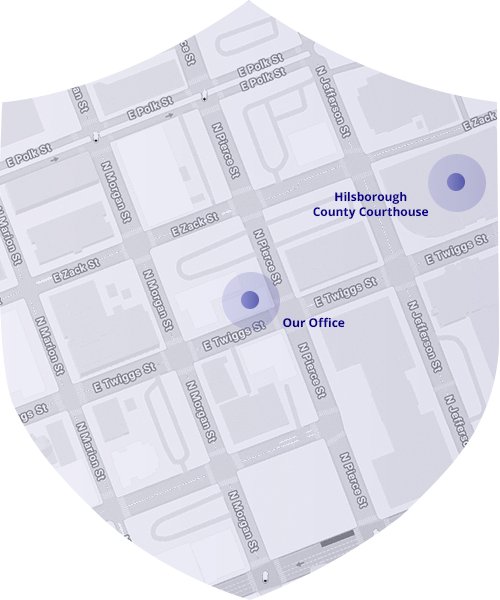
620 E. Twiggs Street, Suite 205, Tampa, FL 33602
Serving Hillsborough, Pinellas, and Pasco Counties
Part of the Forensic Evidence Series
Related Case Studies: DNA Evidence Defense | Aggravated Child Abuse Defense | Forensic Pathologist | Fingerprint Evidence is Not as Reliable as You Think | Cell Phone Location Data Can prove You Were Not There | When Brain Damage Explains Criminal Conduct | Your BAC at the Station is Not Your BAC Behind the Wheel | When Police Destroy Evidence They Do Not Get the Benefit of the Doubt | When a Confession is Not a Confession | The Injuries Were Real–But They Were Not From the Alleged Rape | Similar Is not The Same: How a Firearms Expert Kept Out Prejudicial Evidence
Related Pages
Why Expert Witnesses are Not Optional in Major Crimes Cases

Visit Us
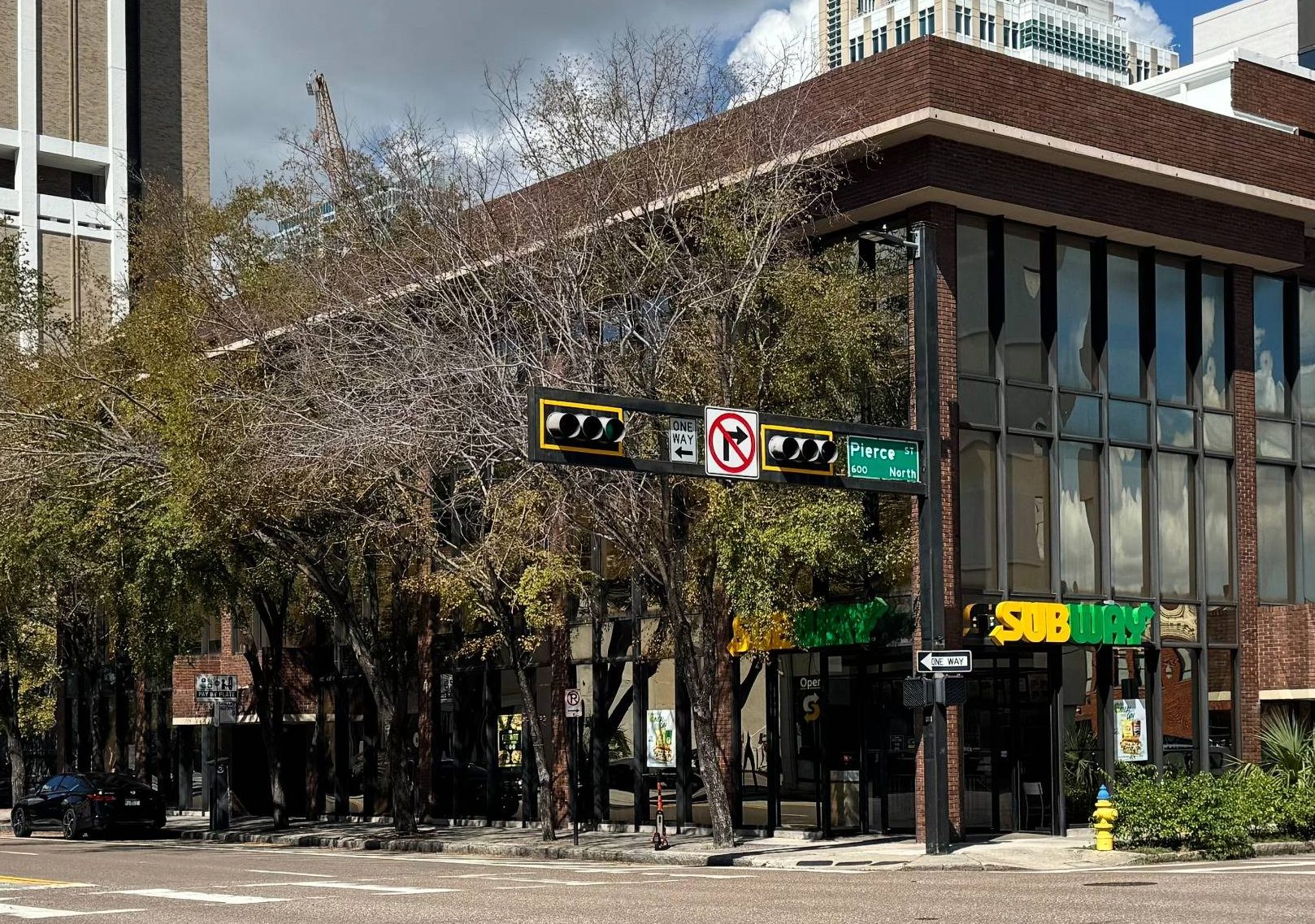
Suite #205
Tampa, FL 33602
Contact Us Now
Free Legal Consultation (813) 727-7159