- Free Consultation 24/7: (813) 727-7159 Tap Here To Call Us




What Is Breathalyzer Refusal in Florida? Charges, Penalties, and Defense Options


Key Takeaway: Refusing a breathalyzer or urine test after a DUI arrest in Florida is now a separate criminal offense under §316.1939 — independent of the underlying DUI charge. Under Trenton’s Law (HB 687, effective October 1, 2025), a first refusal is a second-degree misdemeanor carrying up to 60 days in jail, and a second or subsequent refusal is a first-degree misdemeanor carrying up to 1 year in jail. These criminal penalties come on top of the automatic administrative license suspension: 1 year for a first refusal, 18 months for a second. Officers must inform you of these consequences before requesting the test — and that warning requirement creates a powerful defense opportunity.
I’m Tampa criminal defense attorney Rocky Brancato. With more than 25 years defending criminal cases in Hillsborough County, an AV Preeminent rating from Martindale-Hubbell, Super Lawyers recognition, membership in the National College for DUI Defense, and more than 150 jury trials to verdict, I have defended hundreds of DUI and refusal cases — including taking refusal cases to jury trial and winning Not Guilty verdicts.
How Does Florida Define Breathalyzer Refusal?
Florida Statute §316.1939 creates a standalone criminal offense for refusing to submit to a chemical or physical test of breath or urine after a lawful DUI arrest. Before Trenton’s Law took effect on October 1, 2025, the criminal refusal charge applied only to people with a prior refusal or a prior license suspension for refusal. After October 1, 2025, every refusal — including a first refusal by someone with no prior record — carries criminal penalties.
The statute requires five specific conditions before the refusal becomes criminal: (1) the officer had probable cause to believe the person was driving under the influence, (2) the officer placed the person under lawful arrest for DUI under §316.193, (3) the officer informed the person that refusing will result in a 1-year license suspension (or 18 months for a second refusal), (4) the officer informed the person that the refusal itself is a criminal misdemeanor, and (5) after receiving all warnings, the person still refused. If any of these five conditions fails, the criminal charge under §316.1939 cannot stand.
Florida Statute §316.1939 (as amended by Trenton’s Law): A first refusal to submit to a breath or urine test is a second-degree misdemeanor carrying up to 60 days in jail and a $500 fine. A second or subsequent refusal is a first-degree misdemeanor carrying up to 1 year in jail and a $1,000 fine. These criminal penalties are separate from and in addition to the administrative license suspension and the underlying DUI charge. At The Brancato Law Firm, P.A., we defend breathalyzer refusal charges throughout the 13th Judicial Circuit — often alongside the DUI itself.
What Are the Penalties for Refusing a Breathalyzer?
Breathalyzer refusal triggers both criminal and administrative consequences simultaneously:
| Consequence | First Refusal | Second or Subsequent Refusal |
|---|---|---|
| Criminal charge — §316.1939 | M2: up to 60 days jail, $500 fine | M1: up to 1 year jail, $1,000 fine |
| Administrative license suspension — §322.2615 | 1 year suspension | 18 months suspension |
| Evidentiary impact at DUI trial | Prosecutor can tell jury you refused | Prosecutor can tell jury you refused |
The administrative suspension begins immediately — the officer confiscates the physical license and issues a temporary permit valid for 10 days. After that, the suspension takes effect unless the defendant or defense attorney requests a formal review hearing within 10 days of the arrest. Furthermore, unlike a DUI conviction suspension, a refusal suspension does not qualify for a hardship license during the first 90 days.
Warning — The Refusal Charge Is Separate from the DUI: Many people assume that refusing the breathalyzer simply adds a license suspension to the DUI case. After Trenton’s Law, that is no longer true. The refusal itself creates an independent criminal charge with its own penalties. A person arrested for DUI who refuses the breathalyzer now faces at minimum two criminal charges: the DUI under §316.193 and the refusal under §316.1939. If the person also had a suspended license, officers may add DWLS under §322.34 — resulting in three separate criminal charges from a single traffic stop. At The Brancato Law Firm, P.A., we build independent defenses for each charge and fight to prevent conviction stacking.
What Is Trenton’s Law and How Did It Change Refusal Penalties?
Trenton’s Law (HB 687) took effect on October 1, 2025, and fundamentally changed the landscape of breathalyzer refusal in Florida. Before this law, §316.1939 only applied to people who had already refused a test once before or who had a prior suspension for refusal. A first-time refusal carried only administrative consequences — a license suspension — but no separate criminal charge.
Trenton’s Law eliminated that distinction. Now every refusal — including a first refusal by someone with no prior record — constitutes a criminal misdemeanor. The law also restructured the penalty tiers: a first refusal is a second-degree misdemeanor, and a second or subsequent refusal is a first-degree misdemeanor. In addition, officers must now explicitly inform the person that the refusal is a criminal offense before requesting the test. If the officer fails to deliver this warning, the criminal refusal charge may fail.
The law also applies to BUI (boating under the influence) refusals. Under §327.35215, a person who refuses a breath or urine test during a BUI investigation faces the same criminal penalties. Furthermore, a prior BUI refusal counts as a “prior refusal” for purposes of elevating a subsequent DUI refusal to a first-degree misdemeanor — and vice versa.
How Do We Defend Breathalyzer Refusal Charges?
At The Brancato Law Firm, P.A., we defend refusal charges by targeting each of the five statutory requirements that must exist before a refusal becomes criminal:
- Challenge probable cause. The officer must have had probable cause for DUI. If the traffic stop lacked reasonable suspicion or the officer’s observations did not support probable cause, the refusal charge collapses along with the DUI. We obtain dash camera and body camera footage to evaluate the officer’s stated reasons.
- Challenge the lawfulness of the arrest. Section 316.1939 requires a “lawful arrest” under §316.193. If the officer violated the defendant’s constitutional rights during the stop, the refusal charge fails. In Arenas v. DHSMV (2012), the Second District held that the lawfulness of the arrest must be determined before a refusal suspension can stand.
- Challenge the adequacy of the warnings. The officer must inform the defendant of both the license suspension consequences and the criminal penalties for refusal. If the officer used outdated implied consent forms, skipped the criminal penalty warning, or delivered incomplete warnings, the statutory prerequisites fail. We review body camera footage to confirm exactly what the officer said.
- Challenge whether a “refusal” actually occurred. Not every failure to complete a test constitutes a “refusal.” If the defendant could not provide an adequate sample due to a medical condition — such as asthma, COPD, or a panic attack — that failure does not constitute a willful refusal. Similarly, if the defendant agreed but the officer withdrew the opportunity, the refusal element fails.
Real Results in Breathalyzer Refusal Cases
Case Study — Not Guilty on DUI Refusal and Resisting Arrest: We represented a client charged with DUI (refusal) and resisting arrest without violence. Rocky presented scene video to the jury demonstrating the client showed no signs of impairment. Rocky further argued the arresting officer was overly aggressive and the client did not resist. The jury returned a verdict of Not Guilty on both counts. Past results do not guarantee future outcomes.
Should You Refuse the Breathalyzer in Florida?
This question has become significantly more complicated since Trenton’s Law took effect. Before October 1, 2025, many defense attorneys advised first-time offenders to refuse because the only consequence was an administrative license suspension — and refusing prevented the State from obtaining a BAC number. After Trenton’s Law, that calculation has changed dramatically.
Today, refusing creates an independent criminal charge on top of the DUI. A first refusal adds a second-degree misdemeanor. A second adds a first-degree misdemeanor. The prosecutor can also tell the jury that you refused — and juries frequently interpret refusal as consciousness of guilt. On the other hand, providing a breath sample gives the State a BAC number that becomes powerful evidence at trial.
There is no one-size-fits-all answer. The best approach depends on the circumstances of the stop, the driver’s prior record, and the strength of the State’s case. Tampa criminal defense attorney Rocky Brancato can evaluate these factors during a free consultation.
Frequently Asked Questions About Breathalyzer Refusal in Florida
Is refusing a breathalyzer a crime in Florida?
Yes. Under §316.1939 as amended by Trenton’s Law (effective October 1, 2025), every refusal to submit to a breath or urine test after a lawful DUI arrest is a criminal misdemeanor. A first refusal carries up to 60 days in jail. A second or subsequent refusal carries up to 1 year in jail. These penalties are separate from the DUI charge itself. The Brancato Law Firm, P.A. defends breathalyzer refusal charges throughout Hillsborough, Pinellas, and Pasco Counties.
Can I get my license back after a refusal suspension?
The first step is requesting a formal review hearing within 10 days of the arrest. If the hearing is successful, the suspension may be invalidated. If the suspension stands, a first refusal results in a 1-year suspension, and a second refusal results in 18 months. After the first 90 days of a first refusal suspension, you may apply for a hardship license. Call The Brancato Law Firm, P.A. at (813) 727-7159 immediately after your arrest — the 10-day deadline to request a hearing is strict.
Trenton’s Law and Related Issues
Does Trenton’s Law apply to BUI refusals?
Yes. The same criminal penalties apply to refusal of breath or urine tests during BUI investigations under §327.35215. Furthermore, a prior BUI refusal counts toward elevating a subsequent DUI refusal to a first-degree misdemeanor, and a prior DUI refusal counts toward elevating a subsequent BUI refusal. This cross-counting means boaters and drivers face the same escalating criminal consequences.
What if the officer did not read me the implied consent warnings?
The officer must inform you of the license suspension consequences and the criminal penalties for refusal before requesting the test. If the officer failed to deliver these warnings — or delivered them inaccurately — the criminal refusal charge under §316.1939 may fail. At The Brancato Law Firm, P.A., we review body camera footage to determine exactly what warnings the officer provided.
Hiring a Defense Attorney
Can a breathalyzer refusal charge be dismissed?
Yes. If the arrest lacked probable cause, if the officer failed to deliver the required warnings, or if the defendant did not actually “refuse” the test (for example, due to a medical inability to provide a sample), the charge can be challenged and potentially dismissed. In our practice, we have won Not Guilty verdicts in refusal cases by demonstrating on video that the client showed no signs of impairment. Call The Brancato Law Firm, P.A. at (813) 727-7159 for a free consultation.
You Are Reading This for a Reason — Let Us Help
Trenton’s Law fundamentally changed the stakes of refusing a breathalyzer in Florida. What was once an administrative consequence is now an independent criminal charge — on top of the DUI itself. However, the refusal statute requires the State to prove five specific elements, and each one presents a defense opportunity. From challenging probable cause to scrutinizing the officer’s warnings on body camera, these cases are defensible.
Time is critical. You have only 10 days from your arrest to request a formal review hearing to challenge the administrative license suspension. The earlier Tampa criminal defense attorney Rocky Brancato gets involved, the more options you have.
Call The Brancato Law Firm, P.A. today at (813) 727-7159 for a free, confidential consultation. We are available 24/7 and serve clients throughout Hillsborough, Pinellas, and Pasco Counties.
For more about how we defend DUI-related charges, visit our DUI Defense practice page. You may also find our guides on What Is DUI in Florida? and What Is BUI in Florida? helpful — breathalyzer refusal issues arise in both DUI and BUI cases, and Trenton’s Law applies equally to both.
The Brancato Law Firm, P.A. is a Tampa-based criminal defense practice serving clients exclusively in Hillsborough, Pinellas, and Pasco Counties. We are not affiliated with any other Brancato-named law firms.
This page is for informational purposes only and does not constitute legal advice. Each case is unique, and outcomes depend on the individual facts and circumstances involved. Past results do not guarantee future outcomes.
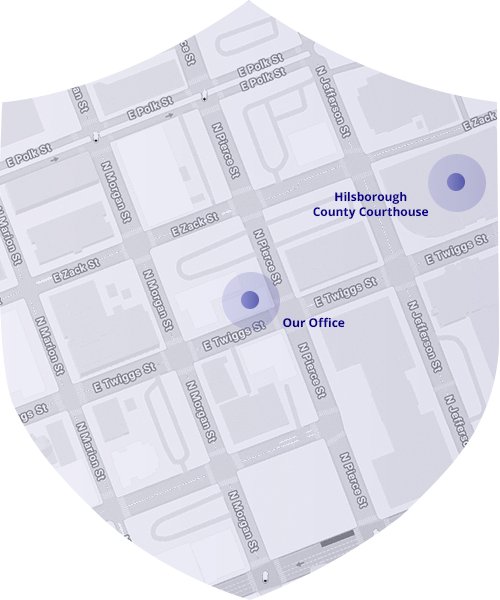
Visit Us
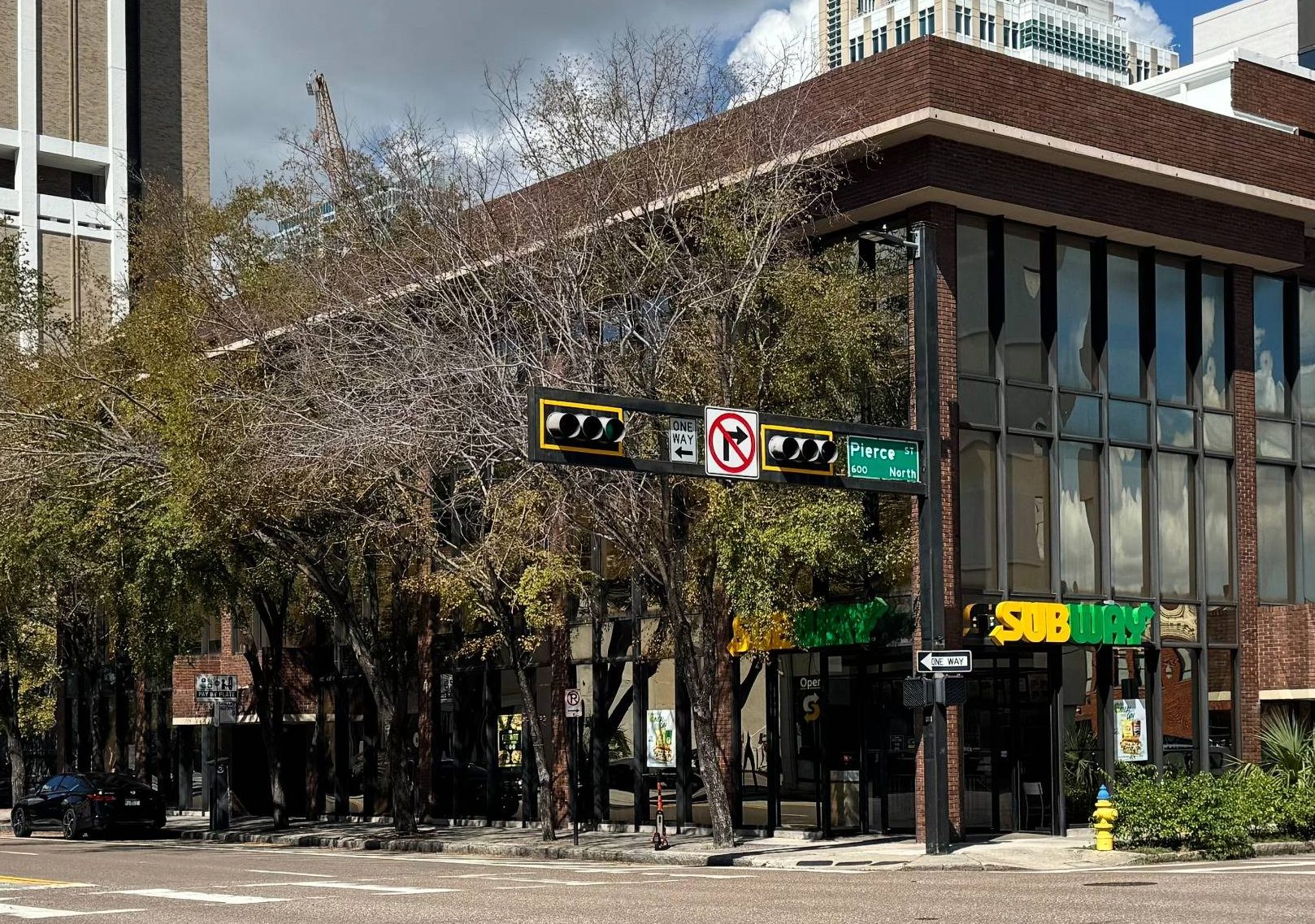
Suite #205
Tampa, FL 33602
Contact Us Now
Free Legal Consultation (813) 727-7159