- Free Consultation 24/7: (813) 727-7159 Tap Here To Call Us




Florida’s Rape Shield Law: What Tampa Defendants Need to Know



Understanding Section 794.022, Florida Statutes — And the Critical Exceptions That Can Protect Your Defense
| Key Takeaway: The Rape Shield Law Has Important Exceptions Florida’s Rape Shield Law (§ 794.022) generally excludes evidence of an alleged victim’s prior sexual conduct with anyone other than the accused. However, the statute contains specific exceptions that can be critical to your defense—including evidence that explains injuries, establishes motive to fabricate, or exposes a pattern of false allegations. An experienced Tampa sex crimes attorney knows how to navigate these exceptions through the required in camera hearing process. |
Florida’s Rape Shield Law plays a critical role in sex crime prosecutions throughout Tampa, Hillsborough County, and the Tampa Bay region. Under Section 794.022, Florida Statutes, courts generally exclude evidence of an alleged victim’s prior consensual sexual conduct with anyone other than the accused. The purpose of this law is to protect victims from unfair character attacks and to keep the focus on the allegations at hand.
At The Brancato Law Firm, P.A., Tampa Criminal Defense Attorney Rocky Brancato has defended sex crime cases for over 25 years. He understands both the protections the Rape Shield Law provides and the critical exceptions that can make the difference in your defense.
What Florida’s Rape Shield Law Does
Prevents Irrelevant Character Attacks
The law prevents the introduction of evidence about a victim’s prior consensual sexual activity with others. Consequently, this rule stops trials from shifting into character judgments and ensures jurors focus on relevant evidence rather than stigma or shame.
Protects the Integrity of the Process
By limiting these attacks, the law helps maintain fairness in court. Moreover, it encourages genuine survivors to come forward without fear of humiliation. However, defendants retain their constitutional right to present a defense—which is why the statute includes important exceptions.
| Florida Statute 794.022 — The Rape Shield Law The statute provides that specific instances of prior consensual sexual activity between the victim and any person other than the offender shall not be admitted into evidence. Exception 1: Evidence that shows the defendant was not the source of semen, pregnancy, injury, or disease Exception 2: Evidence showing a pattern of behavior so similar to the allegations that it becomes relevant to the issue of consent |
Exceptions to Florida’s Rape Shield Law
Although the statute favors exclusion, Section 794.022 outlines circumstances where a judge may allow limited evidence. Importantly, this evidence is reviewed only after a private in camera hearing—the jury never hears any of it unless the judge finds it admissible.
| Exception | What It Allows | Case Authority |
| Alternative Source | Evidence showing defendant was not the source of semen, pregnancy, injury, or disease | Audano v. State, 641 So. 2d 1356 |
| Pattern of Behavior | Evidence of similar behavior patterns relevant to consent | Section 794.022(3) |
| Prior Sexual Knowledge | Evidence of minor’s prior sexual knowledge when relevant | Dixon v. State, 605 So. 2d 960 |
| Motive to Fabricate | Evidence showing accuser’s motive to lie | Lewis v. State, 591 So. 2d 922 |
| False Allegations | Evidence of prior false allegations by accuser | Carlyle v. State, 945 So. 2d 540 |
The Law Applies Only to Consensual Conduct With Others
Florida courts have consistently held that the Rape Shield Law applies only to consensual sexual activity with individuals other than the defendant. This distinction is critical because prior sexual history between the accused and the alleged victim may still be admissible depending on relevance.
| Key Case Law: Scope of the Rape Shield Law • Vincent v. State, 368 So. 3d 993 (Fla. 4th DCA 2023) • Gomez v. State, 245 So. 3d 950 (Fla. 4th DCA 2018) • McLean v. State, 754 So. 2d 176 (Fla. 2d DCA 2000) These cases reinforce that the law protects victims from irrelevant attacks while allowing fair opportunities for defense when evidence has true probative value. |
When Prior Sexual Conduct Evidence May Be Admissible
Florida’s Rape Shield Law contains several exceptions that a skilled defense attorney may leverage to ensure a fair trial. Each exception requires careful preparation, documentation, and strategic presentation during the in camera hearing.
Explaining the Source of Injuries
If medical evidence shows trauma, prior sexual activity may be relevant to explain the source of the injury. In Audano v. State, 641 So. 2d 1356 (Fla. 2d DCA 1994), the court recognized this exception as necessary for a complete defense.
Establishing Prior Sexual Knowledge
In cases involving minors or allegations of sexual inexperience, prior sexual knowledge may contradict claims of innocence or credibility. Dixon v. State, 605 So. 2d 960 (Fla. 2d DCA 1992) established this principle.
Demonstrating a Motive to Fabricate
Past sexual conduct may be relevant when the accuser has a motive to lie—such as jealousy, custody disputes, financial pressure, or retaliation. The Florida Supreme Court addressed this in Lewis v. State, 591 So. 2d 922 (Fla. 1991).
Exposing a Pattern of False Allegations
If an alleged victim has made similar false claims in the past, the defense may introduce this evidence to challenge credibility. Carlyle v. State, 945 So. 2d 540 (Fla. 2d DCA 2006) confirmed this important exception.
| Warning: Procedural Requirements Are Strict These exceptions must be raised properly through an in camera hearing BEFORE trial. • The judge reviews the evidence privately • The jury never hears the evidence unless the judge finds it admissible • Failure to follow proper procedure can result in exclusion of critical defense evidence • An experienced sex crimes attorney knows how to navigate this process |
How Courts Decide What Evidence the Jury Can Hear
Before any evidence involving prior sexual conduct is presented, the judge must conduct an in camera review. This private proceeding allows the judge to evaluate relevance, weigh potential prejudice, and determine whether the evidence fits the statutory exceptions.
| Stage | What Happens | Why It Matters |
| Defense Motion | Attorney files motion requesting in camera hearing | Preserves the issue for appeal |
| Private Hearing | Judge reviews evidence outside jury’s presence | Protects both parties from prejudice |
| Relevance Analysis | Judge evaluates probative value vs. prejudice | Ensures only proper evidence admitted |
| Ruling | Judge grants or denies admission | Determines what jury will hear |
| Trial Presentation | If admitted, evidence presented with limitations | Jury hears only what judge approved |
Why You Need an Experienced Tampa Sex Crimes Attorney
Sex crime cases involve some of the most complex evidentiary rules in Florida law. Florida’s Rape Shield Law limits what can be presented, but a prepared defense attorney can still use statutory exceptions to protect a client’s rights.
Tampa Criminal Defense Attorney Rocky Brancato brings over 25 years of experience defending sex crime cases. As former Chief Operations Officer of the Hillsborough County Public Defender’s Office, he led and mentored a staff of over 100 attorneys—including those handling the most serious sexual battery, child abuse, and homicide cases in Hillsborough County.
His extensive training and courtroom experience give him a significant advantage in navigating Rape Shield issues and preparing a defense that meets the demands of high-stakes litigation. He understands how to identify applicable exceptions, prepare compelling in camera presentations, and protect your constitutional right to present a complete defense.
Frequently Asked Questions About Florida’s Rape Shield Law
Questions About the Law Itself
Florida’s Rape Shield Law, found in Section 794.022, Florida Statutes, restricts the use of an alleged victim’s prior consensual sexual activity with anyone other than the accused. The law prevents unfair character attacks and keeps the focus on the current allegations.
No. The law applies only to consensual sexual conduct with individuals other than the defendant. Consequently, prior sexual history between the accused and the alleged victim may still be admissible depending on relevance to the case.
No. The law restricts irrelevant sexual history, but it does not prevent the defense from presenting legitimate evidence showing alternative explanations, motives to fabricate, or credibility problems. These exceptions are specifically built into the statute.
Yes. Evidence may be allowed if it shows an alternative source of semen, pregnancy, injury, or disease. Additionally, it may be admitted if it demonstrates a pattern of behavior relevant to consent, establishes motive to fabricate, or exposes prior false allegations—but only after a judge reviews it during an in camera hearing.
Yes. Courts may admit evidence of past sexual activity to explain the origin of injuries or medical findings the State attributes to the alleged crime. The Second District Court of Appeal recognized this exception in Audano v. State.
Yes. Evidence of a pattern of past false allegations may be admitted to challenge credibility. The Second District Court of Appeal confirmed this principle in Carlyle v. State, 945 So. 2d 540 (Fla. 2d DCA 2006).
Questions About Court Procedures
An in camera hearing is a private judicial review where the judge evaluates evidence related to prior sexual conduct. The judge decides whether the evidence is legally relevant and admissible before it can be presented to a jury. The jury never hears this evidence unless the judge approves it.
Because the statute limits many types of evidence, the defense must navigate complex exceptions and court procedures. An experienced Tampa sex crimes attorney understands how to identify applicable exceptions, properly raise them through in camera hearings, and present them effectively to protect the accused and secure a fair trial.
| Your Reputation and Freedom Are at Stake Sex crime allegations can destroy your career, your family, and your future—even before trial. The prosecution is building its case right now. You need a defense attorney who understands Florida’s complex evidentiary rules and knows how to fight back. Tampa Criminal Defense Attorney Rocky Brancato has defended sex crime cases throughout Hillsborough, Pinellas, and Pasco Counties for over 25 years. He knows how to navigate Rape Shield exceptions and protect your rights at every stage. Call (813) 727-7159 for a Confidential Consultation The Brancato Law Firm, P.A. 620 E. Twiggs Street, Suite 205, Tampa, FL 33602 Serving Hillsborough, Pinellas, and Pasco Counties |

Related Articles
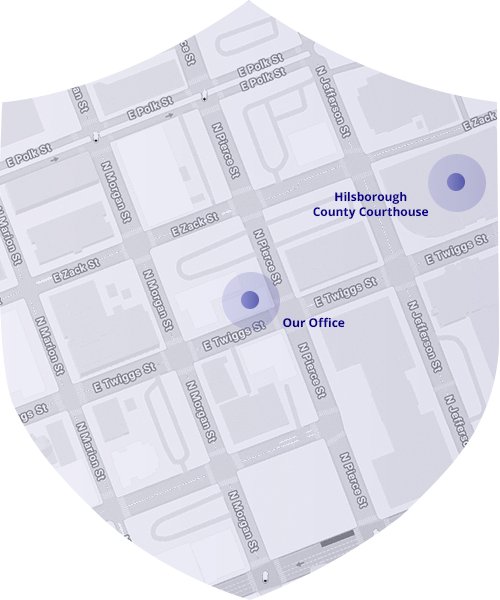
Visit Us
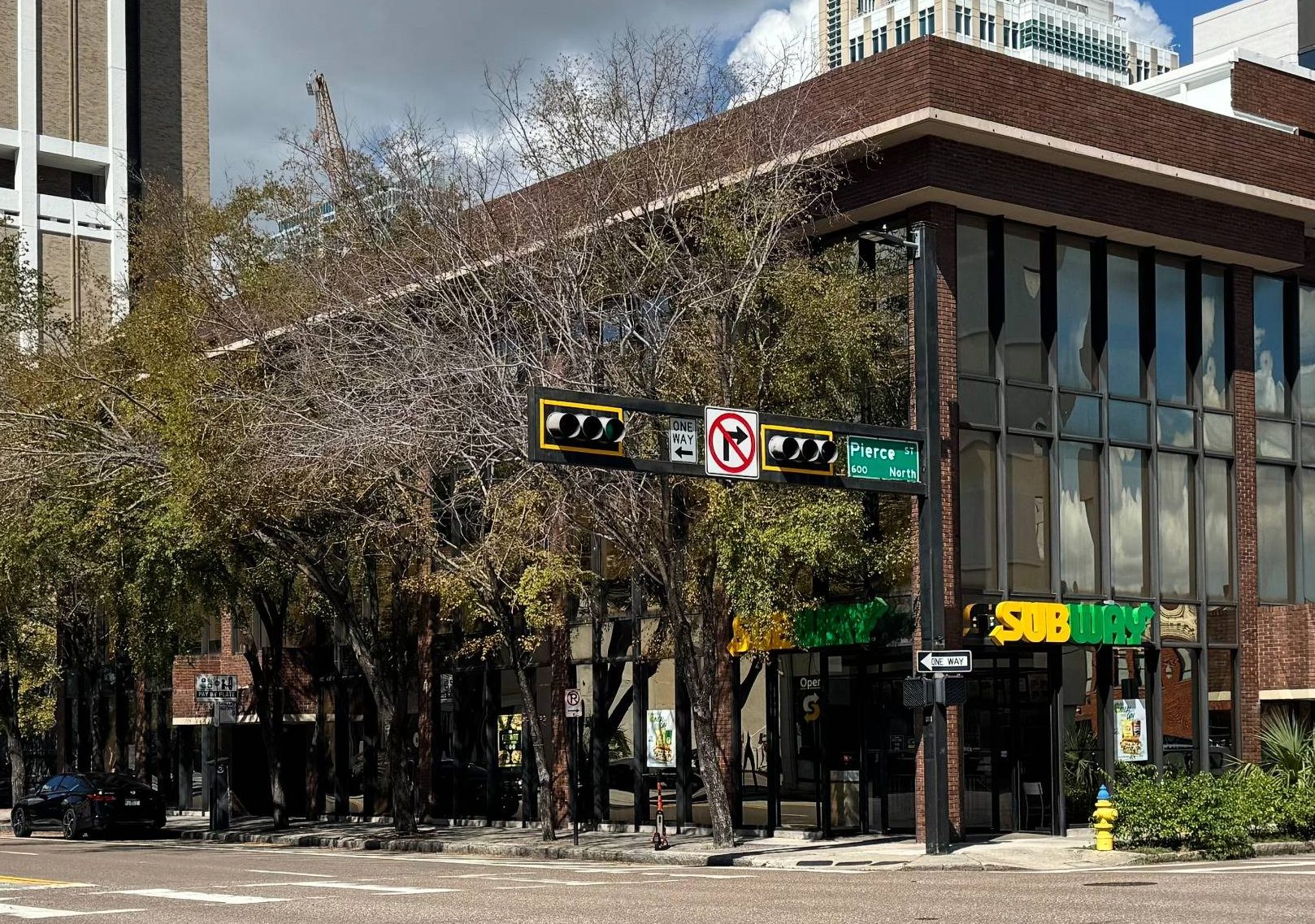
Suite #205
Tampa, FL 33602
Contact Us Now
Free Legal Consultation (813) 727-7159