- Free Consultation 24/7: (813) 727-7159 Tap Here To Call Us




When Your Lawyer’s Math Error Sends You to Prison: The Fernandez Ruling


Fernandez v. State (December 2025) proves that your lawyer’s competence matters just as much as the evidence—one wrong number destroyed a defendant’s credibility and cost him his freedom through ineffective assistance of counsel in Florida.
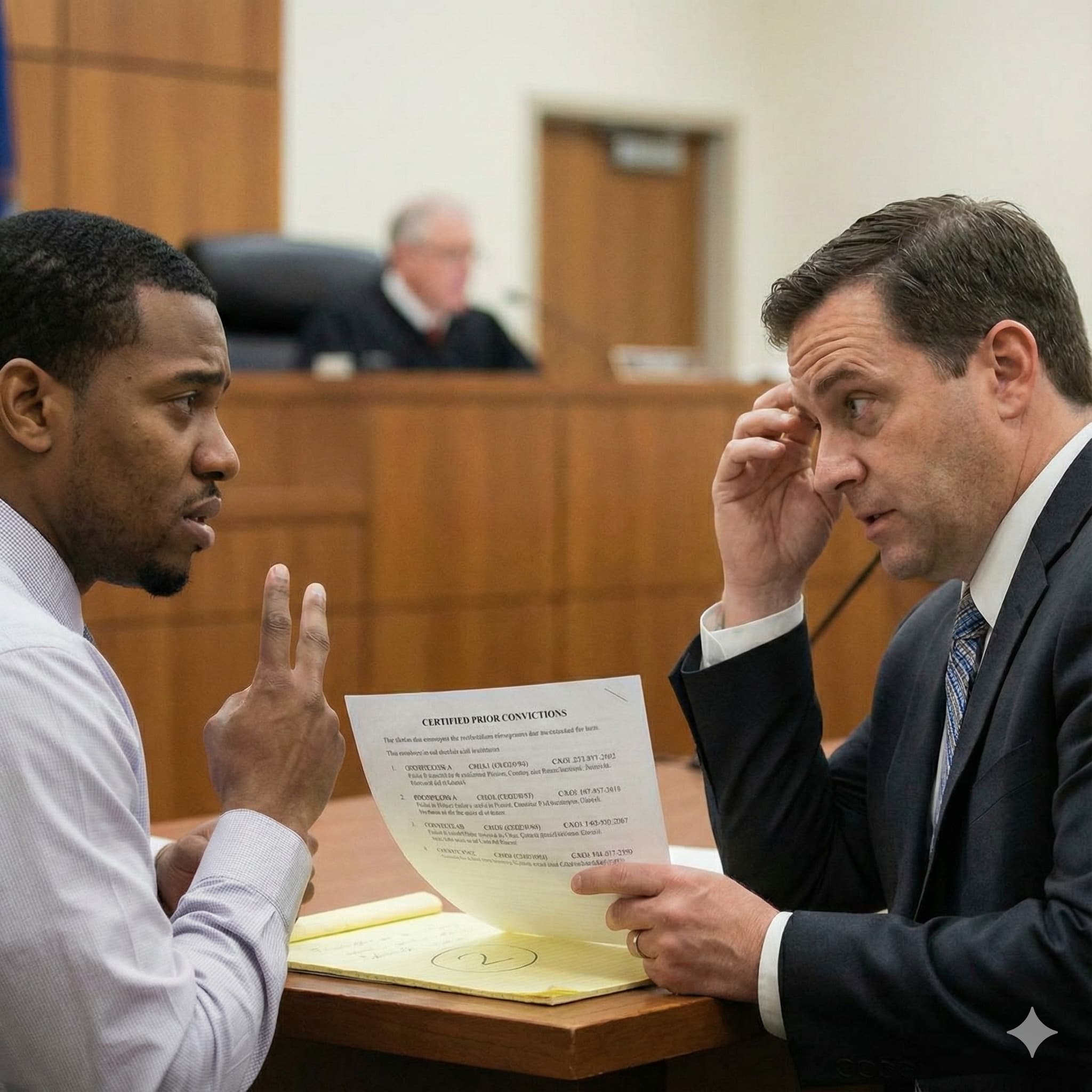
| ⚠ THE NIGHTMARE SCENARIO THAT ACTUALLY HAPPENED Before testifying, you ask your lawyer: “How many prior felonies do I have?” Your lawyer checks his file and says “two.” So when the prosecutor asks, you confidently answer “two.” Then the prosecutor pulls out certified records proving you actually have four. In an instant, you look like a liar. The jury disregards your entire testimony, and you get convicted. This happened to Caleb Fernandez—but a Florida appeals court just reversed his conviction. |
Why Your Lawyer’s Preparation Can Make or Break Your Case
If you decide to testify at trial, the prosecution can ask about your prior felony convictions. Specifically, they can ask how many you have. This seems simple enough—but if you get the number wrong, even by accident, you “open the door” to devastating impeachment.
The Fernandez case proves that your lawyer’s competence matters just as much as the evidence itself. Indeed, a simple math error by your attorney can transform you from a credible witness into someone the jury believes will lie about anything.
| FLORIDA STATUTE § 90.610 – IMPEACHMENT BY PRIOR CONVICTIONS Under Florida law, if you testify, the jury can learn whether you have prior felony convictions. However, specific rules govern this process: The General Rule: The prosecutor can ask “Have you ever been convicted of a felony?” and “How many times?” The Protection: If you answer truthfully, they generally cannot name the specific crimes (unless they involve dishonesty). The Trap: If you get the number wrong—even accidentally—you “open the door.” The prosecutor can then introduce certified records to correct you and prove you are untrustworthy. |
The Case: Fernandez v. State (December 23, 2025)
Caleb Fernandez faced arrest in Lee County after a traffic stop. Police found a gun under the car and drugs in his pocket. While Fernandez admitted to the drugs, he swore the gun belonged to his passenger.
The trial became a “credibility contest.” The deputies claimed they saw Fernandez drop the gun; Fernandez and his passenger said he did not. Importantly, there was no DNA, no fingerprints, and no video evidence. Therefore, everything depended on who the jury believed.
| CASE SUMMARY: FERNANDEZ V. STATE (FLA. 6TH DCA, DECEMBER 23, 2025) Court: Florida Sixth District Court of Appeal The Critical Mistake: Before Fernandez testified, he asked his lawyer how many prior felonies he had. His lawyer incorrectly told him “two.” On cross-examination, Fernandez repeated that number. What Happened: The State introduced certified copies of FOUR prior felonies, including Aggravated Assault with a Firearm. Prosecutor’s Closing: “We know that Mr. Fernandez sat up here in front of everyone and lied… Is there anything else he said that didn’t happen?” Holding: Conviction REVERSED—lawyer’s failure to count convictions correctly constituted Ineffective Assistance of Counsel Reasoning: In a case that relied entirely on credibility, making the defendant look like a liar was a fatal error that likely caused the guilty verdict. |
The Cost of a Mistake: Prepared vs. Unprepared Defense
The following comparison demonstrates why proper preparation proves essential when a defendant decides to testify:
| Scenario | What the Jury Hears | The Result |
| Prepared Defense | “Yes, I have 4 prior convictions.” | Jury moves on; focuses on current facts |
| Unprepared Defense | “I have 2.” → Prosecutor proves 4 with certified records | You look like a liar; jury ignores your defense |
| OUR APPROACH: VERIFICATION, NOT GUESSWORK The Fernandez case highlights why “preparation” cannot be just a buzzword. At The Brancato Law Firm, P.A., we never rely on memory or client recollection. Before you ever take the stand: • We pull your criminal history • We order certified copies of your prior judgments from the Clerk of Court • We verify with the prosecutor the number of convictions they are prepared to prove. • We sit you down and review exactly what you must say to avoid “opening the door” We do this because, as Fernandez proves, a simple math error by your attorney can mean the difference between “Not Guilty” and prison. |
| ⚠ CRITICAL WARNING: HONEST MISTAKES COUNT AS LIES The law generally treats an honest mistake the same as a deliberate lie for impeachment purposes. If you get the number wrong—even if you genuinely forgot—the State can “correct” you with certified copies. As a result, the jury hears that you gave false testimony, regardless of your intent. This makes verification before trial absolutely essential. |
Frequently Asked Questions: Prior Convictions and Trial Testimony
Can I get a new trial if my lawyer gave me bad advice about my record?
Yes, but proving it proves difficult. You must establish “Ineffective Assistance of Counsel” under the Strickland standard. Specifically, you must show that your lawyer’s performance fell below professional standards and that the error actually changed the outcome of the trial. In Fernandez, the court ruled the error was so damaging it likely caused the guilty verdict.
Do I have to tell the jury about my prior felonies?
Only if you testify. Florida law allows the State to use your prior felonies to attack your credibility when you take the stand. However, if you choose not to testify, the jury generally will not hear about your record. Therefore, the decision whether to testify requires careful strategic consideration.
What if I honestly forgot how many felonies I have?
Unfortunately, the law treats an honest mistake the same as a lie for impeachment purposes. If you get the number wrong, the State can correct you with certified copies—making you look dishonest to the jury regardless of your intent. Consequently, your lawyer must verify the count before trial.
What is “opening the door” in Florida evidence law?
“Opening the door” means introducing evidence or making statements that allow the opposing party to introduce evidence that would otherwise remain inadmissible. In the context of prior convictions, if you give the wrong number, you “open the door” to the State introducing the actual certified records—which may include the specific crimes, not just the count.
Can the prosecutor tell the jury what my prior convictions were for?
Generally, no—unless you open the door. If you answer truthfully about the number, the prosecutor typically cannot name the specific crimes (unless they involve dishonesty, like fraud or perjury). However, if you give the wrong number, the State can introduce the certified records, which reveal the nature of each conviction. In Fernandez’s case, this included Aggravated Assault with a Firearm.
What is the Strickland standard for ineffective assistance?
Under Strickland v. Washington (1984), you must prove two things: First, that your lawyer’s performance fell below an objective standard of reasonableness. Second, that there exists a reasonable probability that, but for the lawyer’s errors, the result of the trial would have been different. Both prongs must be satisfied.
Should I testify at my trial?
This depends entirely on the facts of your case. Testifying allows you to tell your side of the story directly. However, it also exposes you to cross-examination and impeachment with prior convictions. An experienced defense attorney will analyze whether testifying helps or hurts your case and prepare you thoroughly if you decide to take the stand.
How do you verify a client’s criminal history before trial?
We pull complete NCIC/FCIC records (the FBI and Florida criminal history databases). Additionally, we order certified copies of prior judgments from the relevant Clerks of Court. Then we review each conviction with the client to ensure they know the exact count and understand how to answer questions without opening the door to damaging evidence. Finally, we verify with the prosecutor how many convictions they are prepared to prove.
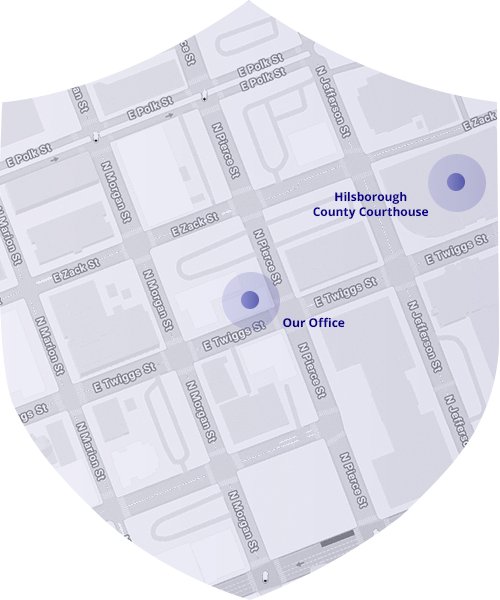
| Don’t Let an Unprepared Lawyer Cost You Your Freedom. Call (813) 727-7159 for a Confidential Consultation The Brancato Law Firm, P.A. 620 E. Twiggs Street, Suite 205, Tampa, FL 33602 Serving Hillsborough, Pinellas, and Pasco Counties |
| ABOUT ATTORNEY ROCKY BRANCATO With over 25 years of criminal defense experience, Tampa, Attorney Rocky Brancato does not guess about your criminal record—he verifies it. As former Chief Operations Officer of the Hillsborough County Public Defender’s Office, he knows that small details win big cases. Consequently, he ensures every client who takes the stand knows exactly how to answer questions about prior convictions without opening the door to damaging evidence. |
Related:
Visit Us
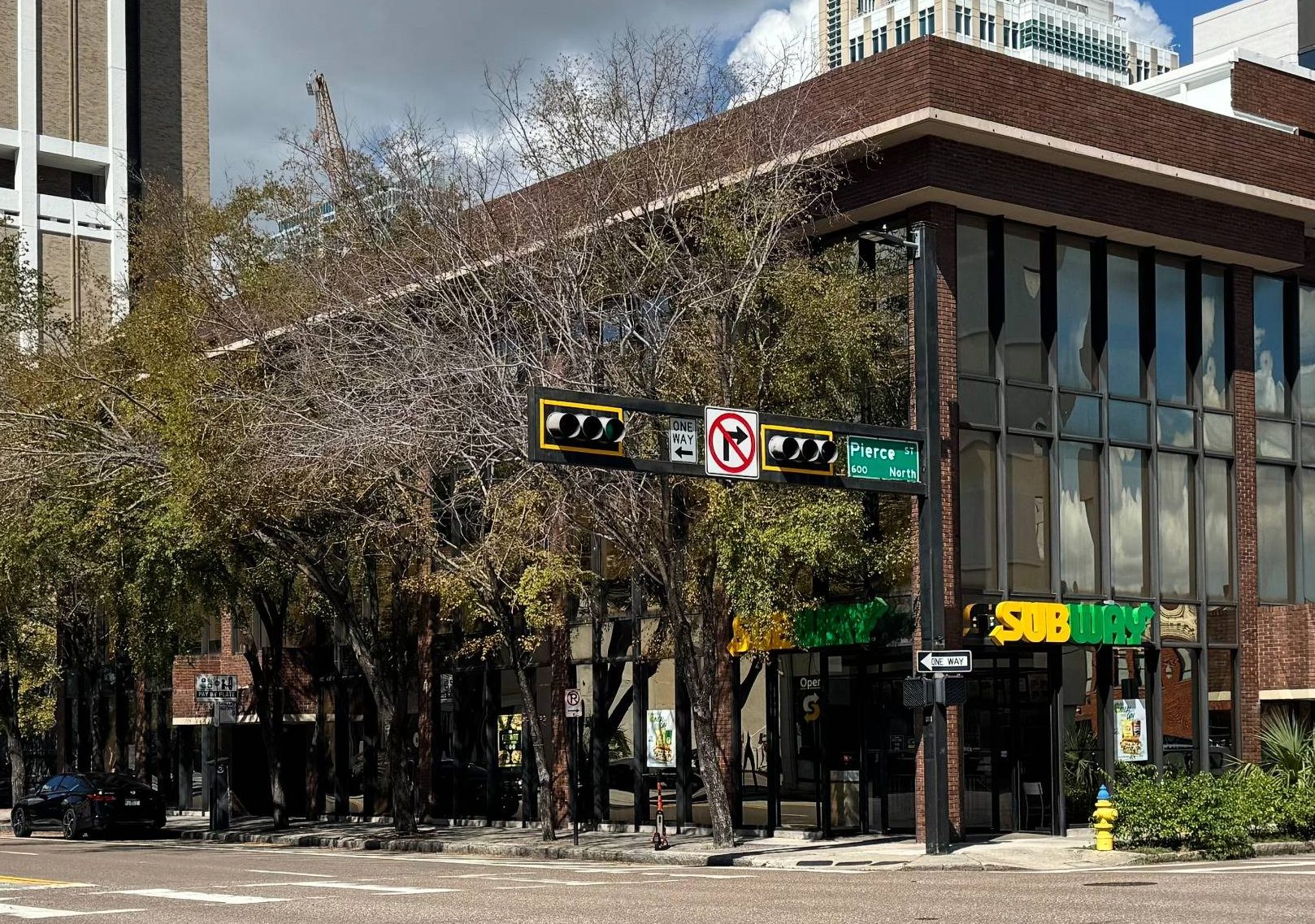
Suite #205
Tampa, FL 33602
Contact Us Now
Free Legal Consultation (813) 727-7159