- Free Consultation 24/7: (813) 727-7159 Tap Here To Call Us




Similar Is Not the Same: How a Firearms Expert Kept Out Prejudicial Evidence


Identifying the Exact Gun Model to Break the Prosecution’s Nexus
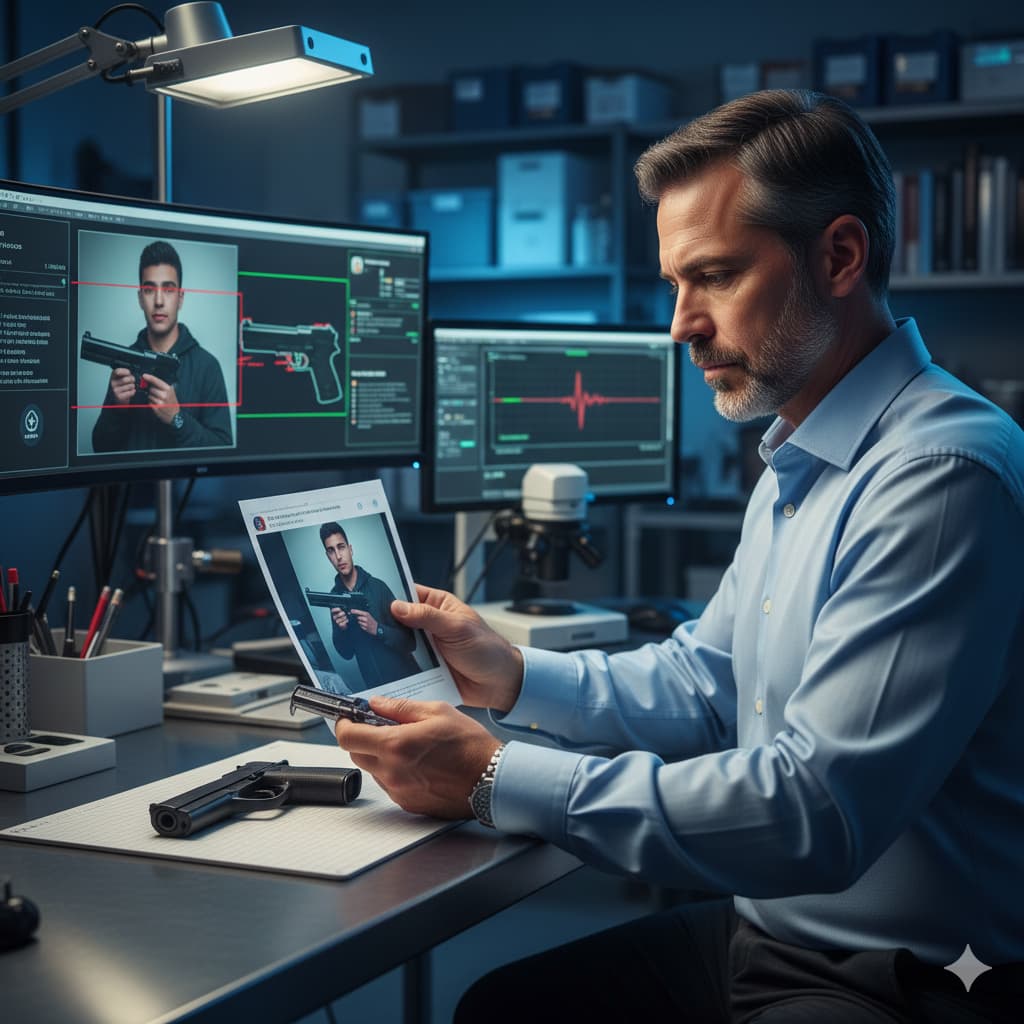
In a homicide case, prosecutors love to show the jury photographs of the defendant holding a gun. After all, such images create a powerful visual association: this person had a gun, and someone died from a gunshot. However, for such evidence to be admissible, the prosecution must establish a nexus—a connection between the gun in the photograph and the gun used in the crime.
When the guns merely look similar, that connection does not exist. Similar is not the same. In this homicide case, a firearms expert with decades of experience identified the precise model of the gun in my client’s social media photo—and proved it was not the murder weapon. As a result, we kept the prejudicial photograph out of evidence entirely. I am Tampa Criminal Defense Attorney Rocky Brancato. This post is part of our forensic series put out by the Brancato Law Firm, P.A., your Tampa criminal forensic evidence law firm.
| What Is a Firearms Expert? A firearms expert is a specialist with extensive knowledge of weapons, ammunition, and ballistics. They can identify specific firearm makes and models, analyze tool marks and ballistic evidence, and provide expert testimony about whether particular weapons match evidence recovered from crime scenes. Their expertise often comes from careers in law enforcement, military service, or the firearms industry—and the best have hands-on experience with thousands of different weapons. |
The Case: A Young Defendant and a Damaging Photo
My client, a young man, faced homicide charges. The state had recovered the murder weapon and placed it into evidence. They also had something else they wanted the jury to see: photographs from my client’s social media showing him holding a gun.
To a casual observer, the gun in the social media photos looked similar to the murder weapon. Both appeared to be the same general type of firearm. The prosecution intended to use these images to suggest my client had possessed a gun like the one used in the killing—creating a damaging association in the jurors’ minds.
However, when I examined the photographs closely, I noticed something important: certain features of the gun in the photo appeared different from the murder weapon. The guns were similar, but were they actually the same model? If not, the prosecution had no business showing these photos to the jury.
| Why Nexus Matters For evidence to be admissible, it must be relevant—meaning it must have a tendency to make a fact of consequence more or less probable. A photograph of the defendant holding a gun is only relevant if the prosecution can establish a connection (nexus) between that gun and the crime. Without that nexus, the photo is merely prejudicial: it makes the defendant look bad without actually proving anything about the charged offense. |
The Expert: A Lifetime of Firearms Knowledge
To challenge the prosecution’s evidence, I needed someone who could look at a photograph and identify the precise make and model of the firearm depicted. Fortunately, I found an expert whose qualifications were extraordinary.
This expert had grown up around firearms, handling guns since childhood. Subsequently, he built a career in law enforcement, working first for a local police department and then retiring from the Bureau of Alcohol, Tobacco, Firearms and Explosives (ATF). Throughout his career, he developed an encyclopedic knowledge of weapons.
Most impressively, he had toured nearly every major firearms manufacturing factory in the world. As a result, he possessed firsthand knowledge of how different manufacturers design and produce their weapons—knowledge that allowed him to identify subtle differences between similar-looking firearms that most people would never notice.
| The Expert’s Qualifications |
| • Lifelong experience with firearms since childhood • Career in local law enforcement • Retired from the Bureau of Alcohol, Tobacco, Firearms and Explosives (ATF) • Toured nearly every major firearms manufacturing factory in the world |
The Analysis: Identifying the Precise Model
I provided my expert with the social media photographs and access to examine the murder weapon in evidence. His task was straightforward: determine whether the gun in the photos matched the gun used in the homicide.
The expert examined the photographs carefully, focusing on specific features of the firearm: the shape of the slide, the configuration of the grip, the placement of controls, and other distinguishing characteristics. Based on these features, he identified the precise make and model of the gun my client held in the social media photos.
His conclusion was definitive: the gun in the photographs was not the same model as the murder weapon.
Although both firearms appeared similar at first glance, they were manufactured by different companies or represented different product lines. The distinguishing features that the expert identified made clear that my client’s social media photos depicted an entirely different weapon than the one used in the killing.
What Firearms Experts Look For When Identifying Weapons
| Feature | Why It Matters for Identification |
| Slide Shape | Different manufacturers use distinctive slide profiles; subtle curves or angles can identify the maker |
| Grip Configuration | Grip angle, texture patterns, and finger grooves vary between models and manufacturers |
| Control Placement | Location and style of safety switches, slide releases, and magazine releases differ by model |
| Trigger Guard Shape | Rounded versus squared trigger guards distinguish different firearm families |
| Sight Configuration | Front and rear sight designs vary significantly between manufacturers and models |
| Barrel Length/Profile | Visible barrel length and profile can distinguish compact, full-size, and specific model variants |
The Legal Argument: No Nexus, No Admission
Armed with the expert’s findings, I filed a motion to exclude the social media photographs. The argument was straightforward: without a nexus between the gun in the photos and the murder weapon, the photographs lacked relevance to the charged offense.
Moreover, the prejudicial effect of the photographs far outweighed any probative value. Showing the jury images of a young defendant holding a gun—when that gun had nothing to do with the crime—would serve only to inflame the jury and create an unfair association in their minds.
The expert’s identification of the precise firearm model made this argument airtight. Because he could demonstrate that the social media gun was definitively not the murder weapon, the prosecution could not establish the required nexus.
| RESULT: PHOTOGRAPH EXCLUDED — NOT GUILTY OF HOMICIDE The court excluded the prejudicial social media photographs from evidence. At trial, the jury found my client not guilty of homicide. He was convicted of a lesser offense of attempted homicide. |
Why Excluding This Evidence Mattered
The exclusion of the social media photographs removed a powerful piece of visual evidence from the prosecution’s case. Without those images, the jury could not form the mental association the state wanted: seeing the defendant with a gun and connecting him to the shooting.
Consequently, the jury had to evaluate the remaining evidence on its own merits. While they convicted my client of a lesser offense, they acquitted him of the homicide charge—a significant difference in terms of potential punishment and consequences.
This outcome demonstrates the importance of challenging every piece of evidence the prosecution intends to use. Evidence that appears damaging at first glance may not withstand expert scrutiny.
What This Case Teaches About Firearms Evidence
- First, similar does not mean same. Two firearms may look alike to untrained observers but represent completely different makes and models. An expert can identify the differences.
- Second, the prosecution must establish a nexus. For evidence to be admissible, it must connect to the charged offense. A photograph of the defendant with a different gun lacks that connection.
- Third, expert qualifications matter enormously. An expert who has toured firearms factories worldwide and spent a career handling weapons brings credibility that generalists cannot match.
- Fourth, challenge prejudicial evidence aggressively. Photographs of defendants with weapons create powerful negative associations. If the evidence lacks relevance, fight to keep it out.
- Finally, social media evidence requires scrutiny. Prosecutors increasingly use social media photographs against defendants. However, such evidence must still meet admissibility standards.
Frequently Asked Questions
Can prosecutors use social media photos against me?
Prosecutors can attempt to use social media photographs, but such evidence must meet admissibility requirements. Specifically, the photos must be relevant to the charged offense, and the prosecution must authenticate them. Additionally, if a photo’s prejudicial effect outweighs its probative value, the defense can move to exclude it.
What does nexus mean in evidence law?
Nexus refers to the connection between a piece of evidence and the facts at issue in a case. For evidence to be relevant and admissible, it must have a logical connection to something the prosecution needs to prove. Without that connection, the evidence lacks relevance.
What does a firearms expert do?
A firearms expert identifies weapons, analyzes ballistic evidence, and provides expert testimony about firearms-related issues. They can determine whether a specific weapon fired particular ammunition, identify the make and model of firearms from photographs, and explain technical aspects of weapons to judges and juries.
How can an expert identify a gun from a photograph?
Experienced firearms experts recognize distinguishing features that identify specific makes and models: slide shapes, grip configurations, control placements, trigger guard designs, and sight configurations. By analyzing these visible features, an expert can often determine the precise firearm depicted—even from a photograph.
What makes firearms evidence prejudicial?
Photographs of defendants holding weapons create powerful negative impressions on juries. Even when the pictured weapon has no connection to the charged crime, such images can make defendants appear dangerous or violent. Consequently, courts may exclude such evidence when its prejudicial effect substantially outweighs any probative value.
Should I delete gun photos from my social media?
If you face criminal charges, do not delete anything from social media without consulting your attorney first. Deleting evidence after charges can constitute obstruction of justice or spoliation of evidence. Instead, discuss your social media presence with your attorney, who can advise you on the best course of action.
Facing Gun-Related Charges?
Prosecutors use every piece of evidence they can find—including social media photographs that may have nothing to do with the charged offense. However, such evidence must meet legal standards for relevance and admissibility.
For over 25 years, I have defended clients against serious charges throughout Tampa Bay. As a result, I know how to challenge firearms evidence, retain qualified experts who can identify weapons and break the prosecution’s nexus arguments, and fight to exclude prejudicial photographs from trial.
Call (813) 727-7159 for a Confidential Consultation
The Brancato Law Firm, P.A.
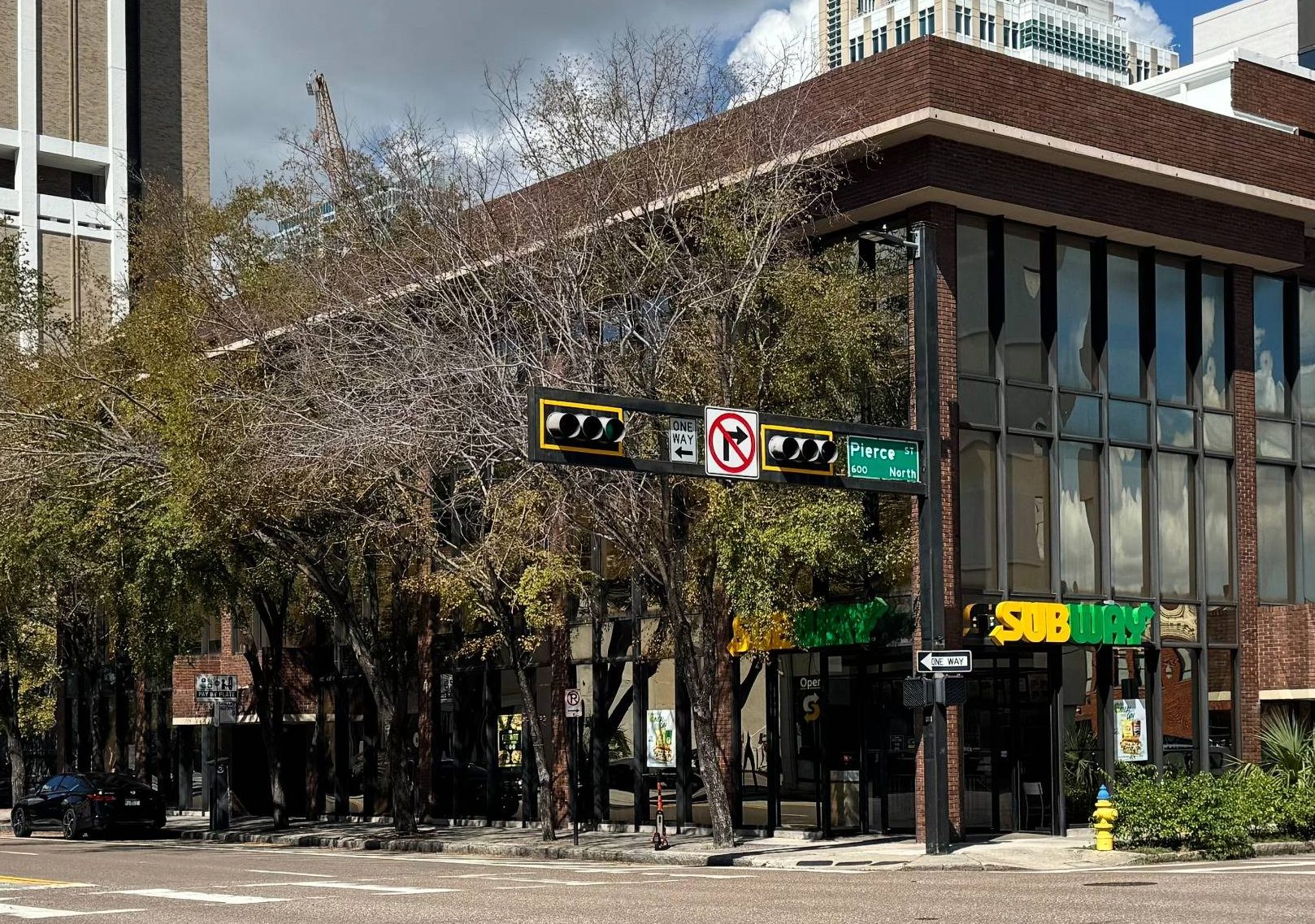
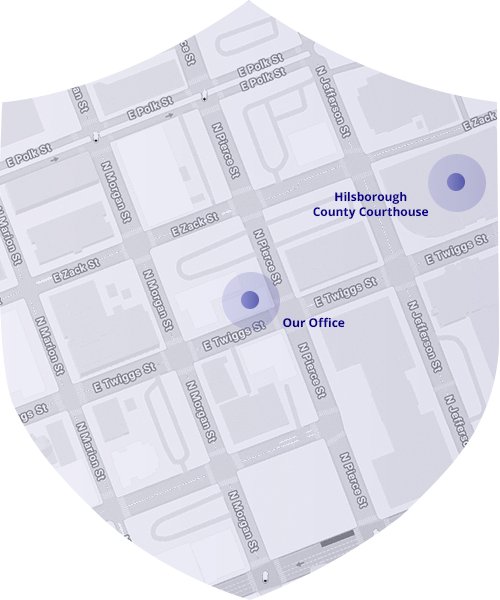
620 E. Twiggs Street, Suite 205, Tampa, FL 33602
Serving Hillsborough, Pinellas, and Pasco Counties
Part of the Forensic Evidence Series
Related Case Studies: DNA Evidence Defense | Aggravated Child Abuse Defense | Forensic Pathologist | Fingerprint Evidence is Not as Reliable as You Think | Cell Phone Location Data Can prove You Were Not There | When Brain Damage Explains Criminal Conduct | Your BAC at the Station is Not Your BAC Behind the Wheel | When Police Destroy Evidence They Do Not Get the Benefit of the Doubt | When a Confession is Not a Confession | When the Car–Not the Driver–Caused the Crash | The Injuries Were Real–But They Were Not From the Alleged Rape
Related Pages
Visit Us
Suite #205
Tampa, FL 33602
Contact Us Now
Free Legal Consultation (813) 727-7159