- Free Consultation 24/7: (813) 727-7159 Tap Here To Call Us


From First DUI to Death Penalty



Vindictive Sentencing Tampa: The “Trial Tax” Defense


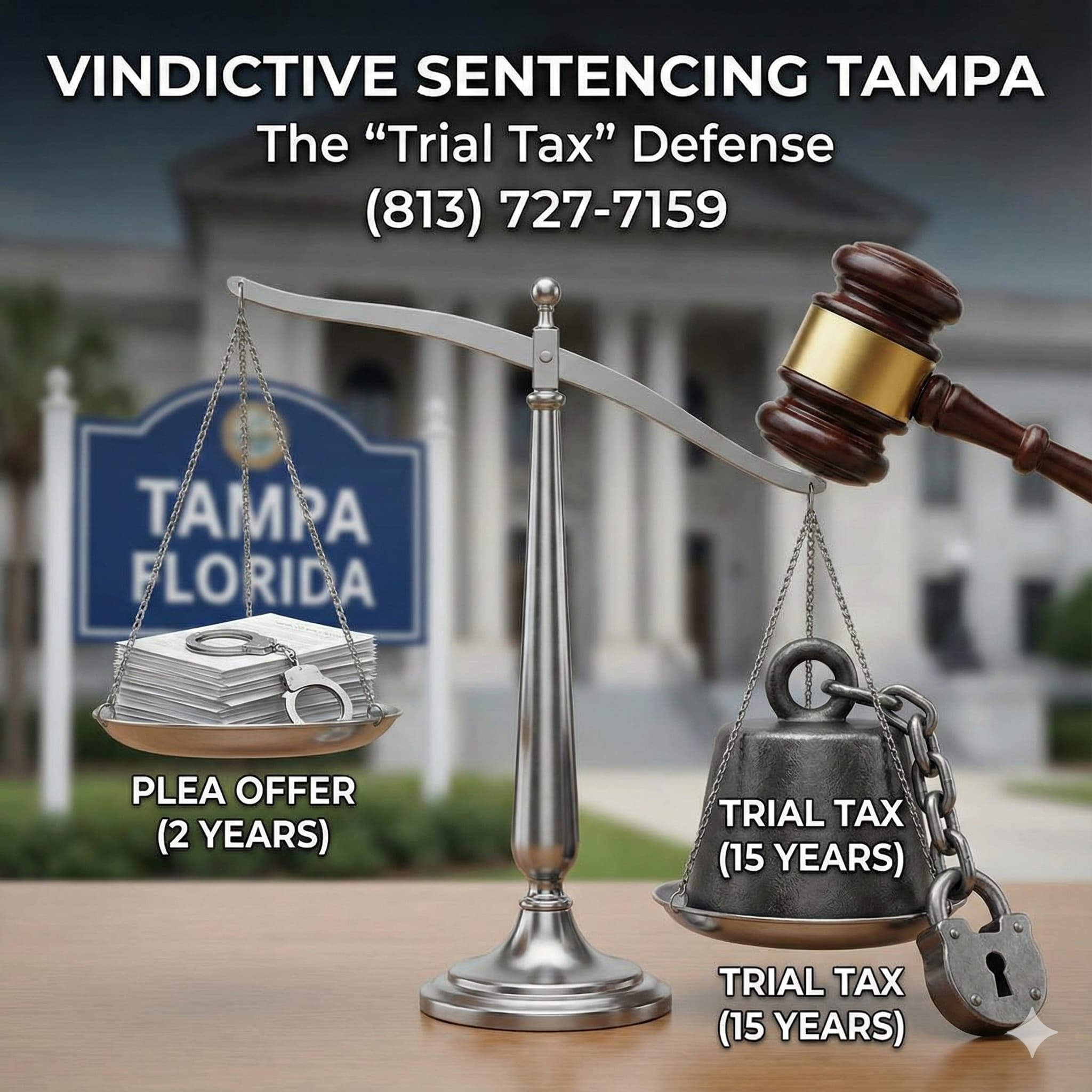
The prosecutor offered you two years in prison. You rejected the deal because you believed you were innocent. After the trial, the judge sentenced you to fifteen years. When your attorney asked why, the judge implied you “wasted the court’s time” by not taking the plea.
This scenario describes a constitutional violation known as the “trial tax.” If you believe you were punished for exercising your right to a trial, you need a vindictive sentencing Tampa attorney immediately. Florida law prohibits judges from retaliating against defendants who reject plea offers. However, proving this bias requires specific legal evidence.
I’m Tampa Attorney Rocky Brancato. For over 25 years, I have defended clients throughout Tampa Bay. As the former Chief Operations Officer of the Hillsborough County Public Defender’s Office, I have handled thousands of sentencing hearings. I know exactly how to document judicial retaliation and protect you from unfair punishment. The Brancato Law Firm, P.A. can help.
What Is Vindictive Sentencing Under Florida Law?
Vindictive sentencing occurs when a judge imposes a harsher sentence as retaliation for a defendant’s decision to go to trial. Florida courts have consistently held that this practice violates fundamental principles of fairness.
The Florida Supreme Court addressed this issue directly in Wilson v. State (2003) and State v. Warner (2000). These cases established that a “presumption of vindictiveness” arises when there is a reasonable likelihood that the increased sentence resulted from the judge’s anger rather than the facts of the crime.
Once this presumption attaches, the burden shifts to the State. They must prove the sentence was based on legitimate factors, not retaliation.
Vindictive Sentencing vs. Legitimate Factors
Judges have broad discretion. However, they cannot use that discretion to punish you for exercising your rights. The following comparison clarifies the difference between a legal sentence and a vindictive sentencing Tampa claim.
Comparison: Legitimate vs. Retaliatory Sentencing
| Legitimate Factors | Indicators of Vindictive Sentencing |
| Offense Severity | Comments about “wasting time.” |
| Criminal History | Excessive judicial involvement in plea talks. |
| New Trial Facts | Dramatic disparity (e.g., 2 years vs. 15 years). |
| Lack of Remorse | No explanation for the increase. |
Florida law permits judges to consider a guilty plea as a mitigating factor (Gallucci v. State). However, this is legally different from punishing a defendant for choosing trial. The distinction matters significantly in appellate court.
The “Totality of Circumstances” Test
Florida courts apply a “totality of the circumstances” test to evaluate these claims. This means they look at the entire record, not just one sentence.
When reviewing your case, appellate courts consider:
- Judicial Comments: Did the judge say, “You should have taken the deal”?
- Plea Disparity: Is the sentence shockingly higher than the offer?
- Judicial Participation: Did the judge initiate the plea negotiations? (Warner prohibits judges from starting these talks).
If no reasonable explanation exists for the increase other than your decision to go to trial, the sentence is likely illegal.
The Remedy: Resentencing by a Different Judge
If an appellate court finds that vindictive sentencing Tampa occurred, the remedy is specific and powerful.
- The original sentence is vacated (thrown out).
- The case is sent back for resentencing.
- Crucially: A different judge must impose the new sentence.
This ensures you are not penalized again by the original judge’s bias. The new judge starts fresh, considering only legitimate statutory factors.
Warning: You generally must file your appeal within 30 days of sentencing. Missing this deadline can permanently waive your right to challenge the sentence.
How We Prevent Vindictive Sentencing
The best defense is proactive prevention. As your attorney, I employ specific strategies during the trial phase to build a record for appeal.
Defense Strategy Table
| Strategy | How It Protects You |
| Motion to Disqualify | We remove judges with known bias before trial begins (Rule 2.330). |
| On-Record Pleas | We ensure all plea offers are stated on the record to prove the disparity later. |
| Immediate Objection | We object during sentencing to preserve the issue for appellate review. |
Why You Need an Experienced Attorney
Vindictive sentencing claims require appellate expertise. Many attorneys fail to preserve these issues because they fear angering the judge.
I do not have that fear. With over 25 years of experience, including my time in an Elite Major Crimes unit, I know how to stand up to judicial overreach. I have seen the patterns that indicate bias, and I know how to document them for the appellate courts.
Frequently Asked Questions
What is the “Trial Tax”?
The “trial tax” is a slang term for vindictive sentencing. It refers to the practice of imposing significantly harsher sentences on defendants who go to trial compared to those who plead guilty. It is illegal in Florida.
How do I prove the judge was vindictive?
We look for warning signs: comments about “wasting resources,” excessive involvement in plea talks, and a lack of new evidence to justify the harsher sentence.
What is the deadline to appeal?
You must file a Notice of Appeal within 30 days of the sentencing hearing. If you miss this window, it is very difficult to get relief.
Can a judge participate in plea negotiations?
Only in limited ways. Under State v. Warner, a judge may participate only if both parties request it. They cannot initiate the deal or become an advocate for the State.
Protect Your Right to a Fair Trial
If you rejected a plea offer and received a harsh sentence, do not assume it is final. You may be the victim of judicial retaliation.
Rocky Brancato has spent decades protecting defendants from unfair treatment in Hillsborough County. Contact the Brancato Law Firm, P.A. today.
Call (813) 727-7159 Today to Discuss Your Sentencing Concerns.
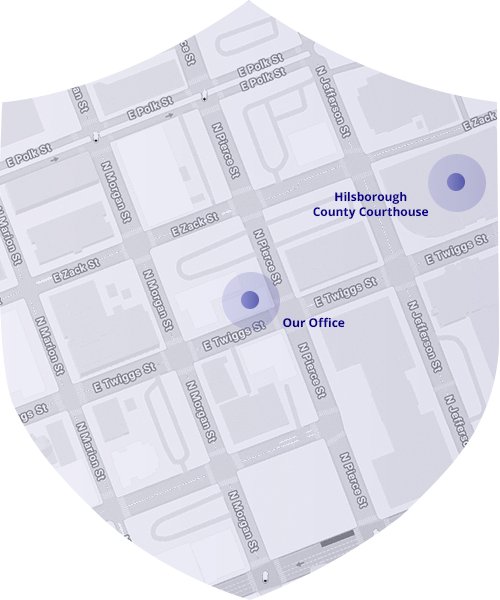
We are located at 620 E Twiggs Street, Suite 205, Tampa, FL 33602
.
Visit Us
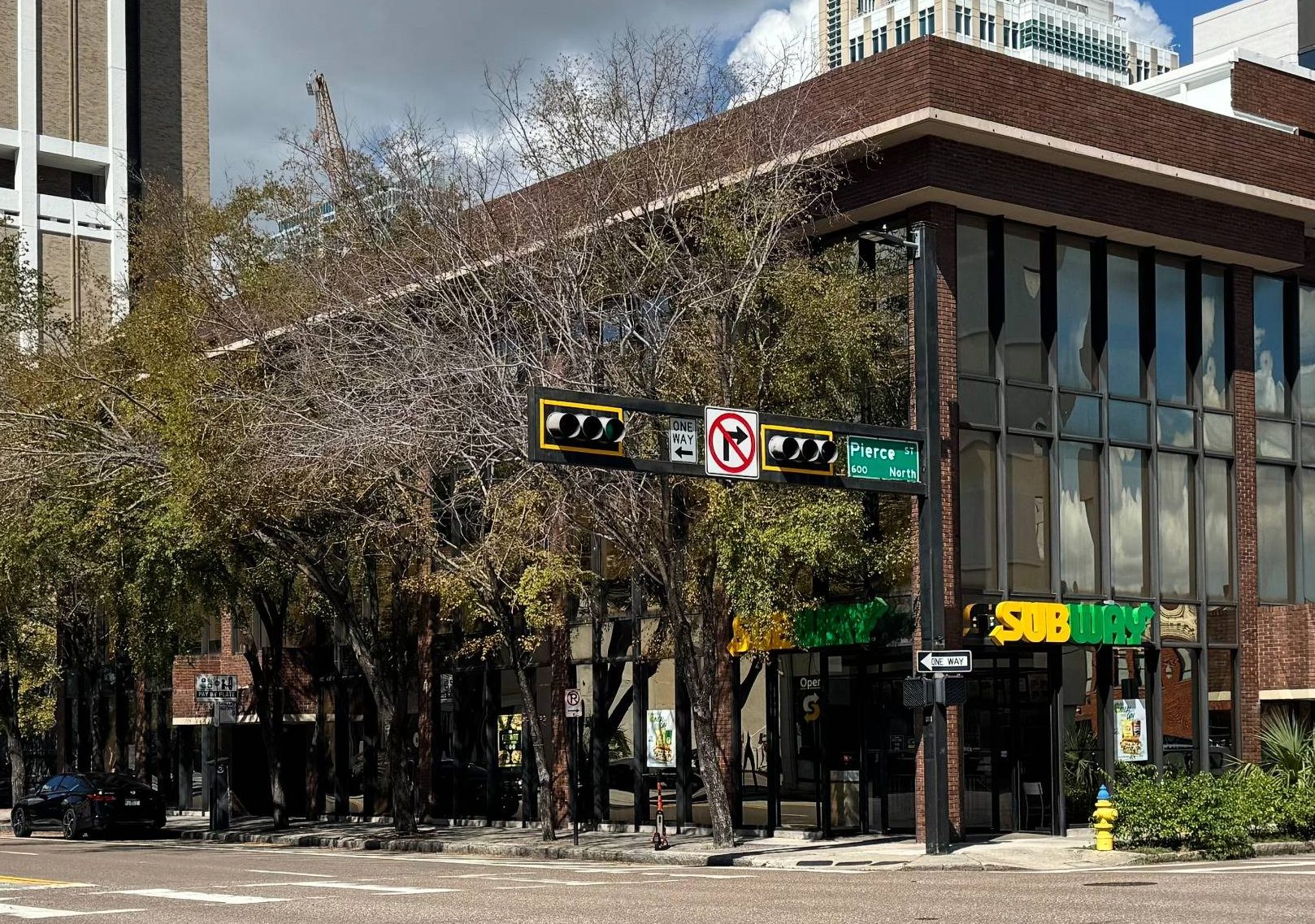
Tampa, FL 33602
Contact Us Now
Free Legal Consultation (813) 727-7159