- Free Consultation 24/7: (813) 727-7159 Tap Here To Call Us


From First DUI to Death Penalty



Disqualification of Trial Judge in Tampa, Florida



When you’re facing criminal charges in Tampa or the surrounding areas, the fairness of your trial depends heavily on having an impartial judge. While defendants cannot choose their judge, Florida law allows for judicial disqualification when bias or prejudice could affect a case. Tampa criminal defense attorney Rocky Brancato has more than 25 years of experience protecting defendants’ rights and successfully handling motions to disqualify judges across Hillsborough, Pinellas, and Pasco Counties.
When Can a Florida Judge Be Disqualified?
Under Rule 2.330 of the Florida Rules of General Practice and Judicial Administration and Section 38.10, Florida Statutes, a judge must step aside if their impartiality might reasonably be questioned. Common grounds include:
- A reasonable fear that the judge is biased or prejudiced.
- The judge, spouse, or close relative has a financial interest in the outcome.
- The judge or relative is a party, lawyer, or material witness in the case.
- The judge previously served as a prosecutor, defense lawyer, or lower-court judge in the same case.
- The judge has personal knowledge or bias concerning disputed facts.
These laws protect the fairness of Florida’s criminal justice system and ensure that every defendant receives a fair trial.
Recognizing Judicial Bias
A motion to disqualify does not require proof of open hostility or bias. The question is whether a reasonable person would fear they cannot receive a fair trial. See Foy v. State, 818 So. 2d 704 (Fla. 5th DCA 2002). Even the appearance of bias can be enough for disqualification. See Rogers v. State, 630 So. 2d 513 (Fla. 1994); Hewitt v. State, 839 So. 2d 763 (Fla. 4th DCA 2003). A well-written motion will objectively explain why this fear is reasonable.
Why Many Lawyers Hesitate—and Why We Don’t
Some defense attorneys hesitate to file a motion to disqualify out of concern it might strain their relationship with the court. At The Brancato Law Firm, P.A., we believe professionalism and advocacy can coexist. Attorney Rocky Brancato has filed numerous motions to disqualify throughout his career. Judges are trained to respect these motions and understand that they are part of ensuring justice. In fact, many cases have improved after a fair-minded reassignment.
Filing a Motion to Disqualify a Judge
Timing is crucial. Florida law requires that a motion to disqualify be:
- In writing,
- Sworn to by the defendant,
- Filed promptly, and
- Served on the judge with a certification of good faith.
If a judge fails to rule within 30 days, the motion is automatically granted, and the case is reassigned through the blind rotation process used by the Clerk of Court in Hillsborough County.
Strategy in Filing Motions
Strategic judgment plays a major role in when to file. Under Rule 2.330(i), you generally cannot disqualify a successor judge unless they admit bias. Therefore, filing prematurely can limit your future options. A seasoned attorney will know when the motion strengthens your case and when it should be reserved for later.
Real Cases Where Judges Were Disqualified
Florida appellate courts have granted disqualification in cases such as:
- Pierce v. State, 873 So. 2d 618 (Fla. 2d DCA 2004): Judge threatened harsher punishment if the defendant appealed.
- Roberts v. State, 840 So. 2d 962 (Fla. 2002): Judge held private communications with one side.
- Livingston v. State, 441 So. 2d 1083 (Fla. 1983): Bias toward an attorney affected the client.
- Roy v. Roy, 687 So. 2d 956 (Fla. 5th DCA 1997): Derogatory comments about a party.
- Lewis v. State, 530 So. 2d 449 (Fla. 1st DCA 1988): Judge predetermined sentencing.
- Suarez v. Dugger, 527 So. 2d 190 (Fla. 1980): Public comments to the press about the case.
However, disliking a judge’s rulings is not enough for disqualification. See Thompson v. State, 759 So. 2d 650 (Fla. 2000).
What Happens After a Judge Is Disqualified?
When a motion is granted, a new judge is assigned by random rotation. If previous rulings from the disqualified judge are contested, your attorney must file a motion for reconsideration within 30 days. Having experienced legal counsel ensures that all deadlines and procedural steps are handled effectively.
What If the Motion Is Denied?
If the motion is denied, you can seek review by filing a writ of prohibition with the Florida Second District Court of Appeal. This writ prevents the disqualified judge from continuing to preside over the case. In death penalty cases, review may go directly to the Florida Supreme Court. The appellate court reviews such motions de novo, meaning it re-examines the issue without deference to the trial court.
Why Choose The Brancato Law Firm, P.A.?
A biased judge can alter the outcome of a case. At The Brancato Law Firm, P.A., we bring a combination of experience, strategy, and persistence to every motion and trial. Attorney Rocky Brancato has more than 25 years of experience in criminal defense and has handled complex cases from judicial disqualification to death penalty litigation. Our firm’s reputation is built on fairness, preparation, and unwavering advocacy.
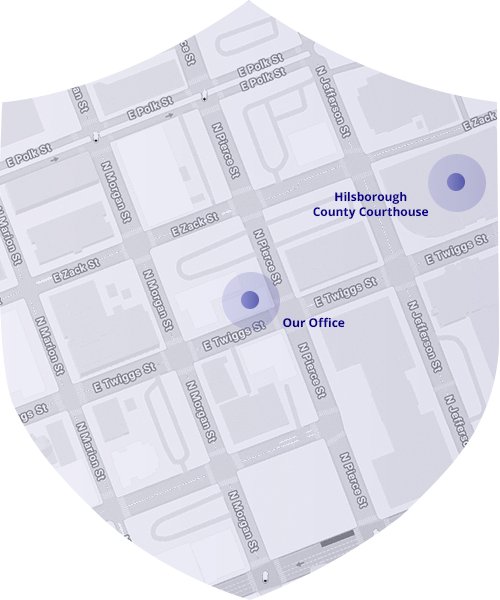
Call (813) 727-7159 today or visit us at 620 E Twiggs Street, Suite 205, Tampa, FL 33602, to schedule a confidential consultation.
Frequently Asked Questions About Judge Disqualification in Florida
What is a motion to disqualify a judge in Florida?
A motion to disqualify asks for a new judge when there is a reasonable fear that the current judge cannot remain impartial. Florida law allows this motion when personal bias, prior involvement, or a conflict of interest could affect fairness.
How long does a judge have to rule on a motion to disqualify?
Under Rule 2.330, a judge has 30 days to rule on the motion. If the judge fails to respond in that time, the motion is automatically granted, and the case is reassigned to a new judge through a random rotation system.
Can you appeal if your motion to disqualify is denied?
Yes. If the motion is denied, you can file a writ of prohibition with the appellate court. This writ prevents the original judge from continuing to handle the case if the appellate court agrees that disqualification is warranted.
Does filing a motion to disqualify hurt your case?
No. Judges are trained to handle disqualification motions professionally and not take them personally. A strong, fact-based motion protects your right to a fair trial without harming your standing in court.
Should I hire a lawyer for a judicial disqualification motion?
Absolutely. Disqualification motions are highly technical and time-sensitive. Attorney Rocky Brancato and The Brancato Law Firm, P.A. know how to draft, file, and argue these motions effectively to safeguard your right to an impartial judge.
Visit Us

Tampa, FL 33602
Contact Us Now
Free Legal Consultation (813) 727-7159