- Free Consultation 24/7: (813) 727-7159 Tap Here To Call Us




What Is a First Degree Felony in Florida?


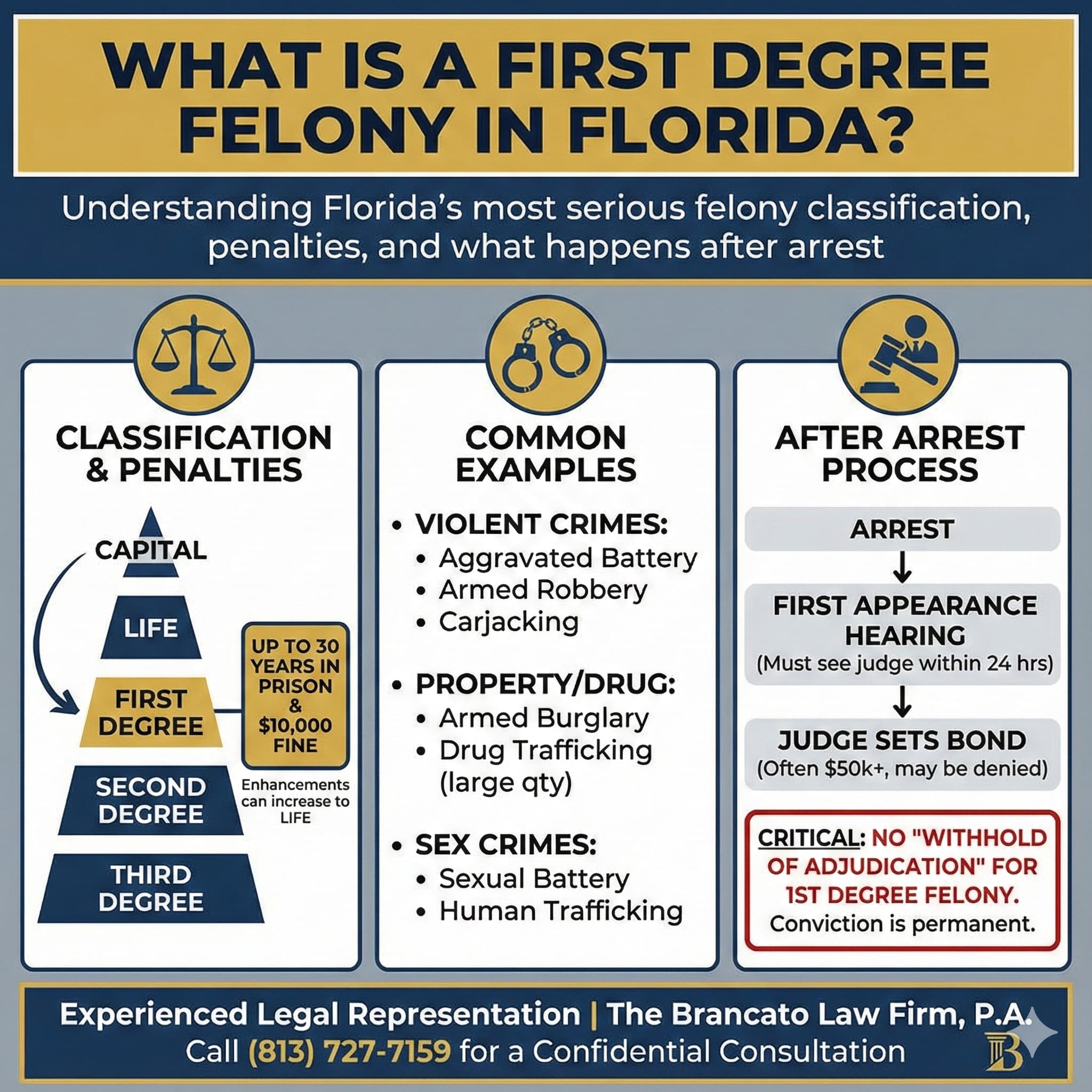
Understanding Florida’s most serious felony classification, penalties, and what happens after arrest
| ✓ THE SHORT ANSWER A first degree felony is the most serious category of standard felony in Florida. Only capital felonies and life felonies are more severe. Standard penalty: Up to 30 years in prison and a $10,000 fine. Enhancements (firearms, prior record) can increase this to life. |
What Is a First Degree Felony in Florida?
If you or someone you love has been charged with a first degree felony, you’re facing one of the most serious criminal charges in Florida. Therefore, understanding what this classification means is the first step toward building a defense.
In Florida’s criminal justice system, the state classifies felonies by degree, with first degree being the most serious standard felony. As a result, the degree directly determines the maximum penalties a judge can impose.
Florida’s Felony Classification System
| Classification | Maximum Prison | Maximum Fine |
| Third Degree Felony | 5 years | $5,000 |
| Second Degree Felony | 15 years | $10,000 |
| First Degree Felony | 30 years | $10,000 |
| Life Felony | Life in prison | $15,000 |
| Capital Felony | Death or Life | N/A |
Common Examples of First Degree Felonies
First degree felonies typically involve significant harm—or significant potential for harm—to victims and the community. Below are some common examples:
Violent Crimes
- Aggravated battery (causing great bodily harm or using a deadly weapon)
- Armed robbery (robbery with a firearm or deadly weapon)
- Carjacking
- Kidnapping
- Attempted murder / Second degree murder
Property and Drug Crimes
- Burglary with assault or battery
- Armed burglary (entering dwelling while armed)
- Grand theft over $100,000
- Drug trafficking (large quantities of controlled substances)
- Arson of occupied structure
Sex Crimes
- Sexual battery (with certain aggravating factors)
- Lewd molestation of child under 12
- Human trafficking
What Happens After a First Degree Felony Arrest
If you are arrested for a first degree felony, you will not simply walk out on a standard bond. Instead, you must appear before a judge at a first appearance hearing before the judge can set your bond.
| FIRST APPEARANCE HEARING Under Florida law, you must be brought before a judge within 24 hours of arrest. At first appearance, the judge will: • Inform you of the charges against you • Determine whether probable cause exists for your arrest • Set bond (or deny bond in certain cases) • Appoint counsel if you cannot afford an attorney For first degree felonies, judges typically set substantial bond amounts—often $50,000 or higher depending on the charge. Moreover, in cases involving violence or flight risk, the judge may deny bond entirely. |
Importantly, having an attorney present at first appearance can make a significant difference in whether the judge grants bond and at what amount.
Adjudication vs. Withhold of Adjudication
If you resolve a first degree felony case through a plea or trial, you need to understand the critical difference between adjudication and withhold of adjudication.
| ADJUDICATION VS. WITHHOLD: WHAT’S THE DIFFERENCE? Adjudication of Guilt: The court formally convicts you. This creates a permanent felony conviction on your record. As a result, you lose civil rights (voting, firearms), and you cannot seal or expunge the conviction. Withhold of Adjudication: The judge finds you guilty but does not formally convict you. Consequently, you avoid some collateral consequences, and in some cases, you may later qualify to seal your record. Critical: Under Florida Statute § 775.08435, the court CANNOT withhold adjudication on any first degree felony. There are no exceptions. To avoid a formal conviction, you must first negotiate a charge reduction to a second or third degree felony—then a withhold becomes possible. |
Therefore, when facing a first degree felony, an experienced defense attorney focuses on negotiating a charge reduction or pursuing a diversion program. Once the charge drops to a second or third degree felony, a withhold of adjudication becomes available—significantly reducing the long-term impact on your life.
When Penalties Exceed 30 Years
While 30 years is the standard maximum for a first degree felony, certain circumstances can dramatically increase this penalty:
- 10-20-Life law: Crimes committed with firearms carry mandatory minimums of 10, 20, or 25 years to life
- Prison Releasee Reoffender: Committing a first degree felony within 3 years of release can carry mandatory life
- Habitual Felony Offender: Prior felony convictions can increase the maximum to life imprisonment
For more information, see our guide: Florida’s 10-20-Life Law and Sentence Enhancements
Frequently Asked Questions
What is a first degree felony in Florida?
A first degree felony is the most serious standard felony classification in Florida, punishable by up to 30 years in prison and a $10,000 fine. Only life felonies and capital felonies carry more severe penalties.
How much prison time for a first degree felony in Florida?
The maximum is 30 years. However, actual sentences depend on Florida’s sentencing guidelines, prior criminal history, and whether enhancements apply. As a result, some first-time offenders may receive probation while others face decades in prison.
Can you get bond for a first degree felony?
Yes, but you must first appear before a judge at a first appearance hearing. Judges typically set bond amounts for first degree felonies at $50,000 or higher. Additionally, in cases involving violence or flight risk, the judge may deny bond entirely.
What’s the difference between a first degree felony and a life felony?
A first degree felony carries up to 30 years, whereas a life felony carries up to life in prison. Florida reserves life felonies for the most serious offenses, such as certain sexual batteries and drug trafficking involving large quantities.
Can a first degree felony be reduced?
Yes. Through plea negotiations, prosecutors may reduce charges to second or third degree felonies, or even misdemeanors in some cases. Ultimately, the possibility depends on the evidence, circumstances, and prosecutorial discretion.
Can you get a withhold of adjudication for a first degree felony?
No. Under Florida Statute § 775.08435, the court cannot withhold adjudication on any first degree felony—there are no exceptions. However, an experienced attorney can negotiate a charge reduction to a second or third degree felony, which then opens the door to a withhold. This strategy avoids formal conviction and preserves your civil rights.
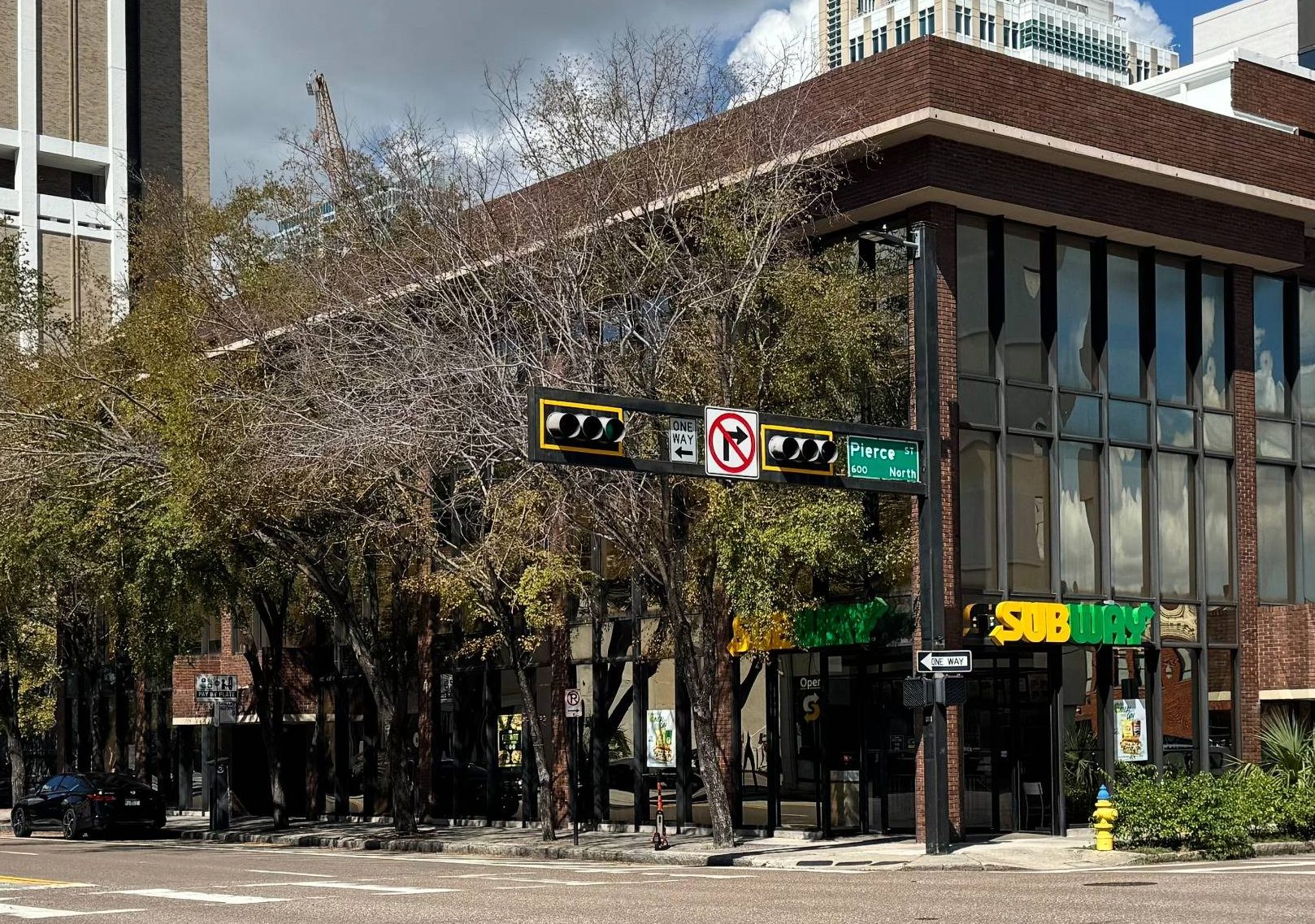
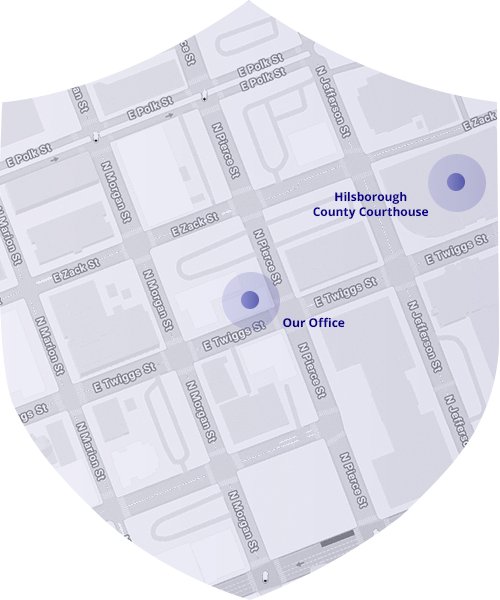
| Charged with a First Degree Felony? A first degree felony charge puts your freedom, your future, and your family at stake. You need an experienced criminal defense attorney who can fight for bond, challenge the evidence, negotiate with prosecutors, and pursue the best possible outcome. Call (813) 727-7159 for a Confidential Consultation The Brancato Law Firm, P.A. 620 E. Twiggs Street, Suite 205, Tampa, FL 33602 |
| ABOUT ATTORNEY ROCKY BRANCATO With over 25 years of criminal defense experience, Tampa, attorney Rocky Brancato has defended clients facing first degree felonies and other serious charges. As former Chief Operations Officer of the Hillsborough County Public Defender’s Office, he understands how prosecutors build these cases—and how to fight them. |
Related:
Visit Us
Suite #205
Tampa, FL 33602
Contact Us Now
Free Legal Consultation (813) 727-7159