- Free Consultation 24/7: (813) 727-7159 Tap Here To Call Us




The Paper Trail Defense


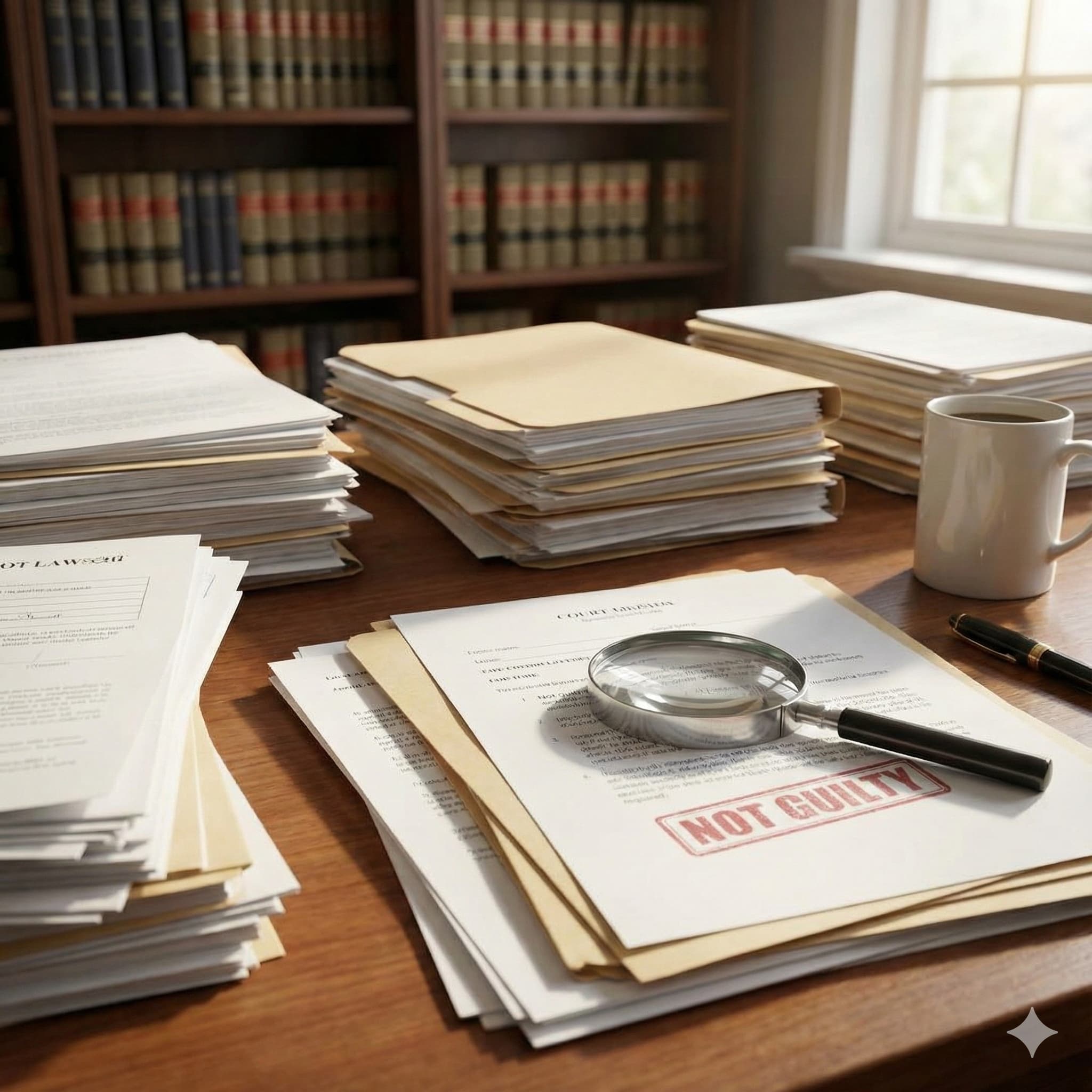
A Tampa Criminal Defense Case Study
By Rocky Brancato
Early in my career, I tried a case that taught me a lesson I still carry today: never accept the narrative that police and prosecutors present at face value. Although the case made headlines across Florida, and although the State’s theory seemed airtight, I discovered something important when I dug deeper. As a young attorney facing witnesses who thought they could push me around, I learned that thorough investigation changes everything.
To this day, every time I feel tempted to cut corners—to believe the story the State tells without digging deeper—I think about this case and what thorough investigation revealed.
The Case That Made Headlines
My client sat in a Correctional Institution in the Florida Panhandle, serving two life sentences plus 55 years. Years earlier, a Broward County jury had convicted him of a violent crime. Consequently, he faced spending the rest of his life behind bars.
Then something strange happened. The Florida Department of Corrections notified the original prosecutor that my client would soon walk free. According to prison records, court orders had dramatically reduced his sentences. As a result, with credit for time served, he would leave prison in a matter of months.
The prosecutor reacted with shock. After checking with the court, he discovered that no judge had ever granted such a sentence reduction. Therefore, he concluded that someone had forged the documents in the prison’s possession.
News organizations across the state picked up the story. Headlines announced that a dangerous inmate had nearly “forged his own release.” Meanwhile, the prosecutor gave interviews portraying himself as the hero who caught the scheme. Subsequently, authorities charged my client with attempted escape, and he faced an additional 30 years in prison.
That’s when I got the case.
The State’s Theory
The prosecution’s theory seemed simple and convincing: my client had forged court documents and submitted them to the prison to secure his release. After all, he had a history of forgery. Moreover, he was intelligent and desperate. Therefore, case closed—or so they thought.
When reporters asked how the Department of Corrections had accepted the documents, officials responded confidently: “We followed procedures. The order was verified.”
That statement immediately caught my attention. If officials had verified the documents, I wanted to know exactly how they had done so.
Reconstructing the Paper Trail
I went to work immediately. Because this happened before electronic filing became standard, court orders arrived at prisons by mail, on paper. If my client had forged these documents, I needed to understand exactly how they had entered the system.
First, I took depositions from everyone involved. I questioned the Department of Corrections personnel who had received and processed the documents. Next, I deposed the judge whose signature appeared on the orders. Finally, I deposed the prosecutor who had made headlines claiming to have caught the scheme.
Throughout this process, I meticulously followed the paper trail. What I discovered surprised even me:
- Officials logged the documents into the prison’s official mail system. The Department of Corrections maintained logs for all incoming mail, with a separate log for official court documents. Notably, these orders appeared on the official log.
- The documents originated from the court—not a random address. In other words, no one had mailed them from some outside location. Instead, they arrived through official channels, originating from the Broward County courthouse.
- The clerk of court had clocked in the documents. As a result, the court system contained a record of them.
- The signature matched the judge’s handwriting. Importantly, no one disputed this fact. The signature on the documents looked consistent with the judge’s authentic signature.
| The Impossible Logistics Consider the geography: my client sat in a cell in the far northwest corner of the Florida Panhandle. Meanwhile, the documents originated from Broward County in South Florida—hundreds of miles away. They traveled through official court channels, clerks logged them at the courthouse, and they arrived at the prison through official mail. Given these facts, how exactly could a man serving life in a maximum security prison have orchestrated this from inside his cell? |
The Fingerprint in the Clerk’s File
After I had reconstructed the paper trail and demonstrated verification at each level, the State produced another piece of evidence: they claimed my client’s fingerprint appeared on the order.
However, here was the critical problem: the fingerprint allegedly appeared on the document sitting in the actual clerk of court’s file in Broward County.
Think carefully about what this means. My client remained incarcerated in a maximum security prison in the Panhandle. Meanwhile, the document with his alleged fingerprint sat in the clerk’s file at the Broward County courthouse, hundreds of miles away. When exactly did he touch it? More importantly, how could he possibly have touched it?
At trial, I challenged the fingerprint examiner directly. The examiner could not adequately demonstrate the methodology—specifically, he could not show the jury exactly why this print matched my client and could not have come from anyone else. Consequently, the science did not hold up under scrutiny.
But even setting aside the examiner’s problems, the logistics made no sense. If my client had forged this document from inside prison, how did it end up in the official court file with his print on it? Either he had outside help—or the document was not a forgery at all.
Two Possibilities
I deliberately avoided arguing that the document was or was not authentic. I did not need to make that argument. Instead, I showed the jury that the State’s theory—that my client had forged these documents from inside a prison cell—simply did not add up.
Consider what I demonstrated: the documents came through official channels, clerks logged them at every checkpoint, the signature matched the judge’s handwriting, and they ended up in the official court file.
Given these facts, only two possibilities existed: either this involved an inside job with people who had access to the court system, or the judge had actually signed the order.
Either way, the State had not proven beyond a reasonable doubt that my client—locked in a cell hundreds of miles away—had forged anything.
The Hanging Chad Defense
The trial took place in Pensacola, in the conservative Florida Panhandle. Significantly, it occurred not long after the 2000 presidential election—the election that came down to Florida, to Broward County, and to hanging chads.
The whole country had just watched Broward County officials bungle one of the most important elections in American history. People remembered the butterfly ballots, the dimpled chads, and the recounts that never seemed to end. For months, South Florida bureaucrats had served as a national punchline.
Now the State asked a conservative Pensacola jury to trust that those same South Florida officials had correctly identified a forgery. Keep in mind, the documents had traveled through official channels, bore an authentic-looking signature, passed verification at every checkpoint, and sat in the official court file.
| These documents came through official channels. Clerks logged them at the courthouse. Prison officials verified them. The signature matched. They sit in the official court file. Yet now we’re supposed to believe that a man locked in a cell hundreds of miles away forged them? The same county that couldn’t count ballots wants you to trust they got this right. |
The Witness Who Underestimated Me
I was a young attorney at the time. The State called two prosecutors from Fort Lauderdale to testify—the prosecutor who had made headlines for catching the scheme, and a chief assistant state attorney.
During my cross-examination of the chief assistant, he tried to belittle me. In front of the jury, he attempted to “mentor” me on how I was asking questions. He seemed to think he could push around the young defense attorney and score points with the jury in the process.
He was wrong.
I had done the work. The depositions were completed. I had reconstructed the entire paper trail. I knew every detail of how those documents had traveled through the system. His condescension did not change the facts—and the facts did not support the State’s theory.
The Verdict
The jury returned with their verdict: Not guilty.
No one ever publicized the verdict. I felt satisfied with the result, and reaching out to the media would not have benefited my client. The headlines had called him a forger who nearly escaped. The quiet verdict told a different story.
The jury found reasonable doubt because I showed them that the State’s theory required believing something that made no sense. They did not need to decide whether the judge had signed the order or whether someone else had helped. They simply needed to see that the State had not proven my client did it.
The Lesson I Carry to This Day
This case taught me to never accept the narrative that police and prosecutors present at face value.
Consider what the State had: a complete theory, newspaper coverage that had already convicted my client, an elected judge as a witness, and an experienced prosecutor who had made himself the hero of the story. Everything seemed wrapped up neatly.
However, when I did the work—when I deposed everyone, followed every document, and reconstructed every step of the chain—the “airtight” case fell apart completely.
To this day, every time I feel tempted to cut corners, every time I feel tempted to believe the story the State tells without digging deeper, I think about this case. I remember what thorough investigation revealed. And then I do the work.
| The Defense Lesson Never believe the narrative at face value. Reconstruct everything. Depose everyone. Follow the paper trail meticulously. If the State’s theory requires something impossible, show the jury why it cannot be true. And never let anyone’s condescension or reputation intimidate you—especially when you’ve done the work. |
What This Means for You
If you face criminal charges, the State will present a theory. They will have evidence. They may have witnesses who seem credible and experts who seem authoritative. The newspapers may have already decided you are guilty.
Nevertheless, theories can be challenged. Evidence can be scrutinized. Witnesses can be cross-examined effectively. And when an attorney commits to doing the hard work of investigation and preparation, cases that seem impossible to win can indeed be won.
That lesson has guided my practice for over 25 years. I learned it as a young attorney in a Pensacola courtroom, facing a witness who thought he could push me around.
He was wrong. And the jury agreed.
About the Author
Tampa Criminal Defense Attorney Rocky Brancato is the founding attorney of The Brancato Law Firm, P.A., a criminal defense practice in Tampa, Florida. With more than 25 years of experience—including service as Chief Operations Officer of the Hillsborough County Public Defender’s Office—Rocky has built a career on the principle that thorough investigation wins cases. He has tried hundreds of cases and continues to apply the lessons from cases like this one to every client he represents.
| Facing Criminal Charges? Call (813) 727-7159 The Brancato Law Firm, P.A. | Tampa, Florida |
Related Articles
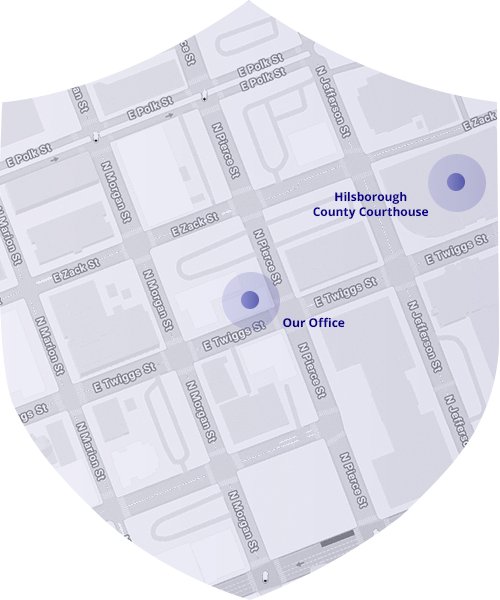
Visit Us
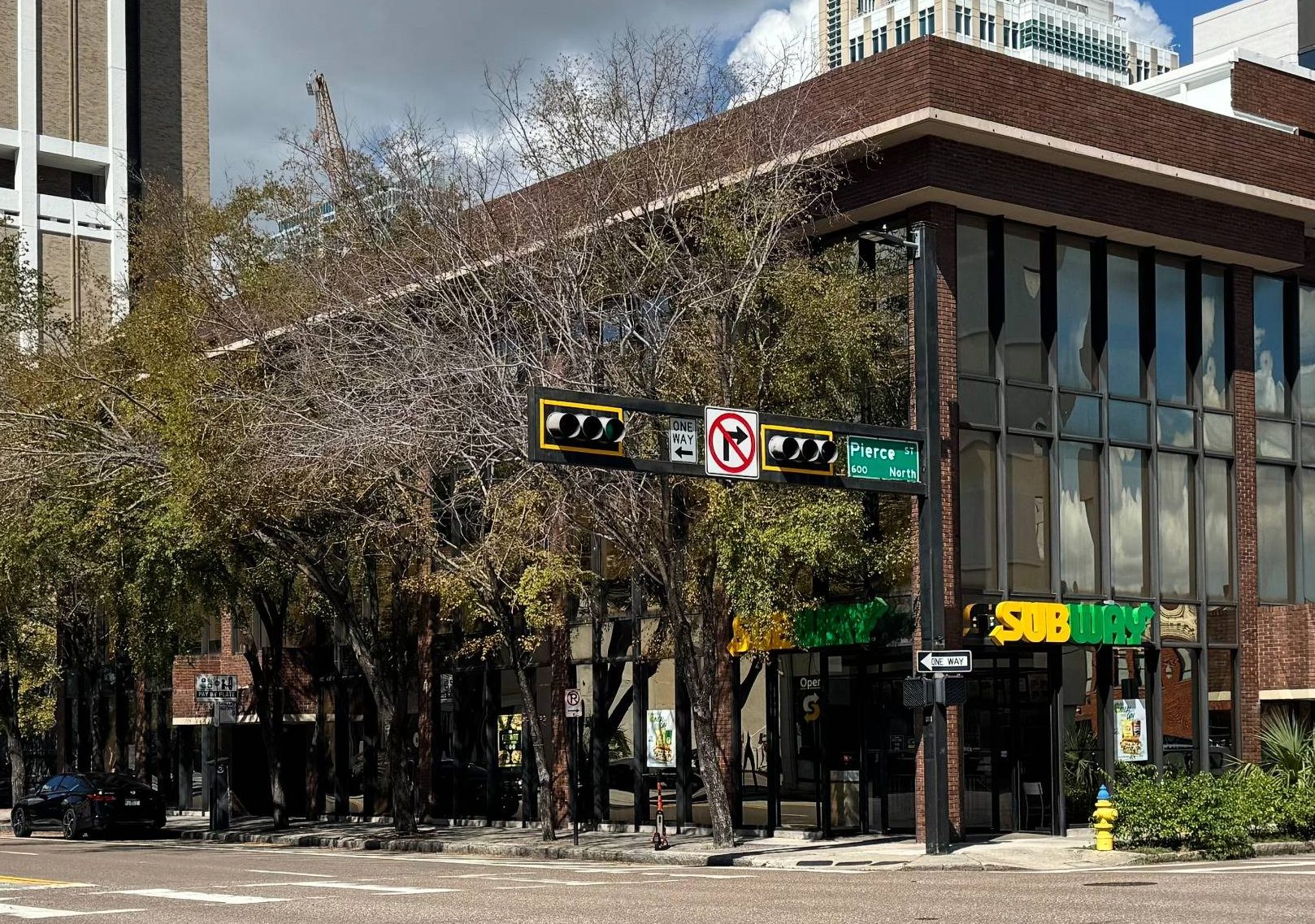
Suite #205
Tampa, FL 33602
Contact Us Now
Free Legal Consultation (813) 727-7159