- Free Consultation 24/7: (813) 727-7159 Tap Here To Call Us




When Police Destroy Evidence, They Do Not Get the Benefit of the Doubt


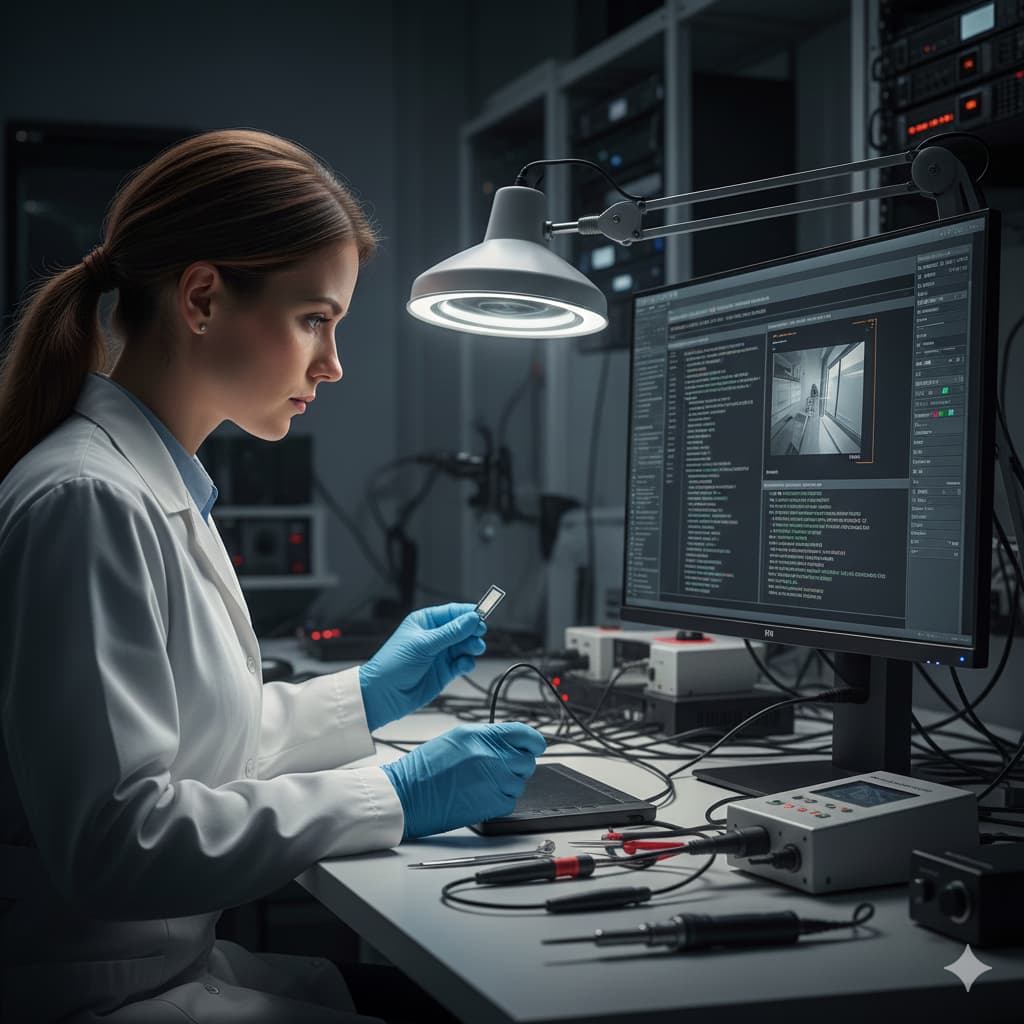
How a Data Recovery Expert Proved Police Mishandled Video Evidence in a Murder Case
Not every forensic expert finds evidence that helps the defense. Sometimes, the most powerful testimony is proving that evidence was destroyed—and that the destruction was the state’s fault.
When police mishandle evidence, the jury does not get to see what that evidence showed. But the jury does get to know that the evidence existed, that the police had it, and that the police destroyed it through carelessness or incompetence.
In this second-degree murder case, a surveillance video could have shown exactly what happened during a fatal fight. The police had that video. They watched part of it. And then they destroyed it. A forensic data recovery expert proved it—and that proof contributed to a not guilty verdict. I am Tampa Criminal Defense Attorney Rocky Brancato. This post is part of our forensic series put out by the Brancato Law Firm, P.A., your Tampa criminal forensic evidence law firm.
| What Is a Forensic Data Recovery Expert? A forensic data recovery expert specializes in retrieving, analyzing, and authenticating digital data from electronic devices. They can recover deleted files, examine storage media for evidence of tampering, and determine whether data was properly preserved. In criminal cases, they can establish whether evidence was handled according to proper forensic protocols—or whether mishandling resulted in the loss of potentially exculpatory evidence. |
The Case: A Fatal Fight and a Missing Video
My client was charged with second-degree murder after a fatal fight with his roommate. The confrontation occurred inside their shared residence, and my client maintained that he acted in self-defense.
There was a surveillance camera in the residence, positioned to point outside a window. Based on its angle and field of view, that camera would have captured critical moments of the fatal encounter.
The police seized the camera. They reviewed some of the footage. They confirmed that it contained video of the incident.
And then they destroyed it through their mishandling.
| What Police Should Have Done vs. What They Did Proper Protocol: Perform a forensic download to create a bit-by-bit copy of all data, preserving the original evidence in its complete state. What Actually Happened: Police “messed around” with the video—manipulating the device without proper forensic preservation—and deleted the footage. |
The Defense Investigation: Proving What Was Lost
We knew from police reports that officers had reviewed the video and confirmed it contained footage of the incident. However, they had not watched everything—and they had not preserved it properly.
We retained a forensic data recovery expert and obtained a court order permitting us to send the surveillance camera to the expert for examination.
The expert’s task was twofold:
- Attempt to recover any remaining video data from the device
- Determine whether the data had been properly preserved or improperly handled
The Expert’s Findings: No Data Remaining
After examining the surveillance camera, the forensic data recovery expert reached a definitive conclusion: there was no remaining data on the device.
The video that police confirmed existed—the video that could have shown exactly what happened during the fatal fight—was gone. Not corrupted. Not partially recoverable. Gone.
The expert could not recover the footage. But that was not the point.
The point was that the police had possessed critical evidence, failed to preserve it properly, and destroyed it through their mishandling. The jury needed to know that.
| What Is Spoliation of Evidence? Spoliation refers to the destruction, alteration, or failure to preserve evidence that is relevant to litigation or a criminal case. When the state destroys evidence—whether intentionally or through negligence—the defense can argue that the jury should draw negative inferences against the prosecution. The logic is simple: if the evidence had helped the state’s case, they would have preserved it. Its destruction suggests it may have helped the defense. |
The Trial Strategy: Two Complementary Defenses
At trial, we presented two complementary defenses:
1. Self-Defense
My client testified that he acted in self-defense during the fatal confrontation with his roommate. Under Florida law, a person has the right to use deadly force if they reasonably believe it is necessary to prevent imminent death or great bodily harm.
2. Police Destruction of Evidence
We called the forensic data recovery expert to testify about what he found—or rather, what he did not find. He explained:
- The proper protocol for preserving digital video evidence
- That police had failed to perform a forensic download
- That their handling of the device resulted in the destruction of the video
- That no data remained on the device
The message to the jury was clear: the state had evidence that could have shown exactly what happened. They destroyed it. Now they want you to convict my client without it.
The Impact on the Jury
The destroyed video created a powerful question in the jurors’ minds: What did that video show?
If the video had shown my client as the aggressor, the police would have preserved it. If it had contradicted his self-defense claim, they would have made sure the jury saw it.
Instead, they destroyed it. And the jury was left to wonder whether that video would have supported my client’s account of what happened.
That doubt—combined with the self-defense testimony—was enough.
| RESULT: NOT GUILTY The jury returned a verdict of not guilty on the second-degree murder charge. The combination of self-defense and the police destruction of evidence created reasonable doubt. |
What This Case Teaches About Evidence Destruction
- Investigate what evidence the police had—and what happened to it. Review police reports carefully for references to evidence that was seized but not produced in discovery.
- Retain a forensic expert even when recovery is unlikely. The expert’s testimony about what should have been done—and what the police failed to do—can be as powerful as the evidence itself.
- Obtain court orders to examine evidence independently. Do not rely on the state’s representation of what evidence shows or does not show.
- Use evidence destruction to support reasonable doubt. When the state destroys evidence, the jury is entitled to wonder what that evidence would have shown—and to hold the destruction against the prosecution.
- Combine evidence arguments with substantive defenses. In this case, evidence destruction supported self-defense—each argument reinforced the other.
Types of Evidence Mishandling That Can Help the Defense
| Type of Mishandling | Defense Argument |
| Failure to Preserve | Evidence existed, police knew it existed, and they failed to preserve it for trial |
| Improper Handling | Police manipulated evidence without following forensic protocols, resulting in contamination or destruction |
| Chain of Custody Gaps | Evidence changed hands without proper documentation, raising questions about tampering or alteration |
| Selective Preservation | Police preserved evidence that helped their case but failed to preserve evidence that might help the defense |
| Delayed Collection | Police waited too long to collect evidence, allowing it to degrade, be overwritten, or disappear |
Frequently Asked Questions
What happens when police destroy evidence?
When police destroy evidence—whether intentionally or through negligence—the defense can argue that the jury should draw negative inferences against the prosecution. The destruction may also support motions to dismiss or for jury instructions that the missing evidence should be presumed favorable to the defense.
What is spoliation of evidence?
Spoliation is the destruction, alteration, or failure to preserve evidence relevant to a case. In criminal cases, when the state commits spoliation, the defense can argue that the destroyed evidence would have been favorable to the defendant.
What is a forensic data recovery expert?
A forensic data recovery expert specializes in retrieving and analyzing digital data from electronic devices. They can attempt to recover deleted files, examine devices for evidence of tampering, and testify about whether evidence was properly preserved according to forensic protocols.
What is a forensic download?
A forensic download is a process that creates a complete, bit-by-bit copy of all data on an electronic device. This preserves the original evidence in its entirety, including deleted files and metadata. Proper forensic protocol requires this type of preservation before any examination of the device.
Can destroyed evidence help my defense?
Yes. When the state destroys evidence, the defense can argue that the evidence would have been favorable to the defendant. A forensic expert can testify about what protocols should have been followed and how the destruction occurred—creating doubt about the thoroughness and fairness of the investigation.
Should I hire a data recovery expert if the evidence is already gone?
Potentially yes. Even when recovery is impossible, a forensic expert can testify about proper evidence handling procedures and how the police deviated from those procedures. This testimony can be powerful evidence of investigative failure that supports reasonable doubt.
Was Evidence Destroyed or Mishandled in Your Case?
Police are supposed to preserve evidence—especially evidence that could help the defense. When they fail to do so, you have the right to hold that failure against them.
For over 25 years, I have defended clients against serious charges in Tampa Bay. I know how to investigate what evidence the police had, determine whether it was properly preserved, and use forensic experts to expose investigative failures that create reasonable doubt.
Call (813) 727-7159 for a Confidential Consultation
The Brancato Law Firm, P.A.
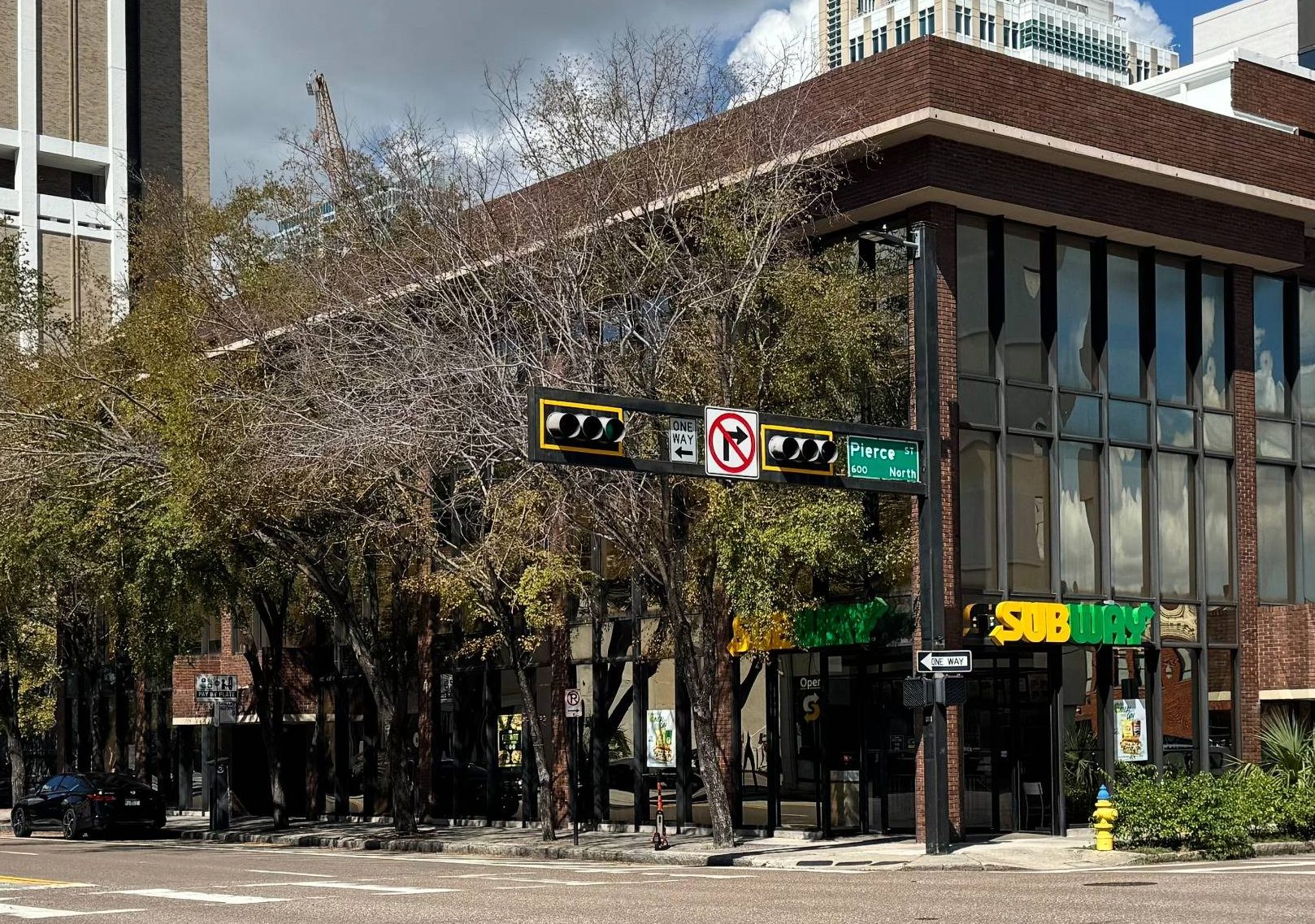
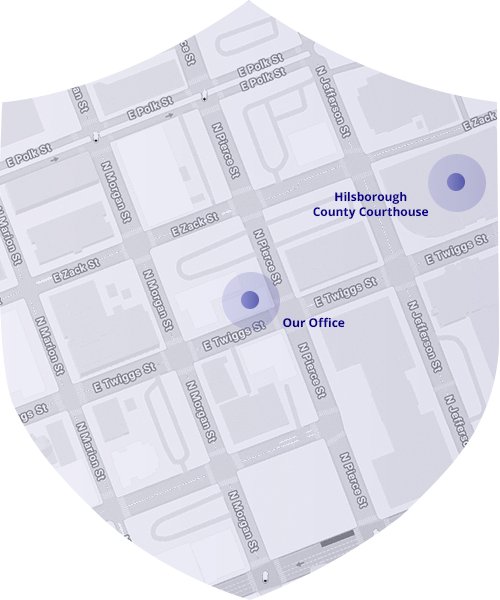
620 E. Twiggs Street, Suite 205, Tampa, FL 33602
Serving Hillsborough, Pinellas, and Pasco Counties
Part of the Forensic Evidence Series
Related Case Studies: DNA Evidence Defense | Aggravated Child Abuse Defense | Forensic Pathologist | Fingerprint Evidence is Not as Reliable as You Think | Cell Phone Location Data Can prove You Were Not There | When Brain Damage Explains Criminal Conduct | Your BAC at the Station is Not Your BAC Behind the Wheel | When a Confession is Not a Confession | When the Car–Not the Driver–Caused the Crash | The Injuries Were Real–But They Were Not From the Alleged Rape | Similar Is not The Same: How a Firearms Expert Kept Out Prejudicial Evidence
Related Pages
Visit Us
Suite #205
Tampa, FL 33602
Contact Us Now
Free Legal Consultation (813) 727-7159