- Free Consultation 24/7: (813) 727-7159 Tap Here To Call Us


From First DUI to Death Penalty



How to Defend Against an Armed Robbery Charge in Florida (2026)



An armed robbery charge in Florida is a first-degree felony. If the state proves you carried a firearm during the offense, Florida’s 10-20-Life statute attaches a 10-year mandatory minimum on top of the underlying sentence. If the firearm was discharged, the floor rises to 20 years. If anyone was injured or killed, the floor is 25 years to life. Only the prosecutor can waive these minimums, which is why the strongest defenses are usually built before charges are even filed. At The Brancato Law Firm, we have secured not-guilty verdicts on armed robbery with a firearm cases (two counts in one trial) where mistaken identity, inconsistent witness testimony, and careful examination of the physical evidence dismantled the state’s case. Each case is unique, and past results do not guarantee future outcomes. The defenses we used in those cases are the same playbook that produces results across Hillsborough, Pinellas, and Pasco Counties when applied early.
This guide covers what the state has to prove, the defenses that actually move the needle, and why the early hours and weeks of a case matter more in armed robbery than almost any other charge.
What Armed Robbery Means Under Florida Law
Robbery is defined in Florida Statute 812.13 as the taking of money or property from a person, by force, violence, assault, or putting the victim in fear, with intent to deprive them of it. The statute then layers the penalty based on what the accused was carrying.
There is a meaningful legal difference between strong-arm robbery, robbery with a weapon, and robbery with a firearm or other deadly weapon. That difference controls the maximum sentence, the mandatory minimum, and whether the case is bondable.
| Charge | Statute | Felony Class | Maximum Sentence | 10-20-Life Applies? |
| Strong-arm robbery (no weapon) | § 812.13(2)(c) | Second-degree felony | Up to 15 years | No |
| Robbery with a weapon (non-firearm, non-deadly) | § 812.13(2)(b) | First-degree felony | Up to 30 years | No |
| Robbery with a firearm or other deadly weapon | § 812.13(2)(a) | First-degree felony punishable by life | Up to life | Yes (firearm) |
| Robbery by sudden snatching | § 812.131 | Third or second-degree felony | Up to 5 or 15 years | No |
| Carjacking with a firearm or deadly weapon | § 812.133 | First-degree felony, life | Up to life | Yes (firearm) |
| Home-invasion robbery with a firearm or deadly weapon | § 812.135 | First-degree felony, life | Up to life | Yes (firearm) |
Moving a case down even one row on this chart can mean a 15-year swing in maximum exposure and removes the 10-20-Life floor entirely. That is what most armed robbery defense work is actually about.
The Elements the State Has to Prove
To convict for armed robbery, the prosecutor must prove every one of the following beyond a reasonable doubt:
- A taking of money or property that could be the subject of theft
- The property was taken from the person or custody of another
- Force, violence, assault, or putting in fear was used in the course of the taking
- Intent to permanently or temporarily deprive the owner of the property
- The accused carried a firearm, deadly weapon, or other weapon during the offense
If the state cannot prove any one of these elements, the charge fails or has to be reduced.
A note on what “carrying” means. The Florida Supreme Court held in State v. Baker, 452 So. 2d 927 (Fla. 1984), that the enhancement attaches to the carrying of the weapon, not the brandishing of it. The weapon does not have to be pointed at anyone. But “carry” still has limits. In State v. Burris, 875 So. 2d 408 (Fla. 2004), the court held that an automobile cannot be “carried” within the meaning of the statute. Edge cases like these are exactly the kind of pressure points a trial-tested defense attorney is looking for.
Why Armed Robbery Triggers Florida’s 10-20-Life Law
Florida Statute 775.087, known as 10-20-Life, was enacted in 1999 and remains the dominant sentencing factor in any armed robbery case involving a firearm. It strips judicial sentencing discretion from the judge.
| Conduct | Mandatory Minimum |
| Possession of a firearm during the felony | 10 years |
| Discharge of the firearm during the felony | 20 years |
| Discharge causing death or great bodily harm | 25 years to life |
| Possession or discharge of a semiautomatic with high-capacity magazine or a machine gun | 15, 20, or 25-to-life |
Three things about this statute make it especially dangerous:
- The mandatory term is in addition and consecutive to the sentence for the underlying robbery.
- The judge has no authority to depart downward once the conviction is entered.
- Only the State Attorney’s Office can waive the minimum. The judge cannot. The defense attorney cannot.
That last point is the entire game. Once a 10-20-Life-eligible armed robbery conviction is in place, the floor is fixed. The leverage point is at charging and at plea negotiation, before the conviction. That is why we treat the first 30 days after an arrest as the most important window of the case.
Defenses That Actually Move the Needle in Armed Robbery Cases
Not every defense is equal. In armed robbery, a handful of defenses produce most of the meaningful outcomes, whether that means dismissal, a not-guilty verdict at trial, or a charge reduction that eliminates the mandatory minimum.
Mistaken Identity and Eyewitness Misidentification
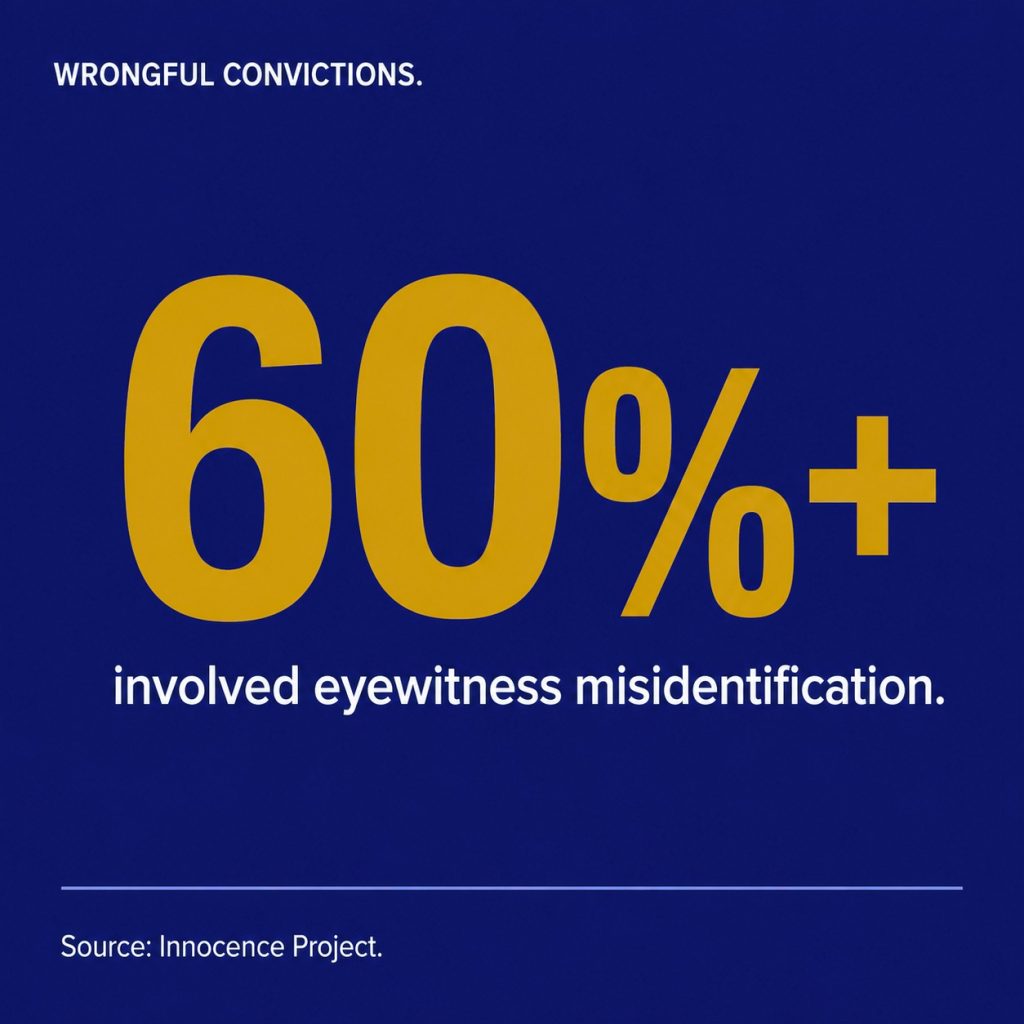
Eyewitness misidentification is the single most attackable evidence type in stranger-on-stranger robbery cases. According to the Innocence Project, more than 60% of their wrongfully convicted clients were convicted in part because of eyewitness misidentification. Earlier DNA-era data put the figure even higher, in the 71 to 75% range.
Florida has officially recognized this risk. In 2017, the legislature passed Florida Statute 92.70, which requires non-participating, blind administration of live and photo lineups. The Florida Supreme Court adopted Standard Jury Instruction 3.9(c) the following year, which directs jurors to weigh nine specific factors when evaluating eyewitness testimony, including the witness’s opportunity to observe, lapses of time, and cross-racial identification effects.
When we challenge an identification, we are usually working on three fronts at once:
- Suppression of any identification obtained through suggestive procedures (showups, single-photo displays, suggestive lineups)
- Cross-examination focused on the conditions of observation, lighting, distance, stress, weapon focus, and the gap between the event and the identification
- The 3.9(c) instruction at trial, which forces the jury to evaluate the identification through the same factors social science has shown to matter
In one armed robbery acquittal we tried, the victim had failed to mention a distinctive arm tattoo when describing the suspect to police. That single omission, paired with cross-examination on the conditions of the identification, was enough to win a not-guilty verdict. Each case is unique, and past results do not guarantee future outcomes.
Alibi Defense
If the accused was not at the scene, that fact has to be developed methodically. Cell-tower records, GPS data, ride-share records, physical surveillance from third-party businesses, and corroborating witness testimony can all place a defendant somewhere other than the alleged crime location. Florida Rule of Criminal Procedure 3.200 requires advance written notice of alibi witnesses, so this defense has to be planned, not improvised.
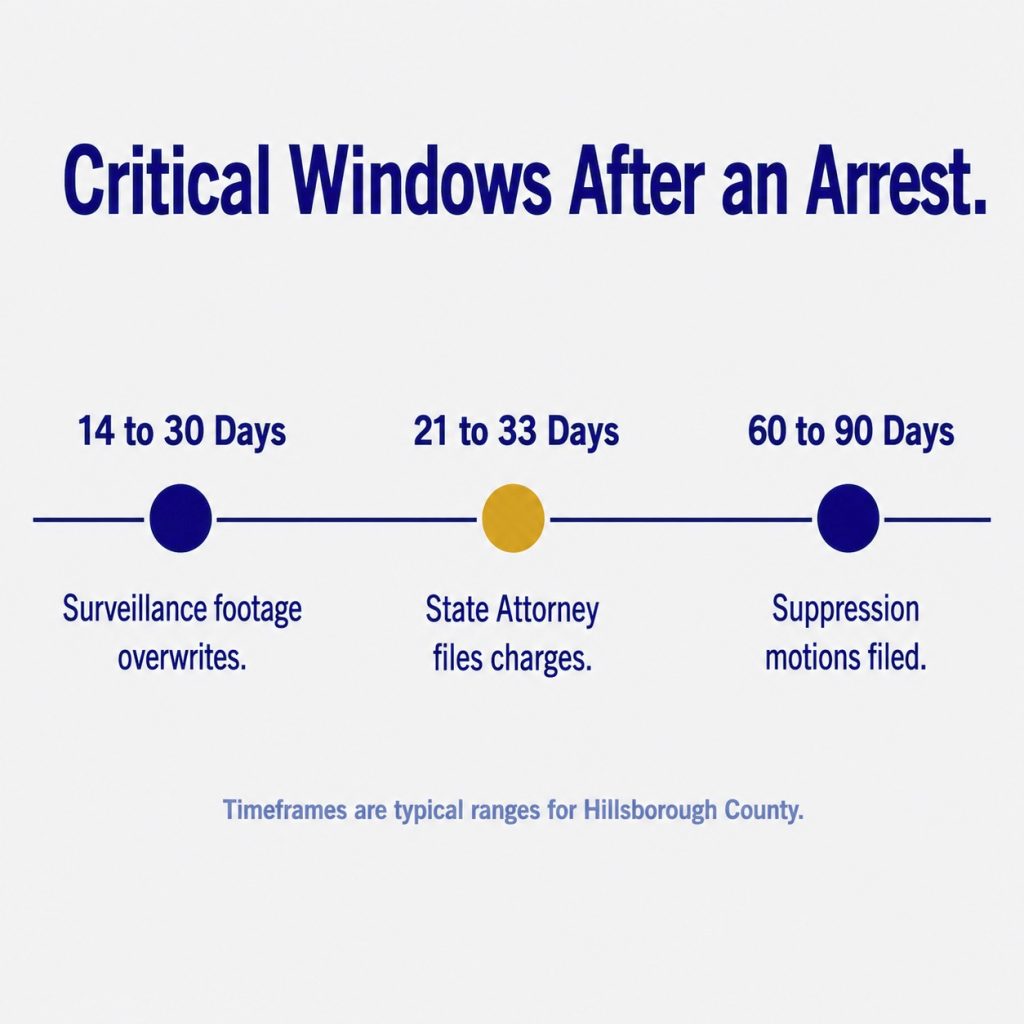
One practical point: most security DVRs overwrite their footage in 14 to 30 days. If alibi video exists at a gas station, restaurant, parking lot, or apartment complex, it has to be preserved fast. That is one of the most concrete reasons early counsel matters in robbery cases.
Challenging the “Weapon” Element
The line between “weapon,” “deadly weapon,” and “firearm” is where many armed robbery cases shift in the defendant’s favor. The legal definitions matter.
- Firearm is defined in Florida Statute 790.001 as a weapon designed to expel a projectile by the action of an explosive, the frame or receiver of such a weapon, a silencer, a destructive device, or a machine gun.
- Weapon is defined as any dirk, knife, metallic knuckles, slungshot, billie, tear gas gun, chemical weapon, or other deadly weapon other than a firearm. A common pocketknife, plastic knife, or blunt-bladed table knife is excluded.
- Deadly weapon is a jury question. A weapon qualifies as deadly if it is used or threatened to be used in a way likely to produce death or great bodily harm.
Florida case law has carved out real defense room here:
- State v. Burris, 875 So. 2d 408 (Fla. 2004): an automobile cannot be “carried” as a deadly weapon.
- Dale v. State, 703 So. 2d 1045 (Fla. 1997): whether an unloaded BB gun is a “deadly weapon” is a jury question, not a foregone conclusion.
- D.D. v. State: when the state could not prove the object was an actual firearm, the conviction was reduced from robbery with a deadly weapon to robbery with a weapon.
- Butler v. State, 602 So. 2d 1303 (Fla. 1st DCA 1992): when the state could not prove the defendant actually possessed a weapon, the appellate court reversed the armed robbery conviction and directed entry of judgment for unarmed robbery.
If the alleged “firearm” was a BB gun, a replica, a toy, or an object that was never recovered, the path from a life-felony charge to a 30-year first-degree felony to a 15-year second-degree felony is open. Each step down removes layers of mandatory time.
Specific Intent Defenses and the “Afterthought” Rule
Robbery is a specific-intent crime. The state has to prove the accused intended to permanently or temporarily deprive the owner of the property at the moment force was used. If force was used for a different reason, and the taking happened only as an afterthought, the charge is theft, not robbery.
The Florida Supreme Court explained the rule in Mahn v. State, 714 So. 2d 391 (Fla. 1998), holding that where property is taken to effect escape after violence motivated by something other than theft, no robbery occurred. DeJesus v. State, 98 So. 3d 105 (Fla. 2d DCA 2012), confirms that defendants are entitled to a special “afterthought” jury instruction when the evidence supports it.
A related defense is claim of right. Florida recognizes that a forcible taking under a bona fide claim of right is not robbery if the accused had a good-faith belief that they owned the property or were entitled to immediate possession of it. This often comes up in disputes over loaned items, drug debts (which present their own complications), and personal property arguments that turn physical.
Constitutional Motions to Suppress
Many armed robbery cases are won on motion practice before they ever reach a jury. Suppressing a single piece of evidence can collapse the case.
- Fourth Amendment. Challenges to the legality of stops, searches, and seizures of clothing, firearms, vehicles, phones, and stolen property. If the firearm was found through an illegal search, it cannot be used at trial.
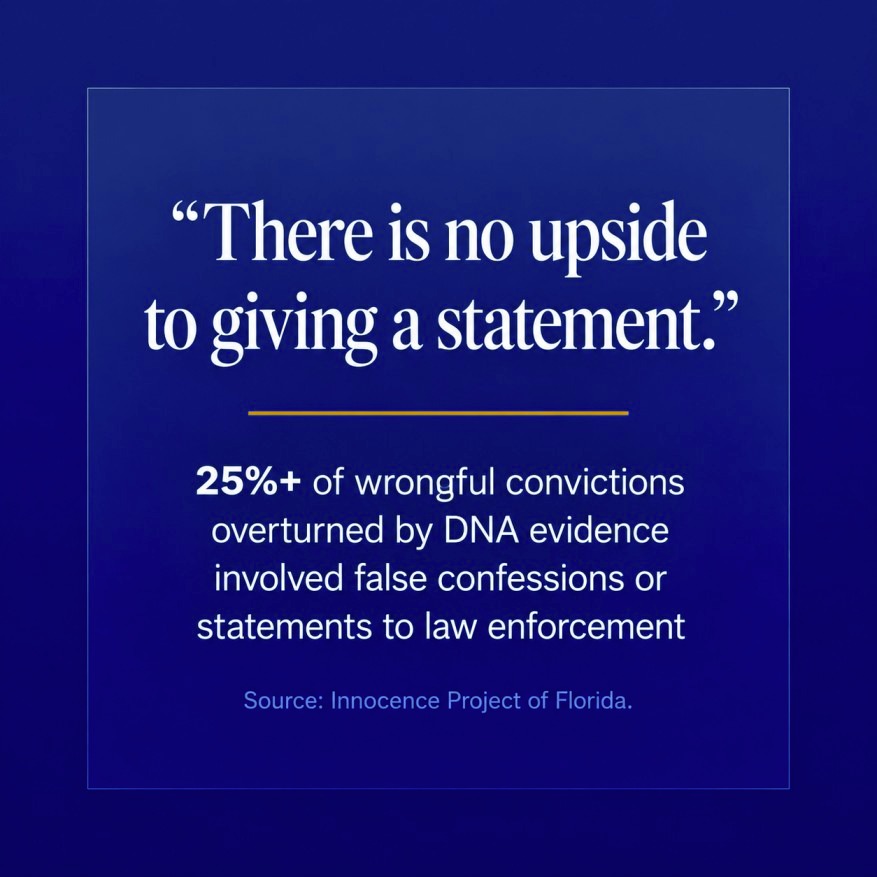
- Fifth Amendment. Challenges to statements made without proper Miranda warnings or under coercive interrogation conditions. The Innocence Project of Florida reports that more than 25% of wrongful convictions overturned by DNA evidence involved false confessions, admissions, or statements to law enforcement.
- Sixth Amendment. Challenges to violations of the right to counsel, including statements taken after the right attached, and Confrontation Clause challenges to surrogate or uncross-examined witness testimony under Crawford v. Washington, 541 U.S. 36 (2004).
When we work an armed robbery case, motions to suppress are usually drafted in the first 60 to 90 days. Suppression of an identification, a confession, or the firearm itself can convert a life-exposure case into a dismissal or a substantially reduced plea.
Duress and Coercion
Duress is available when the accused participated under an imminent and well-grounded threat of serious harm, with no reasonable opportunity to escape. It comes up most often in cases involving co-defendants, gang involvement, or human trafficking situations. It is a narrow defense and requires careful corroboration, but in the right facts it can be decisive.
What Realistic Outcomes Look Like
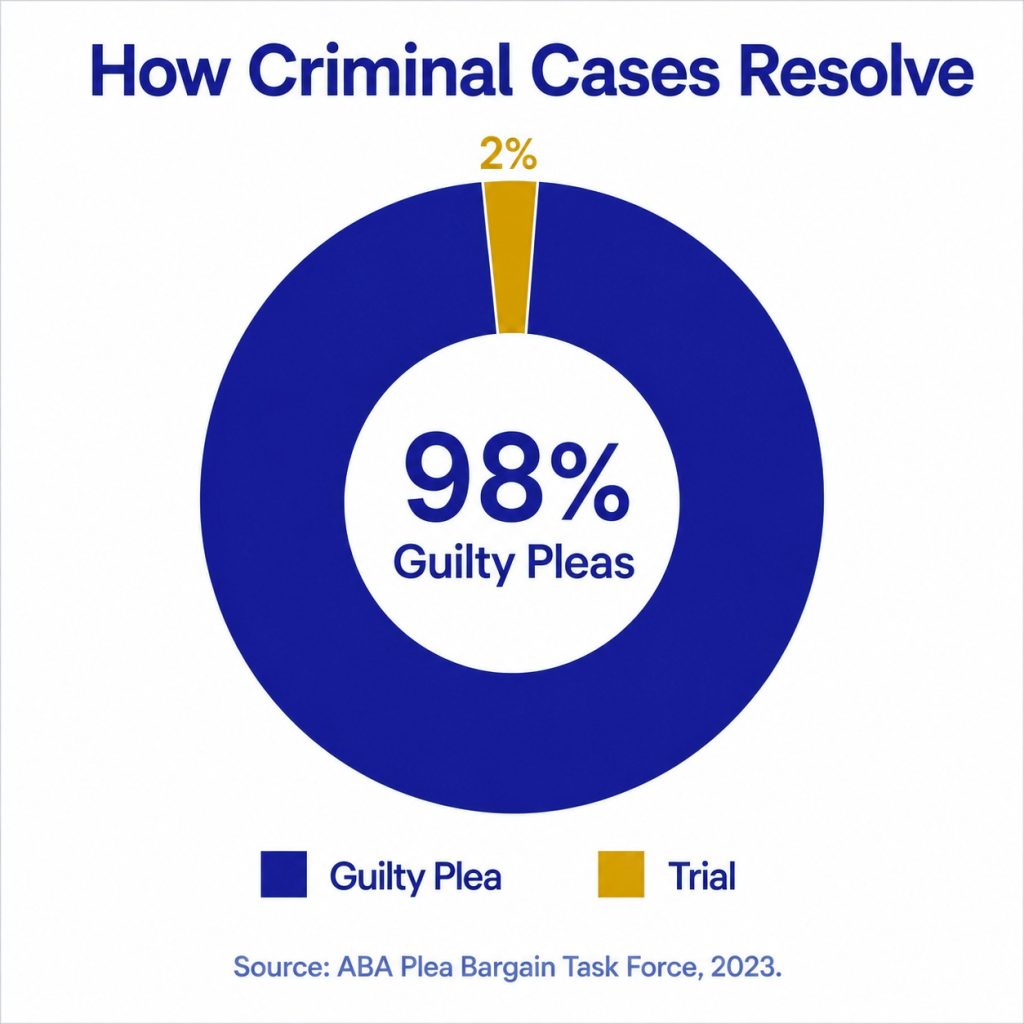
It would be dishonest to write about armed robbery defense without addressing the reality of how these cases actually resolve. According to BJS case-processing data and the ABA Plea Bargain Task Force, the vast majority of felony cases in the United States resolve by guilty plea, not by trial. The ABA Task Force’s 2023 report concluded that nearly 98% of criminal convictions come from guilty pleas.
That statistic should not push anyone into accepting a plea reflexively. Trial-level preparation is what creates the leverage to negotiate something better than the 10-year mandatory floor. Vera Institute research on plea bargaining documents that a real “trial penalty” exists, with custodial sentences imposed at trial running substantially longer than sentences imposed through plea agreements. That trial penalty means trial is a real option only when the case is genuinely defensible. When it is, the defense should be ready.
Realistic outcomes in armed robbery cases generally fall into one of these categories:
- Dismissal through successful motions to suppress or motions to dismiss under Rule 3.190(c)(4), particularly when the firearm or identification is excluded
- Charge reduction to robbery with a weapon (no 10-20-Life), simple robbery, grand theft, or robbery by sudden snatching, restoring judicial sentencing discretion
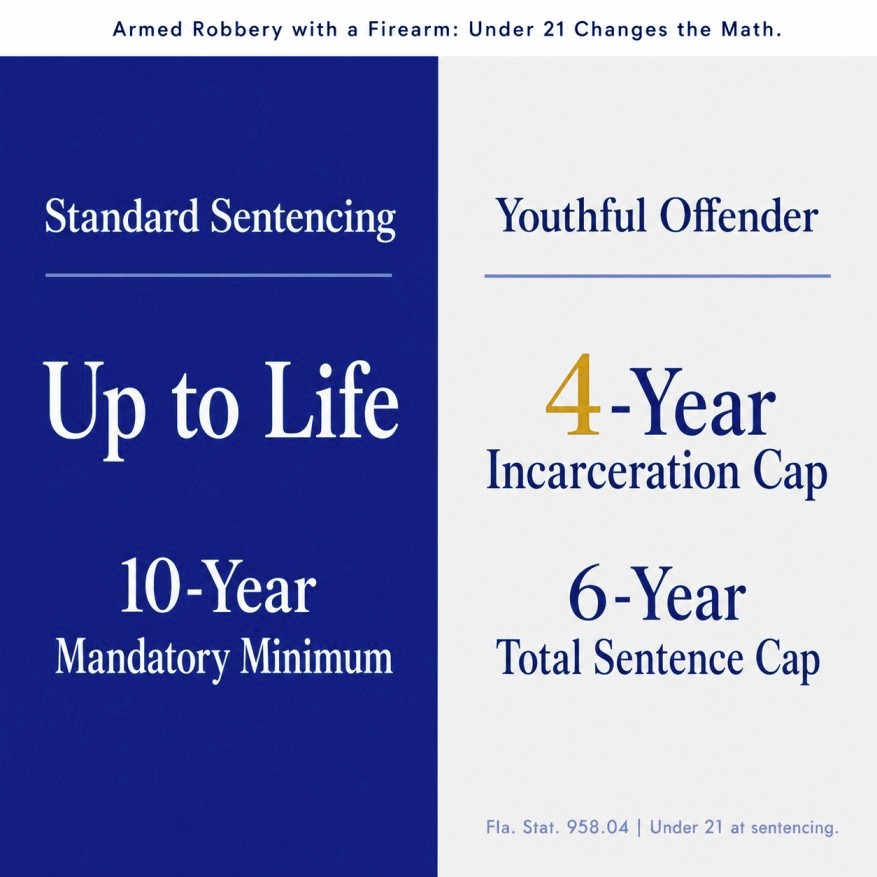
- Youthful Offender sentencing under Florida Statute 958.04 for defendants under 21, capping incarceration at 4 years and the total sentence at 6 years (a critical leverage point we discuss in our overview of Youthful Offender sentencing in Florida)
- Acquittal at trial when the identification, weapon element, or specific intent is genuinely contestable
- Negotiated plea to a non-mandatory disposition when the facts cannot support reduction to a lesser charge but the defense can show pre-trial weaknesses
The Youthful Offender option is worth a special mention. If the accused was under 21 at the time of sentencing, with no prior YO designation, and the conviction is for a non-life felony (which includes robbery with a weapon but not robbery with a firearm sentenced as a life felony), Youthful Offender sentencing allows the prosecutor to waive 10-20-Life entirely. That single statutory tool has changed the trajectory of more young defendants’ lives than almost any other plea-stage move available.
Why Early Attorney Involvement Matters More in Armed Robbery Cases
In most criminal cases, hiring an attorney quickly is helpful. In armed robbery, it is decisive. Here is why.
Pre-file advocacy. Between the arrest and the State Attorney’s filing decision (typically 21 to 33 days), the prosecutor is making the single most consequential decision in the case: what to charge. A defense attorney working that window can present evidence the police did not have, raise legal issues the assigned prosecutor may not have considered, and influence whether the firearm enhancement, the deadly-weapon enhancement, or the case itself is filed.
Evidence preservation. Surveillance video at gas stations, restaurants, and apartments is overwritten in 14 to 30 days. Cell phone data has retention windows. Witnesses’ memories degrade. The first two weeks are when defense investigation is most productive.
Identification challenges. The earlier we get into a case, the more we can do to challenge a suggestive showup, demand a fair lineup procedure, or prevent a contaminated identification from hardening into the witness’s permanent recollection.
The mandatory-minimum problem. Because only the prosecutor can waive 10-20-Life, the negotiation that matters is functionally with the State Attorney’s Office, not the judge. That negotiation is most effective when defense counsel is in early enough to influence the charge before it is filed.
This is the mechanical reason the Tampa Violent Crime Lawyer page and the Tampa Gun Crimes Lawyer page on our website both emphasize 24/7 availability. The first 72 hours after an arrest are when surveillance footage is still recoverable, witnesses are still reachable, and the State Attorney’s filing decision is still in motion.
Frequently Asked Questions
What is the minimum sentence for armed robbery in Florida?
If a firearm was carried during the robbery, the mandatory minimum is 10 years under Florida’s 10-20-Life law. If the firearm was discharged, the minimum is 20 years. If anyone was injured or killed, the minimum is 25 years to life. Only the prosecutor can waive these minimums.
Can a BB gun count as a firearm in Florida armed robbery cases?
Not as a firearm under Florida Statute 790.001, but it can still qualify as a “weapon” or “deadly weapon” depending on the facts. The Florida Supreme Court held in Dale v. State that whether an unloaded BB gun is a deadly weapon is a jury question. If the state cannot prove the object was an actual firearm, the charge often drops from robbery with a firearm (life felony, 10-year mandatory) to robbery with a weapon (first-degree felony, 30-year max, no mandatory).
What if I did not actually have a weapon during the alleged robbery?
If the state cannot prove possession of a weapon, the proper charge is strong-arm robbery (a second-degree felony with a 15-year maximum) or, in some fact patterns, theft. Butler v. State is the key case: the appellate court reversed an armed robbery conviction and directed entry of judgment for unarmed robbery when the state could not prove the defendant actually possessed a weapon.
Can armed robbery charges be reduced or dropped before trial?
Yes, and this is where most of the meaningful defense work happens. Successful motions to suppress (of an identification, a confession, or the firearm) can collapse the case entirely. Charge reductions to robbery with a weapon, simple robbery, or grand theft remove the 10-20-Life floor. Pre-file advocacy can sometimes prevent the firearm enhancement from being filed in the first place.
Should I talk to police if I am being investigated for armed robbery?
No. Invoke your right to remain silent and your right to counsel, and do it clearly and out loud. The Florida Innocence Commission’s data on false confessions, combined with the legal architecture of Miranda, makes this the single highest-leverage decision a person under investigation can make. There is no upside to giving a statement. Wait for an attorney.
How long does an armed robbery case take to resolve in Florida?
Felony defendants are entitled to be brought to trial within 175 days under Florida Rule of Criminal Procedure 3.191. The Florida Supreme Court restructured this rule effective July 1, 2025: the speedy trial clock now starts when formal charges are filed (not at arrest), the recapture period grew from 10 days to 30 days, and recapture is now mandatory in all cases. In practice, armed robbery cases often take 9 to 18 months to resolve, longer if a trial is set.
How The Brancato Law Firm Approaches Armed Robbery Cases
We handle armed robbery cases the way we handle homicide cases: with full forensic preparation from day one. Our managing partner, Rocky Brancato, served as Chief Operations Officer of the Hillsborough County Public Defender’s Office, where he led the largest criminal defense operation in Tampa Bay. He understands charging policies, mandatory-minimum dynamics, and the State Attorney’s filing process from the leadership level. He has tried 150+ jury trials to verdict and is death-qualified, a credential reflecting the rigorous standards required for the most serious criminal matters.
Our published armed robbery results include a not-guilty verdict on armed robbery with a firearm (two counts) where mistaken-identity defense was built around hands-on examination of the evidence and cross-examination of the investigating detectives, and a not-guilty verdict on a separate armed robbery case where we exposed the victim’s failure to mention a distinctive arm tattoo when describing the suspect. Each case is unique, and past results do not guarantee future outcomes.
We ensure every client receives thorough preparation. We provide upfront, flat-fee pricing on every case, with payment plans available. Free, confidential consultations are available 24/7 by phone.
If you or a family member has been arrested for armed robbery, robbery with a firearm, or robbery with a deadly weapon in Hillsborough, Pinellas, or Pasco County, the next 72 hours matter more than the next 72 days. Call (813) 727-7159 for a confidential, no-obligation consultation. We will give you a straight answer about your case, the realistic range of outcomes, and what early defense work can do to change the trajectory.
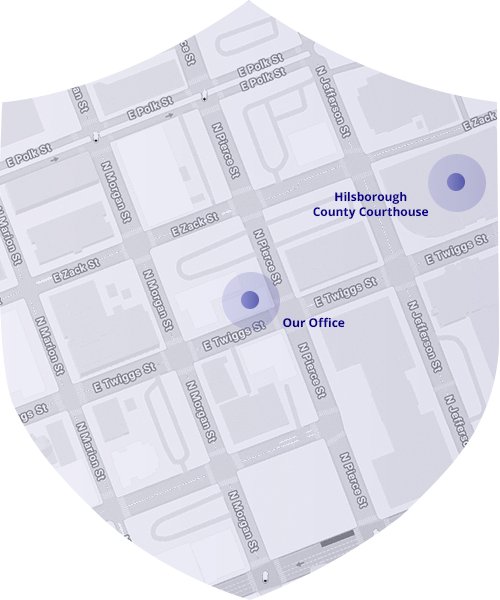
Visit Us
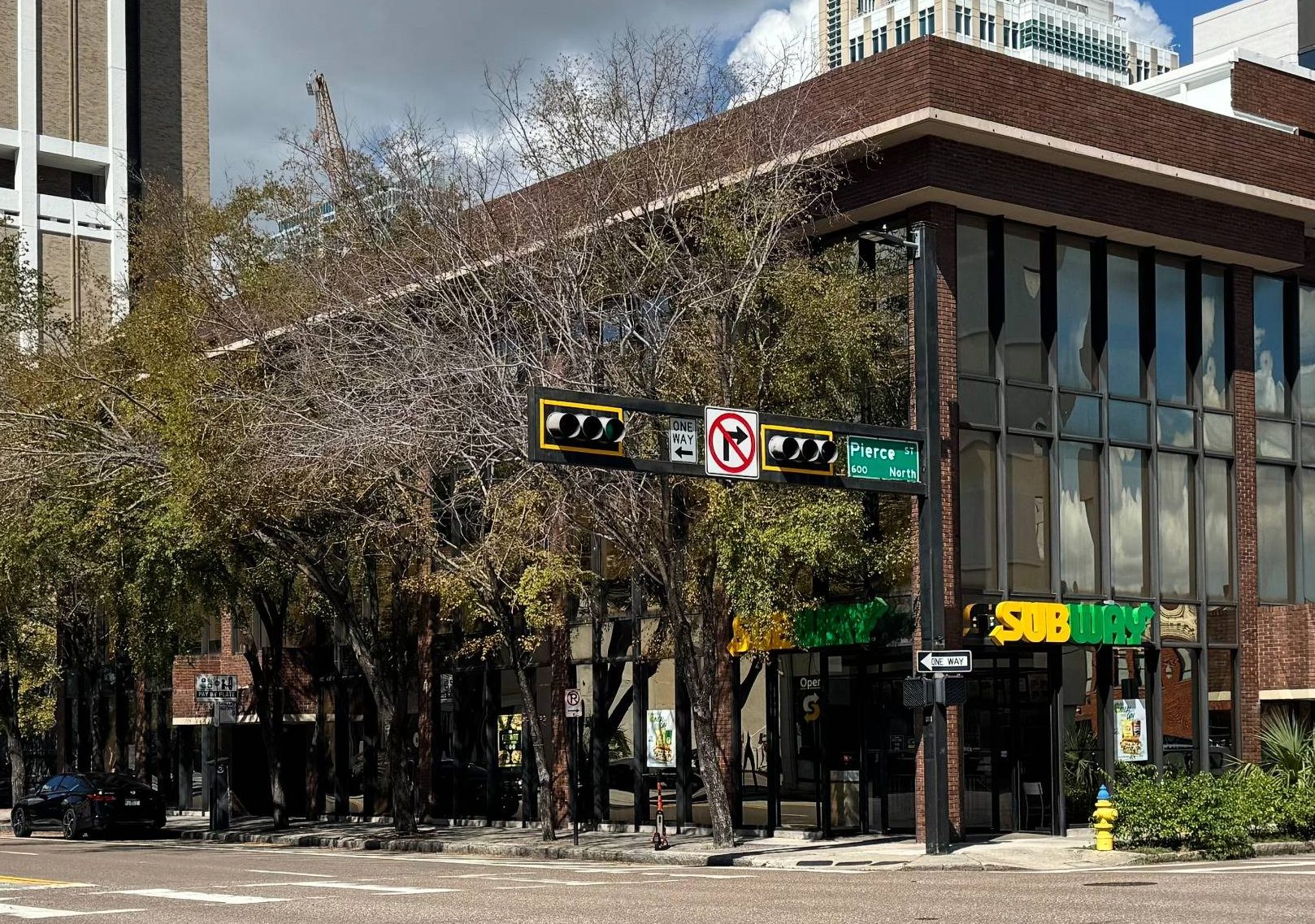
Tampa, FL 33602
Contact Us Now
Free Legal Consultation (813) 727-7159