- Free Consultation 24/7: (813) 727-7159 Tap Here To Call Us




When Brain Damage Explains Criminal Conduct


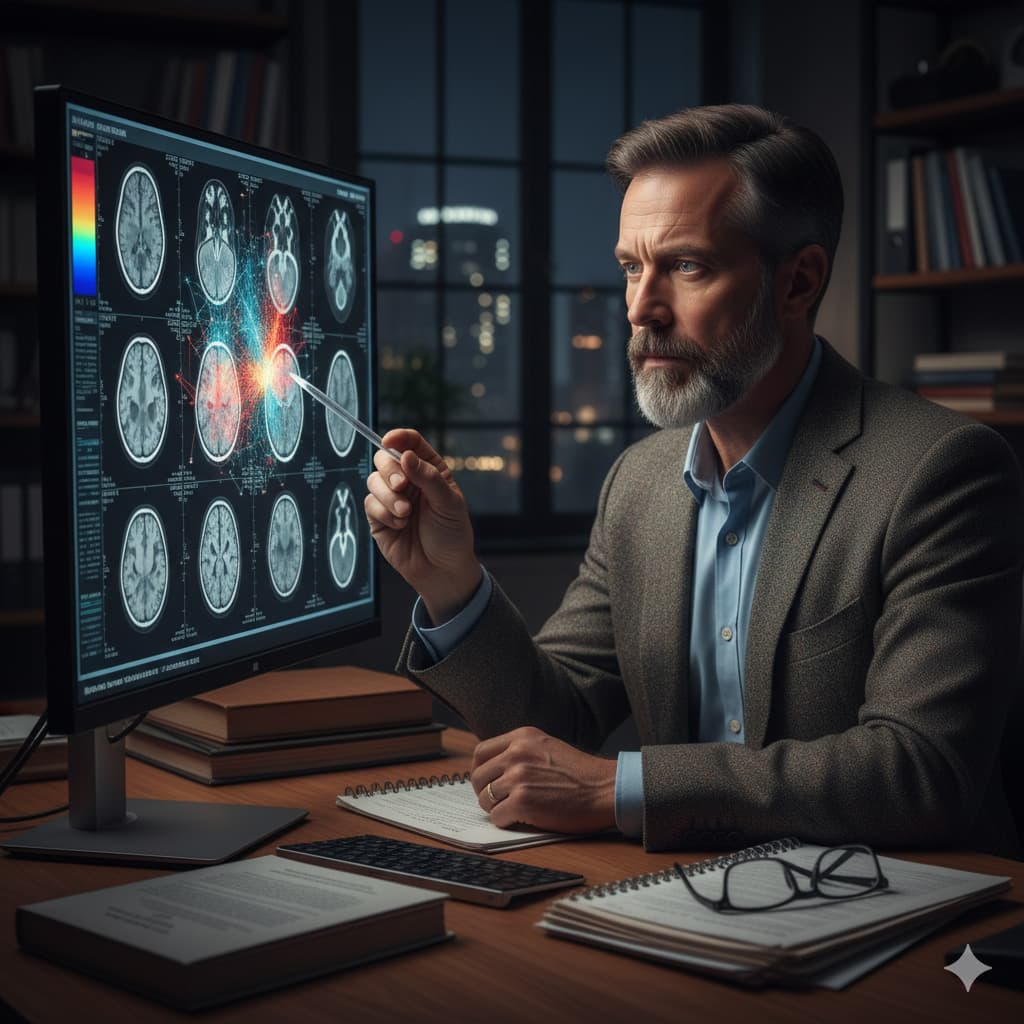
How Forensic Psychiatry and Brain Imaging Reduced a Felony to a Misdemeanor
Sometimes, criminal conduct is not the result of willful choice. Sometimes, the brain itself is compromised—damaged by disease, infection, or injury in ways that affect judgment, impulse control, and the ability to appreciate the consequences of one’s actions. This is where forensic psychiatry can provide a defense in Florida.
In Florida, most serious crimes require proof that the defendant acted “willfully” or “knowingly.” But what happens when the defendant’s brain is so damaged that they can not form the required mental state?
This case demonstrates how forensic psychiatry and brain imaging can change the entire trajectory of a criminal case. I am Tampa Criminal Defense Attorney Rocky Brancato. This post is part of our forensic series put out by the Brancato Law Firm, P.A., your Tampa criminal forensic evidence law firm.
| What Is Forensic Psychiatry? Forensic psychiatry is a medical specialty that applies psychiatric knowledge to legal questions. Forensic psychiatrists evaluate defendants to assess mental state at the time of the offense, competency to stand trial, and the impact of brain disorders on behavior. They review medical records, brain imaging, and clinical history to provide expert opinions on whether a defendant could form the mental state required for conviction. |
The Case: A Sick Man and an Injured Infant
My client was accused of severely injuring an infant. The charges were serious, and the evidence of injury was clear. At first glance, this looked like a case that would be difficult to defend.
But my client was not a healthy man. He had AIDS and was severely immunocompromised. In fact, after the incident, he was hospitalized for weeks. His condition was so severe that he had to relearn how to talk and perform basic functions.
That hospitalization produced something critical: brain scans. And those scans told a story the prosecution had not anticipated.
The Investigation: Looking Beyond the Obvious
I obtained my client’s medical records from the hospital, including the brain imaging performed during his extended stay. Then I retained a forensic psychiatrist to review everything.
What the scans revealed was remarkable: my client had toxoplasmosis—a parasitic infection that had created lesions in the frontal lobe of his brain.
| What Is Toxoplasmosis? Toxoplasmosis is a parasitic infection caused by Toxoplasma gondii, commonly contracted through contact with cat feces or contaminated food. In healthy individuals, the immune system typically keeps the parasite in check. However, in immunocompromised people—including those with AIDS, organ transplant recipients, and pregnant women—the parasite can cause severe complications, including brain lesions that affect cognitive function, judgment, and behavior. |
Why the Frontal Lobe Matters
The frontal lobe is the brain’s command center for executive functioning—the higher-order cognitive processes that govern decision-making, impulse control, judgment, and the ability to understand consequences.
When the frontal lobe is damaged, people can experience:
- Impaired judgment and decision-making
- Reduced impulse control
- Difficulty understanding the consequences of actions
- Personality changes and emotional dysregulation
- Inability to form intent in the way a healthy person would
In legal terms, this matters because many crimes require proof of a specific mental state—that the defendant acted “willfully,” “knowingly,” or “intentionally.” Frontal lobe damage can directly undermine the prosecution’s ability to prove that mental state.
The Forensic Psychiatrist’s Opinion
After reviewing the brain scans, medical records, and clinical history, my forensic psychiatrist reached a significant conclusion: the toxoplasmosis lesions in my client’s frontal lobe had affected his executive functioning at the time of the incident.
Consequently, his condition compromised his ability to form the “willful” or “knowing” mental state required for conviction. He was not simply a person who chose to harm an infant; instead, parasites literally consumed his brain, impairing the very cognitive functions that govern choice and consequence.
| What This Defense Required |
| Complete medical records from the client’s hospitalization. Brain imaging (CT or MRI scans) showing frontal lobe lesions. Retention of a forensic psychiatrist with expertise in brain disorders. Expert analysis connecting the lesions to impaired executive functioning. Legal argument that damaged brain function negates required mental state. |
The Negotiation: When the State Recognized Its Problem
Armed with the forensic psychiatrist’s opinion and the brain imaging, we approached the prosecution. Our position was clear: the state would have difficulty proving that my client acted “willfully” or “knowingly” when his brain was so severely compromised.
The prosecution recognized the challenge. Presenting this evidence to a jury would create reasonable doubt about whether my client could form the mental state required for a felony conviction. Fortunately, the brain scans were objective, visual evidence—not just an expert’s opinion, but actual images of the damage.
| RESULT: FELONY REDUCED TO MISDEMEANOR Through negotiation, the serious felony charges were reduced to a misdemeanor. The forensic psychiatry evidence changed the entire outcome of the case. |
Mental States in Florida Criminal Law
Understanding mental state requirements is critical to understanding how brain damage defenses work:
| Mental State | What the State Must Prove |
| Willfully | The defendant intentionally committed the act, not by accident or mistake |
| Knowingly | The defendant was aware of what they were doing and the likely consequences |
| Intentionally | The defendant had a conscious objective to cause a specific result |
| Recklessly | The defendant consciously disregarded a substantial risk of harm |
Brain damage that impairs executive functioning can undermine the prosecution’s ability to prove any of these mental states—creating reasonable doubt even when the physical act is not disputed.
What This Case Teaches About Forensic Psychiatry
- Always investigate the defendant’s medical history. Brain disorders, infections, tumors, and injuries can all affect the mental state required for conviction.
- Obtain all available brain imaging. CT scans, MRIs, and other neuroimaging can provide objective evidence of brain damage that supports a psychiatric expert’s opinion.
- Retain a forensic psychiatrist who can connect medical findings to legal standards. The expert must be able to explain how the brain damage affected the specific mental state required for the charged offense.
- Use the evidence strategically in negotiations. Prosecutors may recognize that brain damage evidence creates reasonable doubt and may agree to reduced charges rather than risk trial.
- Understand that brain damage defenses are not about excusing conduct. They are about whether the state can prove the mental state required by law.
Frequently Asked Questions
Can brain damage be a defense to criminal charges?
Yes. Many crimes require the prosecution to prove a specific mental state—that the defendant acted willfully, knowingly, or intentionally. Brain damage that impairs executive functioning can undermine the state’s ability to prove that mental state, creating reasonable doubt.
What is toxoplasmosis?
Toxoplasmosis is a parasitic infection caused by Toxoplasma gondii. It can be contracted through cat feces or contaminated food. In immunocompromised individuals—such as those with AIDS—the parasite can cause brain lesions that affect cognitive function, judgment, and behavior.
What is a forensic psychiatrist?
A forensic psychiatrist is a medical doctor who specializes in the intersection of psychiatry and law. They evaluate defendants to assess mental state at the time of the offense, competency to stand trial, and the impact of brain disorders on behavior. They can provide expert testimony about whether a defendant could form the mental state required for conviction.
What is executive functioning?
Executive functioning refers to higher-order cognitive processes controlled primarily by the frontal lobe. These include decision-making, impulse control, judgment, planning, and the ability to understand consequences. Damage to the frontal lobe can impair these functions, affecting a person’s ability to form criminal intent.
How can brain imaging help my criminal defense?
Brain imaging (CT, MRI, PET scans) can provide objective, visual evidence of brain damage, lesions, tumors, or abnormalities. Combined with the forensic psychiatrist’s opinion, imaging in this case demonstrated that the defendant’s brain was compromised in ways that affected his ability to form criminal intent.
Is a brain damage defense the same as an insanity defense?
No. An insanity defense argues that the defendant did not know right from wrong due to mental illness. A brain damage defense can simply argue that the defendant could not form the specific mental state required for conviction—without claiming insanity. The two defenses have different legal standards and different implications.
Could Brain Damage Affect Your Case?
Not every defendant with a medical history has a viable brain damage defense. However, for those who do, forensic psychiatry can fundamentally change the trajectory of a case—turning felonies into misdemeanors, or creating reasonable doubt that leads to acquittal.
For over 25 years, I have defended clients against serious charges in Tampa Bay. I understand how to investigate medical histories, obtain brain imaging, and work with forensic psychiatrists to build defenses that address the mental state requirements of Florida criminal law.
Call (813) 727-7159 for a Confidential Consultation
The Brancato Law Firm, P.A.
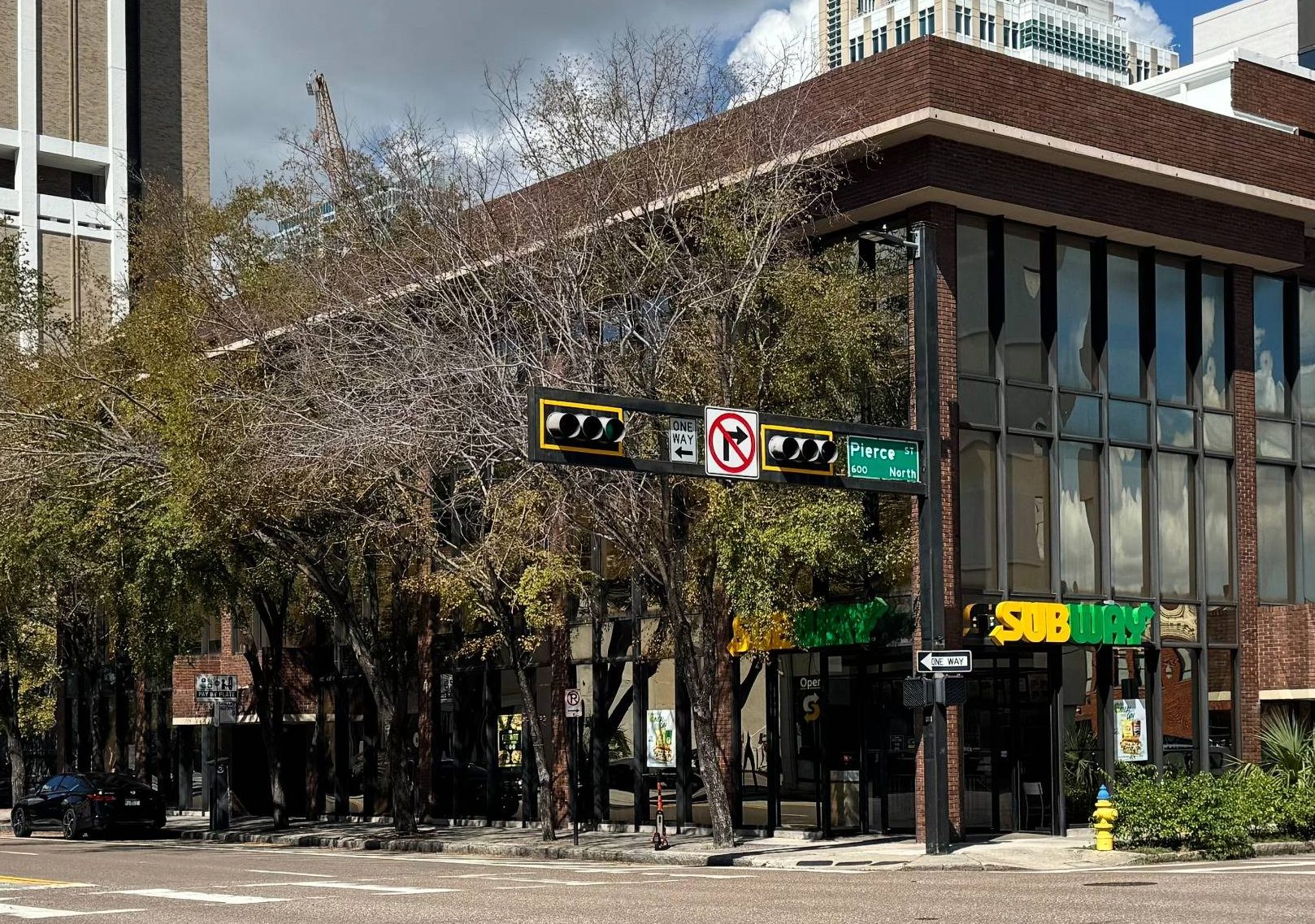
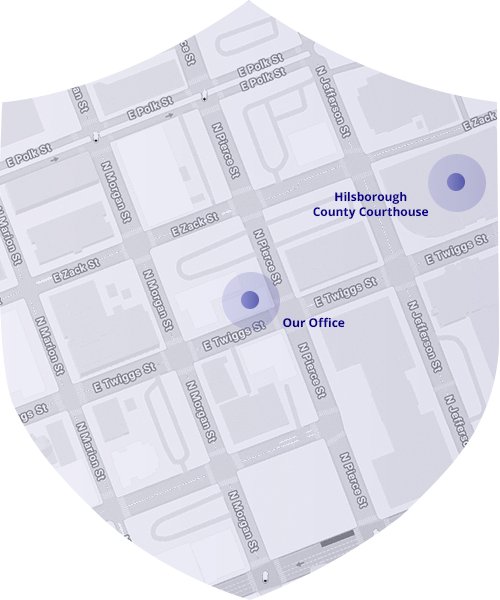
620 E. Twiggs Street, Suite 205, Tampa, FL 33602
Serving Hillsborough, Pinellas, and Pasco Counties
Part of the Forensic Evidence Series
Related Case Studies: DNA Evidence Defense | Aggravated Child Abuse Defense | Forensic Pathologist | Fingerprint Evidence is Not as Reliable as You Think | Cell Phone Location Data Can prove You Were Not There | Your BAC at the Station is Not Your BAC Behind the Wheel | When Police Destroy Evidence They Do Not Get the Benefit of the Doubt | When a Confession is Not a Confession | When the Car–Not the Driver–Caused the Crash | The Injuries Were Real–But They Were Not From the Alleged Rape | Similar Is not The Same: How a Firearms Expert Kept Out Prejudicial Evidence
Related Pages
Visit Us
Suite #205
Tampa, FL 33602
Contact Us Now
Free Legal Consultation (813) 727-7159