- Free Consultation 24/7: (813) 727-7159 Tap Here To Call Us




Florida’s Second DCA Limits Plain Smell Cannabis Search Doctrine


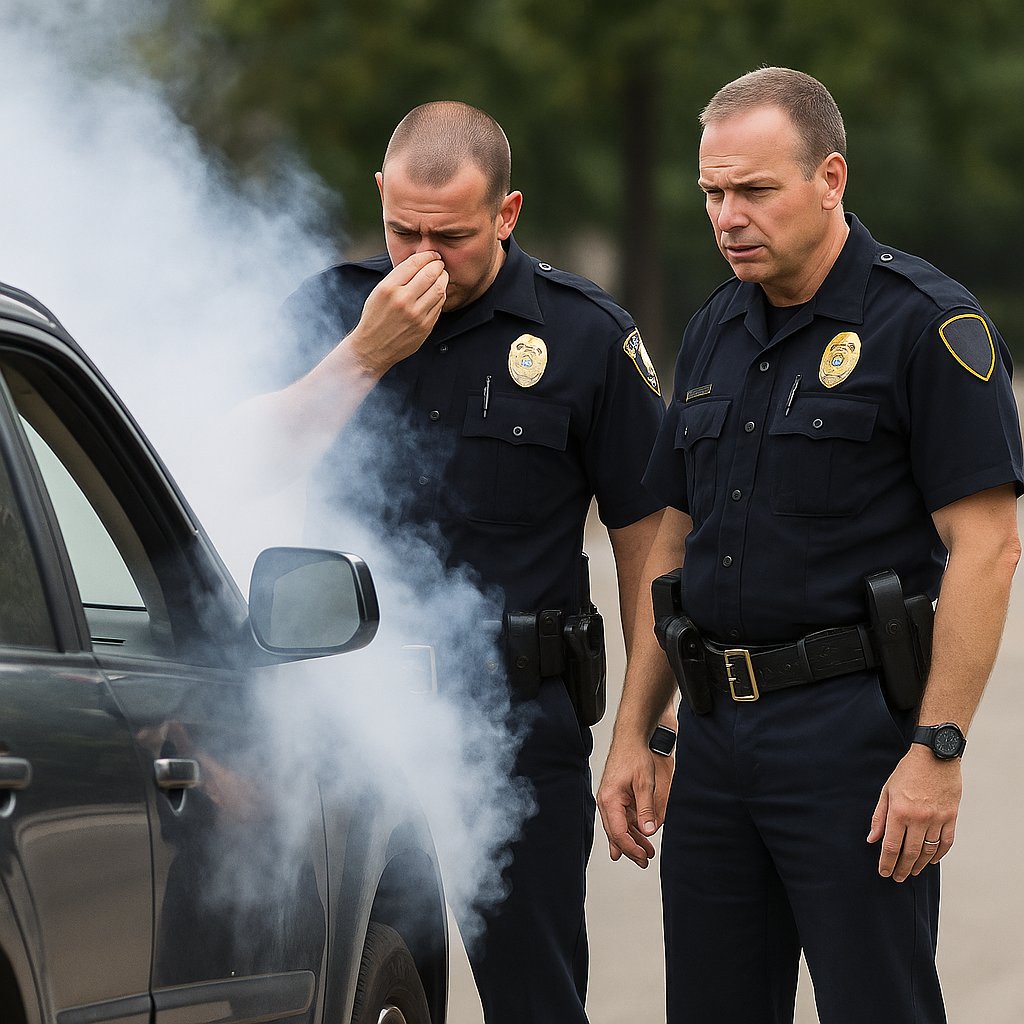
Williams v. State and Cherfils v. State Reshape Vehicle Search Law in Tampa and the Second DCA
Updated January 2026 with Cherfils v. State
| KEY HOLDING: WILLIAMS V. STATE (FLA. 2D DCA 2025) The odor of cannabis, by itself, is no longer sufficient to establish probable cause for a search. Because medical marijuana and legal hemp are indistinguishable from illegal cannabis by smell alone, officers must now point to additional facts beyond odor to justify a warrantless search. |
| NEW UPDATE: CHERFILS V. STATE (FLA. 2D DCA DEC. 31, 2025) In its first application of Williams, the Second DCA ruled that while odor alone is insufficient, a search may still be justified under the totality of the circumstances. Critical factors included: the driver’s nervous and argumentative behavior, production of a medical marijuana card, admission of smoking earlier, and an odor intensity suggesting recent smoking in the vehicle. WARNING: Showing your medical marijuana card during a traffic stop can actually hurt you—it indicates the substance is medical marijuana (illegal to smoke in a vehicle) rather than hemp (legal to smoke anywhere). |
| JURISDICTION NOTE These rulings apply in Florida’s Second District Court of Appeal, which covers Hillsborough, Pinellas, Pasco, Manatee, Sarasota, and DeSoto Counties. Other Florida appellate districts have not yet adopted this reasoning, so the law may differ in other parts of the state. The Brancato Law Firm, P.A. serves clients in Hillsborough, Pinellas, and Pasco Counties. |
A Turning Point in Florida Search and Seizure Law
On October 1, 2025, Florida’s Second District Court of Appeal issued an en banc opinion in Williams v. State, No. 2D2023-2200 (Fla. 2d DCA Oct. 1, 2025), that marks a turning point in Florida search and seizure law. The court held that the odor of cannabis, by itself, is no longer enough to establish probable cause for a search.
This ruling aligns Florida law with modern statutory changes surrounding cannabis—including medical marijuana legalization and hemp decriminalization—and underscores the need for defense attorneys to challenge searches based solely on smell.
However, on December 31, 2025, the Second DCA issued Cherfils v. State, No. 2D2023-1932, which provides critical guidance on what additional factors—combined with odor—will still justify a vehicle search. Understanding both cases is essential for anyone facing cannabis-related charges in Florida.
| WHY THE LAW CHANGED: LEGAL CANNABIS IS NOW INDISTINGUISHABLE BY SMELL The Second DCA recognized that legislative changes have dramatically altered cannabis regulation in Florida: Medical marijuana is lawful when dispensed from treatment centers for qualified patients. Hemp is lawful under both federal and Florida law if it contains less than 0.3% THC. Smokable hemp is legal in Florida, including in vehicles. Because these lawful forms smell identical to illegal cannabis, odor alone is no longer an “immediately apparent” indicator of criminal activity. |
The Cherfils Case: When Odor Plus Other Factors Equals Probable Cause
Just three months after Williams, the Second DCA issued Cherfils v. State, which affirmed the denial of a motion to suppress despite the court’s new limitations on plain smell searches. Understanding why the search was upheld in Cherfils is critical for anyone stopped by police who claims to smell cannabis.
What Happened in Cherfils
Joshua Cherfils was stopped at night for an improperly illuminated license tag in a high-crime area. As the officer approached, he smelled burnt marijuana. When asked for his license, Cherfils became argumentative and appeared nervous. After the officer mentioned the marijuana odor, Cherfils produced his medical marijuana card and stated he had smoked marijuana earlier in the day. The officer testified that the smell was “a lot more than just if someone smoked earlier.”
The officer searched the vehicle and found cocaine in a cigarette box, fresh marijuana in a clear bag on the center console, and several burnt marijuana cigarettes in an ashtray.
Why the Court Upheld the Search
The Second DCA acknowledged that under Williams, “plain smell no longer establishes probable cause.” However, the court found that the totality of the circumstances supported probable cause. The officer was not relying on smell alone—multiple additional factors supported a reasonable belief that criminal activity was occurring.
Factors That Supported Probable Cause in Cherfils
| Factor | Why It Mattered |
| Production of medical marijuana card | Indicated the cannabis was medical marijuana (illegal to smoke in a vehicle) rather than hemp (legal to smoke in a vehicle) |
| Intensity of burnt marijuana odor | Officer testified smell was “a lot more than just if someone smoked earlier”—suggesting recent smoking in the vehicle |
| Nervous and argumentative behavior | Court noted this “unusual behavior revolved around” the subject of the potential crime—evasiveness about cannabis use |
| Apparent dishonesty about timing | Driver claimed he smoked “earlier,” but odor intensity contradicted this—officer perceived driver as being untruthful |
| High-crime area | While not sufficient alone, contributes to totality of circumstances analysis |
| CRITICAL WARNING: YOUR MEDICAL MARIJUANA CARD CAN BE USED AGAINST YOU In Cherfils, the court specifically noted that producing a medical marijuana card indicated the cannabis was medical marijuana—which is illegal to smoke in a vehicle under § 381.986, Florida Statutes. By contrast, hemp is legal to smoke anywhere, including in vehicles. By voluntarily producing his card, Cherfils eliminated the possibility that the smell came from legal hemp and gave the officer reason to believe a crime was being committed. If you are a medical marijuana patient stopped by police, consult with a criminal defense attorney before making any statements or producing any cards. |
Background: The Williams Case That Changed the Law
Darrielle Ortiz Williams was on probation after serving a lengthy prison term. During a 2023 traffic stop in Hillsborough County, officers claimed they smelled cannabis when approaching the vehicle. Relying solely on this odor, they searched the car and found substances that led to his arrest.
Williams moved to suppress the evidence, arguing that the plain smell doctrine should no longer apply given Florida’s medical marijuana laws and hemp legalization. The trial court denied his motion, citing older precedent that allowed searches based on marijuana odor alone.
On appeal, the Second DCA took the opportunity to revisit the doctrine—sitting en banc to reconsider its own prior ruling in Owens v. State (2021). Importantly, in Williams there were no additional facts suggesting criminal activity: no admission of use, no indication the cannabis was medical marijuana versus hemp, no evidence of recent smoking in the vehicle, and conflicting officer testimony about whether the cannabis was fresh or burnt.
| CASE SUMMARY: WILLIAMS V. STATE (FLA. 2D DCA 2025) Facts: Traffic stop in Hillsborough County; officers searched vehicle based solely on cannabis odor. Defense Argument: Plain smell doctrine no longer valid given medical marijuana and hemp legalization. Holding: Court receded from Owens v. State; ruled odor alone insufficient for probable cause. Outcome: Conviction affirmed on good-faith reliance grounds (Davis v. United States), but certified question to Florida Supreme Court. |
Why the Evidence Was Still Admitted in Williams
Although the Second DCA receded from its earlier ruling in Owens v. State (2021), it ultimately affirmed Williams’ probation revocation. The reason: at the time of the search, Owens was binding precedent.
Under the U.S. Supreme Court’s decision in Davis v. United States, evidence is not excluded when officers reasonably rely on then-controlling appellate precedent. Because the officers acted in good faith based on the law as it existed at the time, the exclusionary rule did not apply.
| IMPORTANT: THIS RULING APPLIES TO FUTURE SEARCHES The Williams decision applies prospectively. For searches conducted after October 1, 2025, officers in the Second DCA’s jurisdiction (Hillsborough, Pinellas, Pasco, Manatee, Sarasota, and DeSoto Counties) can no longer rely solely on cannabis odor to establish probable cause. Evidence obtained through odor-only searches may now be subject to suppression. Other Florida appellate districts may still follow the old rule until the Florida Supreme Court decides the certified question. |
Certified Question to the Florida Supreme Court
Recognizing the sweeping impact of its holding, the Second DCA certified a question of great public importance to the Florida Supreme Court:
| CERTIFIED QUESTION OF GREAT PUBLIC IMPORTANCE “Does the plain smell doctrine continue to apply to establish probable cause based only on the odor of cannabis?” |
This certified question sets the stage for the Florida Supreme Court to provide definitive statewide guidance on the issue. Until then, the Williams ruling is binding in the Second DCA’s jurisdiction—which includes Hillsborough, Pinellas, Pasco, Manatee, Sarasota, and DeSoto Counties. The Brancato Law Firm serves clients in Hillsborough, Pinellas, and Pasco Counties, where these rulings directly apply.
Before and After Williams: What Changed
| Before Williams (Pre-10/1/25) | After Williams (Post-10/1/25) |
| Cannabis odor alone = probable cause for search | Cannabis odor alone = NOT sufficient for probable cause |
| Smell treated as “immediately apparent” evidence of crime | Smell no longer “immediately apparent” due to legal cannabis/hemp |
| Officers could search without additional articulable facts | Officers must point to additional facts beyond odor (see Cherfils) |
| Owens v. State (2021) controlled | Owens receded; Williams controls in 2d DCA |
| Suppression motions based on smell unlikely to succeed | Suppression motions should be filed—but watch for Cherfils factors |
Practical Impact for Florida Drivers
For years, drivers across Florida have been searched, arrested, and prosecuted after an officer claimed to smell marijuana. Williams and Cherfils together provide a new framework:
Odor alone is no longer enough. Officers must point to other facts beyond smell to justify a search—such as visible contraband, erratic driving, statements by the driver, or other indicators of criminal activity.
But your statements can provide those additional facts. In Cherfils, the driver’s production of a medical marijuana card and admission of smoking earlier gave the officer the additional factors needed for probable cause.
Medical marijuana patients face unique risks. Because it is illegal to smoke medical marijuana in a vehicle, identifying yourself as a cardholder when an officer smells cannabis can establish probable cause where none existed before.
Suppression motions challenging odor-based searches should now be filed in cases arising after October 1, 2025—but attorneys must carefully analyze whether Cherfils-type factors apply.
What Officers Must Now Show for Probable Cause
| Odor Alone (Insufficient) | Odor + Additional Factors (May Be Sufficient) |
| “I smelled marijuana” | Odor + driver produces medical marijuana card (Cherfils) |
| “Strong odor of cannabis coming from vehicle” | Odor + driver admits to smoking marijuana (Cherfils) |
| “Odor indicated marijuana inside” | Odor + intensity suggests very recent smoking in vehicle (Cherfils) |
| “Based on my training and experience…” | Odor + nervous/argumentative behavior about cannabis (Cherfils) |
| Any variation of odor-only justification | Odor + visible drug paraphernalia or contraband |
Frequently Asked Questions: Plain Smell Doctrine in Florida
Not by itself—at least not in the Second DCA’s jurisdiction. The court ruled in Williams v. State that the odor of cannabis alone does not provide probable cause for a search. However, under Cherfils v. State, officers may still conduct a search if the odor is combined with other factors such as admissions, production of a medical marijuana card, or behavior suggesting recent use in the vehicle.
The plain smell doctrine allowed officers to search based solely on detecting the odor of cannabis. For decades, courts treated the smell of marijuana as automatic probable cause. Because Florida has legalized medical marijuana and hemp, the Second DCA found that odor alone no longer proves criminal activity.
Proceed with extreme caution. In Cherfils, the court specifically noted that producing a medical marijuana card indicated the cannabis was medical marijuana—which is illegal to smoke in a vehicle. By contrast, hemp is legal to smoke anywhere, including in vehicles. Producing your card may actually provide the additional factor needed for probable cause. Consult with a criminal defense attorney before making any statements or producing any cards during a traffic stop.
No. Cannabis possession remains illegal in Florida unless it is medical marijuana from a licensed treatment center or hemp containing less than 0.3% THC. The Williams ruling only limits how police can justify a warrantless search—it does not legalize recreational cannabis.
Probationers have constitutional protections unless their probation terms specifically authorize warrantless searches. In Williams, the court noted that odor alone is not sufficient for probationers whose supervision conditions do not include a search waiver.
The odor of cannabis may still be considered along with other factors, such as driving behavior, field sobriety test results, or visible evidence of impairment. However, odor alone is no longer sufficient to establish probable cause for a vehicle search.
Currently, Williams and Cherfils are binding only in the Second DCA’s jurisdiction, which covers Hillsborough, Pinellas, Pasco, Manatee, Sarasota, and DeSoto Counties. Other Florida appellate districts have not yet adopted this reasoning, so the law may differ elsewhere in the state. The Brancato Law Firm serves clients in Hillsborough, Pinellas, and Pasco Counties, where these rulings apply. The court certified a question of great public importance to the Florida Supreme Court, which may adopt this reasoning statewide.
Contact an experienced criminal defense attorney immediately. If your search occurred after October 1, 2025, you may have grounds for a motion to suppress. Your attorney will analyze whether additional factors like those in Cherfils apply to your case. Even for earlier searches, an attorney can evaluate whether other facts support the probable cause determination.
| Searched Based on Cannabis Odor? Your Rights May Have Changed. Tampa Criminal Defense Attorney Rocky Brancato monitors every development in Florida search and seizure law to ensure his clients receive the strongest defense. With over 25 years of experience and as former Chief Operations Officer of the Hillsborough County Public Defender’s Office, he understands how constitutional protections evolve—and how to use new case law like Williams and Cherfils to challenge unlawful searches. Call (813) 727-7159 Confidential Consultation | The Brancato Law Firm, P.A. |
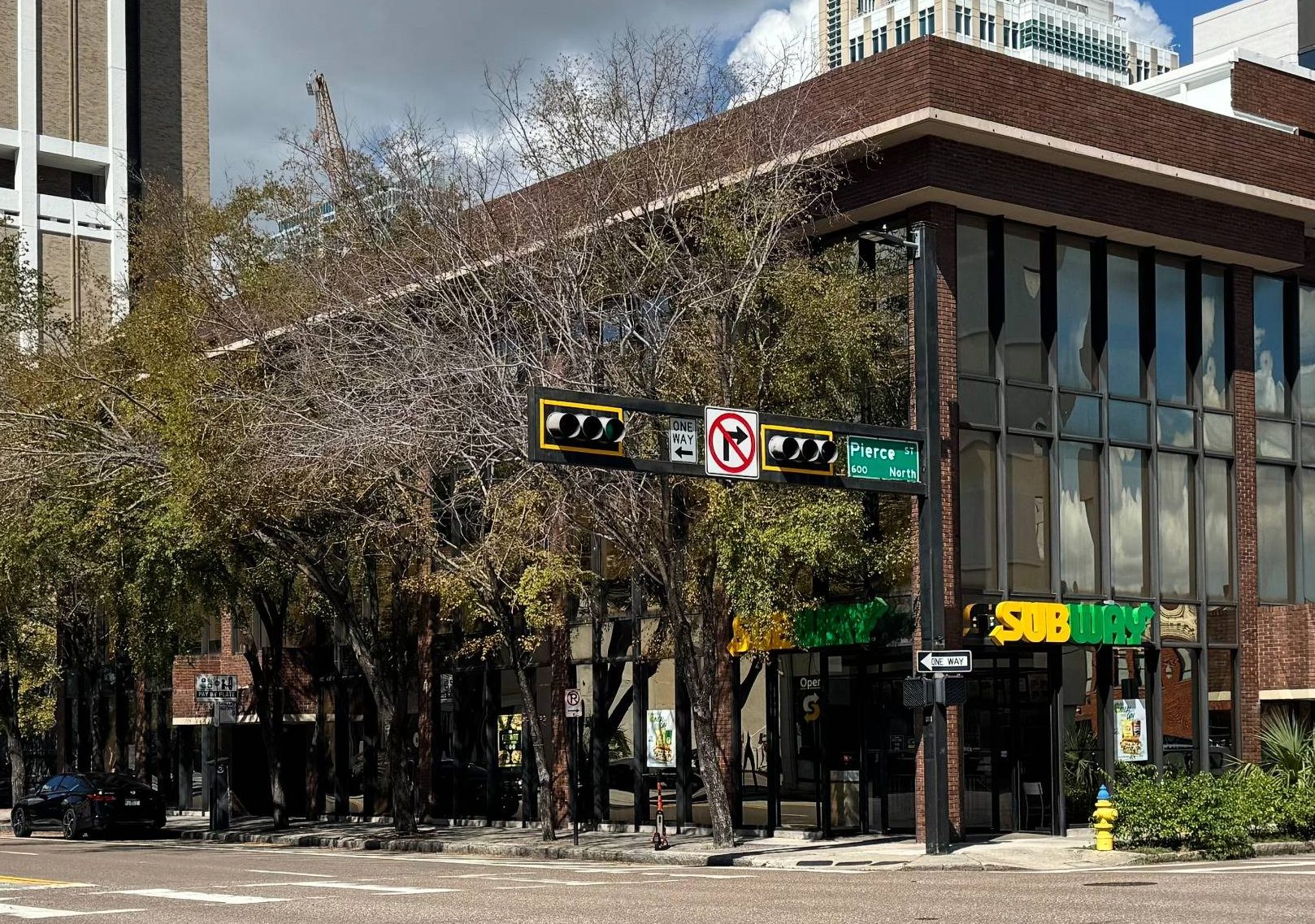
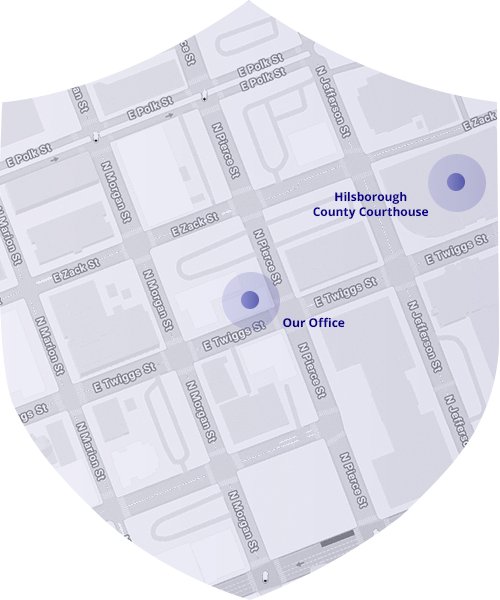
620 E. Twiggs Street, Suite 205, Tampa, FL 33602
Related:
Visit Us
Suite #205
Tampa, FL 33602
Contact Us Now
Free Legal Consultation (813) 727-7159