- Free Consultation 24/7: (813) 727-7159 Tap Here To Call Us




Dexter’s Law: Florida’s New Animal Cruelty Penalties and Public Registry


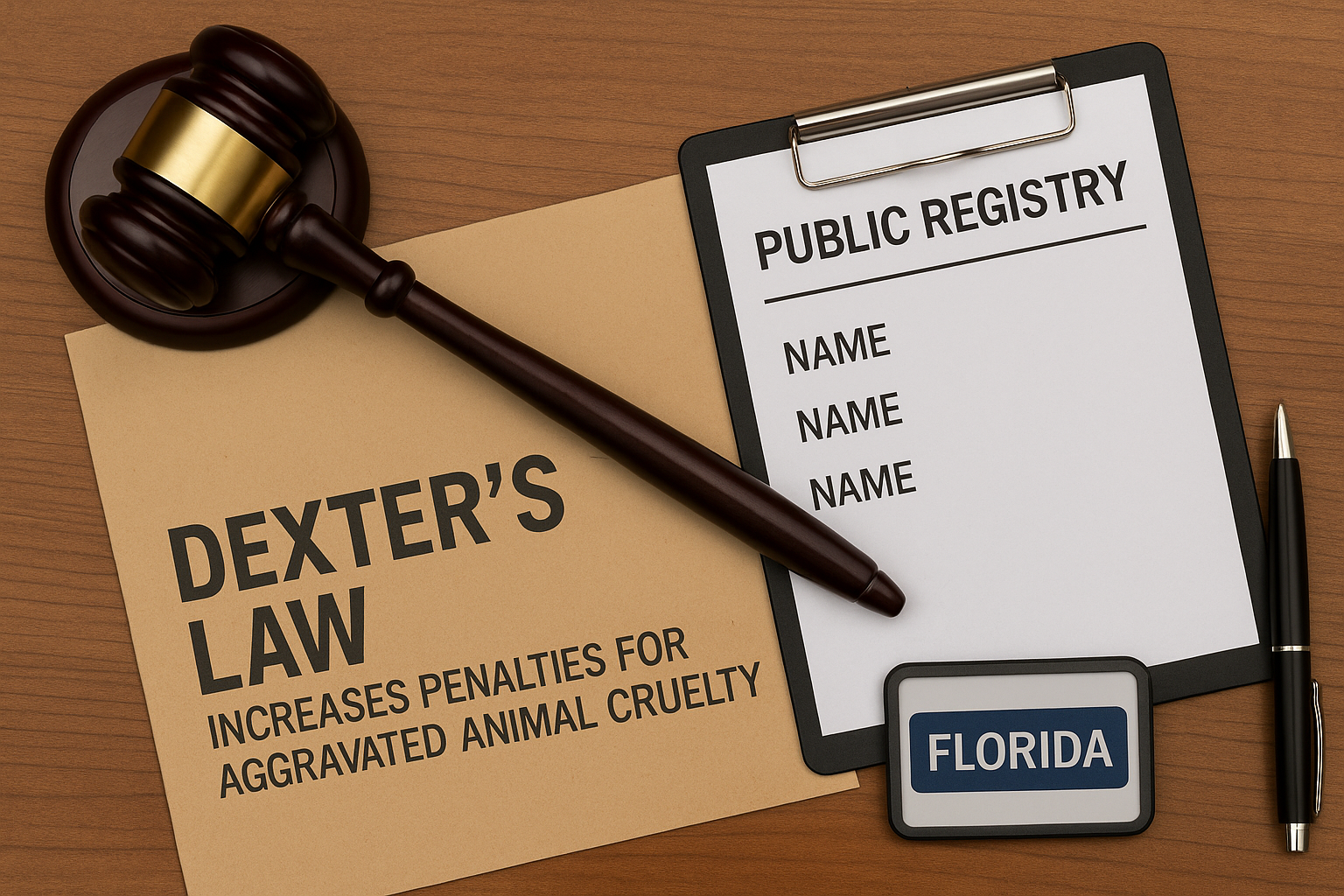
Effective July 1, 2025, aggravated animal cruelty in Florida carries enhanced sentences, a permanent criminal record, and mandatory registration on a public database
Updated January 19, 2026
| ⚠ CRITICAL WARNING FOR DEFENDANTS Under Dexter’s Law, animal cruelty convictions under Florida Statute § 828.12 cannot be sealed or expunged—even with withheld adjudication. Furthermore, beginning January 1, 2026, all offenders will be listed on a public registry maintained by FDLE. These consequences are permanent and apply regardless of plea type. |
What Is Dexter’s Law?
On July 1, 2025, Florida will begin enforcing Dexter’s Law, a significant expansion of criminal penalties for animal cruelty offenses. This legislation, named after a dog who was tortured and killed, fundamentally changes how Florida prosecutes and punishes aggravated animal cruelty cases.
Specifically, Dexter’s Law amends several sections of the Florida Statutes to accomplish three major objectives: enhanced sentencing through a multiplier system, elimination of record sealing and expungement options, and creation of a public animal cruelty offender registry. Consequently, individuals charged under Florida Statute § 828.12 now face substantially more severe consequences than under previous law. I am Tampa Criminal Defense Attorney Rocky Brancato. If you are charged with criminal animal cruelty, my firm, the Brancato Law Firm, P.A. can help.
| FLORIDA STATUTE § 828.12(2) – AGGRAVATED ANIMAL CRUELTY A person who intentionally commits an act to any animal, or a person who owns or has the custody or control of any animal and fails to act, which results in the cruel death, or excessive or repeated infliction of unnecessary pain or suffering, commits aggravated animal cruelty, a felony of the third degree. |
Enhanced Sentencing Under Dexter’s Law
Dexter’s Law amends Florida Statute § 921.0024 to impose a sentencing multiplier for qualifying animal cruelty convictions. When a defendant is convicted under § 828.12(2) and the offense involves intentional torture or torment that injures, mutilates, or kills an animal, the court must multiply the total sentence points by 1.25.
However, this multiplier applies only when the victim is an animal that is:
- Not used for bona fide agricultural purposes
- Not classified as captive wildlife under Florida law
As a result, defendants convicted of torturing or killing household pets face significantly longer prison sentences than under prior sentencing guidelines. Moreover, this multiplier stacks on top of any other applicable enhancements.
Dexter’s Law Sentencing Impact
| Factor | Before Dexter’s Law | After Dexter’s Law |
| Sentence Points Multiplier | 1.0 (no multiplier) | 1.25 (25% increase) |
| Record Sealing/Expungement | Potentially available | Permanently prohibited |
| Public Registry | No registry existed | Mandatory FDLE listing |
| Withheld Adjudication Impact | Could avoid conviction status | Still triggers registry |
Permanent Criminal Record: No Sealing or Expungement
One of the most significant changes under Dexter’s Law involves amendments to Florida Statutes § 943.0585 and § 943.059. Previously, defendants who received withheld adjudication for certain offenses could petition to seal or expunge their records after a waiting period.
Under Dexter’s Law, this option no longer exists for animal cruelty offenses. Specifically, the law permanently bars anyone who pleads guilty or no contest to any violation of § 828.12—whether misdemeanor animal cruelty under subsection (1) or felony aggravated animal cruelty under subsection (2)—from sealing or expunging their record.
This prohibition applies even when the court withholds adjudication. Therefore, a defendant who accepts a plea deal expecting to later clear their record will find that option permanently foreclosed.
| KEY DEFENSE CONSIDERATION Because Dexter’s Law eliminates expungement options, the stakes of any § 828.12 charge are now dramatically higher. Accordingly, defendants must carefully evaluate whether to proceed to trial rather than accept a plea—especially when the evidence is contested or the facts support alternative defenses. |
Florida’s New Animal Cruelty Offender Registry
Beginning January 1, 2026, Dexter’s Law requires the Florida Department of Law Enforcement (FDLE) to create and maintain a public, searchable database of animal cruelty offenders. This registry will function similarly to Florida’s sex offender registry, making offender information permanently accessible to the public.
Who Will Be Listed on the Registry?
The registry will list anyone who enters a plea or receives a conviction for any offense under Florida Statute § 828.12. Importantly, this rule applies even when the court withholds adjudication—meaning the defendant appears on the public registry even if the court never technically convicts them.
Registry Requirements
- FDLE must update the registry at least every 48 hours
- The database must be publicly accessible online
- The registry must be searchable by the public
- Listing applies regardless of adjudication status
Dexter’s Law Implementation Timeline
| Date | What Takes Effect |
| July 1, 2025 | Enhanced sentencing multiplier (1.25x) for aggravated cruelty |
| July 1, 2025 | Prohibition on sealing/expunging § 828.12 offenses |
| January 1, 2026 | FDLE animal cruelty offender registry goes live |
What Dexter’s Law Means for Defendants
Dexter’s Law fundamentally changes the calculus for anyone accused of animal cruelty in Florida. The combination of enhanced sentences, permanent criminal records, and public registration creates consequences that extend far beyond the courtroom.
For instance, a conviction or plea will now affect employment opportunities, housing applications, professional licensing, and personal relationships—indefinitely. Additionally, the public registry ensures that neighbors, employers, and anyone else can easily discover the offense with a simple online search.
Given these stakes, mounting an aggressive defense from the earliest stages of the case is essential. This includes challenging probable cause, questioning witness credibility, examining forensic evidence, and exploring all available legal defenses.
Frequently Asked Questions: Dexter’s Law and Florida Animal Cruelty Charges
Dexter’s Law is Florida legislation that takes effect July 1, 2025, increasing penalties for aggravated animal cruelty. Specifically, the law creates a 1.25x sentencing multiplier for cases involving intentional torture, prohibits sealing or expunging any § 828.12 conviction, and establishes a public offender registry maintained by FDLE.
No. Under Dexter’s Law, any plea or conviction under Florida Statute § 828.12 permanently disqualifies you from sealing or expunging your record. This prohibition applies even when the court withholds adjudication. Therefore, the only way to avoid a permanent criminal record is to defeat the charges at trial or have them dismissed.
Aggravated animal cruelty under Florida Statute § 828.12(2) is a third-degree felony, punishable by up to 5 years in prison and a $10,000 fine. Under Dexter’s Law, cases involving intentional torture or torment receive a 1.25x sentencing multiplier. Additionally, defendants face permanent criminal records and mandatory registry listing.
The sentencing multiplier applies only to felony aggravated animal cruelty under § 828.12(2). However, the prohibition on sealing and expunging records applies to all § 828.12 offenses, including first-degree misdemeanor simple animal cruelty under subsection (1). Similarly, both misdemeanor and felony convictions trigger registry listing.
An experienced criminal defense attorney can challenge the evidence, question witness credibility, examine forensic findings, and explore defenses such as lack of intent, mistaken identity, or constitutional violations. Given that Dexter’s Law eliminates post-conviction relief options, aggressive pre-trial defense is essential to avoiding permanent consequences.
The enhanced sentencing provisions and record-sealing prohibitions take effect July 1, 2025. The FDLE animal cruelty offender registry becomes operational on January 1, 2026. Cases charged after these dates will be subject to the new penalties and requirements.
Questions about the Animal Cruelty Registry
Beginning January 1, 2026, FDLE will maintain a public, searchable database listing everyone convicted of or who entered a plea to animal cruelty under § 828.12. The registry updates at least every 48 hours and allows anyone to access it online. It lists individuals regardless of whether the court withheld adjudication.
Yes. Unlike many other offenses where withheld adjudication provides some protection, Dexter’s Law specifically includes anyone who “entered a plea” regardless of adjudication status. Consequently, accepting a plea deal with withheld adjudication still results in permanent registry listing and prohibition on record sealing.
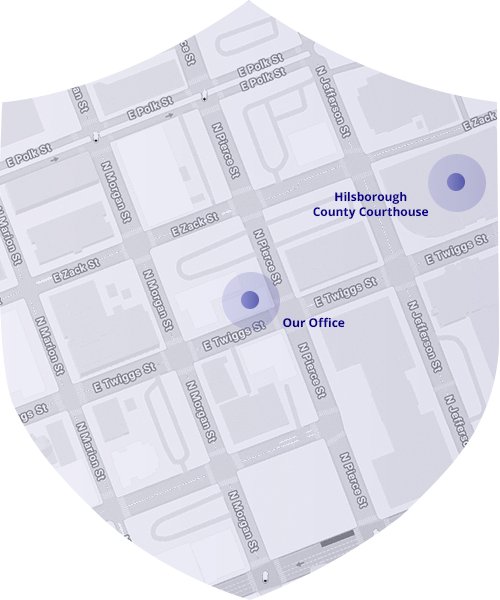
| Charged With Animal Cruelty? The Penalties Are Now Permanent. Call (813) 727-7159 for a Confidential Consultation The Brancato Law Firm, P.A. 620 E. Twiggs Street, Suite 205, Tampa, FL 33602 Serving Hillsborough, Pinellas, and Pasco Counties |
| ABOUT ATTORNEY ROCKY BRANCATO With over 25 years of criminal defense experience in Tampa, attorney Rocky Brancato has handled thousands of serious criminal cases—including those with high public exposure. As former Chief Operations Officer of the Hillsborough County Public Defender’s Office, he brings institutional knowledge of how prosecutors and courts approach sensitive charges. Rocky personally oversees every case at the firm and is committed to protecting clients from permanent consequences. |
Related:
- Tampa Criminal Defense Attorney – Full-service criminal defense
- Tampa Police Mistakes Can Lead to Case Dismissal
- Circumstantial Evidence in Florida Criminal Cases

Visit Us
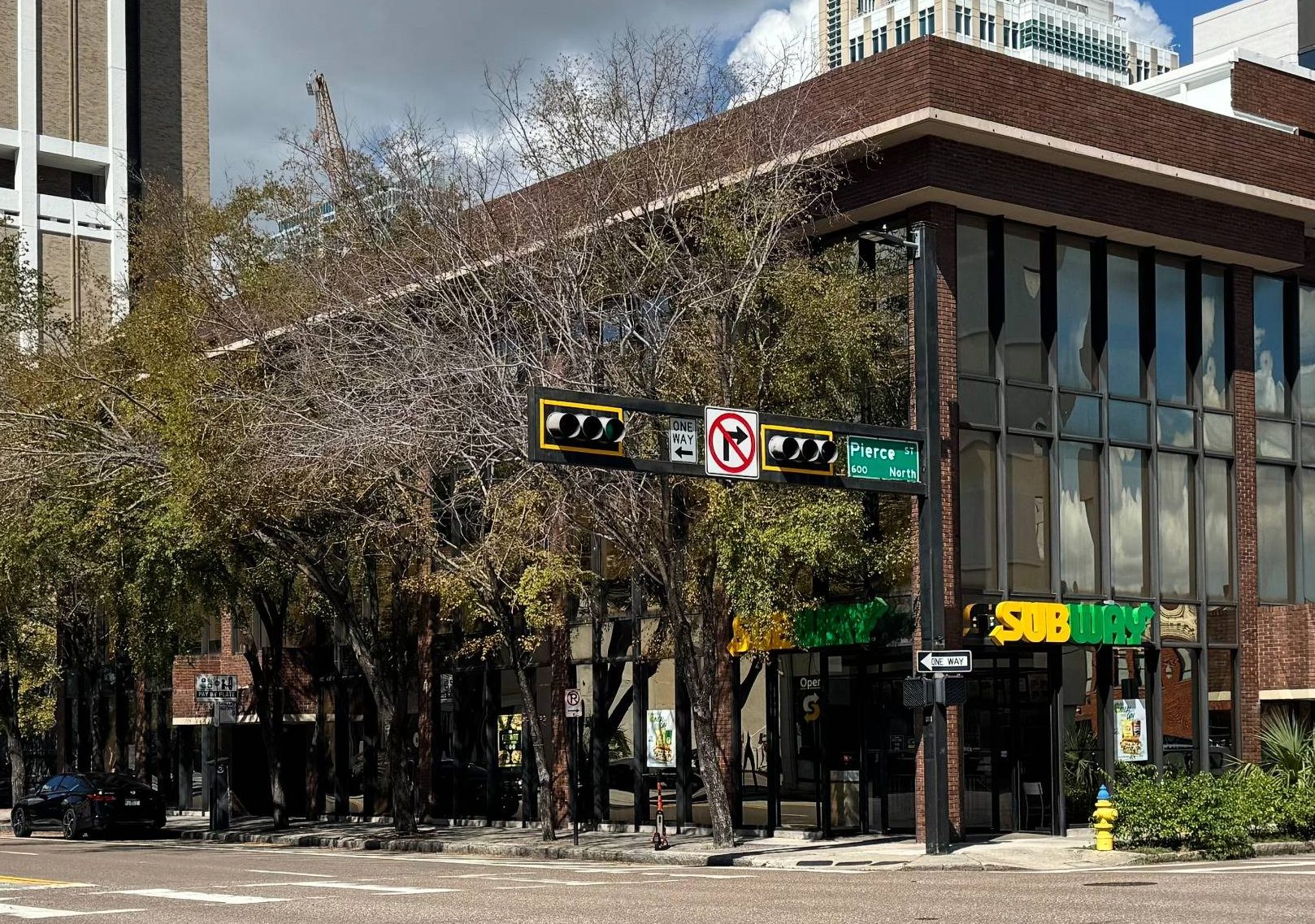
Suite #205
Tampa, FL 33602
Contact Us Now
Free Legal Consultation (813) 727-7159