- Free Consultation 24/7: (813) 727-7159 Tap Here To Call Us




Fingerprint Evidence Is Not as Reliable as You Think


The Science, the Myths, and How to Challenge It in Court
Fingerprint evidence has been used in criminal cases for over a century. Juries treat it as near-infallible. Prosecutors present it as definitive proof. And most defense attorneys simply accept it without challenge. The truth as that fingerprint evidence is not as reliable as you think.
But here is what the science actually shows: fingerprint analysis is subjective, prone to error, and far less conclusive than the public believes. I am Tampa Criminal Defense Attorney Rocky Brancato. This post is part of our forensic series put out by the Brancato Law Firm, P.A., your Tampa criminal forensic evidence law firm.
| The Myth vs. The Reality TV shows and crime dramas have convinced the public that fingerprint matches are absolute. In reality, fingerprint analysis involves human interpretation, subjective comparison, and significant potential for error—especially with partial or smudged prints. |
The Science Behind Fingerprint Analysis
Fingerprint identification relies on comparing a “latent print” (found at a crime scene) to a “known print” (taken from a suspect). Examiners look for points of comparison—ridge endings, bifurcations, and other minutiae—to determine whether the prints match.
However, there are critical limitations that prosecutors rarely mention:
| Limitation | What It Means |
| No Universal Standard | There is no scientifically established minimum number of matching points required to declare a “match.” Different jurisdictions use different thresholds—or none at all. |
| Subjective Interpretation | Two examiners can look at the same prints and reach different conclusions. The analysis depends heavily on the individual examiner’s judgment. |
| Partial Prints | Crime scene prints are often smudged, partial, or distorted. The less complete the print, the higher the chance of error. |
| Confirmation Bias | When examiners know the suspect’s identity or case details, studies show they are more likely to find a “match”—even when one doesn’t exist. |
| No Error Rate Established | Unlike DNA analysis, fingerprint analysis has no validated error rate. The FBI and other agencies have made documented errors, including in high-profile terrorism cases. |
What the National Academy of Sciences Found
In 2009, the National Academy of Sciences issued a landmark report on forensic science in the United States. Their findings were damning:
“With the exception of nuclear DNA analysis… no forensic method has been rigorously shown to have the capacity to consistently, and with a high degree of certainty, demonstrate a connection between evidence and a specific individual or source.”
That includes fingerprint analysis. The report specifically criticized the lack of standardized methods, the absence of validated error rates, and the subjective nature of examiner conclusions.
Case Study: When the State’s Expert Could Not Back Up Her Opinion
In one of my cases, fingerprint evidence was central to the prosecution’s theory. Before trial, I retained my own fingerprint expert to review the latent lift and the known print.
My expert saw similarities between the two prints. However, he could not be conclusive—the evidence simply did not support a definitive match. In theory, he could have testified that neither he nor the state’s expert could reach a conclusive opinion.
But here is the problem: these experts sometimes get too full of themselves. They start believing their opinions beyond the limitations of the science. I had to make a strategic decision, and I decided I could not trust this expert to hit as hard as we needed him to hit. If he softened on the stand, or equivocated, or gave the state’s expert any room to maneuver, it could hurt us.
So I made a different choice. I knew what the National Academy of Sciences has told us about fingerprint evidence. I understood the limitations. And I could visualize the absurdity of asking a jury to convict someone based on nothing more than an expert who says “trust me.”
That gave me the confidence—and the persona—to go in and clean house on cross-examination.
The Cross-Examination That Changed Everything
When trial came, the state’s expert took the stand and testified that it was a match. No hedging. No qualifications. Just a flat declaration that the prints matched.
But I was prepared. I had a blow-up of the latent lift and the known print ready for the jury to see.
I asked the state’s expert to step down from the witness stand and show the jury—point by point—the specific comparisons that caused her to render her opinion. She was going to demonstrate, not just declare., or I was going to have my way with her on cross.
The state’s “expert” could not do it.
She had expected the jury to simply believe her because she claimed to be an expert. She had no comprehension that she was there to help the state prove its case beyond a reasonable doubt—and that she would need to demonstrate her conclusions to twelve skeptical jurors.
I challenged her directly: Does she expect the jury to just believe her because she says she’s an expert? Where are the points of comparison? How can she call this a match when she cannot even show the jury why?
| RESULT: NOT GUILTY The jury saw what I saw: an expert who could not back up her conclusions when pressed. They returned a not guilty verdict. |
What This Case Teaches About Challenging Fingerprint Evidence
- Retain your own expert early. Even if you do not call them at trial, their analysis will prepare you for cross-examination and help you understand the science.
- Make strategic decisions about your expert. Sometimes your expert cannot hit as hard as you need them to. If you know the science yourself, you may be better off attacking the state’s expert directly rather than risking a soft performance from your own witness.
- Prepare visual aids. Blow-ups of the prints force the expert to demonstrate—not just testify. The jury can see for themselves.
- Demand specifics. Ask the expert to identify each point of comparison. If they cannot do it in front of the jury, their opinion falls apart.
- Remind the jury of the burden. The state must prove its case beyond a reasonable doubt—not beyond “trust me, I’m an expert.” Visualize that absurdity and make the jury see it too.
Frequently Asked Questions
Is fingerprint evidence conclusive?
No. Despite what television shows suggest, fingerprint analysis is subjective and prone to error. The National Academy of Sciences has criticized the lack of standardized methods and validated error rates. Fingerprint evidence should always be challenged by a qualified defense attorney.
How many points of comparison are required for a fingerprint match?
There is no universal standard. Some jurisdictions historically required 12 points of comparison; others use 8 or fewer. Many examiners now claim that any number of points is sufficient if they personally believe it is a match—which makes the analysis even more subjective.
Can fingerprint experts make mistakes?
Yes. The FBI famously misidentified Brandon Mayfield as a suspect in the 2004 Madrid train bombings based on a fingerprint match that turned out to be wrong. Studies have shown that even experienced examiners can reach different conclusions when analyzing the same prints.
What is a latent print?
A latent print is a fingerprint left at a crime scene, usually invisible to the naked eye until developed with powders or chemicals. Latent prints are often partial, smudged, or distorted—making comparison more difficult and more prone to error.
Should I hire a fingerprint expert for my defense?
If fingerprint evidence is part of the prosecution’s case, you should strongly consider retaining your own expert. Even if the expert cannot definitively exclude your client, their analysis can reveal weaknesses in the state’s evidence and prepare you for effective cross-examination.
How do I challenge fingerprint evidence in court?
Challenge fingerprint evidence by demanding specifics: ask the state’s expert to identify each point of comparison, question whether they followed standardized methodology, and highlight the subjective nature of the analysis. Visual aids showing both prints can be devastating if the expert cannot demonstrate their conclusions.
Facing Charges Based on Fingerprint Evidence?
Fingerprint evidence is not infallible—but prosecutors will present it as if it is. Without an attorney who understands the science and knows how to cross-examine forensic experts, you may never expose the weaknesses in the state’s case.
For over 25 years, I have defended clients against serious charges in Tampa Bay. I understand forensic evidence, I know how to retain the right experts, and I know how to challenge state witnesses who expect juries to simply take their word for it.
Call (813) 727-7159 for a Confidential Consultation
The Brancato Law Firm, P.A.
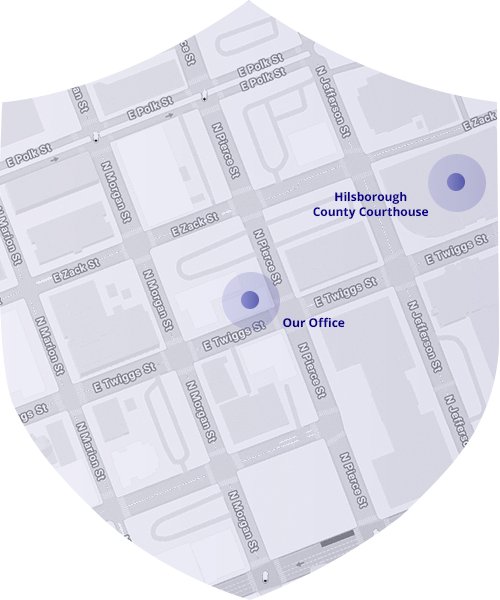
620 E. Twiggs Street, Suite 205, Tampa, FL 33602
Serving Hillsborough, Pinellas, and Pasco Counties
Part of the Forensic Evidence Series
Related Case Studies: DNA Evidence Defense | Aggravated Child Abuse Defense | Forensic Pathologist | Cell Phone Location Data Can prove You Were Not There | When Brain Damage Explains Criminal Conduct | Your BAC at the Station is Not Your BAC Behind the Wheel | When Police Destroy Evidence They Do Not Get the Benefit of the Doubt | When a Confession is Not a Confession | When the Car–Not the Driver–Caused the Crash | The Injuries Were Real–But They Were Not From the Alleged Rape | Similar Is not The Same: How a Firearms Expert Kept Out Prejudicial Evidence
Related Pages
Visit Us
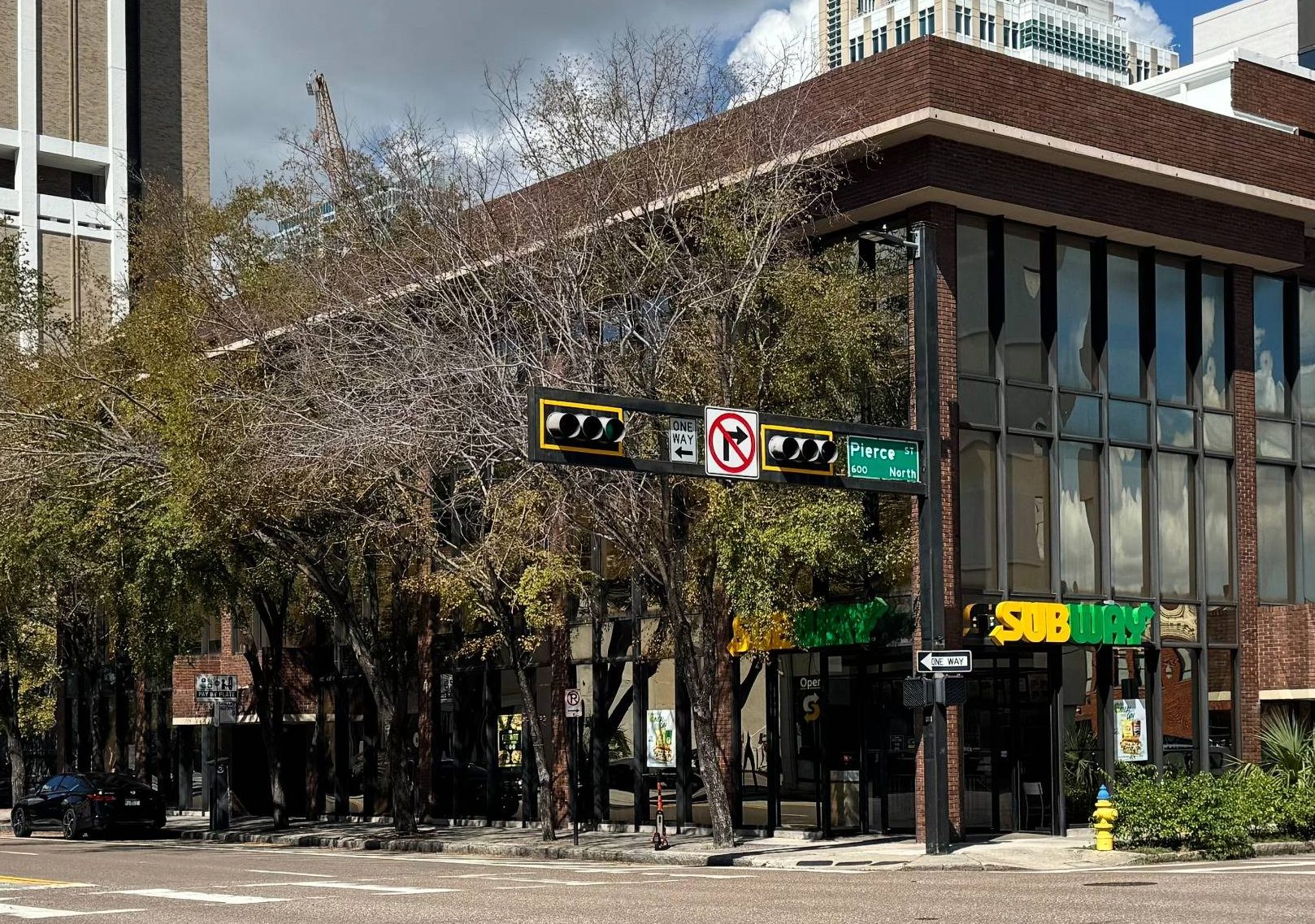
Suite #205
Tampa, FL 33602
Contact Us Now
Free Legal Consultation (813) 727-7159