- Free Consultation 24/7: (813) 727-7159 Tap Here To Call Us




Case Study: DNA Evidence Defense


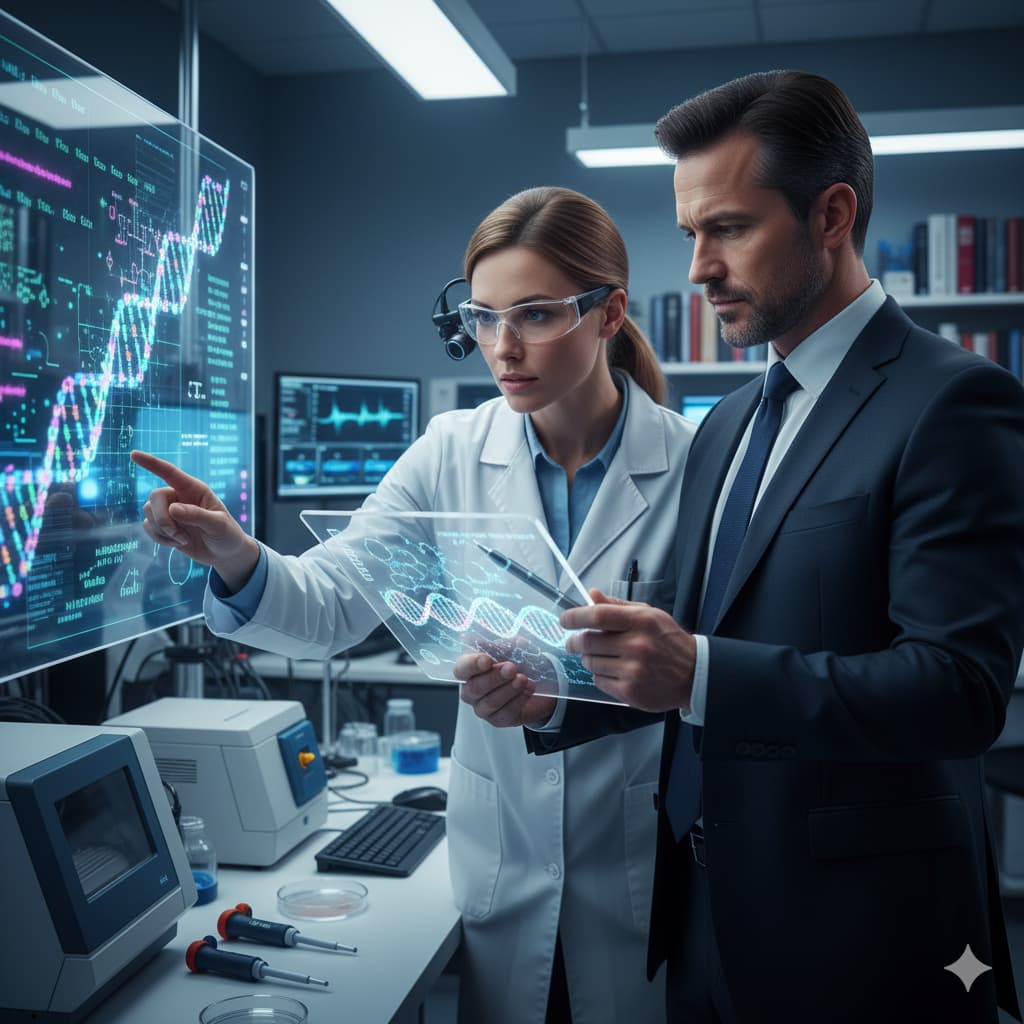
When Forensic DNA Science Carried the Day
A combat veteran still serving in the Army Reserves. A cold-hit DNA match from an eight-year-old sexual battery case. And crime scene photos so graphic they would have guaranteed a conviction if this case had gone to trial without the right investigation.
The prosecution believed they had an airtight case. Years earlier, investigators had recovered a partial DNA profile from a brutal sexual assault. Then, when they ran it through CODIS—the national DNA database—it produced a “cold hit” linking to my client.
However, cold hits are only as reliable as the science and interpretation behind them. And in this case, the science was wrong. I am Tampa Criminal Defense Attorney Rocky Brancato. This post is part of our forensic series put out by the Brancato Law Firm, P.A., your Tampa criminal forensic evidence law firm.
| What Is a CODIS Cold Hit? CODIS (Combined DNA Index System) is the FBI’s national DNA database containing profiles from convicted offenders, arrestees, and crime scenes. A “cold hit” occurs when DNA evidence from an unsolved case matches a profile in the database, potentially identifying a suspect years after the crime. However, cold hit matches depend entirely on proper laboratory procedures, accurate profile interpretation, and correct allele identification at every required genetic location. |
Why I Challenged the State’s DNA Evidence
Most attorneys accept DNA evidence at face value. After all, juries treat DNA as almost infallible. But I knew that DNA analysis involves human interpretation—and humans make mistakes.
So I started by subpoenaing the bench notes from the state’s forensic laboratory. These are the raw, handwritten or typed records that DNA analysts create during testing—notes on procedures, observations, amplification levels, and more. Essentially, they reveal not just the conclusions, but the entire process.
Additionally, I obtained the electronic raw data from the lab’s DNA analysis. Then I sent everything to a confidential private laboratory for independent review. These consultants would never testify—instead, they provided a neutral second opinion and advised me on what to look for.
The Turning Point: A Critical Mismatch
My confidential lab’s review uncovered a critical issue. According to their analysis, the state’s DNA analyst may have misinterpreted one of the alleles on my client’s DNA profile at a specific genetic location.
In forensic genetics, this matters enormously. A DNA profile must match at every required location; otherwise, the person is excluded. Consequently, one mismatch can mean the difference between identification and exoneration.
| What This Defense Required |
| First, I subpoenaed the state laboratory’s bench notes and raw electronic data. Then, I retained a confidential private laboratory for independent review. Additionally, I hired a university professor—an expert geneticist with courtroom experience. Moreover, my expert traveled with me and sat beside me during every deposition. Finally, he prepared me with precise questions to expose inconsistencies in the state’s analysis |
Bringing in the Right Expert
To fully address the issue, I retained a university professor—an expert geneticist and DNA specialist with extensive courtroom experience. Importantly, this expert could not only understand the science but also explain it clearly to a judge or jury.
He reviewed everything: the state’s lab reports, the bench notes, the raw data, and the findings from my confidential lab. His conclusion confirmed what we suspected—there was a mismatch. Specifically, the DNA profile the state relied on did not match my client at one critical locus.
But his work did not stop there. He traveled with me and sat by my side during every deposition of the state’s forensic experts. Furthermore, he prepared me with the right questions, flagged subtle inconsistencies in their findings, and helped shape a clear and persuasive challenge to their interpretation.
When the State’s Own Experts Admitted the Truth
Then the tide began to turn. One of the state’s own experts ultimately agreed: they had it wrong. The DNA did not match at the required threshold.
Meanwhile, another state expert could not bring herself to admit her mistake. However, her testimony crumbled under scrutiny. Faced with mounting scientific evidence and internal disagreement among their own analysts, the prosecutor had no choice.
| RESULT: CASE DISMISSED My client—a combat veteran who had served his country honorably—was cleared. He walked out no longer facing a wrongful conviction that could have cost him the rest of his life. |
What This Case Taught Me
Had we not gone the extra mile—had we not challenged the assumptions and brought in the right expert—my client might have spent the rest of his life behind bars for a crime he did not commit.
Like many of my most significant victories, this case was won not by theatrics or charm. Instead, it was won by science, preparation, and partnership with a true expert.
Frequently Asked Questions
Can DNA evidence be wrong?
Yes, absolutely. While DNA science is powerful, the results depend entirely on proper laboratory procedures and accurate interpretation. Consequently, analyst errors, contamination, degraded samples, and misread alleles can all lead to false matches.
What is a CODIS cold hit?
A CODIS cold hit occurs when DNA from an unsolved crime matches a profile in the FBI’s national DNA database. However, these matches require the same rigorous verification as any other DNA evidence. A cold hit is only as reliable as the science behind it.
What are DNA bench notes?
Bench notes are the raw, contemporaneous records that DNA analysts create during testing. Specifically, they document procedures, observations, amplification levels, and interpretive decisions. Defense attorneys can subpoena these notes to evaluate whether the analyst followed proper protocols.
How do you challenge DNA evidence in Florida?
Challenging DNA evidence requires obtaining the laboratory’s bench notes and raw electronic data, then retaining independent experts to review the analysis. Most importantly, defense counsel must depose the state’s analysts and expose any errors or inconsistencies in their methodology.
What does it mean if DNA doesn’t match at one locus?
In forensic DNA analysis, a profile must match at every required genetic location. Therefore, if there is a mismatch at even one locus, the suspect should be excluded. One mismatch can mean the difference between conviction and exoneration.
Why do I need a DNA expert in a sexual battery case?
Sexual battery cases often rely heavily on DNA evidence. Juries treat DNA as nearly infallible, so without your own expert to challenge the state’s analysis, you have almost no chance of fighting back. As a result, the right expert can mean the difference between prison and freedom.
Facing DNA Evidence in Your Case?
DNA evidence is not infallible. Unfortunately, laboratory errors, analyst mistakes, and flawed interpretations happen more often than prosecutors want to admit. If you are facing charges based on DNA evidence, you need an attorney who knows how to challenge the science.
For over 25 years, I have defended clients against the most serious charges in Tampa Bay. As a result, I understand how to subpoena laboratory records, retain the right experts, and expose flaws in the state’s forensic analysis.
Call (813) 727-7159 for a Confidential Consultation
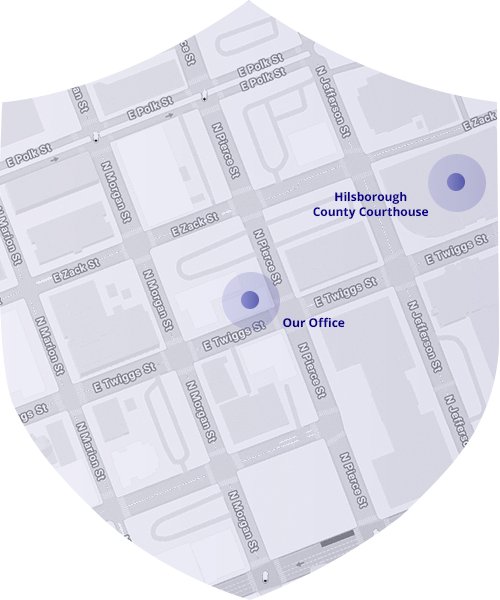
620 E. Twiggs Street, Suite 205, Tampa, FL 33602
Serving Hillsborough, Pinellas, and Pasco Counties
Related Case Studies: Aggravated Child Abuse Defense | Forensic Pathologist | Fingerprint Evidence is Not as Reliable as You Think | Cell Phone Location Data Can prove You Were Not There | When Brain Damage Explains Criminal Conduct | Your BAC at the Station is Not Your BAC Behind the Wheel | When Police Destroy Evidence They Do Not Get the Benefit of the Doubt | When a Confession is Not a Confession | When the Car–Not the Driver–Caused the Crash | The Injuries Were Real–But They Were Not From the Alleged Rape | Similar Is not The Same: How a Firearms Expert Kept Out Prejudicial Evidence
Related Pages
Visit Us
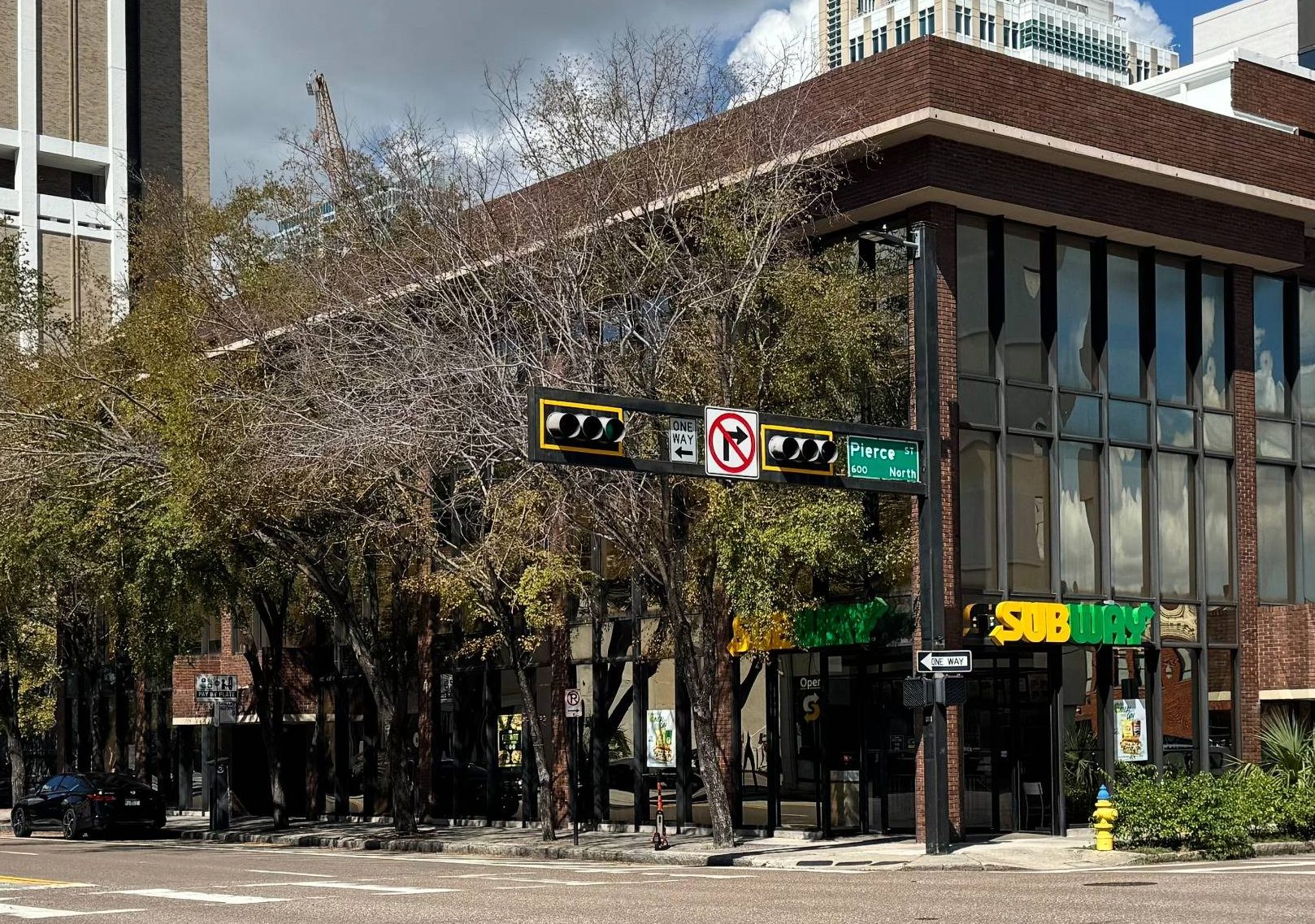
Suite #205
Tampa, FL 33602
Contact Us Now
Free Legal Consultation (813) 727-7159