- Free Consultation 24/7: (813) 727-7159 Tap Here To Call Us




When a Confession Is Not a Confession


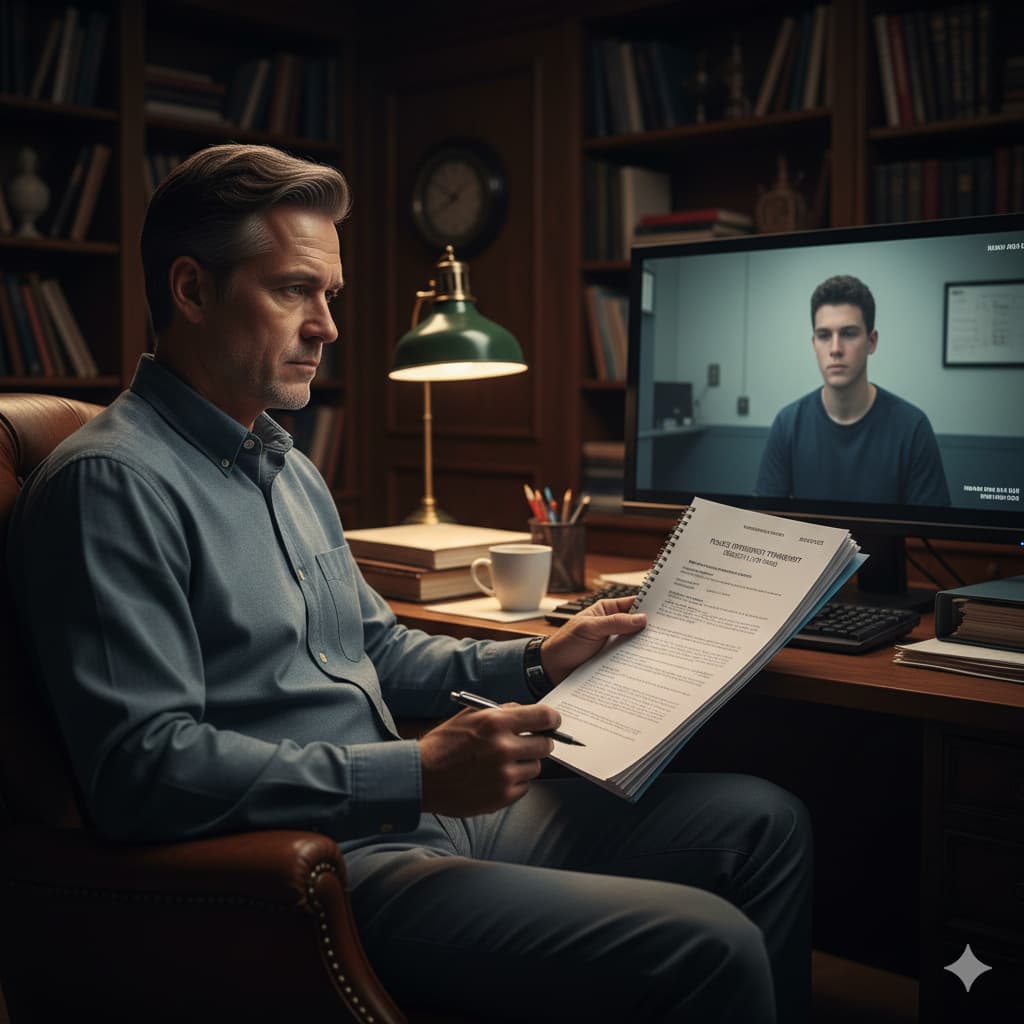
How a Forensic Psychologist Exposed a Coerced Confession from a Mentally Ill Child
A confession is supposed to be the most powerful evidence the state can present. When a defendant admits to the crime, most jurors assume the case is closed.
But not all confessions are what they appear to be. Some are coerced. Some are fed to vulnerable suspects by detectives who already believe they have the right person. And some come from children who are mentally ill, isolated, and desperate to make the interrogation stop.
In this case, a forensic psychologist examined the interrogation of a fourteen-year-old boy charged with a sex crime he almost certainly did not commit. What the expert found led to the suppression of the confession—and exposed how easily police can manufacture guilt from a vulnerable child. He exposed a coerced confession in Tampa. I am Tampa Criminal Defense Attorney Rocky Brancato. This post is part of our forensic series put out by the Brancato Law Firm, P.A., your Tampa criminal forensic evidence law firm.
| What Is a Forensic Psychologist? A forensic psychologist applies psychological principles to legal questions. In criminal cases, they evaluate defendants’ mental state, assess competency, and analyze whether confessions were voluntarily and knowingly given. They can review interrogation recordings, conduct psychological testing, and testify about factors that make certain individuals—especially juveniles and those with mental illness—vulnerable to coercive interrogation techniques. |
The Case: A Child No One Wanted
My client was a fourteen-year-old boy who had spent his entire life being passed from one caregiver to another. Removed from his biological mother at age two due to abuse of a sibling, he spent years in foster care before being adopted at age six.
But the adoption was never what it should have been. The adoptive mother never bonded with him. She viewed him as a problem to be managed, not a child to be loved. Over the years, she enrolled him in one residential treatment program after another—not because he needed it, but because she did not want him in her home.
Months before the incident, she had hired an attorney to terminate her parental rights. The court denied her request. She told the residential facility that she would rather be arrested for abandonment than take him back into her home. During family therapy sessions, she would read the newspaper when it was his turn to speak.
This was not a mother. This was someone looking for an exit—and she found one.
The Allegation: A Theory Built on Speculation
The boy was home for a weekend visit when the adoptive mother left him alone with an elderly relative who required twenty-four-hour care due to mental incapacity. When the mother returned, she noticed a swelling on the relative’s face.
She took the relative to a walk-in clinic. The doctor examined her, diagnosed an insect bite, and treated her with Benadryl and antibiotics. The doctor found no evidence of intentional trauma.
Later that evening, the mother noticed a small amount of blood on the relative’s diaper. The caregiver noted that the relative had a history of straining during bowel movements, which had caused bleeding in the past.
But the mother had a different theory. On the drive home from church that night, she decided that the boy must have sexually assaulted the relative. She called 911 and reported her speculation as fact.
| The Evidence That Did Not Exist • No DNA match from the rape kit • Physical examination results were within normal limits • The alleged victim was mentally incompetent and could not testify • The doctor who examined the victim found no evidence of assault • The only “evidence” was a confession extracted from a mentally ill child |
The Interrogation: A Textbook Case of Coercion
Police arrived at the home, handcuffed the boy, stripped him of his clothing, and transported him to the police station. They placed him in a locked holding cell. Then, close to midnight, two adult detectives brought the fourteen-year-old into a small interrogation room.
What happened next was a textbook case of coercive interrogation:
| Coercive Technique | What the Detectives Did |
| Physical Intimidation | Cornered the child at the far end of a small room, with both armed detectives blocking the door |
| False Evidence | Told the child they had found his semen and pubic hairs on the victim—a complete fabrication |
| False Statements | Falsely told the child that the victim said “this is not the first time you’ve done this” |
| Withholding Necessities | Withheld water for hours, then placed a bottle in sight but out of reach until the child agreed to provide a DNA sample |
| Promises of Leniency | Promised to get the child “help” if he confessed, implying cooperation was the only path forward |
| Minimization | Told the child this was just a “whole family thing” and that “we made mistakes when we were fourteen too” |
| Verbal Aggression | Raised their voices and repeatedly demanded the child “look at me!” |
The child initially denied any wrongdoing. He denied it again and again. But after hours of this treatment—late at night, alone, facing two armed adults who told him they already had proof—he began to agree with whatever the detectives suggested.
That was the “confession.”
The Forensic Psychologist’s Evaluation
I retained a forensic psychologist to evaluate my client and review the videotaped interrogation. The expert conducted multiple clinical interviews and administered standardized psychological testing.
The findings were significant:
- The child had serious mental illness—specifically, Bipolar Disorder with a manic episode at the time of interrogation
- Psychological testing showed markedly elevated scores on mania scales
- Cognitive testing revealed significant impairment in executive functioning
- The child had been in emotionally handicapped classes since kindergarten
- He had no prior criminal record and had never dealt with police or Miranda rights before
| The Forensic Psychologist’s Conclusion |
| “Based on my clinical interviews and review of the collateral data, it is my opinion that the confession was not knowingly and voluntarily given. Leading, suggestive, and confusing questions by the interviewers, their use of coercive interrogation techniques, the provision of misinformation, the inconsistency of his responses, and the defendant being a fourteen-year-old boy with serious mental illness at the time of the interview, serve as the primary basis for this opinion.” |
The Pattern of a Coerced Confession
The forensic psychologist identified a classic pattern in the interrogation that demonstrated “interrogative suggestibility”—vulnerability to outside influences, pressures, and misinformation:
- Stage 1: The child denies responsibility repeatedly
- Stage 2: When pressed with specific allegations, the child says he “doesn’t remember”
- Stage 3: After prolonged pressure, the child begins agreeing to accusations fed by the detectives
This pattern—denial, then uncertainty, then agreement—is a hallmark of false confessions. The child was not remembering what happened. He was capitulating to what the detectives told him must have happened.
| What Is a Coerced Confession? A coerced confession is a statement obtained through psychological pressure, deception, or exploitation of a suspect’s vulnerabilities rather than through the suspect’s free and voluntary choice to confess. Courts evaluate the “totality of the circumstances” to determine whether a confession was voluntary—including the suspect’s age, mental state, and experience with the legal system, as well as the interrogation techniques used by police. |
The Legal Standard for Juvenile Confessions
Florida courts apply heightened scrutiny to confessions obtained from juveniles. The state bears a “heavy burden” to demonstrate that a juvenile defendant knowingly and intelligently waived their constitutional rights.
Factors courts consider include:
- How Miranda rights were administered—including any cajoling or trickery
- The suspect’s age, experience, background, and intelligence
- Whether the juvenile was given an opportunity to consult with a parent or guardian
- Where the interrogation took place
- Whether police used threats, promises, or statements calculated to mislead the suspect
In this case, every factor weighed against the state. The child was mentally ill, had never dealt with police before, was interrogated late at night without a supportive adult, and was subjected to deception, false evidence claims, and psychological pressure.
The Critical Flaw: No Guardian to Protect Him
There was one more problem. The adoptive mother—the person who had called police with her speculation, who wanted to terminate her parental rights, who would rather be arrested for abandonment than take the child home—was the only adult consulted about the interrogation.
Her interests were entirely adverse to the child’s. She was not his advocate. She was his accuser.
Under these circumstances, the child should have had a guardian appointed before any questioning. Instead, he faced two armed detectives alone, with no one in his corner.
| RESULT: FELONY SEX CHARGES REDUCED TO MISDEMEANOR BATTERY The forensic psychologist’s testimony demonstrated that the confession was not knowingly and voluntarily given. Without a reliable confession—and with no physical evidence to support the sexual battery allegations—the state could not proceed on the original charges. The case resolved for a misdemeanor battery. |
What This Case Teaches About Challenging Confessions
- A confession is not the end of the case. Even when a defendant has confessed, the voluntariness of that confession can be challenged—especially when the defendant is a juvenile or has mental health issues.
- Forensic psychologists can expose coercion. An expert who reviews the interrogation recording and evaluates the defendant can identify coercive techniques and explain to the court why the confession should not be trusted.
- Juveniles are especially vulnerable. Courts recognize that children are more susceptible to pressure, more likely to comply with authority figures, and less able to understand their rights—which is why juvenile confessions receive heightened scrutiny.
- Mental illness compounds vulnerability. A defendant with serious mental illness may be even less able to resist interrogation pressure or make a knowing, voluntary decision to confess.
- Look for who benefits from the accusation. In this case, the adoptive mother had been trying to get rid of the child for months. Her “theory” gave her exactly what she wanted—and police never questioned her motive.
Frequently Asked Questions
Can a confession be thrown out of court?
Yes. If a confession was not given voluntarily—meaning it was the product of coercion, deception, or exploitation of the defendant’s vulnerabilities—it can be suppressed. The defense must file a motion to suppress and prove that the confession was involuntary under the totality of the circumstances.
What makes a confession involuntary?
Courts consider factors including: whether police made false promises or threats, whether they lied about evidence, whether they exploited the defendant’s mental illness or youth, whether the defendant was deprived of food, water, or sleep, and whether the defendant had access to a supportive adult or attorney.
What is a forensic psychologist?
A forensic psychologist applies psychological expertise to legal questions. They can evaluate defendants, review interrogation recordings, conduct psychological testing, and testify about factors that may have affected the voluntariness of a confession or the defendant’s mental state.
Are juvenile confessions treated differently?
Yes. Florida courts apply heightened scrutiny to juvenile confessions. The state bears a “heavy burden” to prove that a juvenile knowingly and intelligently waived their rights. Factors like age, mental capacity, and experience with the legal system all weigh heavily in the analysis.
Can police lie during interrogations?
Police are generally permitted to use deception during interrogations—but when combined with other coercive factors, lies about evidence can contribute to a finding that a confession was involuntary. This is especially true with juveniles and mentally ill defendants who may be more susceptible to believing false claims.
What if my child confessed but didn’t do it?
False confessions happen more often than people realize—especially with juveniles and individuals with mental illness. A forensic psychologist can evaluate the circumstances of the confession and provide expert testimony on whether it was truly voluntary or the product of coercion.
Was a Confession Coerced?
A confession is only as reliable as the circumstances under which it was obtained. When police use coercion, deception, or psychological pressure—especially against juveniles or individuals with mental illness—the result is not a confession. It is manufactured evidence.
For over 25 years, I have defended clients against serious charges in Tampa Bay. I know how to challenge confessions, work with forensic psychologists, and expose coercive interrogation techniques that violate my clients’ constitutional rights.
Call (813) 727-7159 for a Confidential Consultation
The Brancato Law Firm, P.A.
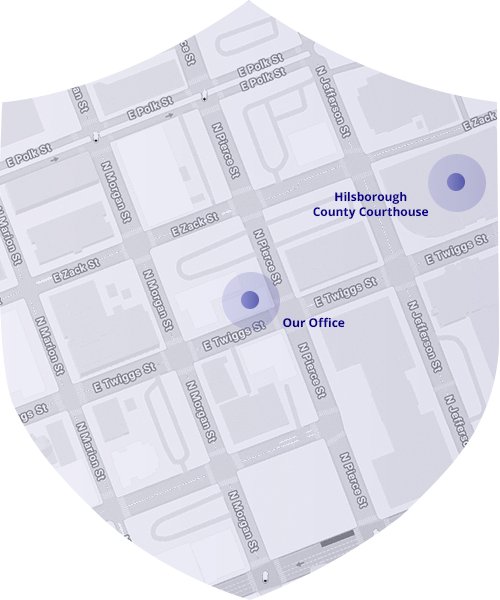
620 E. Twiggs Street, Suite 205, Tampa, FL 33602
Serving Hillsborough, Pinellas, and Pasco Counties
Part of the Forensic Evidence Series
Related Case Studies: DNA Evidence Defense | Aggravated Child Abuse Defense | Forensic Pathologist | Fingerprint Evidence is Not as Reliable as You Think | Cell Phone Location Data Can prove You Were Not There | When Brain Damage Explains Criminal Conduct | Your BAC at the Station is Not Your BAC Behind the Wheel | When Police Destroy Evidence They Do Not Get the Benefit of the Doubt | When the Car–Not the Driver–Caused the Crash | The Injuries Were Real–But They Were Not From the Alleged Rape | Similar Is not The Same: How a Firearms Expert Kept Out Prejudicial Evidence
Related Pages
Visit Us
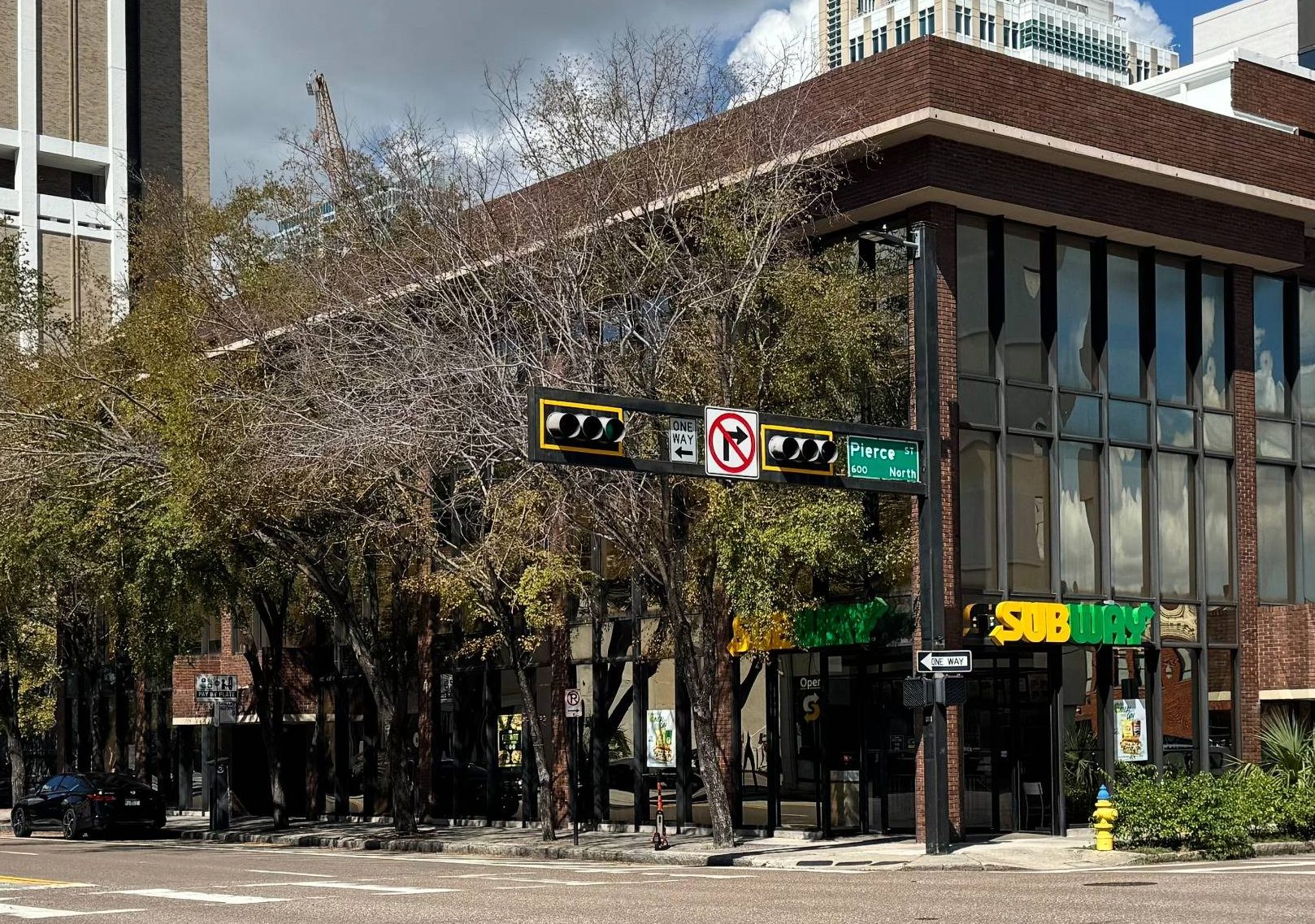
Suite #205
Tampa, FL 33602
Contact Us Now
Free Legal Consultation (813) 727-7159