- Free Consultation 24/7: (813) 727-7159 Tap Here To Call Us




The Injuries Were Real—But They Were Not From the Alleged Rape


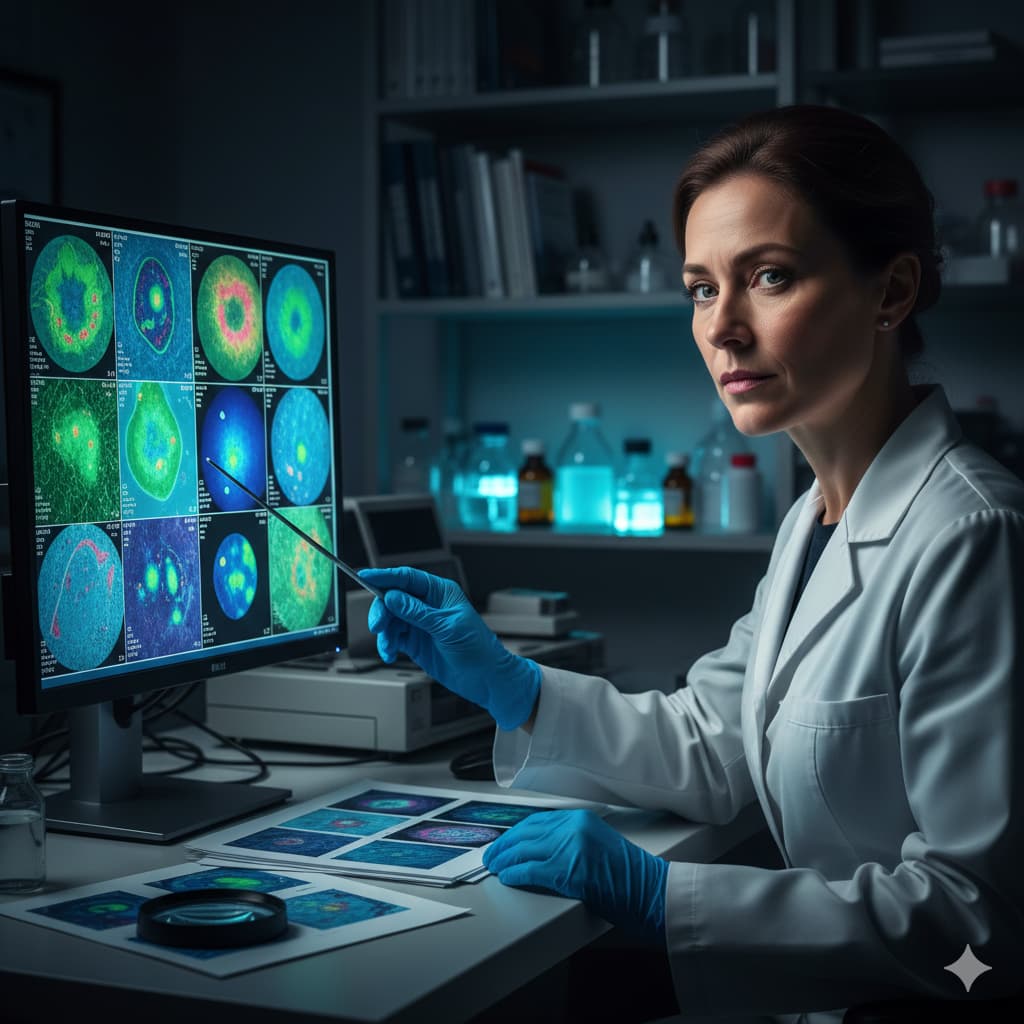
How a Forensic Pathologist Challenged the Timing and Cause of Genital Injuries
In sexual battery cases, prosecutors often present medical evidence as if it proves the crime occurred. A nurse examines the alleged victim, documents injuries, and concludes they are “consistent with forced sexual trauma.”
But “consistent with” is not the same as “caused by.” Injuries that appear consistent with assault may have other explanations—including timing that does not match the alleged incident or causes unrelated to the accusations.
In this case, a forensic pathologist reviewed the photographic evidence from a rape examination and reached a conclusion that contradicted the nurse’s findings: the injuries were not recent, and they could have been caused by something entirely different. I am Tampa Criminal Defense Attorney Rocky Brancato. This post is part of our forensic series put out by the Brancato Law Firm, P.A., your Tampa criminal forensic evidence law firm.
| What Is a Forensic Pathologist? A forensic pathologist is a medical doctor who specializes in determining the cause, timing, and mechanism of injuries or death. They are trained to analyze wounds, tissue damage, and medical imaging to provide expert opinions in legal cases. In sexual assault cases, a forensic pathologist can review examination photographs and medical records to assess whether injuries are consistent with the alleged assault—including whether the timing and characteristics of the injuries match the accusation. |
The Case: An Accusation Against a Boyfriend
My client was accused of raping his girlfriend. She reported the alleged assault, underwent a forensic examination, and my client was charged with sexual battery.
The state’s case relied heavily on the medical evidence. A Sexual Assault Nurse Examiner (SANE) had conducted the examination, documented injuries to the victim’s genital area, and concluded that the findings were “consistent with forced sexual trauma.”
On its face, this looked like powerful evidence. But I knew that SANE nurse conclusions are not the final word—they are opinions that can be challenged by experts with more specialized training.
| What Is a SANE Nurse? A Sexual Assault Nurse Examiner (SANE) is a registered nurse with specialized training in conducting forensic examinations of sexual assault victims. SANE nurses collect evidence, document injuries, and provide opinions about whether findings are consistent with reported trauma. However, SANE nurses are not physicians and do not have the same level of training as forensic pathologists in evaluating wound characteristics, injury timing, or alternative causes of physical findings. |
The Evidence: Colposcope Photos and Medical Records
The forensic examination had produced detailed photographic evidence, including colposcope images of the alleged victim’s genital area.
| What Is a Colposcope? A colposcope is a magnifying instrument used to examine the genital area in detail during forensic sexual assault examinations. It provides illuminated, magnified images that allow examiners to document injuries that might not be visible to the naked eye. The photographs produced by colposcopic examination can be reviewed by medical experts to assess the nature, severity, and timing of any injuries. |
The SANE nurse had reviewed these images and documented her conclusion: the injuries were consistent with forced sexual trauma. This conclusion would be presented to the jury as evidence that the alleged rape had occurred.
But there was more to the story. The investigation had also revealed that the alleged victim possessed a personal vibrating device—commonly called a “silver bullet”—that she used regularly.
This detail raised an important question: could the documented injuries have been caused by something other than the alleged assault?
The Expert: A Forensic Pathologist Reviews the Evidence
I retained a forensic pathologist to conduct an independent review of the photographic evidence and medical records from the examination.
Unlike the SANE nurse, the forensic pathologist had extensive training in evaluating wound characteristics, including the ability to assess the age and timing of injuries based on their appearance.
The expert reviewed the colposcope photographs carefully, examining the characteristics of the documented injuries.
The Expert’s Findings
The forensic pathologist’s conclusions directly contradicted the SANE nurse’s opinion:
| Forensic Pathologist’s Conclusions |
| 1. The injuries were not recent. Based on the characteristics visible in the photographs, the documented injuries did not appear to be fresh or consistent with the timeframe of the alleged assault. 2. The timing did not match the allegation. The appearance of the injuries suggested they had occurred at a different time than when the alleged rape was reported to have taken place. 3. The injuries could have been caused by the vibrating device. The characteristics and location of the injuries were consistent with regular use of a personal device like the one found in the alleged victim’s possession. |
What the Expert’s Findings Meant for the Case
The forensic pathologist’s opinion undermined the prosecution’s central piece of medical evidence:
- The SANE nurse said the injuries were “consistent with forced sexual trauma”—but the forensic pathologist found they were not recent enough to match the alleged assault
- The prosecution would argue the injuries proved the rape occurred—but an alternative explanation existed that was equally consistent with the physical findings
- The jury would have to decide whether to believe the accuser’s account or the physical evidence suggesting a different timeline and cause
This was not about whether the alleged victim had injuries. She did. The question was whether those injuries were caused by my client—or by something else entirely.
SANE Nurse vs. Forensic Pathologist: Different Training, Different Conclusions
| Factor | SANE Nurse | Forensic Pathologist |
| Training | Nursing degree plus specialized SANE certification | Medical degree plus pathology residency and forensic fellowship |
| Primary Role | Collect evidence and document findings | Analyze evidence and determine causation |
| Injury Timing | Limited training in assessing wound age | Extensive training in determining when injuries occurred |
| Alternative Causes | May not fully evaluate other explanations | Trained to consider all possible causes of injuries |
| Conclusion | “Consistent with forced sexual trauma” | “Not recent; could be caused by personal device” |
| RESULT: CASE RESOLVED FAVORABLY The forensic pathologist’s findings—challenging both the timing and the cause of the documented injuries—fundamentally changed the strength of the prosecution’s case and led to a favorable resolution for my client. |
What This Case Teaches About Challenging Medical Evidence
- “Consistent with” does not mean “caused by.” SANE nurse conclusions are opinions, not facts. An injury consistent with assault may also be consistent with other causes.
- Timing matters. A forensic pathologist can evaluate whether injuries are recent or older—and whether the timing matches the alleged incident.
- Alternative explanations must be investigated. Defense attorneys should explore whether documented injuries could have been caused by something other than the alleged assault.
- Forensic pathologists outrank SANE nurses in medical expertise. When the state presents a nurse’s opinion, a physician with specialized training can provide a more authoritative counter-opinion.
- Request all photographic evidence. Colposcope images and other photographic evidence can be reviewed independently by defense experts who may reach different conclusions.
Frequently Asked Questions
Yes. SANE nurse conclusions are opinions based on their training and observations. A forensic pathologist or other medical expert with more specialized training can review the same evidence and reach different conclusions about injury timing, causation, or significance.
“Consistent with” means the findings do not contradict the reported assault—but it does not mean the findings prove the assault occurred. Injuries can be “consistent with” multiple causes, including causes unrelated to the allegation.
A forensic pathologist is a physician who specializes in determining the cause, timing, and mechanism of injuries or death. They have extensive training in wound analysis and can provide expert opinions about when injuries occurred and what caused them.
Injury timing can be critical evidence. If a forensic expert determines that documented injuries occurred before or after the alleged assault, this undermines the prosecution’s claim that the defendant caused those injuries.
A colposcope is a magnifying instrument used during forensic examinations to document injuries in detail. The photographs produced during colposcopic examination can be reviewed by medical experts to assess injury characteristics, timing, and potential causes.
Retain a qualified forensic expert—such as a forensic pathologist—to independently review the examination photographs, medical records, and SANE nurse conclusions. The expert can assess whether the evidence supports the allegation or whether alternative explanations exist.
Facing Sexual Battery Charges Based on Medical Evidence?
Medical evidence in sexual assault cases is often presented as if it proves guilt. But SANE nurse conclusions are opinions—not facts—and they can be challenged by experts with more specialized training.
For over 25 years, I have defended clients against serious charges in Tampa Bay. I know how to obtain and analyze forensic examination evidence, retain qualified experts to challenge prosecution conclusions, and present alternative explanations to the jury.
Call (813) 727-7159 for a Confidential Consultation
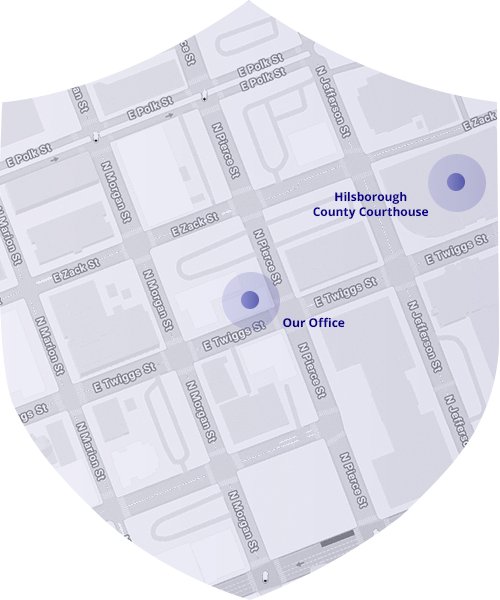
620 E. Twiggs Street, Suite 205, Tampa, FL 33602
Serving Hillsborough, Pinellas, and Pasco Counties
Part of the Forensic Evidence Series
Related Case Studies: DNA Evidence Defense | Aggravated Child Abuse Defense | Forensic Pathologist | Fingerprint Evidence is Not as Reliable as You Think | Cell Phone Location Data Can prove You Were Not There | When Brain Damage Explains Criminal Conduct | Your BAC at the Station is Not Your BAC Behind the Wheel | When Police Destroy Evidence They Do Not Get the Benefit of the Doubt | When a Confession is Not a Confession | When the Car–Not the Driver–Caused the Crash | Similar Is not The Same: How a Firearms Expert Kept Out Prejudicial Evidence
Related Pages
Why Expert Witnesses are Not Optional in Major Crimes Cases

Visit Us
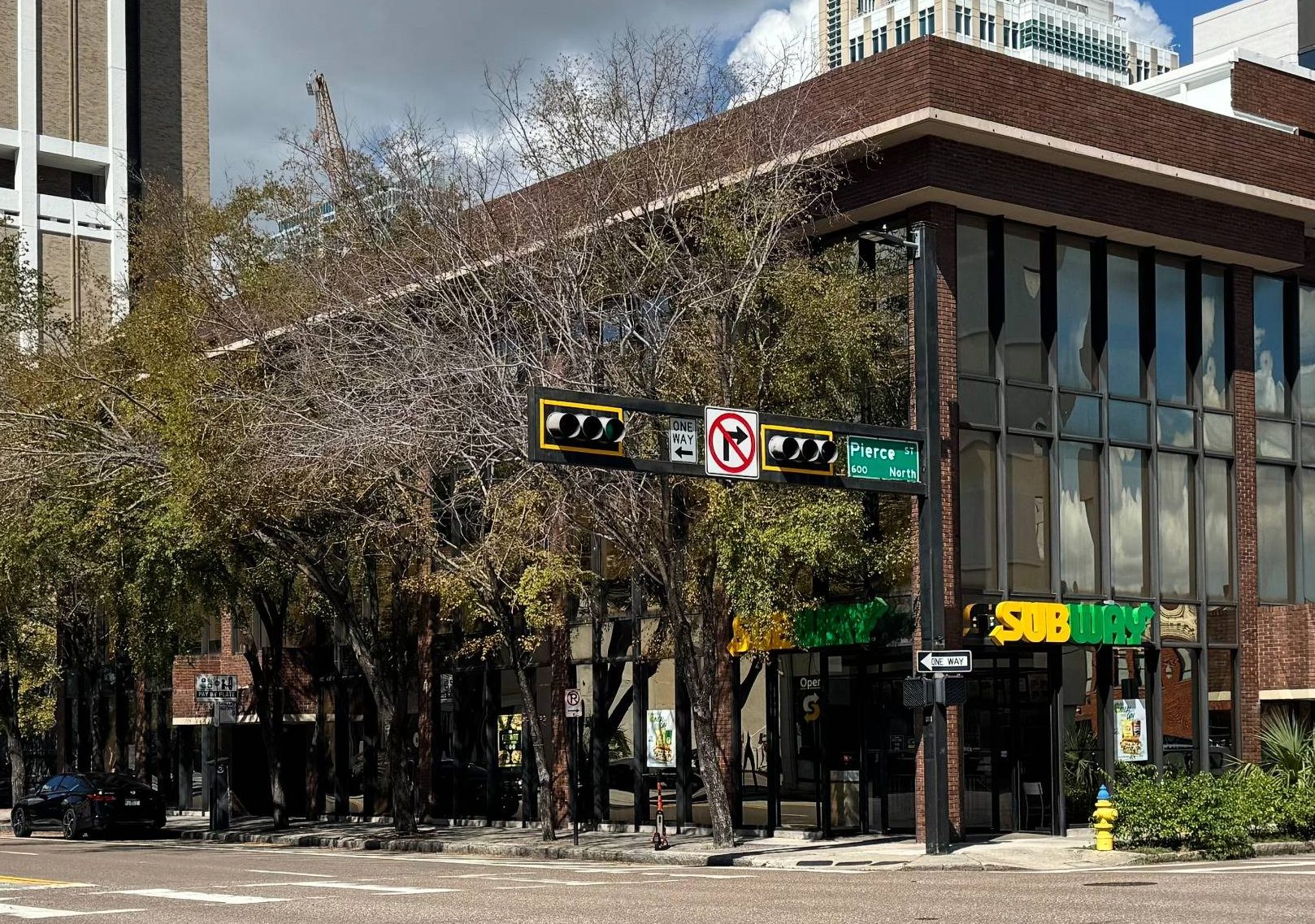
Suite #205
Tampa, FL 33602
Contact Us Now
Free Legal Consultation (813) 727-7159