- Free Consultation 24/7: (813) 727-7159 Tap Here To Call Us




Cell Phone Location Data Can Prove You Were Not There


A Case Study in Digital Forensics, Strategic Risk, and the Power of Location Evidence
Your cell phone knows where you have been. Every day, it logs location data—GPS coordinates, cell tower connections, Wi-Fi networks—creating a digital trail of your movements.
Prosecutors use this data to place defendants at crime scenes. But the same evidence can also prove the opposite: that you were somewhere else entirely when the crime occurred.
In this case, cell phone location data provided the alibi that led to a not guilty verdict. I am Tampa Criminal Defense Attorney Rocky Brancato. This post is part of our forensic series put out by the Brancato Law Firm, P.A., your Tampa criminal forensic evidence law firm.
| What Is Cell Phone Location Evidence? Cell phone location evidence includes GPS data, cell tower records, Wi-Fi connection logs, and app-based location tracking stored on the device or with service providers. When location services are enabled, the phone continuously records geographic coordinates that can place the user at specific locations at specific times. A forensic data expert can extract and analyze this information to either support or refute the prosecution’s theory of the case. |
The Case: Robbery Accusation with an Untouched Phone
Our client was accused of committing a robbery at a specific location. Police arrested him later at a different location, and his cell phone was left in the car. Here is what made this case unusual: the police never examined the phone.
That phone sat in evidence, untouched, potentially containing data that could either convict or exonerate our client. The question was whether to pursue it.
| The Strategic Risk Every Defense Attorney Must Consider If the defense asks to examine evidence that the state has not yet analyzed, the state will almost certainly examine it too. That phone could contain helpful location data—or it could contain additional evidence against the client. This decision cannot be made lightly. |
The Case Conference: Assessing the Risk
As Chief Operations Officer of the Hillsborough County Public Defender’s Office, one of my responsibilities was conducting daily case conferences with attorneys to provide strategic guidance on their cases. This case required exactly that kind of careful analysis.
The first part of our conference centered on the dangers of requesting the cell phone from evidence. If we examine it, the state will surely examine it—and there may be additional evidence against our client. Text messages, photos, search history, communications with co-defendants—any of these could make the case worse.
I sent the attorney back to the jail to scrutinize the client on this exact issue. We needed to know: Was he absolutely certain he was not at the location of the robbery? Did he understand that opening this door could backfire?
The client insisted he was not at the location of the crime. He was confident the phone would help, not hurt.
The Decision: Retrieving and Preserving the Evidence
Based on the client’s insistence, we filed a motion to obtain the phone from evidence. Then we retained a forensic data expert to examine it properly.
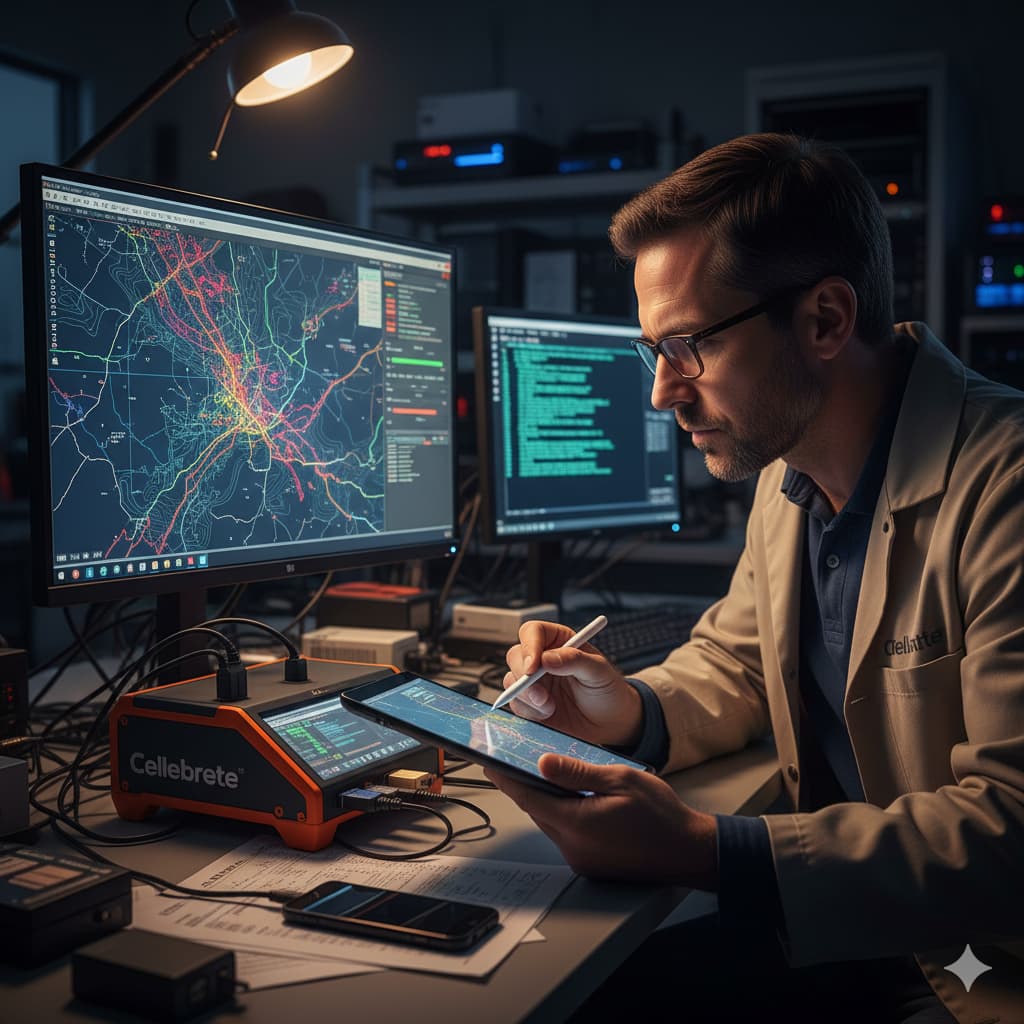
The expert used Cellebrite—a forensic extraction tool that preserves the phone and creates a bit-by-bit mirror image of all data. This is critical: proper forensic extraction maintains the integrity of the evidence and ensures nothing is altered or lost during analysis.
| What Is Cellebrite? Cellebrite is an industry-standard forensic extraction tool used by law enforcement and defense experts to collect data from mobile devices. It creates a complete, bit-by-bit mirror image of the phone’s contents—including deleted files, location data, messages, photos, and app data. Proper forensic extraction preserves evidence integrity and creates a defensible chain of custody. |
What the Phone Revealed
What we found changed the course of the case.
The phone had location services turned on. The forensic extraction revealed GPS data showing that the client’s phone was in an entirely different location at the time of the crime.
Not nearby. Not in the general area. A completely different location—miles away from where the robbery occurred.
The State’s Challenge: “Was It Even His Phone?”
Faced with this evidence, the prosecution challenged whether the phone actually belonged to our client. After all, if someone else was carrying the phone, the location data would be meaningless.
But the forensic extraction had captured more than just location data. The phone contained:
- Photos of the client
- Email accounts in his name
- Social media profiles linked to him
- Personal communications consistent with his identity
All of this evidence tended to prove the phone belonged to our client. The state’s challenge fell flat.
| RESULT: NOT GUILTY The case went to trial. The jury heard the location evidence. They returned a verdict of not guilty. |
What This Case Teaches About Cell Phone Evidence
- Cell phone location data can provide a powerful alibi. If your phone was somewhere else, and you can prove it was your phone, you may be able to establish that you were not at the crime scene.
- Pursuing evidence the state has ignored is a calculated risk. Before requesting examination, scrutinize your client thoroughly. Make sure they understand the potential downside.
- Proper forensic extraction is essential. Tools like Cellebrite preserve the integrity of the evidence and capture data that might otherwise be missed or lost.
- Anticipate the state’s counterarguments. If you present location data, expect them to challenge phone ownership. Make sure the extraction captures evidence of ownership as well.
- Forensic data experts can make the difference. Without proper extraction and expert analysis, critical evidence may never come to light.
Types of Cell Phone Location Evidence
| Data Type | What It Shows |
| GPS Coordinates | Precise latitude/longitude from satellite—most accurate location data available |
| Cell Tower Records | Which towers the phone connected to—shows general area but not precise location |
| Wi-Fi Connection Logs | Networks the phone connected to—can place phone at specific businesses or homes |
| App Location Data | Location logged by apps like Google Maps, social media, weather—often timestamped |
| Photo Metadata | GPS coordinates embedded in photos—can prove where and when photos were taken |
Frequently Asked Questions
Can cell phone location data prove I was not at the crime scene?
Yes. If your phone has location services enabled, it may contain GPS data, cell tower records, or app-based location logs showing where the phone was at specific times. If the phone was elsewhere during the crime, and you can establish the phone was in your possession, this can serve as alibi evidence.
What is Cellebrite and how does it work?
Cellebrite is a forensic extraction tool used to collect data from mobile devices. It creates a complete bit-by-bit mirror image of the phone’s contents, including deleted files, location data, messages, photos, and app data. This preserves evidence integrity and maintains chain of custody.
Should I ask the police to examine my phone if it could help my case?
This is a strategic decision that requires careful analysis. If you request examination, the state will likely examine the phone too—and may find additional evidence against you. Discuss this thoroughly with your attorney before making any decision.
How accurate is cell phone GPS data?
GPS data from smartphones is typically accurate within a few meters under good conditions. Cell tower data is less precise—it shows general area rather than exact location. A forensic expert can explain the accuracy and limitations of different types of location data.
What if the prosecution says the phone was not mine?
This is a common counterargument. A thorough forensic extraction will capture evidence of ownership—photos, email accounts, social media profiles, personal communications—that can establish the phone belonged to you. Anticipate this challenge and prepare accordingly.
Do I need a forensic data expert for cell phone evidence?
Yes. Proper forensic extraction requires specialized tools and expertise. An expert can preserve evidence integrity, interpret technical data, and testify about findings in court. Without proper extraction, critical evidence may be missed, corrupted, or ruled inadmissible.
Could Your Cell Phone Prove Your Innocence?
Cell phone evidence cuts both ways. The same data that prosecutors use to place defendants at crime scenes can also prove they were somewhere else entirely. But extracting and presenting this evidence requires strategic thinking, proper forensic tools, and expert analysis.
For over 25 years, I have defended clients against serious charges in Tampa Bay. I understand digital forensics, I know how to evaluate the risks and benefits of pursuing evidence, and I work with forensic data experts who can extract and analyze cell phone data properly.
Call (813) 727-7159 for a Confidential Consultation
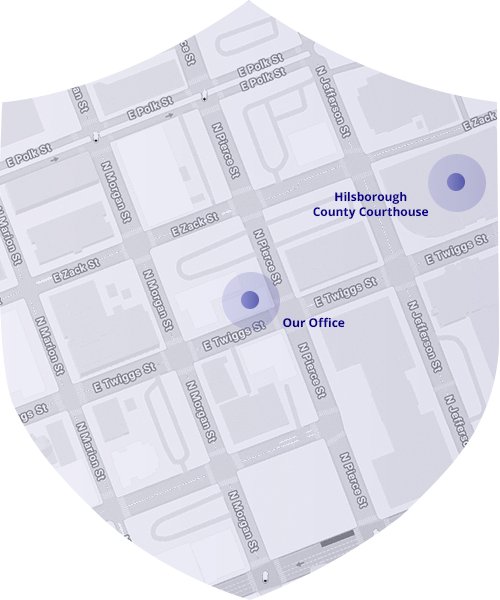
620 E. Twiggs Street, Suite 205, Tampa, FL 33602
Serving Hillsborough, Pinellas, and Pasco Counties
Part of the Forensic Evidence Series
Related Case Studies: DNA Evidence Defense | Aggravated Child Abuse Defense | Forensic Pathologist | Fingerprint Evidence is Not as Reliable as You Think | When Brain Damage Explains Criminal Conduct | Your BAC at the Station is Not Your BAC Behind the Wheel | When Police Destroy Evidence They Do Not Get the Benefit of the Doubt | When a Confession is Not a Confession | When the Car–Not the Driver–Caused the Crash | The Injuries Were Real–But They Were Not From the Alleged Rape | Similar Is not The Same: How a Firearms Expert Kept Out Prejudicial Evidence
Related Pages
Visit Us
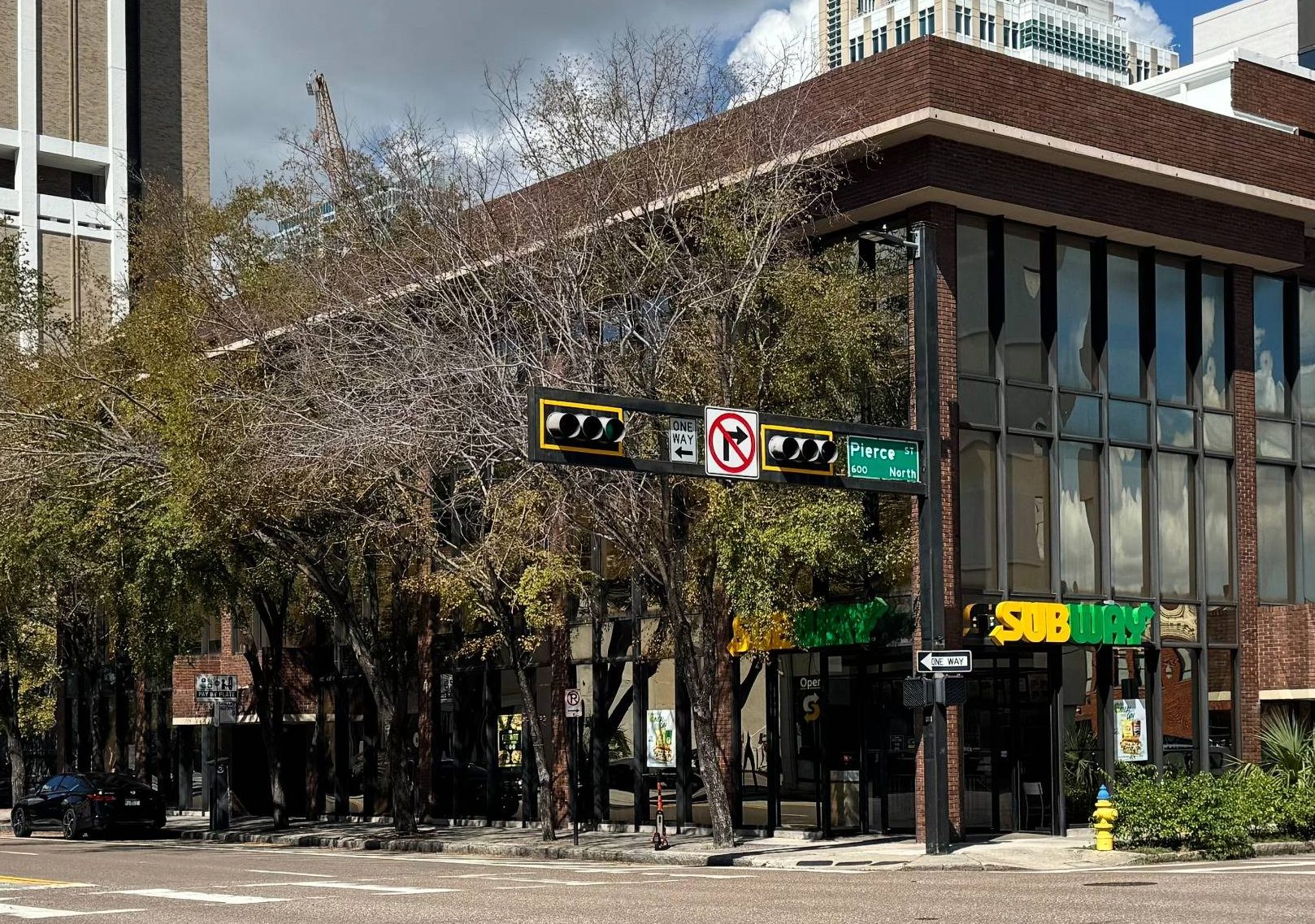
Suite #205
Tampa, FL 33602
Contact Us Now
Free Legal Consultation (813) 727-7159