Strategic Defense,
From First DUI to Death Penalty
From First DUI to Death Penalty




When Science Is the Difference Between Prison and Freedom
In criminal cases, forensic evidence can make or break a prosecution. After all, DNA, fingerprints, cell phone records, medical examinations, ballistics, and toxicology reports carry enormous weight with juries. Prosecutors present this evidence as if it proves guilt beyond any doubt.
However, forensic evidence is not infallible. Laboratory errors occur regularly. Analysts sometimes misinterpret data. Experts occasionally reach conclusions that the science does not support. Moreover, prosecutors routinely overstate what forensic evidence actually proves.
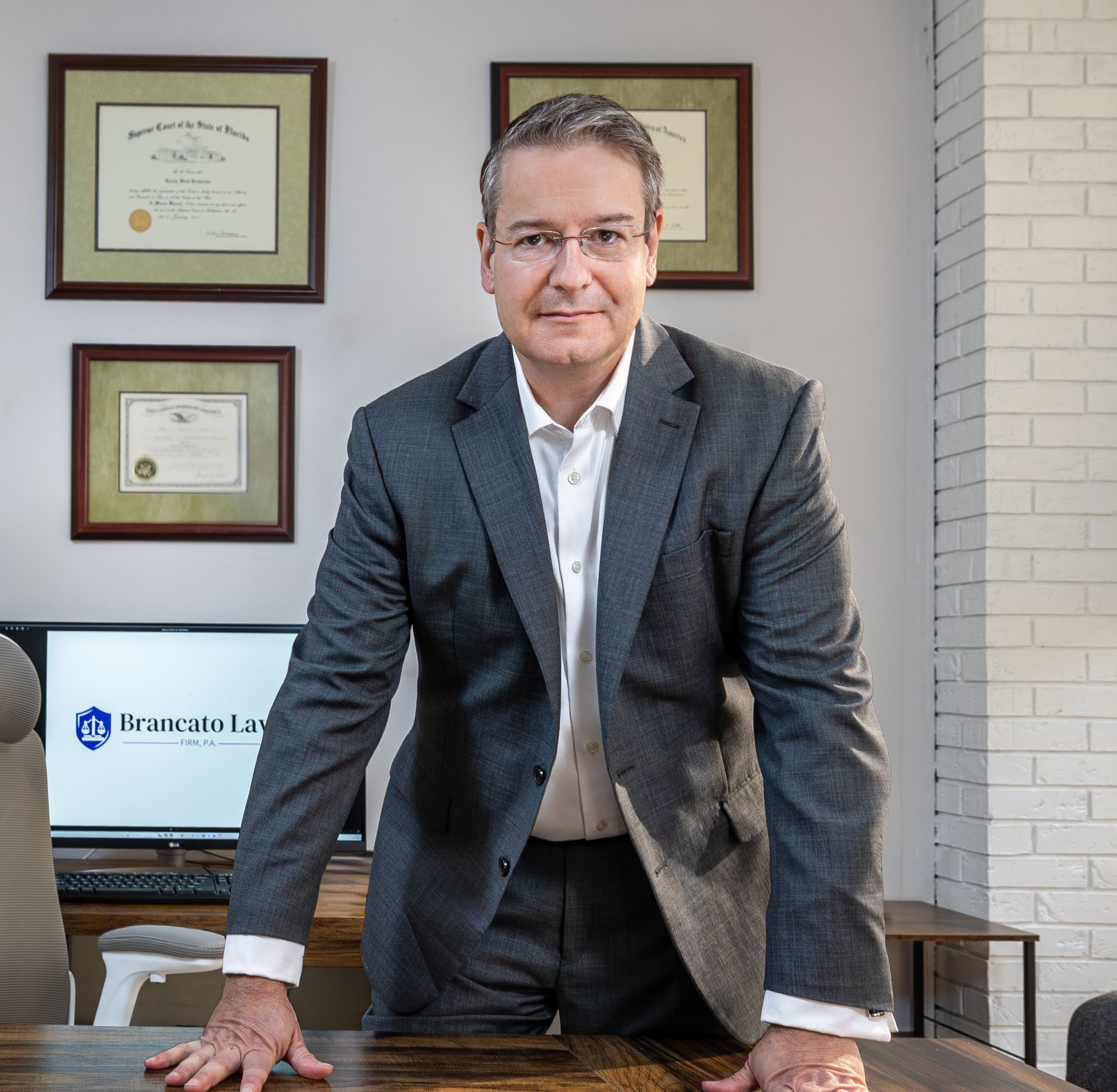
To effectively challenge forensic evidence, your attorney must understand the science. Specifically, they must know what questions to ask, which experts to retain, and how to expose the weaknesses in the state’s case. Without this knowledge, critical defense opportunities go unexplored. I am Tampa Criminal Defense Attorney Rocky Brancato. I have spent more than 25 years learning forensic science by doing. My firm, the Brancato Law Firm, P.A., is your Tampa criminal forensic evidence law firm.
When evaluating criminal defense attorneys, most people focus on courtroom experience and case results. These factors matter. However, there is another criterion that can be equally important: does the attorney understand forensic science?
An attorney who lacks forensic knowledge cannot effectively challenge forensic evidence. For example, they may not recognize when an expert’s conclusions exceed what the science supports. Similarly, they may lack awareness of which defense experts to retain. As a result, the technical questions that could undermine the prosecution’s case often go unasked.
Conversely, an attorney who understands forensic science can identify weaknesses that others miss. Such an attorney knows that fingerprint analysis involves subjective interpretation. They understand that cell phone location data has significant limitations. Additionally, they recognize when a toxicology report’s conclusions do not match the underlying data.
Ultimately, this knowledge translates directly into better defense strategies and better outcomes.
| Questions to Ask When Hiring a Criminal Defense Attorney |
| • Do you have experience challenging forensic evidence? • Which forensic experts have you worked with on previous cases? • Can you explain the limitations of the forensic evidence in my case? • How would you challenge the state’s expert witnesses? • What defense experts might be needed for a case like mine? |
Throughout my 25+ years defending clients in Tampa Bay, I have developed extensive knowledge of forensic science and how to challenge it effectively. As a result, I understand the strengths and limitations of different types of forensic evidence. Furthermore, I know which experts can help and how to use their testimony strategically.
As Chief Operations Officer of the Hillsborough County Public Defender’s Office, I oversaw complex cases involving every type of forensic evidence imaginable. Consequently, this experience taught me that prosecutors routinely overstate what forensic science proves—and that knowledgeable defense attorneys can expose these overstatements.
Today, I apply this knowledge to defend clients against serious charges. When forensic evidence threatens to convict my clients, I know precisely how to fight back.
In cases involving forensic evidence, expert witnesses are not a luxury—they are a necessity. After all, the prosecution will present experts who testify that the evidence proves guilt. Without your own experts to challenge these conclusions, the jury hears only one side of the story.
I work with forensic experts across every discipline: forensic pathologists, toxicologists, DNA analysts, fingerprint examiners, cell phone location experts, accident reconstructionists, forensic psychologists, firearms specialists, and digital forensics professionals. Together, these experts provide the scientific foundation for mounting effective challenges to the state’s evidence.
Learn more: Why Expert Witnesses Are Not Optional in Serious Criminal Cases
| Evidence Type | How I Challenge It |
| DNA Evidence | Challenge collection procedures, chain of custody, mixture interpretation, contamination issues, and statistical calculations |
| Fingerprint Evidence | Expose the subjective nature of fingerprint comparison and the lack of scientific standards for declaring a “match” |
| Cell Phone Location | Challenge assumptions about cell tower coverage, demonstrate how location data is often misinterpreted by investigators |
| Toxicology Reports | Use retrograde extrapolation experts to challenge BAC calculations, question testing procedures and timing |
| Medical Examinations | Retain forensic pathologists to challenge injury timing, causation, and conclusions that exceed the medical evidence |
| Digital Evidence | Work with data recovery experts to challenge evidence destruction claims and recover exculpatory data |
| Firearms Evidence | Use firearms experts to identify weapon models, challenge ballistic comparisons, and break prosecution nexus arguments |
| Accident Reconstruction | Retain reconstructionists to challenge prosecution theories about how crashes occurred and prove mechanical failures |
| Confessions | Use forensic psychologists to analyze interrogations and demonstrate when confessions were coerced rather than voluntary |
| Mental State Evidence | Retain forensic psychiatrists to evaluate mental state at time of offense and identify factors affecting criminal intent |
The following case studies demonstrate how forensic knowledge and expert witnesses have made the difference in my clients’ cases. Specifically, each represents a situation where challenging forensic evidence led to acquittal, reduced charges, or excluded evidence that would have been devastating at trial.
| Fingerprint Evidence Is Not as Reliable as You Think A fingerprint examiner testified the prints at a burglary scene “matched” my client. Our expert exposed that fingerprint analysis is subjective interpretation, not objective science. Result: Not Guilty. |
| Cell Phone Location Evidence: What It Actually Proves Prosecutors claimed cell tower data placed my client at the crime scene. Our telecommunications expert demonstrated that cell phones do not always connect to the nearest tower—and the data actually proved nothing about my client’s location. Result: Not Guilty. |
| How a Forensic Psychiatrist Uncovered Brain Damage That Changed Everything My client faced felony charges, but a forensic psychiatrist discovered toxoplasmosis had caused frontal lobe damage affecting his ability to form criminal intent. Result: Felony reduced to misdemeanor. |
| DNA Evidence: When a CODIS Cold Hit Is Not What It Seems A combat veteran faced sexual battery charges after a DNA “cold hit” matched him to an 8-year-old case. Our independent geneticist reviewed the bench notes and raw electronic data, discovering that the state’s analyst had misinterpreted an allele at a critical genetic location. When confronted at deposition, the state’s own expert admitted the error. Result: Case Dismissed. |
| Retrograde Extrapolation: When the State’s BAC Math Does Not Add Up In a DUI manslaughter case, our forensic toxicologist challenged the state’s retrograde extrapolation calculation, demonstrating that the prosecution’s BAC estimate at time of driving was scientifically unreliable. Result: Not Guilty. |
| Data Recovery Expert Defeats Evidence Destruction Claims Prosecutors accused my client of destroying evidence by wiping his phone. Our digital forensics expert recovered the deleted data—which contained exculpatory evidence the state never wanted the jury to see. Result: Not Guilty. |
| When a Confession Is Not a Confession: Forensic Psychology Exposes Coercion A mentally ill 14-year-old was subjected to coercive interrogation techniques until he agreed with whatever detectives suggested. Our forensic psychologist demonstrated the confession was involuntary. Result: Felony sex charges reduced to misdemeanor battery. |
| When the Car—Not the Driver—Caused the Crash My client faced vehicular homicide charges after a fatal crash. Our accident reconstructionist, who was also an ASE-certified mechanic, found a stuck accelerator caused the crash—not reckless driving. Result: Probation instead of prison. |
| Aggravated Child Abuse: When Medical Testimony Exceeds the Science My client faced aggravated child abuse charges based on a Child Protection Team doctor’s testimony that injuries were “consistent with abuse.” Our forensic pathologist reviewed the medical records and identified a genetic condition that explained the child’s injuries. The CPT doctor’s conclusions exceeded what the science supported. Result: Charges Dismissed. |
| Challenging SANE Nurse Conclusions with Forensic Pathology A SANE nurse concluded injuries were “consistent with forced trauma.” Our forensic pathologist reviewed the colposcope images and determined the injuries were not recent and had an alternative cause. Result: Case resolved favorably. |
| Similar Is Not the Same: Firearms Expert Excludes Prejudicial Photo Prosecutors wanted to show the jury social media photos of my client holding a gun. Our firearms expert—a retired ATF agent—identified the gun as a different model than the murder weapon, breaking the prosecution’s nexus argument. Result: Photo excluded. Not guilty of homicide. |
Sometimes defendants recognize that their current attorney lacks the forensic knowledge needed to effectively challenge the evidence in their case. Fortunately, if you find yourself in this situation, you have options.
Specifically, I offer criminal trial consulting services for defendants and their attorneys. As a result, your current attorney can benefit from my forensic expertise without requiring you to change legal representation. In particular, I can help identify which experts to retain, develop strategies for challenging forensic evidence, and prepare for cross-examination of the state’s expert witnesses.
Learn more: Criminal Trial Consulting Services
Forensic evidence includes DNA analysis, fingerprints, ballistics, toxicology, digital forensics, and blood spatter interpretation. Every type of forensic evidence has known error rates and limitations that can be challenged through independent expert analysis. The Brancato Law Firm, P.A. retains independent forensic specialists who review the State’s evidence and identify flaws in collection, processing, or interpretation.
Yes. Crime lab contamination, analyst error, equipment calibration failures, and flawed methodology have all produced wrongful convictions nationwide. In Hillsborough County, Rocky Brancato at The Brancato Law Firm, P.A. challenges forensic evidence by demanding full chain-of-custody documentation, lab accreditation records, analyst qualifications, and proficiency testing results.
Virtually every serious felony case in the 13th Judicial Circuit involves some form of forensic evidence. Homicide cases involve autopsy findings and blood evidence. Sex crime cases rely heavily on DNA analysis. Drug cases depend on substance identification testing. DUI cases use breath and blood test results. The Brancato Law Firm, P.A. has experience challenging forensic evidence across all of these case types.
Prosecution experts work for the State and present findings in the light most favorable to conviction. An independent defense expert provides objective analysis that may reveal alternative interpretations, testing errors, or exculpatory findings the prosecution’s expert overlooked. Rocky Brancato at The Brancato Law Firm, P.A. routinely retains forensic pathologists, DNA analysts, toxicologists, and digital forensics specialists as part of the defense team.
Ask about their experience cross-examining forensic experts, their relationships with independent experts, and specific cases where they successfully challenged forensic evidence. Rocky Brancato at The Brancato Law Firm, P.A. spent years as a Major Crimes Trial Attorney handling homicide, sex crimes, and child abuse cases in the Hillsborough County Public Defender’s Office, where forensic evidence was central to virtually every case.
A Daubert challenge is a pretrial motion asking the judge to exclude expert testimony that does not meet scientific reliability standards. Florida adopted the Daubert standard in 2013. The Brancato Law Firm, P.A. files Daubert challenges when the State’s forensic evidence relies on unvalidated methods, unqualified analysts, or conclusions that go beyond what the science actually supports.
Absolutely. DNA evidence can be challenged on multiple grounds, including contamination during collection or processing, degraded or mixed samples that produce ambiguous results, low copy number testing that amplifies trace amounts unreliably, and statistical interpretation errors. The Brancato Law Firm, P.A. works with independent DNA analysts who review the raw data to identify problems the crime lab may have overlooked.
Rocky Brancato has more than 25 years of criminal defense experience, including handling forensic-heavy cases in the Major Crimes Unit as a former Major Crimes Trial Attorney. He later served as Chief Operations Officer and Chief Assistant Public Defender of the Hillsborough County Public Defender’s Office, leading over 100 attorneys. Rated AV Preeminent by Martindale-Hubbell and selected to Super Lawyers, Rocky Brancato at The Brancato Law Firm, P.A. has the experience, expert network, and trial skills to challenge the State’s forensic evidence effectively.
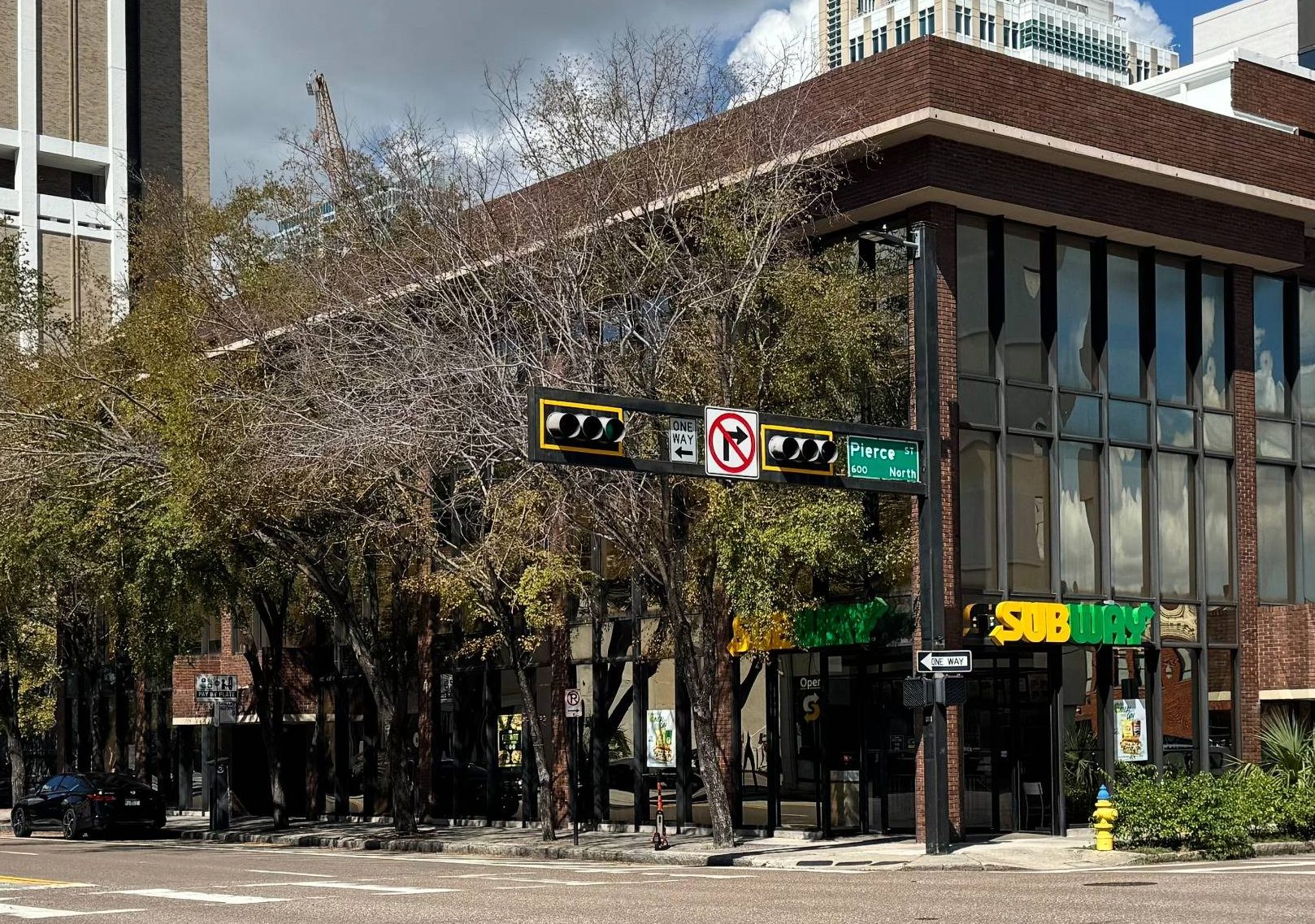
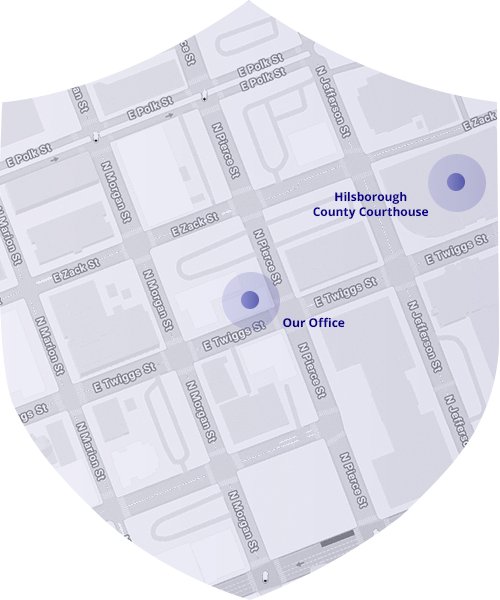
620 E. Twiggs Street, Suite 205, Tampa, FL 33602
Serving Hillsborough, Pinellas, and Pasco Counties

The Brancato Law Firm, P.A. is a Tampa-based criminal defense practice serving clients exclusively in Hillsborough, Pinellas, and Pasco Counties. We are not affiliated with any other Brancato-named law firms.
This page is for informational purposes only and does not constitute legal advice. Each case is unique, and outcomes depend on the individual facts and circumstances involved. Past results do not guarantee future outcomes.
Tampa, FL 33602
Free Legal Consultation (813) 727-7159