- Free Consultation 24/7: (813) 727-7159 Tap Here To Call Us




How to Dress for Court and What to Bring



Practical guidance to make a good impression and avoid problems at the courthouse
| ✓ THE SHORT ANSWER Dress Code: Business casual at minimum. Think job interview, not beach day. Collared shirts, dress pants or modest dresses, closed-toe shoes. No shorts, tank tops, flip-flops, or hats. What to Bring: Government-issued photo ID (required to enter), your court paperwork, and your attorney’s contact information. Leave pocket knives, pepper spray, and anything that could be considered a weapon at home. |
Why What You Wear to Court Matters
Judges are human. They form impressions just like anyone else. When you walk into a courtroom, the judge notices how you present yourself before you say a single word. Your appearance communicates respect—or disrespect—for the court and the legal process.
This doesn’t mean you need to buy an expensive suit. It means you should dress in a way that shows you take your case seriously. The goal is simple: you want the judge focused on your case, not distracted by your clothing.
| THE REALITY: IT DOESN’T TAKE MUCH TO STAND OUT Here’s the truth: in 2026, the bar is low. Every day in Tampa’s criminal courts, defendants show up reeking of marijuana. They wear inappropriate clothing—tight-fitting outfits that display their physique to everyone in the courtroom, including the judge. They dress like they’re going to a club, not a courthouse. This is not a club. No one wants to see what you’ve got. Simply showing up clean, sober, and dressed appropriately puts you ahead of a significant portion of the people on the docket. It signals to the judge that you take this seriously—and that matters more than most people realize. |
What to Wear to Court
For Men
- Best: A suit and tie, or dress slacks with a button-down shirt and tie
- Acceptable: Khakis or dress pants with a collared polo shirt; clean, dark jeans with a button-down shirt
- Shoes: Dress shoes, loafers, or clean boots. No sneakers, sandals, or flip-flops.
For Women
- Best: A professional dress, pantsuit, or skirt suit; blouse with dress pants or a modest skirt
- Acceptable: A conservative blouse with slacks or a knee-length skirt; clean, dark jeans with a nice top
- Shoes: Dress shoes, flats, or modest heels. No flip-flops, overly high heels, or sandals.
| ✗ WHAT NOT TO WEAR TO COURT The following will make a bad impression—or may get you turned away at the door: • Shorts, tank tops, or sleeveless shirts • Flip-flops or beach sandals • Hats, bandanas, or do-rags (remove before entering courtroom) • Clothing with offensive language, drug references, or violent imagery • Extremely revealing or tight-fitting clothing • Anything that shows off your physique—this is not a club • Ripped, torn, or visibly dirty clothing • Athletic wear (sweatpants, gym shorts, workout clothes) • Sunglasses worn inside the courtroom Some judges will refuse to hear your case until you change. Don’t risk having your hearing delayed or rescheduled because of what you wore. And one more thing: do not show up smelling like marijuana. It happens constantly, and judges notice. Whether or not marijuana is legal where you are, reeking of it in court tells the judge you don’t take your case seriously. |
| DON’T OWN “COURT CLOTHES”? You don’t need to spend a lot of money. Here are some options: • Thrift stores often have dress clothes for under $20 • Borrow from a friend or family member who wears your size • Discount stores like Ross, TJ Maxx, or Marshalls have affordable options The investment is worth it. Looking presentable can influence how you’re perceived, which can affect outcomes ranging from bond decisions to sentencing. |
What to Bring to Court
Essential Items
- Government-issued photo ID — Required to enter the courthouse. A driver’s license, state ID, or passport works. Without ID, you may not be allowed in.
- Your court paperwork — This includes your Notice to Appear, any documents your attorney gave you, bond paperwork, or any correspondence from the court.
- Your attorney’s name and phone number — In case you can’t find them at the courthouse or something changes.
- A pen and small notepad — To write down important information like your next court date.
Optional but Helpful
- Something to read while waiting — Court involves a lot of waiting in hallways and lobbies. A book or magazine can help pass the time. Note: you cannot use your phone or read in the courtroom itself.
- A phone charger — You may be at the courthouse longer than expected.
- Cash for parking — Some courthouse parking lots and meters don’t accept cards.
- A light jacket or sweater — Courtrooms are often kept cold.
| ✗ WHAT NOT TO BRING TO COURT You will pass through metal detectors and have your bags searched. The following items will be confiscated or will prevent you from entering: • Weapons of any kind (firearms, knives, tasers) • Pocket knives — People forget they have these. Check your pockets before leaving home. • Pepper spray or mace — Common in purses and often forgotten. • Multi-tools (Leatherman, Swiss Army knives) • Sharp objects (scissors, nail files, box cutters) If you bring a prohibited item, you’ll have to return it to your car—which means going back through the security line and potentially missing your case being called. If you don’t have a car, the item will be confiscated. |
What to Expect at Courthouse Security
Every courthouse has security screening at the entrance, similar to airport security. Plan accordingly:
- You will walk through a metal detector and may be asked to remove your belt, empty your pockets, or take off your shoes.
- Your bags and belongings will be X-rayed or searched by hand.
- Lines can be long, especially in the morning — Arrive early to account for this.
- Have your ID ready — Security may check it before you go through screening.
Basic Courtroom Etiquette
Once you’re in the courtroom, follow these rules to avoid problems:
- Put your phone away. You cannot use your phone in the courtroom—not even to look something up or check the time. It must be turned off or on silent and put away, not in your hands. A ringing phone can result in your phone being confiscated or you being held in contempt of court.
- Stand when the judge enters and exits. The bailiff will announce this.
- Remove your hat before entering the courtroom. Hats are not permitted inside.
- No food, drinks, or gum. These are typically prohibited in the courtroom.
- Address the judge as “Your Honor.” If you speak directly to the judge, this is the proper form of address.
- Don’t speak unless spoken to. Let your attorney do the talking. If you don’t have an attorney, wait until the judge addresses you.
- No outbursts or emotional displays. Even if you disagree with something said, remain calm and quiet.
| ARRIVE EARLY Plan to arrive at least 30 minutes before your scheduled time—earlier if it’s your first time at that courthouse. You need time for: • Finding parking (downtown courthouse parking fills up quickly) • Going through security (lines can be 15-20 minutes or longer) • Finding the right courtroom (courthouses can be confusing) • Meeting with your attorney (if you have one) Being late to court can result in a bench warrant for your arrest. Don’t risk it. |
Frequently Asked Questions
What should I wear to court?
Dress as if you’re going to a job interview. Business casual at minimum: dress pants or khakis, a collared shirt, and closed-toe shoes. Avoid shorts, tank tops, flip-flops, hats, and clothing with offensive graphics or language.
Can I wear jeans to court?
Clean, dark jeans paired with a nice shirt are generally acceptable for most court appearances. However, dress pants or khakis make a better impression. Avoid ripped, faded, or overly casual jeans.
What do I need to bring to court?
At minimum: a government-issued photo ID (required to enter), your court paperwork, and your attorney’s contact information. A pen, notepad, and something to read while waiting are also helpful.
Can I bring my phone to court?
You can bring your phone into the courthouse, but you cannot use it in the courtroom. It must be turned off or on silent and put away—not in your hands. You cannot text, browse, or even check the time on your phone while court is in session. A ringing phone can result in confiscation or contempt of court.
What happens if I bring a pocket knife to court?
You won’t be allowed in. You’ll have to return the knife to your car and go through security again—which could cause you to miss your case being called. If you don’t have a car, the item will be confiscated. Check your pockets before leaving home.
How early should I arrive at court?
At least 30 minutes before your scheduled time, earlier if it’s your first visit to that courthouse. You need time for parking, security screening, finding your courtroom, and meeting with your attorney.
What if I can’t afford dress clothes for court?
Try thrift stores, borrow from a friend or family member, or check discount stores like Ross or TJ Maxx. You can usually find acceptable court attire for under $30. The investment is worth it—your appearance can influence how you’re perceived by the judge.
Do I have to take off my hat in court?
Yes. Hats are not permitted inside the courtroom. Remove your hat before entering. Some courthouses don’t allow hats anywhere inside the building.
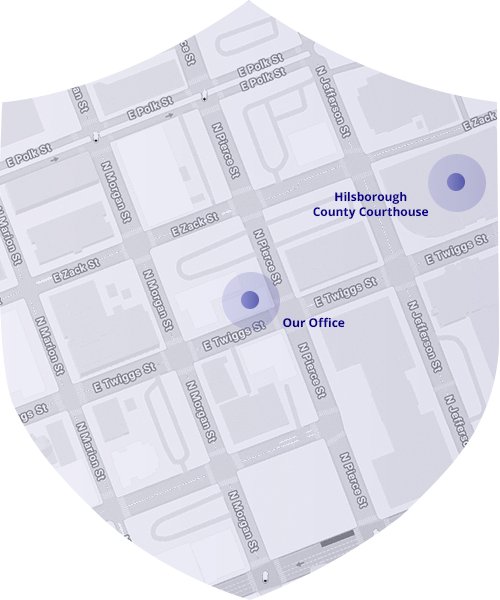
| Have an Upcoming Court Date? If you’re facing criminal charges in Tampa, an experienced attorney can guide you through the entire process—from what to wear to how to present your case. Don’t face the courtroom alone. Call (813) 727-7159 for a Consultation The Brancato Law Firm, P.A. 620 E. Twiggs Street, Suite 205, Tampa, FL 33602 |
| ABOUT ATTORNEY ROCKY BRANCATO With over 25 years of experience in criminal courts, Tampa Attorney Rocky Brancato has guided thousands of clients through the court process. As former Chief Operations Officer of the Hillsborough County Public Defender’s Office, he knows exactly what judges expect and how to help clients make the best possible impression. |
Related:
Visit Us

Suite #205
Tampa, FL 33602
Contact Us Now
Free Legal Consultation (813) 727-7159