- Free Consultation 24/7: (813) 727-7159 Tap Here To Call Us


From First DUI to Death Penalty



The Alibi Defense in Florida: How to Prove You Weren’t There


By The Brancato Law Firm, P.A. | Updated 2025
If you have been charged with a crime in Tampa, Hillsborough County, or anywhere in the Tampa Bay area, the most powerful defense you may have is a simple one: I wasn’t there.
This is known as an Alibi Defense. It sounds straightforward, but in a Florida courtroom, it is a complex legal maneuver with strict deadlines and procedural traps. If you miss a deadline by even one day, the judge can ban your witnesses from testifying, leaving you defenseless.
I am Rocky Brancato. For over 25 years, I have fought for clients in Hillsborough County. I know how to build an alibi that stands up to the scrutiny of a prosecutor and a jury. Having the right Tampa Criminal Defense Attorney can make all of the difference.
What Exactly is an Alibi Defense?
In legal terms, an alibi is a factual impossibility claim. You are asserting that because you were at a specific location at a specific time, it was physically impossible for you to commit the crime alleged.
Generally, we present this in one of two ways:
- The “Elsewhere” Defense: “I was at work/home/dinner when the crime happened.”
- The “SODDI” Defense: “Some Other Dude Did It.” (We present evidence pointing to an alternative suspect).
The Trap: Florida’s “Notice of Alibi” Rule (Rule 3.200)
This is where most inexperienced defendants fail. You cannot simply surprise the prosecution with an alibi on the day of the trial. Florida Rule of Criminal Procedure 3.200 creates a strict requirement.
If the State Attorney demands it, we must file a written “Notice of Alibi” at least 10 days before trial.
What Must Be Disclosed:
- The specific place you claim to have been at the time of the crime.
- The names and addresses of every witness who will testify to your alibi.
The Consequence of Failure: If we fail to file this notice or leave a witness off the list, the judge can exclude your evidence entirely. The jury will never hear that you were at a birthday party or at work. You will be silenced.
(Note: If the defendant is the only one testifying to the alibi, this notice is technically not required, but relying solely on your own word is rarely a winning strategy.)
What Makes a “Strong” Alibi?
Not all alibis are created equal. A jury is naturally skeptical of alibi witnesses who are friends, romantic partners, or family members. They assume your mom will lie to protect you.
To win, we need objective, hard evidence to back up the testimony.
Types of Evidence We Use:
- Digital Footprints: GPS data from your phone, Uber/Lyft ride history, or SunPass toll records.
- Surveillance: Security camera footage from businesses, Ring doorbells, or traffic cameras.
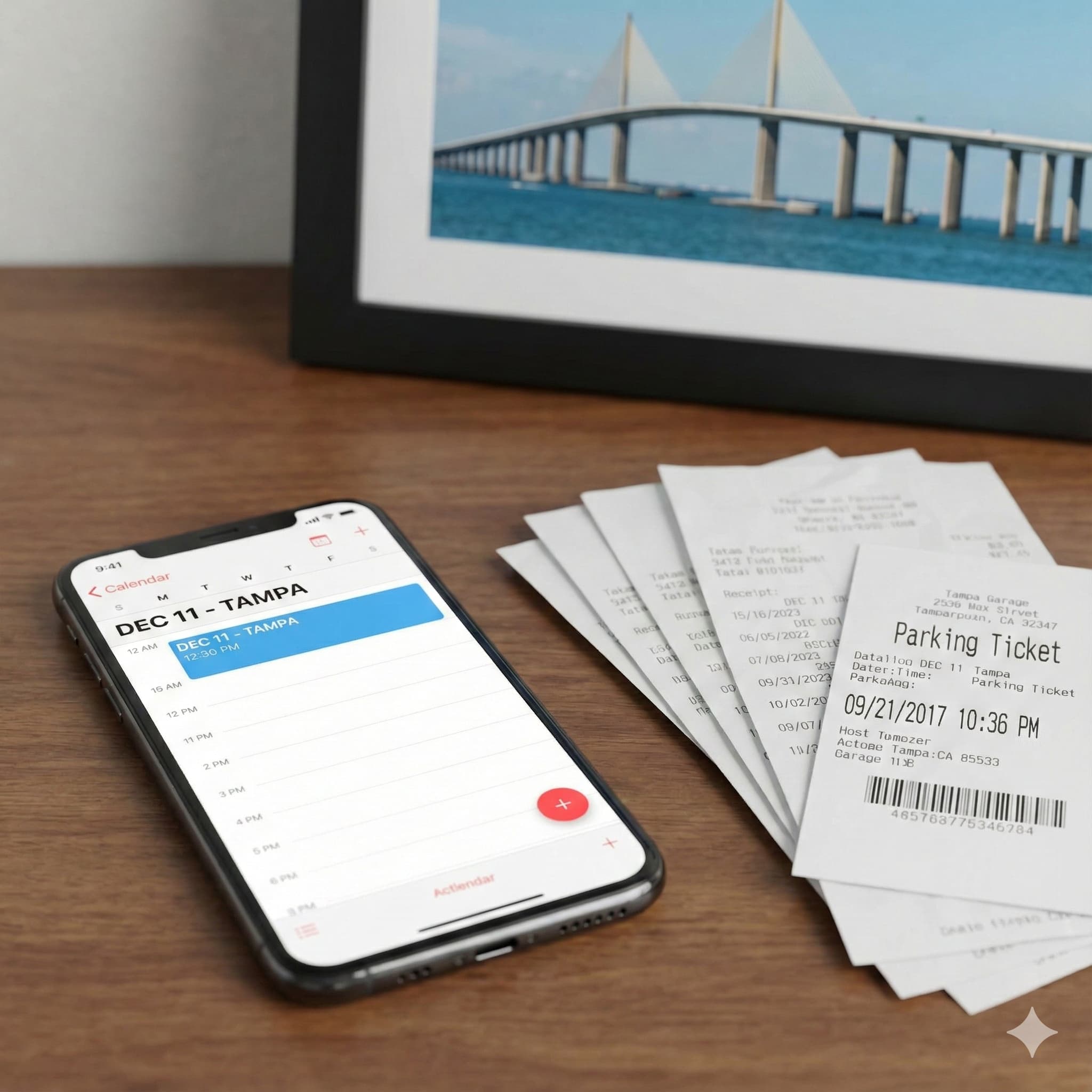
- Transactional Data: Time-stamped receipts from stores, credit card swipes, or ATM withdrawals.
- “Anchor” Events: It is hard for a witness to remember a random Tuesday. It is much easier if the date was the Super Bowl, a birthday, or a holiday. We look for these “anchor events” to solidify witness memory.
Challenging Eyewitness Identification
Often, an alibi defense is a battle against an eyewitness who claims, “That’s the guy!”
Eyewitness testimony is the leading cause of wrongful convictions. Factors like poor lighting, stress, and “cross-racial identification” issues often lead victims to identify the wrong person.
Our Strategy:
- Motion to Suppress: If the police lineup was “suggestive” (e.g., you were the only person in the photo array wearing a hoodie), we file a motion to suppress that identification so the jury never sees it.
- Expert Testimony: Florida courts allow us to call experts on human memory to explain to the jury why eyewitnesses are often mistaken.
The “Reverse Williams Rule”
If your alibi is that someone else committed the crime, we may use the “Reverse Williams Rule.”
Standard Williams Rule evidence is used by the State to show your past bad acts. The “Reverse” version allows us to introduce evidence of similar crimes committed by someone else to prove that a different perpetrator is responsible for the crime you are charged with.
Frequently Asked Questions (FAQ)
Can a family member or spouse be my alibi witness?
Yes. However, juries often view family members as biased. To make their testimony effective, we must corroborate it with objective evidence, such as phone records, photos, or receipts that place you with them at the specific time.
What happens if I miss the 10-day Notice of Alibi deadline?
The consequences are severe. The judge has the discretion to exclude your witnesses entirely, meaning the jury will never hear your alibi. This is why hiring an experienced attorney immediately is critical.
Do I have to testify to prove my alibi?
No. You have a constitutional right to remain silent. We can prove your alibi through other witnesses, surveillance video, or electronic records without you ever taking the stand.
What if I don’t remember where I was?
This is common. We work with investigators to reconstruct your timeline using your digital footprint—Google Location History, text messages, bank statements, and social media activity—to find where you were on that specific date.
Don’t Let a Deadline Cost You Your Freedom
Building an alibi defense requires immediate action. Surveillance videos are deleted after 30 days. Witnesses move away or forget details.
If you are facing charges in Tampa, do not wait. Call The Brancato Law Firm, P.A. immediately. I have the experience to secure the evidence, file the proper notices, and fight for your acquittal.
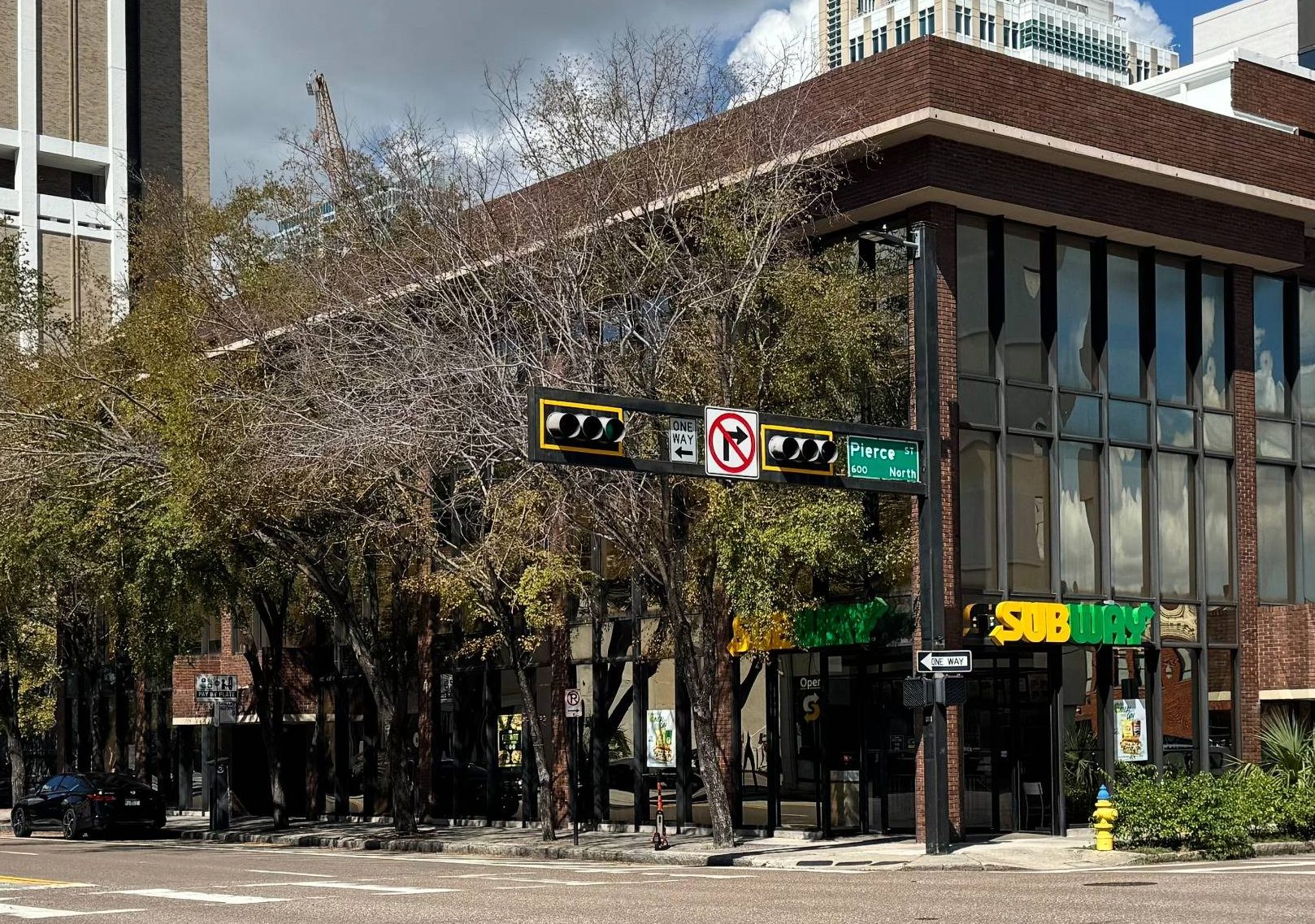
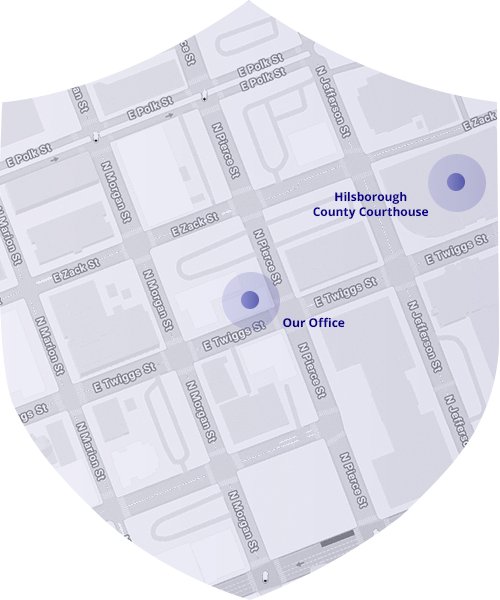
The Brancato Law Firm, P.A. 620 E Twiggs Street, Suite 205, Tampa, FL 33602
Call (813) 727-7159 for a confidential consultation.
Visit Us
Tampa, FL 33602
Contact Us Now
Free Legal Consultation (813) 727-7159