- Free Consultation 24/7: (813) 727-7159 Tap Here To Call Us


From First DUI to Death Penalty



Entrapment Defense Tampa


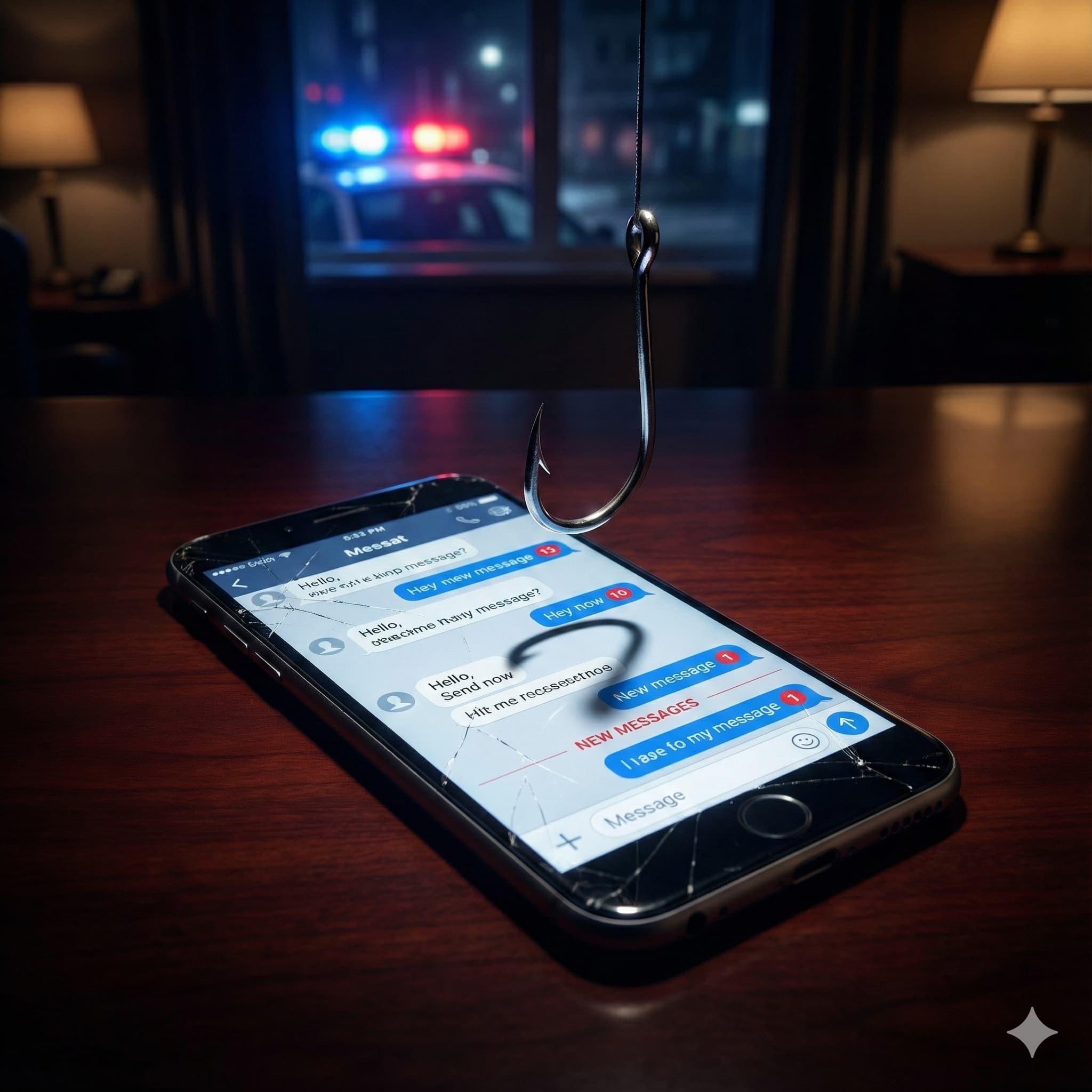
The undercover officer contacted you first. She messaged you repeatedly, introduced the idea, and pushed past your hesitation. She provided everything needed to make it happen, and then she arrested you. This is entrapment.
Entrapment is a complete defense to criminal charges in Florida. When law enforcement creates a crime that would not have occurred without their inducement, the Constitution protects you. However, proving entrapment requires an entrapment defense Tampa attorney who understands both objective and subjective standards.
I am Tampa Attorney Rocky Brancato. For over 25 years, I have defended clients in Tampa targeted by overzealous law enforcement tactics. As the former Chief Operations Officer of the Hillsborough County Public Defender’s Office, I have challenged undercover operations and confidential informant schemes. Consequently, I understand exactly how to expose improper police conduct. My firm, the Brancato Law Firm, P.A. can help you in your entrapment case.
What Is Entrapment Under Florida Law?
Entrapment occurs when police officers persuade, trick, or coerce someone into committing a crime they would not have otherwise committed. Under Florida Statute 777.201, using an entrapment defense typically means admitting to the charged conduct. However, you argue that law enforcement’s undue influence was the sole reason for your actions.
This defense requires careful strategy. You are not claiming, “I didn’t do it.” You are claiming, “I only did it because law enforcement made it happen”.
Two Types of Entrapment in Florida Courts
Florida recognizes two distinct forms of entrapment. Each has different legal standards.
| Type | Focus | Legal Standard |
| Objective Entrapment | Police conduct | Did law enforcement’s behavior violate due process? |
| Subjective Entrapment | Defendant’s predisposition | Were you already inclined to commit the crime? |
Objective Entrapment: Due Process Violations
Objective entrapment focuses on law enforcement’s behavior rather than your history. If police conduct was so outrageous that it violated your due process rights under the Florida Constitution, the court must dismiss the charges. This dismissal happens regardless of your predisposition.
Florida courts have found objective entrapment in specific cases:
- State v. Glosson: Offering significant financial rewards to confidential informants to create crimes.
- State v. Williams: Police manufacturing illegal drugs to use in a sting operation near a school.
- Farley v. State: Government agents creating illegal content specifically to lure and entrap an individual.
- Curry v. State: A confidential informant developing a romantic relationship to facilitate crimes.
Subjective Entrapment: Predisposition
Subjective entrapment under Florida Statute 777.201 asks whether you were inclined to commit the crime before police involvement. If you had no prior inclination and were induced by police, entrapment applies.
When evaluating subjective entrapment, Tampa courts consider:
- Your prior criminal record (or lack thereof).
- Any reluctance you showed to commit the crime.
- Whether the initial idea came from law enforcement.
- The nature and degree of inducement used.
In State v. Finno, the court found entrapment when police initiated a loan-sharking scheme and trained defendants who had no prior involvement. Similarly, in Demare v. State, the court ruled against law enforcement for inducing a man into online chats by fabricating ages after initial contact.
Proving Entrapment: The Munoz Test
Florida courts apply a three-part test from Munoz v. State to evaluate entrapment claims.
- Inducement: The defendant must show that law enforcement persuaded, encouraged, or coerced them into committing the offense.
- Predisposition: If inducement is shown, the burden shifts to the State. Prosecutors must prove beyond a reasonable doubt that the defendant was ready to commit the crime before police involvement.
- Jury Decision: If the State cannot prove predisposition, the court may dismiss charges. If evidence exists, the jury decides.
Common Law Enforcement Tactics
Law enforcement uses various tactics to induce criminal conduct. When these tactics cross the line, entrapment may apply.
| Tactic | How It Creates Entrapment Risk |
| Emotional Manipulation | Appealing to sympathy, faking romance, or fabricating illnesses. |
| Promises of Gain | Offering financial rewards that would not exist without police involvement. |
| Threats or Coercion | Using intimidation to compel action the defendant would not otherwise take. |
| Unmonitored Conversations | Instructing informants to avoid recording conversations to hide inducement. |
| Bait and Switch | Starting with lawful conduct and escalating to serious charges. |
| Age Fabrication | Introducing a minor age after adult contact is established. |
Frequently Asked Questions About Entrapment
What is entrapment under Florida law?
Entrapment occurs when law enforcement persuades or coerces someone into committing a crime they would not have otherwise committed. Under Florida Statute 777.201, if police induced the crime and you were not predisposed, it is a complete defense.
What is the difference between objective and subjective entrapment?
Objective entrapment focuses on police conduct. If their behavior violated due process, charges are dismissed. Subjective entrapment focuses on whether you were predisposed to commit the crime.
Who has the burden of proof?
Initially, you must present evidence of inducement. Then, the burden shifts to the State. Prosecutors must prove beyond a reasonable doubt that you were predisposed to commit the crime before police involvement.
Does entrapment apply to online sting operations?
Yes. Entrapment defenses are frequently raised in internet sting operations. Cases like Demare v. State show that aggressive inducement tactics or age fabrication can constitute entrapment.
Challenging Police Tactics Throughout Tampa Bay
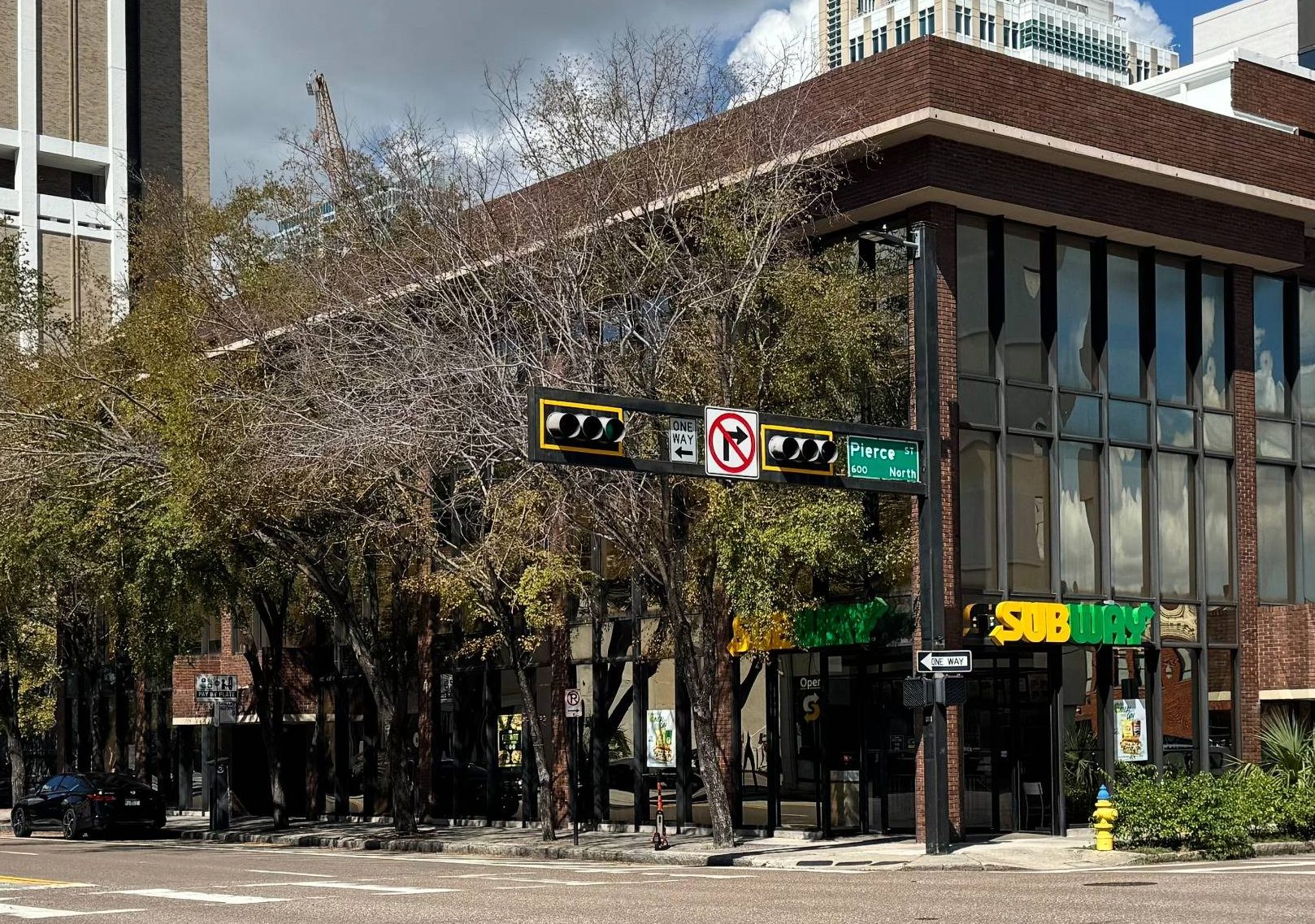
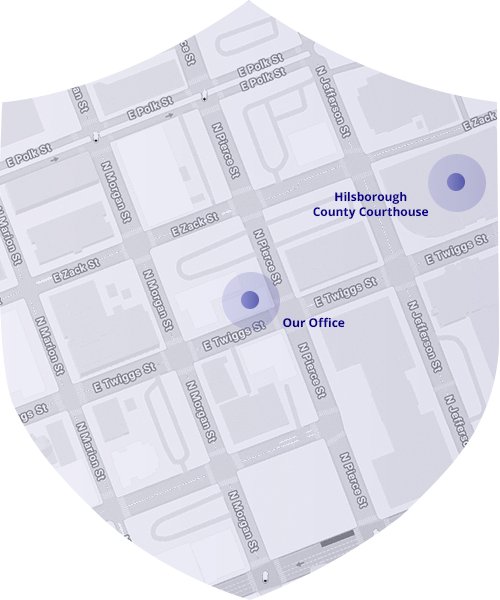
I defend clients facing charges from undercover operations and sting operations throughout the Tampa Bay region. My office is located just two blocks from the Hillsborough County Courthouse.
I handle entrapment defense cases in:
- Hillsborough County: Tampa, Brandon, Riverview, Plant City.
- Pinellas County: St. Petersburg, Clearwater, Largo.
- Pasco County: New Port Richey, Wesley Chapel, Land O’ Lakes.
Related Articles
- Caught in a Tampa Sex Sting? We can help.
- Tampa Escorts and Prostitution Stings.
- Solicitation of a Child Using a Computer.
- Tampa Human Trafficking Defense Attorney.
Were You Targeted by Overzealous Police Tactics?
If you believe law enforcement induced you into committing a crime, entrapment may be your defense. The difference between conviction and acquittal often depends on your attorney’s ability to prove lack of predisposition.
I offer confidential consultations to people facing charges arising from undercover operations. I will evaluate the contact patterns and determine whether entrapment applies to your case.
Call The Brancato Law Firm, P.A. now.
Phone: (813) 727-7159
Address: 620 E Twiggs Street, Suite 205, Tampa, FL 33602
Visit Us
Tampa, FL 33602
Contact Us Now
Free Legal Consultation (813) 727-7159