- Free Consultation 24/7: (813) 727-7159 Tap Here To Call Us




Florida Mental Health Diversion Law 2025


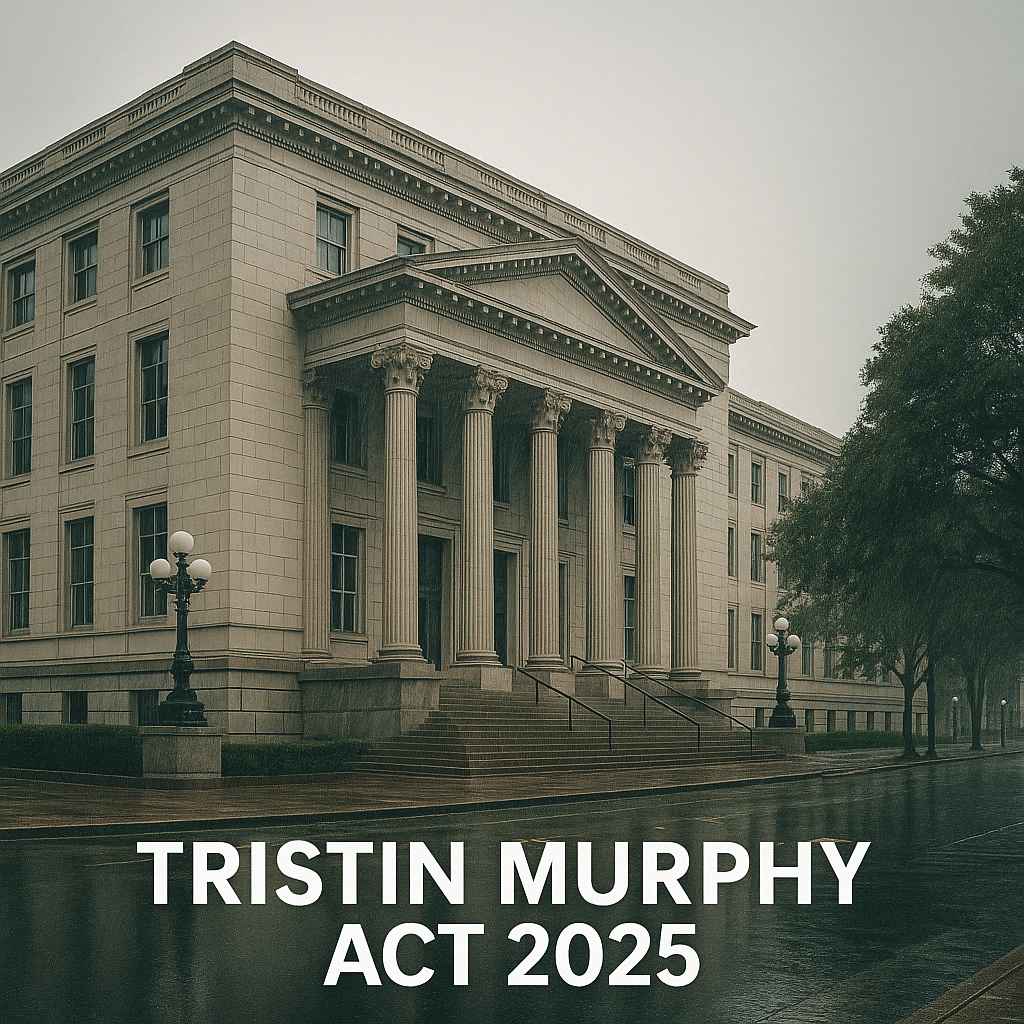
The Tristin Murphy Act (SB 168) | Treatment Instead of Incarceration
A new mental health diversion law known as the Tristin Murphy Act took effect in Florida on October 1, 2025. Senate Bill 168 reshapes how courts and prosecutors handle criminal cases involving people with mental health conditions—creating pathways to treatment instead of incarceration.
| What Is the Tristin Murphy Act? The Tristin Murphy Act (SB 168) is Florida’s new mental health diversion law, effective October 1, 2025. It creates model processes for misdemeanor and pretrial felony mental health diversion programs, allowing defendants with mental illness, intellectual disability, or autism to receive treatment instead of prosecution when feasible. The law is named after Tristin Murphy, a 37-year-old with schizophrenia who tragically died by suicide in a Florida prison in 2021 after being sentenced for a littering offense. |
Key Provisions of SB 168
| Provision | What It Does |
| Misdemeanor Diversion (F.S. 916.135) | Creates model process for diverting defendants with mental illness from misdemeanor prosecution to treatment |
| Felony Diversion (F.S. 916.136) | Creates pretrial felony diversion for certain non-violent felonies; defendant must complete treatment recommendations |
| Probation Conditions (F.S. 948.0395) | Defendants restored to competency after mental illness finding must undergo evaluations and treatment as probation condition |
| Charge Dismissal | Upon successful completion of treatment, State Attorney must consider dismissal of charges |
| Veterans Treatment Courts | Expands funding for specialized veteran-focused diversion programs |
| Forensic Hospital Diversion Pilot | Extends forensic hospital diversion pilot program to Hillsborough County (Thirteenth Judicial Circuit) |
| Crisis Intervention Training | Funds specialized training for 911 operators, EMTs, and law enforcement in crisis intervention |
| Data Repository | Creates Florida Behavioral Health Care Data Repository to track outcomes and inform policy |
Who Is Eligible for Mental Health Diversion?
Under the Tristin Murphy Act, eligibility for diversion programs generally requires:
- A diagnosed mental illness, intellectual disability, or autism spectrum disorder
- A charge of misdemeanor, ordinance violation, or certain non-violent felonies
- Consent to treatment and participation in the diversion program
- Willingness to comply with treatment recommendations
Violent felonies and serious crimes are generally excluded. Prosecutors, judges, and defense attorneys collaborate to identify appropriate candidates.
| Hillsborough County: Forensic Hospital Diversion Pilot SB 168 specifically extends the Forensic Hospital Diversion Pilot Program to Hillsborough County, in conjunction with the Thirteenth Judicial Circuit. This program is modeled after the successful Miami-Dade Forensic Alternative Center and provides an additional diversion pathway for defendants in the Tampa area. |
What This Means for Tampa Bay Defendants
In Hillsborough, Pinellas, and Pasco counties, the Tristin Murphy Act provides a genuine opportunity for treatment instead of punishment. Defendants who qualify may avoid the lifelong impact of a criminal conviction by completing treatment programs. Successful completion can lead to charges being dismissed entirely.
However, prosecutors still control much of the process, and eligibility varies. Without strong advocacy, defendants risk being excluded from diversion programs they should qualify for. This makes experienced defense representation essential.
Frequently Asked Questions
What is the Florida mental health diversion law?
The Florida mental health diversion law, known as the Tristin Murphy Act (SB 168), takes effect October 1, 2025. It allows certain defendants with mental health conditions to receive treatment instead of traditional prosecution.
Who qualifies for mental health diversion in Florida?
Defendants facing misdemeanors, ordinance violations, or certain non-violent felonies may qualify. Eligibility depends on mental health evaluations, the type of charge, consent to treatment, and approval by the prosecutor and court.
Does the Tristin Murphy Act apply in Tampa Bay?
Yes. The law applies statewide, including Hillsborough, Pinellas, and Pasco counties. Additionally, SB 168 specifically extends the Forensic Hospital Diversion Pilot Program to Hillsborough County.
Can charges be dismissed under the new law?
Yes. Upon successful completion of treatment, the State Attorney must consider dismissal of charges. Many defendants who complete their treatment plans will have their cases dismissed.
How do veterans benefit from the Tristin Murphy Act?
The law expands funding for Veterans Treatment Courts. These specialized courts connect veterans with treatment programs instead of pushing them through standard criminal penalties.
Will probation include mental health treatment?
Yes. Under the new F.S. 948.0395, defendants who were previously found incompetent due to mental illness but later restored to competency must undergo evaluations and follow treatment as a condition of probation.
Why do I need a lawyer for mental health diversion?
The law creates opportunities, but prosecutors still control eligibility and outcomes. An experienced defense attorney ensures you are considered for diversion, protects your rights during evaluations, and advocates for dismissal when treatment is complete.
How I Can Help
I bring over 25 years of courtroom experience and have handled some of Tampa Bay’s most complex mental health-related criminal cases. I know how to:
- Push for diversion at the earliest stage of your case
- Ensure treatment plans are fair and realistic
- Secure dismissals after successful program completion
- Protect clients from unfair exclusion from diversion programs
Mental Health Is a Factor in Your Case?
The Tristin Murphy Act creates real opportunities for treatment and second chances. But those opportunities are not automatic. Having an experienced advocate guide the process often makes the difference between dismissal and continued prosecution.
If you or someone you love faces charges where mental health is a factor, now is the time to understand your options.
Call (813) 727-7159 for a Confidential Consultation
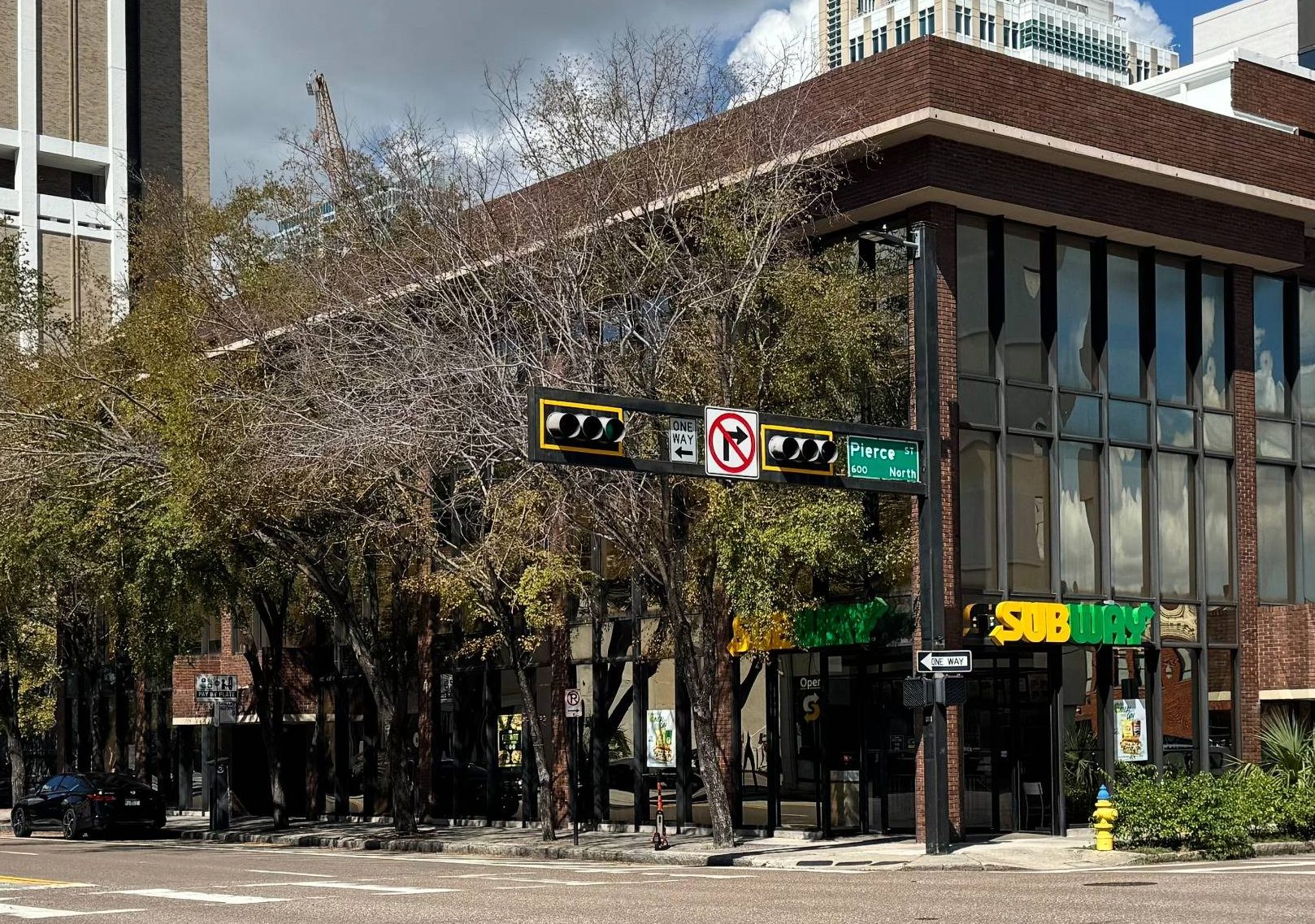
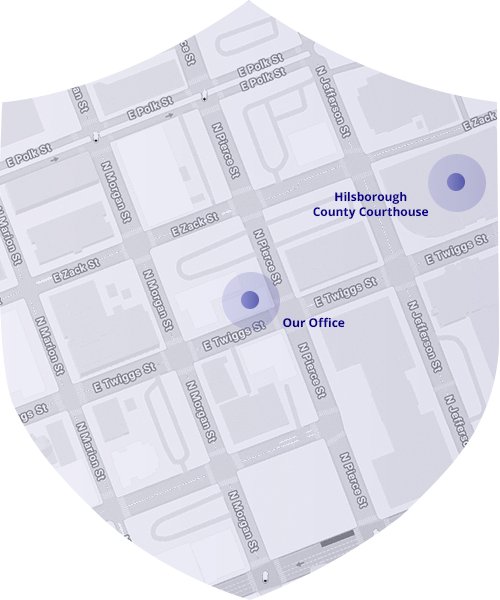
620 E. Twiggs Street, Suite 205, Tampa, FL 33602
Serving Hillsborough, Pinellas, and Pasco Counties
Related Resources: See my Tampa Criminal Mental Health Lawyer page for more information on how I defend clients in mental health-related cases.
Visit Us
Suite #205
Tampa, FL 33602
Contact Us Now
Free Legal Consultation (813) 727-7159