- Free Consultation 24/7: (813) 727-7159 Tap Here To Call Us


From First DUI to Death Penalty



Motion to Suppress Evidence in Tampa: What Defendants Need to Know



Why Suppressing Evidence Can Change Your Case
When facing criminal charges in Tampa, Hillsborough County, or the surrounding areas, the evidence against you often determines whether the prosecution can move forward. But if the police obtained that evidence illegally, it may be excluded from court. This is where a Tampa attorney for motions to suppress comes in.
A motion to suppress is one of the strongest legal tools available to protect your rights. Attorney Rocky Brancato brings more than 25 years of criminal defense experience, including service in an elite sex crimes unit, to challenge unconstitutional searches, unlawful police conduct, and violations of your constitutional protections. When the state’s case relies on illegally obtained evidence, a successful suppression motion can force the prosecutor to reduce charges—or even dismiss the case entirely.
What Is a Motion to Suppress?
A motion to suppress is a formal request asking the judge to prevent specific evidence from being used at trial because it was obtained unlawfully. If granted, the prosecution cannot present that evidence, which may weaken or destroy their case.
Requirements Under Florida Rule of Criminal Procedure 3.190(h)
A legally sufficient motion to suppress must:
- Identify the evidence to be suppressed
- Provide the factual basis for suppression
- Provide the legal basis for suppression
Legal Grounds for Suppressing Evidence in Florida
Florida Rule of Criminal Procedure 3.190(h) outlines five grounds for suppressing evidence obtained through an unlawful search or seizure.
Evidence seized without a valid warrant
If police do not have a warrant and no exception applies, the evidence may be excluded.
Warrant insufficient on its face
A warrant that fails to meet legal requirements can invalidate the search.
No probable cause for the warrant
If officers failed to establish probable cause, the warrant—and the evidence—may be unconstitutional.
Search exceeded the scope of the warrant
Police can only search areas and seize items authorized by the warrant.
Warrant illegally executed
If officers do not follow proper procedures—such as failing to announce themselves when required—the search may be invalid.
Suppressing Confessions and Defendant Statements
Florida Rule of Criminal Procedure 3.190(i)(1) governs suppression of statements. Under Miranda v. Arizona, law enforcement must advise individuals of their rights before custodial interrogation.
When statements must be suppressed:
- Failure to give Miranda warnings
- Coercion or improper pressure
- Threats or promises of leniency
- Psychological manipulation
Statements obtained in violation of Miranda are inadmissible in the prosecution’s case-in-chief.
Exception for impeachment
Even suppressed statements can be used to impeach a defendant who testifies inconsistently.
See Harris v. New York, 401 U.S. 222 (1971).
For this reason, a skilled defense attorney will carefully assess whether a defendant should testify.
The Exclusionary Rule: Why Suppression Matters
In most cases, police officers who violate your rights are not fined or disciplined. Instead, the primary consequence is the exclusionary rule, which prevents unlawfully obtained evidence from being used in court.
The purpose of the exclusionary rule:
- Discourage unconstitutional police conduct
- Protect defendants from unlawful searches and coerced interrogations
- Ensure fair trials based on legally obtained evidence
If evidence is suppressed, the prosecution may lose the foundation of its case.
Suppression Motions Create Leverage
Even if the motion is never heard, filing it can push prosecutors to negotiate because:
- They risk losing key evidence
- Their case may fall apart without it
- Judges may question the legality of the investigation
As a result, prosecutors often reduce charges—sometimes from felony to misdemeanor—to avoid losing a suppression hearing.
The Risk of Losing the Motion
A suppression motion is powerful, but it carries risks:
- If denied, the evidence can be used at trial
- Suppression issues may need to be appealed later
- A denial may weaken negotiating power
An experienced attorney will decide whether filing, arguing, or postponing the motion is the best strategy based on the facts.
Why Choose Rocky Brancato for a Motion to Suppress?
Motions to suppress require deep knowledge of:
- Constitutional law
- Police search and interrogation techniques
- Forensic procedures
- Courtroom strategy
Attorney Rocky Brancato has successfully challenged illegal searches, defective warrants, coerced confessions, and unlawful police conduct in serious cases, including sex crimes, child abuse, and violent felonies.
What sets him apart:
- Thorough independent investigations
- Strategic use of expert testimony
- Detailed analysis of police practices
- Relentless commitment to protecting your rights
How a Successful Suppression Motion Can Transform Your Case
If evidence is suppressed, it can:
- Result in dismissal of all charges
- Force prosecutors to offer reduced charges
- Strengthen your defense at trial
- Undermine the credibility of the police investigation
This makes a motion to suppress one of the most impactful defense tools available.
Frequently Asked Questions About Motions to Suppress in Florida
What is the purpose of a motion to suppress?
A motion to suppress asks the court to exclude evidence obtained in violation of your constitutional rights. If granted, the prosecution cannot use that evidence against you.
Can evidence be suppressed if police did not have a warrant?
Yes. Evidence obtained without a warrant may be suppressed unless law enforcement can prove that a valid exception applied.
What happens if police did not read my Miranda rights?
If you were in custody and interrogated without being advised of your Miranda rights, your statements may be excluded from the prosecution’s case-in-chief.
Can coerced confessions be suppressed?
Yes. Statements obtained through threats, promises, deception, or psychological pressure may be ruled involuntary and suppressed.
Does the exclusionary rule apply to all illegal searches?
Generally, yes. If evidence was obtained unlawfully, the exclusionary rule prevents it from being used in court.
Can suppressed statements still be used at trial?
Sometimes. Suppressed statements may still be used for impeachment if you testify inconsistently. See Harris v. New York.
Will filing a suppression motion help with plea negotiations?
Often. Prosecutors may reduce charges to avoid losing a suppression hearing, especially when the evidence is critical to their case.
Can a case be dismissed if evidence is suppressed?
Yes. If suppressed evidence is essential to the prosecution’s case, the state may dismiss the charges.
How do I know if a motion to suppress applies to my case?
Only a skilled defense attorney can evaluate whether a search, seizure, or interrogation violated your rights under Florida or federal law.
Contact a Tampa Criminal Defense Attorney Today
If you believe evidence in your case was obtained unlawfully, do not wait. A motion to suppress could be the key to protecting your freedom.
Call The Brancato Law Firm, P.A. at (813) 727-7159 for a confidential consultation. We aggressively challenge unlawful police conduct and fight to protect your constitutional rights throughout Tampa and Hillsborough County.
Visit Us
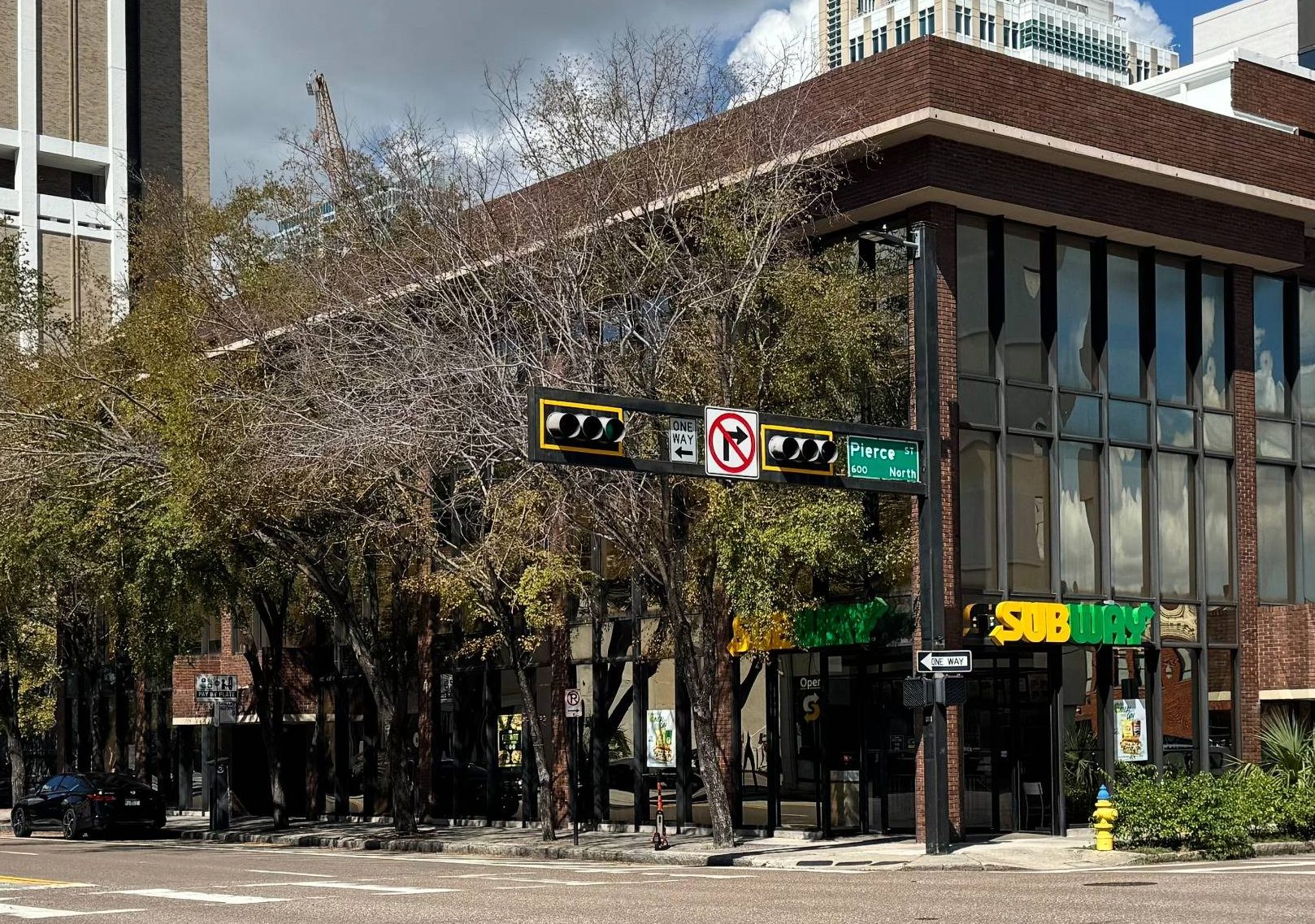
Tampa, FL 33602
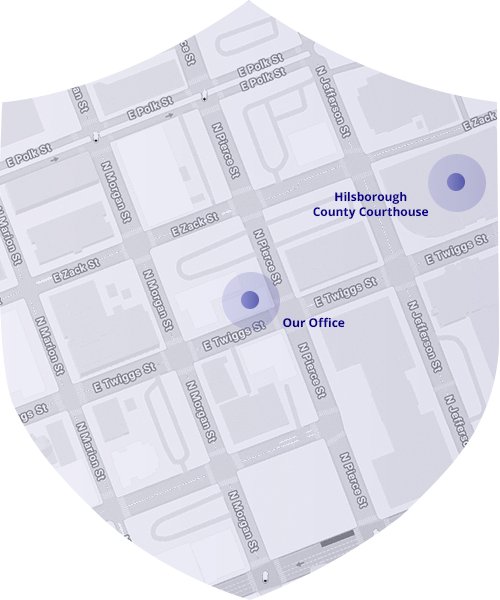
Contact Us Now
Free Legal Consultation (813) 727-7159