- Free Consultation 24/7: (813) 727-7159 Tap Here To Call Us


From First DUI to Death Penalty



False Confessions in Florida Sex Crimes Cases: What Tampa Defendants Need to Know


The Brancato Law Firm, P.A. | Updated January 19, 2026
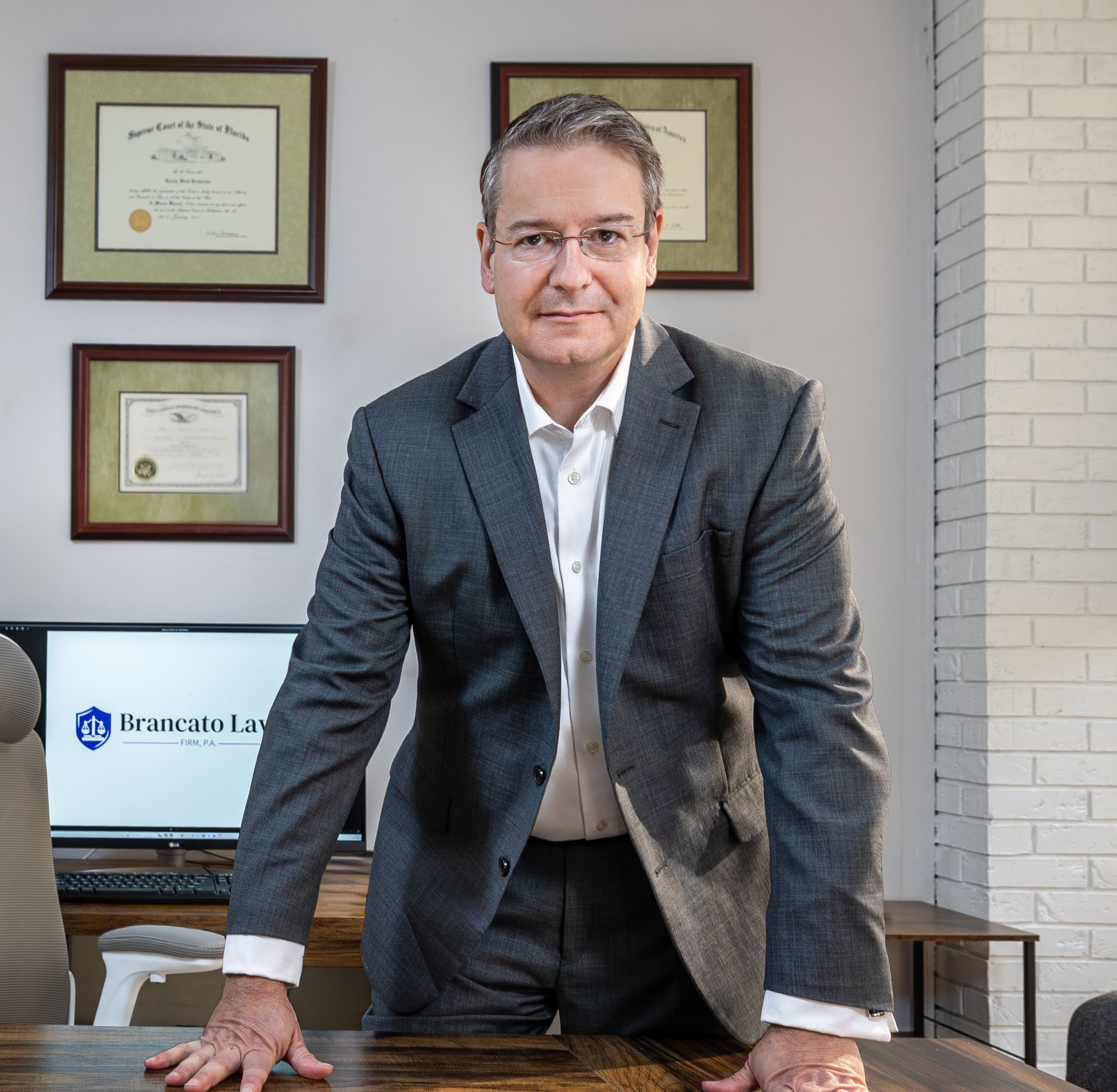
If you have been accused of a sex crime in Tampa, the pressure of a police interrogation can lead to devastating mistakes. Tampa Sex Crimes Attorney Rocky Brancato and The Brancato Law Firm, P.A. have spent more than 25 years defending individuals against false confession claims throughout Hillsborough, Pinellas, and Pasco Counties. As a former police academy instructor who trained officers on criminal procedure and courtroom testimony, Rocky understands exactly how interrogations work—and how they can go wrong.
| Key Takeaway: Research shows that 25 to 30 percent of overturned convictions involve a false confession. An experienced Tampa criminal defense attorney can challenge coerced statements and protect your constitutional rights. |
Why False Confessions Happen in Tampa Sex Crimes Cases
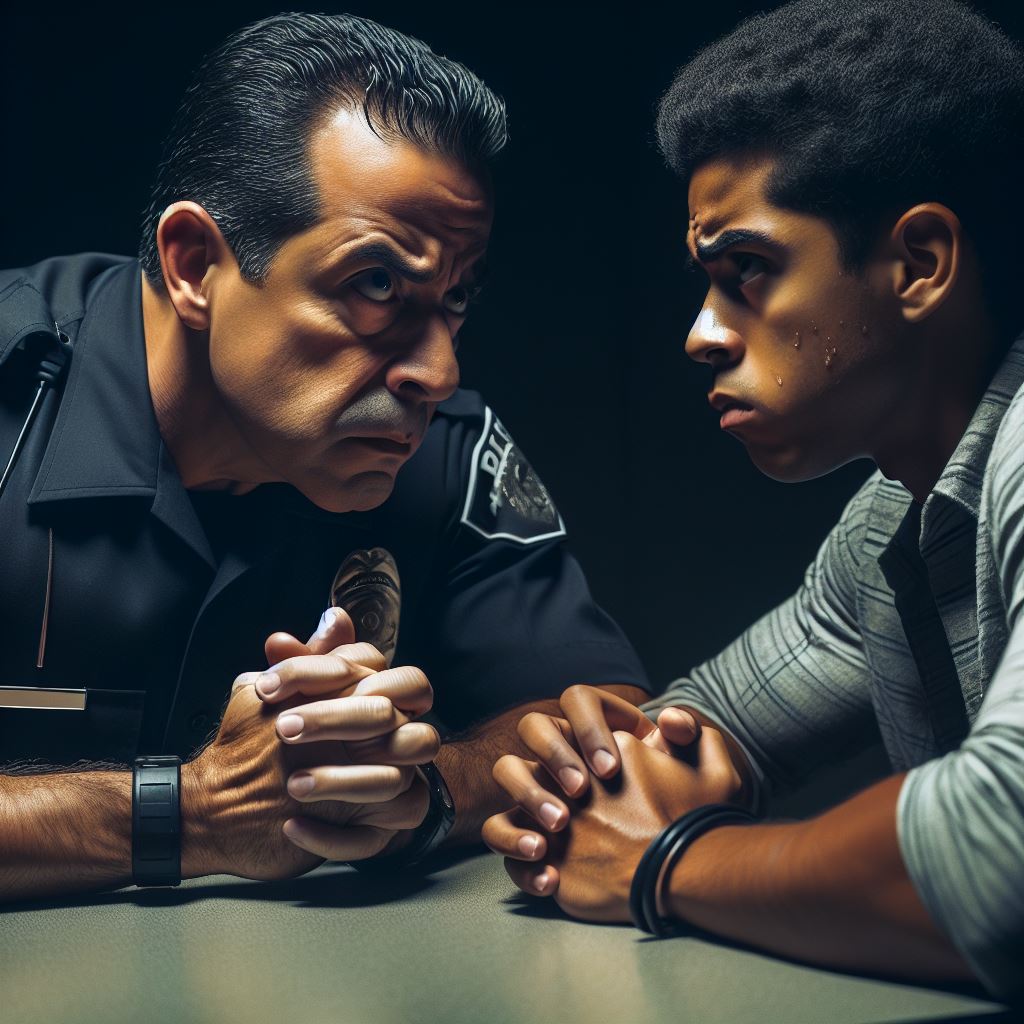
False confessions are a leading cause of wrongful convictions in the United States. Moreover, sex crimes investigations often involve lengthy, stressful interrogations where a single false statement can lead to serious charges, lengthy prison sentences, and permanent damage to a person’s reputation. Consequently, understanding the tactics law enforcement uses is critical to protecting yourself.
The Netflix series Making a Murderer highlighted how a 16-year-old boy with borderline intellectual disability was pressured into a false confession. Although the circumstances vary, the pattern is common: law enforcement applies psychological pressure until a suspect breaks down. Furthermore, having an experienced Tampa criminal defense attorney present during questioning can prevent these devastating outcomes.
| Legal Definition: A false confession occurs when a person admits to a crime they did not commit, typically as a result of coercive interrogation tactics, psychological pressure, or exploitation of mental vulnerabilities. Florida courts recognize that such confessions may be challenged as involuntary under the Fifth and Fourteenth Amendments. |
Common Coercive Interrogation Tactics Used by Tampa Police
As a former police academy instructor, I trained officers on the constitutional requirements they must follow during interrogations. Therefore, when I review a case, I know exactly what to look for. Specifically, law enforcement officers often use the following tactics that can lead to false confessions:
| Tactic | How It Leads to False Confessions |
| Isolation and Sleep Deprivation | Suspects become exhausted and disoriented, making them more likely to say anything to end the questioning |
| False Promises of Leniency | Officers suggest that confessing will result in lighter treatment, even though they have no authority to make such promises |
| Lying About Evidence | Police legally can claim they have DNA, fingerprints, or witnesses that do not exist, causing innocent people to believe conviction is inevitable |
| Minimization Techniques | Detectives downplay the seriousness of the alleged crime, making a confession seem like a minor admission rather than a life-altering statement |
| Leading Questions | Officers feed details to the suspect, who later repeats them—creating the false appearance that only the guilty party would know such information |
| Warning: Under current Florida law, police are legally permitted to lie to suspects during interrogations. This includes fabricating evidence, claiming witnesses have identified you, or suggesting that cooperation will lead to leniency. Never speak to police without an attorney present. |
How The Brancato Law Firm Challenges False Confessions
When I take on a false confession case, I use a methodical, evidence-driven approach developed over 25 years of criminal defense work. Additionally, my experience as a former police academy instructor gives me unique insight into what training officers received—and whether they followed it.
Detailed Analysis of Interrogation Tactics
First, I review every aspect of the interrogation. This includes audio and video recordings, transcripts, officer reports, and the length and conditions of questioning. I evaluate the suspect’s emotional and mental state during the interview. Specifically, I look for threats, intimidation, false promises of leniency, and deceptive strategies.
For juvenile cases, I interview parents to determine whether police attempted to contact them and what officers said before questioning the child. Juveniles are significantly more vulnerable to pressure, fear, and manipulation, and courts recognize this heightened vulnerability.
Comparing Statements to Physical Evidence
False confessions often contain details that do not match independent evidence. Therefore, I compare the suspect’s statements to forensic results, physical evidence, witness statements, and timeline and location data. I identify inconsistencies and examine whether law enforcement introduced facts that the accused later repeated.
| Case Study: Contaminated Confession Exposed A client faced serious sex crime charges after a marathon interrogation. During my review, I discovered that every specific detail in his “confession” had been provided by the detective through leading questions. The client’s statement contained no information that only the perpetrator would know—because he was not the perpetrator. After filing a motion to suppress and presenting expert testimony on interrogation contamination, the State dismissed the charges. Result: Case Dismissed. |
Working With Forensic Psychology Experts
False confession cases often require expert support. Consequently, I consult with forensic psychologists and interrogation specialists who can explain how confessions become contaminated, analyze the reliability of the statement, and provide expert testimony regarding coercion. Expert analysis strengthens motions to suppress coerced statements and helps juries understand why innocent people confess.
Protecting and Enforcing Miranda Rights
Miranda violations frequently play a central role in false confession cases. I taught these exact constitutional requirements at the police academy, so I know precisely what officers are trained to do—and what happens when they cut corners. Specifically, I examine whether the suspect understood their rights, officers misrepresented those rights, police continued questioning after a request for a lawyer, or officers used tactics intended to sidestep Miranda requirements.
When law enforcement violates constitutional protections, confessions can be suppressed. I have successfully filed motions to suppress unlawfully obtained confessions in the Hillsborough County Courthouse, leading to dismissals, reduced charges, and more favorable outcomes for clients.
Why Tampa Defendants Choose The Brancato Law Firm
| Credential | What It Means for Your Defense |
| 25+ Years Criminal Defense Experience | Deep knowledge of Tampa courts, judges, and prosecutors in the 13th Judicial Circuit |
| Former Police Academy Instructor | Insider knowledge of officer training on interrogations, Miranda, and testimony—used to expose violations |
| Former Chief Operations Officer, Hillsborough County Public Defender | Led and mentored a staff of over 100 attorneys handling serious felony cases |
| Proven Suppression Motion Record | Multiple cases dismissed after successfully challenging coerced confessions |
Frequently Asked Questions About False Confessions
Questions About Police Interrogation Tactics
False confessions often occur because of intense pressure, psychological manipulation, exhaustion, fear, or deception by law enforcement. Additionally, long interrogations, threats, false promises, and cognitive vulnerabilities can all lead to unreliable statements that do not reflect what actually happened.
Yes. Under current Florida law, police are permitted to use deception during questioning. Consequently, this includes lying about evidence, claiming witnesses have identified you, or fabricating forensic results. These tactics often contribute to false confessions, especially in sex crimes cases where emotions run high
Absolutely. Juveniles are significantly more vulnerable to pressure, fear, and manipulation than adults. Furthermore, courts recognize this heightened vulnerability, which makes proper legal review essential for any juvenile facing interrogation.
Questions About Challenging a False Confession
An attorney can challenge the confession by reviewing interrogation recordings, identifying coercive tactics, comparing statements to physical evidence, interviewing witnesses, and filing motions to suppress the confession. Moreover, expert witnesses can explain why certain individuals are at risk for false confessions.
If law enforcement failed to give proper Miranda warnings or continued questioning after you invoked your rights, the confession may be excluded from evidence. Therefore, a skilled Tampa criminal defense attorney can file a motion to suppress and potentially have the statement thrown out entirely.
Yes. Expert witnesses such as forensic psychologists can explain why certain individuals are at risk for false confessions and evaluate whether coercive tactics influenced the statement. Their testimony helps judges and juries understand the science behind interrogation-induced confessions.
No. With effective legal representation, a false confession can be challenged, suppressed, or undermined at trial. Consequently, many wrongful accusations are defeated once the confession is exposed as unreliable and the jury understands how it was obtained.
Your Future Is Worth Fighting For
Contact Tampa Criminal Defense Attorney Rocky Brancato Today
If you believe your case involves a false or coerced confession, do not wait. Every day you delay is a day the prosecution builds its case against you. Your freedom is at stake.
Call (813) 727-7159 for a Confidential Consultation
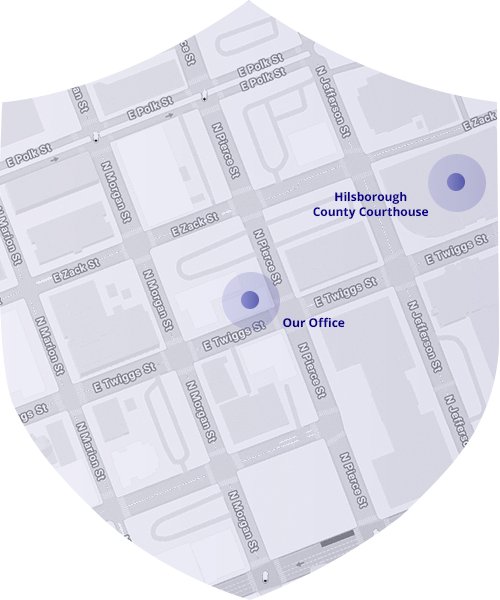
620 E Twiggs Street, Suite 205, Tampa, FL 33602
Serving Hillsborough, Pinellas, and Pasco Counties
25+ Years of Criminal Defense Experience | Former Chief Operations Officer, Hillsborough County Public Defender’s Office
Related: More from The Brancato Law Firm
- Tampa Sex Crimes Defense Attorney
- Florida Confession Without Corpus in Sex Crimes Cases
- Tampa Online Sex Sting Defense
- What to Do If You Are Arrested in Hillsborough County
- Corpus Delicti Defense – Challenging Confessions

Visit Us
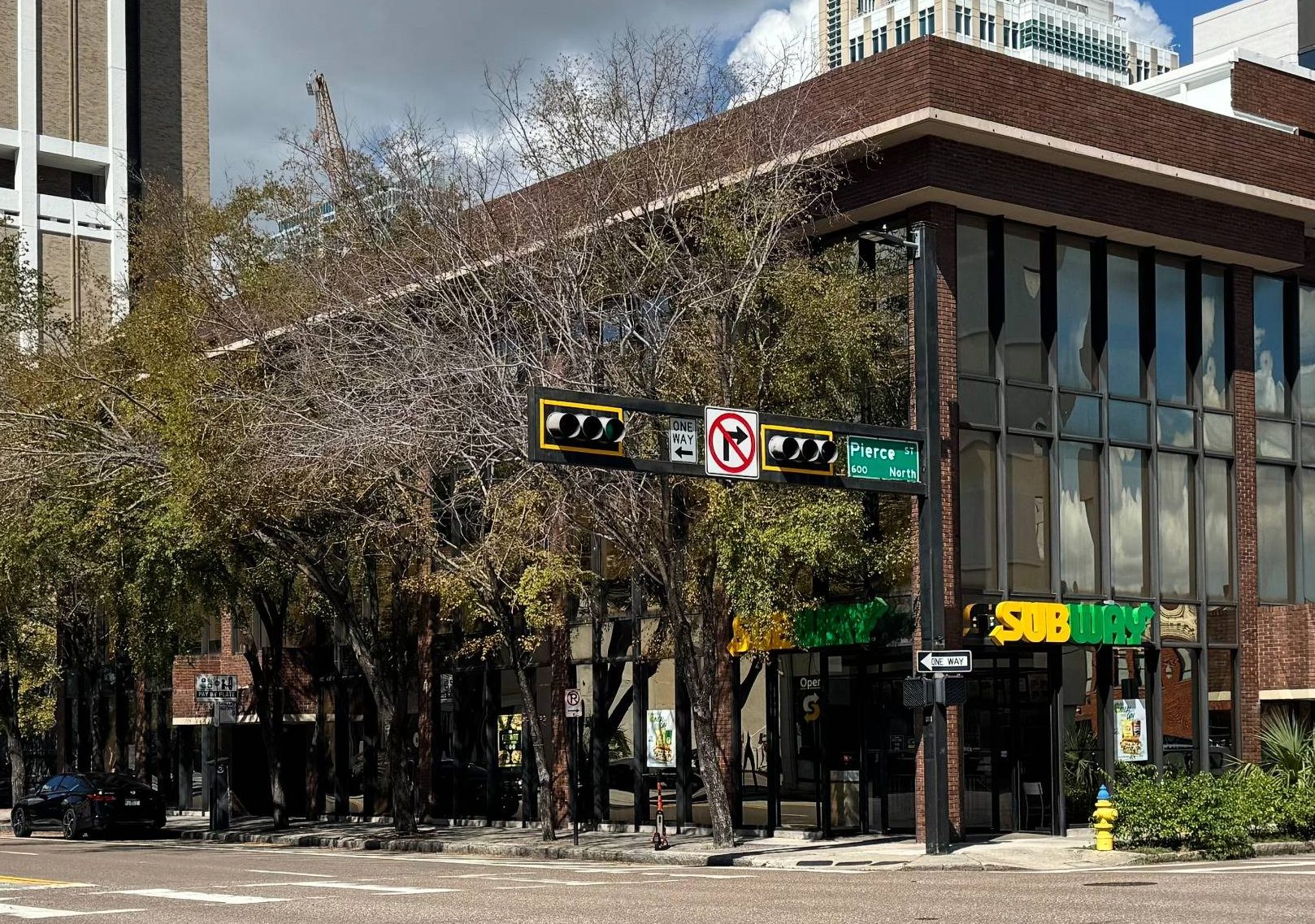
Tampa, FL 33602
Contact Us Now
Free Legal Consultation (813) 727-7159