- Free Consultation 24/7: (813) 727-7159 Tap Here To Call Us


From First DUI to Death Penalty



Florida Child Pornography Lawyer: CSAM Defense in Tampa


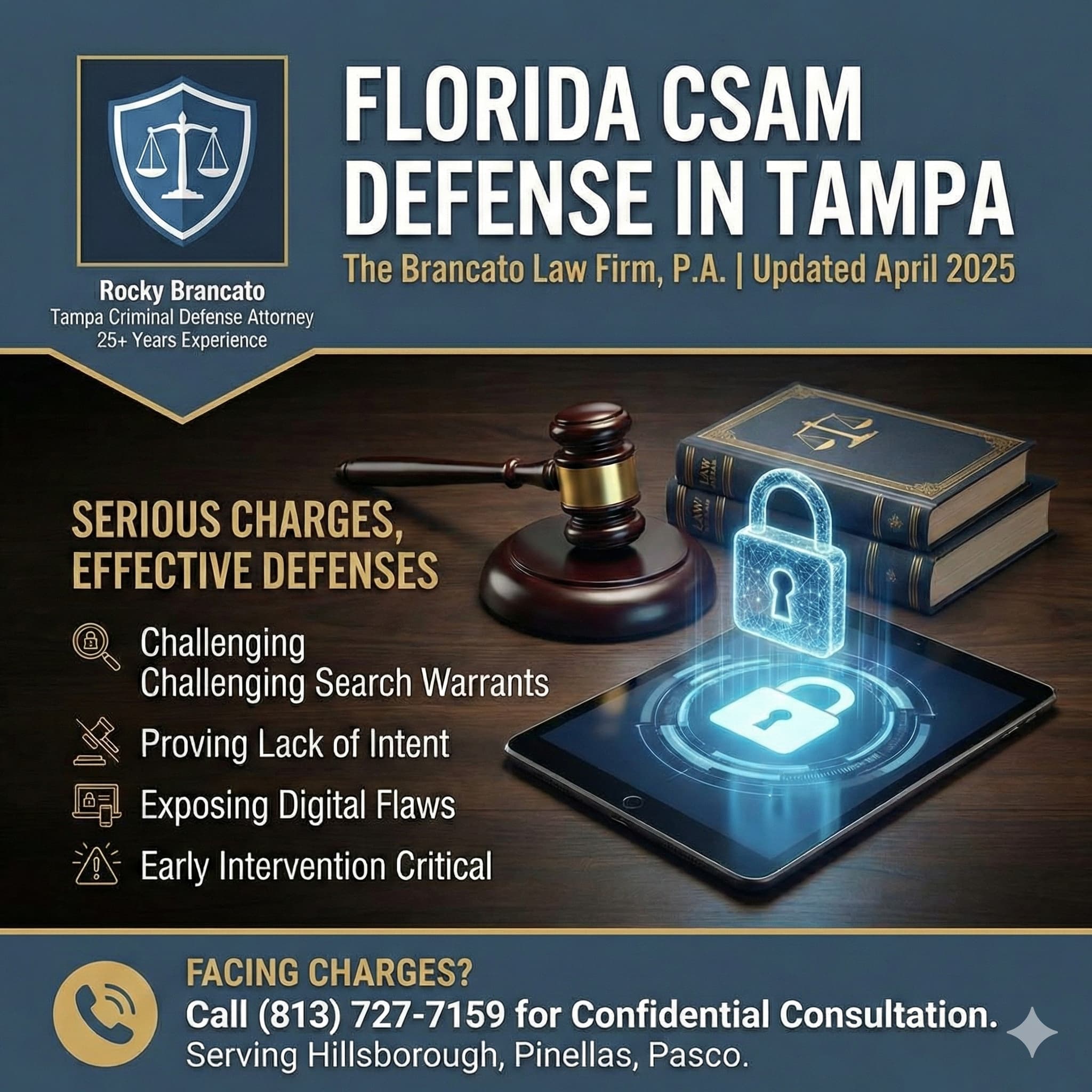
The Brancato Law Firm, P.A. | Updated January 19, 2026
Facing a child pornography charge in Tampa—now more accurately called possession or distribution of Child Sexual Abuse Material (CSAM)—is among the most serious situations anyone can face under Florida law. Tampa Criminal Defense Attorney Rocky Brancato and The Brancato Law Firm, P.A. have spent more than 25 years defending individuals throughout Hillsborough, Pinellas, and Pasco Counties who were blindsided by CSAM investigations—many with no prior record and no intent to harm anyone.
| Key Takeaway: A single CSAM image can result in years in prison, lifetime sex offender registration, and permanent damage to your reputation. However, effective defenses exist—including challenging search warrants, proving lack of intent, and exposing flaws in digital forensic analysis. Early intervention by an experienced Tampa sex crimes attorney is critical. |
Florida CSAM Penalties Under §827.071
Understanding the potential consequences is essential when facing CSAM charges. Moreover, Florida prosecutors aggressively pursue these cases, and the penalties can be life-altering.
| Offense | Classification | Maximum Penalty |
| Possession or Viewing of CSAM | 3rd Degree Felony | 5 years per image |
| Promoting Sexual Performance by Child | 2nd Degree Felony | 15 years per count |
| Producing Sexual Performance by Child | 2nd Degree Felony | 15 years per count |
| Using Child in Sexual Performance | 2nd Degree Felony | 15 years per count |
| Critical Warning: Each image or video may count as a separate felony charge. When multiple files or multiple minors are involved, charges can add up to dozens of counts—and potential decades in prison. Additionally, all CSAM convictions require lifetime sex offender registration in Florida. |
What Florida Statute §827.071 Covers
| Legal Definition: Under Florida Statute §827.071, CSAM offenses include possessing or intentionally viewing child sexual abuse material, promoting or distributing performances involving children in sexual conduct, producing sexual performances involving children, and allowing or using a child to participate in such a performance. A “child” is anyone under 18, and a “sexual performance” includes photos, videos, or live events showing actual or simulated sexual conduct. |
The scope of this statute is broader than many people realize. Specifically, the law prohibits not just production but also possession, viewing, and distribution. Furthermore, “sexual performance” can include lewd exhibition or physical contact that appears sexual—even if no actual abuse occurred during the creation of the image.
How CSAM Investigations Begin in Tampa
Federal law requires companies like Google, Facebook, Snapchat, and Dropbox to monitor and report any suspected CSAM found on their platforms. Consequently, these companies send reports to the National Center for Missing and Exploited Children (NCMEC) through a secure CyberTipline. Understanding this process is essential because by the time police contact you, the investigation is often well underway.
| Step | What Happens |
| 1 | Tech company (Google, Facebook, Dropbox, etc.) detects suspected CSAM and reports to NCMEC CyberTipline |
| 2 | NCMEC evaluates the report for credibility and forwards credible reports to law enforcement |
| 3 | Investigators issue subpoenas to identify account owner and device information |
| 4 | Search warrant obtained and executed—devices seized for forensic examination |
| 5 | Suspect contacted or arrested—often months after investigation began |
Important: Many people are shocked to learn they’re under investigation and make statements without realizing the risk. As a former police academy instructor who trained officers on criminal procedure and courtroom testimony, I know exactly how these interviews are conducted—and how statements made without an attorney present can be used against you unfairly.
Defense Strategies in Florida CSAM Cases
Despite the seriousness of these charges, effective defenses exist. I work to uncover flaws in how evidence was gathered and challenge the State’s assumptions at every stage of the case.
Lack of Intent
Florida law requires proof that someone intentionally viewed CSAM. Accidentally clicking on an image or opening a file once is not enough to establish guilt. Therefore, I challenge the State to prove intentional, knowing conduct—not mere presence of files on a device. The prosecution must demonstrate repeated, voluntary actions that show actual intent to view.
Malware or Inadvertent Downloads
In many cases, CSAM enters devices through malware, file-sharing networks, or automatic cloud syncing—without the user’s knowledge. Consequently, I work with digital forensic experts who can determine whether the content was ever actually opened or viewed, whether files were saved, sorted, or organized (suggesting intentional keeping), and whether malware or external/remote access compromised the device.
Invalid or Overbroad Search Warrants
If law enforcement failed to follow legal procedures when collecting evidence, that evidence may be excluded. I trained officers on the constitutional requirements for search and seizure, so I know precisely what procedures must be followed—and what happens when they cut corners. Specifically, I review all warrants to ensure they meet Fourth Amendment standards and challenge overbroad warrants that exceeded their proper scope.
Entrapment Defense
In sting operations, law enforcement sometimes creates situations where the accused is pushed into committing acts they wouldn’t have done otherwise. Florida law allows both objective and subjective entrapment defenses, depending on the facts of the case. Additionally, I file Motions to Compel to obtain the ICAC operational plans that govern how these undercover operations are conducted.
| Case Study: Young Client Avoids Lifetime Sex Offender Registration A young man who had just turned 18 was charged with possession of child pornography. He faced the very real possibility of years in prison and lifetime sex offender registration—a label that would follow him forever, destroying his future before it even began. I conducted extensive mitigation work, presenting the full picture of who this young man was beyond the charges. Through persistent negotiation with prosecutors, we were able to work out a resolution to a non-registerable offense with treatment. Result: Non-Registerable Charge, No Lifetime Sex Offender Registration. |
Federal Programs Used in CSAM Investigations
Understanding the federal infrastructure behind CSAM investigations helps explain why these cases move so quickly and why early legal intervention is critical.
| Program | Function |
| NCMEC CyberTipline | Receives reports from tech companies, evaluates credibility, forwards tips to law enforcement |
| CVIP (Child Victim ID) | Matches CSAM to known victims, identifies new victims, trains law enforcement |
| CENP (FBI) | Maintains central database of identified victims, ensures victim notification in new cases |
| ICAC Task Force | 61 regional task forces using undercover operations, forensic tools, and surveillance techniques |
Why Tampa Defendants Choose The Brancato Law Firm
| Credential | What It Means for Your Defense |
| 25+ Years Criminal Defense | Deep knowledge of Tampa courts, judges, and prosecutors in the 13th Judicial Circuit |
| Former Police Academy Instructor | Insider knowledge of officer training on search warrants, interrogations, and testimony |
| Digital Forensic Expert Network | Challenge technical evidence, prove malware compromise, expose flawed analysis |
| Former Chief Operations Officer, Hillsborough PD Office | Led and mentored a staff of over 100 attorneys handling serious felony cases |
Frequently Asked Questions About CSAM Charges in Florida
Questions About CSAM Laws and Penalties
CSAM stands for Child Sexual Abuse Material—the updated term for what was previously called “child pornography.” The terminology change emphasizes that each file represents real harm to a real child. Moreover, using this term reflects how prosecutors and courts now describe these offenses.
Yes. Even images that are altered or simulated—if they involve identifiable minors or appear to depict real children—can result in prosecution under Florida law. Consequently, the defense strategy for these cases often focuses on the nature and origin of the images.
Yes. A conviction for any CSAM-related offense requires lifetime sex offender registration in Florida. Therefore, avoiding conviction—or obtaining reduced charges that don’t carry registration requirements—is critically important.
Questions About Defenses and Legal Strategy
Accidental viewing—clicking on a link without knowing what it contained, or opening a mislabeled file—may not meet the legal requirement of intentional viewing. However, prosecutors will examine browsing history, file organization, and repeated access to determine intent. A forensic expert can help demonstrate that access was unintentional.
Do not speak to investigators without an attorney present. By the time police contact you, they’ve often spent months building their case. Anything you say—even attempting to explain innocence—can be used against you. Contact an experienced Tampa criminal defense attorney immediately.
Absolutely. If the warrant was based on stale information, lacked probable cause, or if officers exceeded the warrant’s scope during execution, the evidence obtained may be suppressed. Furthermore, Fourth Amendment violations can result in dismissal of charges entirely.
Facing CSAM Charges? Time Is Critical
Contact Tampa Criminal Defense Attorney Rocky Brancato Today
I’ve seen the shame and isolation that follow these accusations. Even when no real child was directly harmed—or when content was never deliberately sought—people suffer devastating consequences before they’re ever convicted. But guilt isn’t automatic. Many investigations rely on faulty digital analysis, assumptions about device ownership, or overreach by police.
Every day you wait is a day the prosecution builds its case. Your freedom is at stake.
Call (813) 727-7159 for a Confidential Consultation
620 E Twiggs Street, Suite 205, Tampa, FL 33602
Serving Hillsborough, Pinellas, and Pasco Counties
25+ Years of Criminal Defense Experience | Former Chief Operations Officer, Hillsborough County Public Defender’s Office
Related: More from The Brancato Law Firm
- Tampa Sex Crimes Defense Attorney
- Tampa Internet & Cybercrimes Attorney
- Is Porn Legal in Florida
- Florida Court Dismisses Child Pornography Charges
- Child Pornography Enhancements in Florida

Visit Us
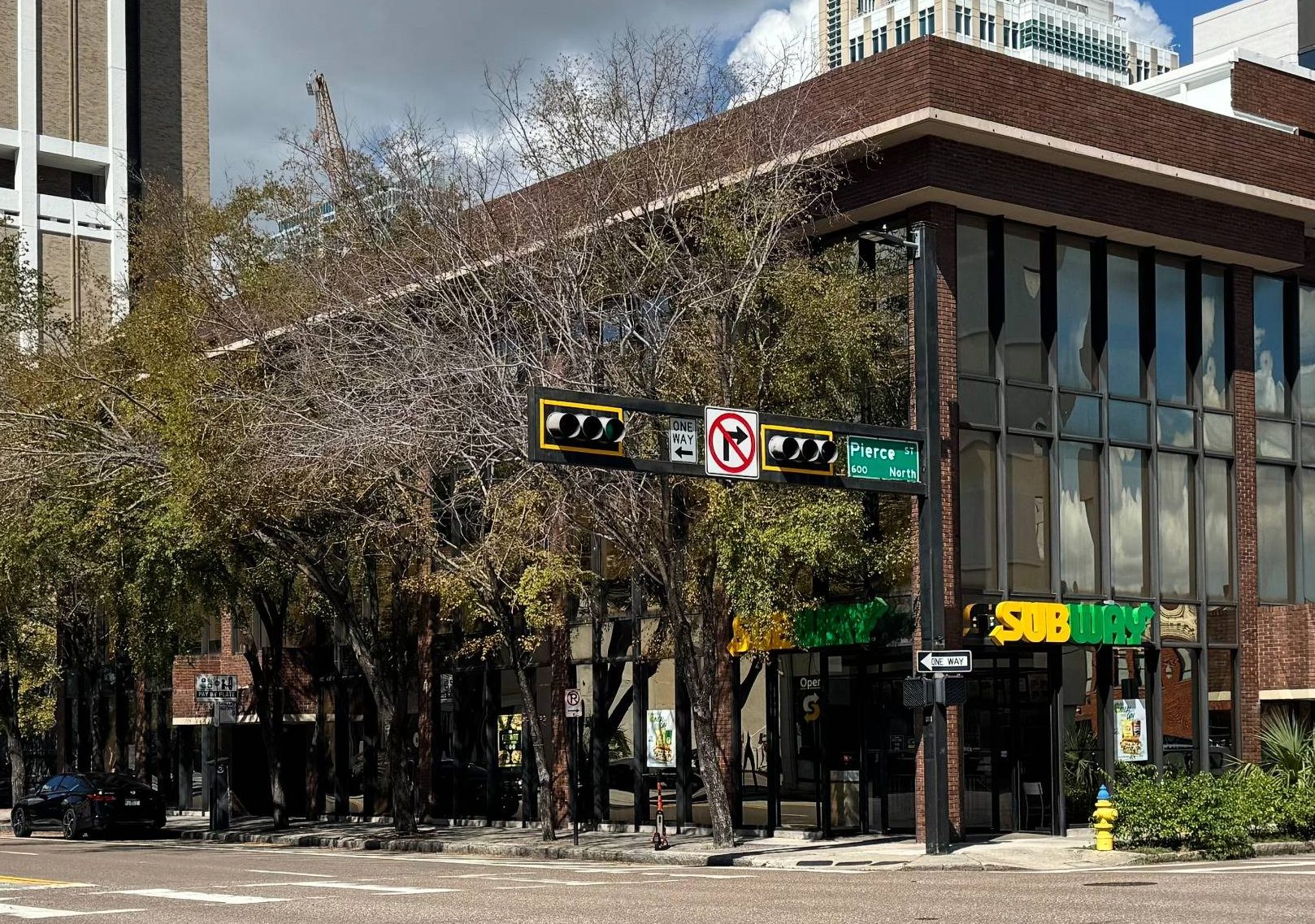
Tampa, FL 33602
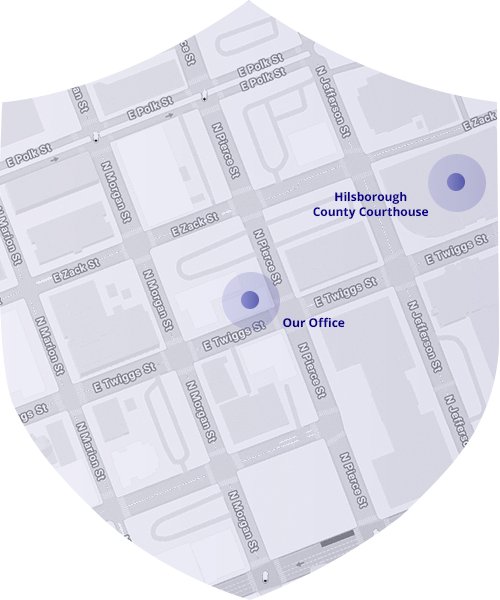
Contact Us Now
Free Legal Consultation (813) 727-7159