- Free Consultation 24/7: (813) 727-7159 Tap Here To Call Us




Do I have the Right to an Interpreter in Criminal Court?



| Quick Answer Yes. If you are facing criminal charges in Florida and you do not speak English—or you are deaf or hard of hearing—the court must provide an interpreter at no cost to you. This is not a favor. It is your right under Florida law. |
Being arrested is terrifying. Being arrested when you cannot understand what is happening—or cannot communicate with your lawyer, the judge, or the prosecutor—is even worse. The same is true if your child is facing juvenile charges and you, as the parent, do not speak English.
Florida law guarantees you the right to an interpreter in criminal and juvenile delinquency cases. This article explains who qualifies, how to request an interpreter, and what to do if the court fails to provide one.
Your Rights Under Florida Law
Two Florida rules protect your right to understand and participate in your own case:
Rule 2.560 – Spoken Language Interpreters
Under Florida Rule of General Practice and Judicial Administration 2.560, the court must appoint an interpreter in any criminal or juvenile delinquency proceeding if:
- The accused cannot understand or has limited understanding of English
- The parent or legal guardian of an accused juvenile cannot understand English
- The victim or alleged victim cannot understand English
The word “must” is important. This is not discretionary. If you qualify, the court is required to provide an interpreter.
Rule 2.540 – ADA Accommodations (Deaf and Hard of Hearing)
If you are deaf or hard of hearing, Florida Rule of General Practice and Judicial Administration 2.540 requires the court to provide accommodations under the Americans with Disabilities Act (ADA). This includes:
- American Sign Language (ASL) interpreters
- CART (Communication Access Realtime Translation) services
- Assistive listening devices
- Other auxiliary aids and services
These accommodations are provided at the court’s expense—not yours.
Who Is Entitled to an Interpreter?
In criminal and juvenile delinquency cases, the following people are entitled to a court-appointed interpreter:
- The defendant – If you are the person facing charges, the court must ensure you understand every proceeding.
- Parents or guardians of juvenile defendants – If your child is facing juvenile delinquency charges, you have the right to understand what is happening.
- Victims and alleged victims – The court must also provide interpreters for victims who do not speak English.
- Witnesses – If a witness cannot testify in English, the court must provide an interpreter under the Florida Evidence Code.
What About My Family Members?
If your spouse, parent, or other family member wants to attend your hearing but does not speak English or is deaf, they may be able to request accommodations depending on their role:
- If they are the victim – The court must provide an interpreter.
- If they are the parent of a juvenile defendant – The court must provide an interpreter.
- If they are a witness – The court must provide an interpreter when they testify.
- If they are a spectator with a disability – They may request ADA accommodations under Rule 2.540.
For ADA accommodations, the request should be made at least 7 days before the court date. Contact information for the court’s ADA coordinator is typically available on the circuit court’s website and on court notices.
Do Not Use Family Members as Interpreters
| Warning Never use a family member, friend, or untrained bilingual person to interpret for you in court. This can seriously damage your case. |
Here is why:
- They lack certification. Court interpreters must meet specific qualifications. An untrained interpreter can make critical errors that change the meaning of testimony.
- You risk compromising attorney-client privilege. Rule 2.560(g) protects communications made through a qualified interpreter. Using an unqualified interpreter endangers confidentiality.
- The State can use the interpretation against you. If the interpreter translates inaccurately, the State may use your own words—incorrectly translated—as evidence.
- The court must provide an interpreter. You should not have to solve this problem yourself. Insist on your right to a qualified interpreter.
How to Request an Interpreter
If You Have an Attorney
Tell your attorney immediately that you need an interpreter. Your attorney will notify the court and ensure one is provided for all hearings, depositions, and meetings.
If You Do Not Have an Attorney
Tell the court at your first appearance. The judge should ask if you need an interpreter. If no one asks, speak up. Say: “I need an interpreter. I do not speak English well enough to understand these proceedings.”
For ADA Accommodations (ASL, CART, Assistive Devices)
Under Rule 2.540, you should request ADA accommodations at least 7 days before your court date. The process is:
- Contact the court’s ADA coordinator (contact information is on court notices and the circuit website)
- Describe the accommodation you need (ASL interpreter, CART, etc.)
- Provide the date and location of your court hearing
If your court date is less than 7 days away, contact the ADA coordinator immediately. The court may waive the timing requirement.
| What Court Notices Must Include Under Rule 2.540(c), every court notice must include a statement in bold, 14-point font explaining your right to ADA accommodations and providing contact information for the court’s ADA coordinator. If you received a court notice without this information, the court may not be in compliance with Florida rules. |
What Languages Are Available?
Florida courts provide interpreters for many languages. The court prefers to use certified interpreters—professionals who have passed testing and meet specific qualifications. In Hillsborough County and throughout Florida, interpreters are commonly available for:
- Spanish
- Haitian Creole
- Portuguese
- Vietnamese
- Mandarin and Cantonese
- Arabic
- American Sign Language (ASL)
- Many other languages
If a certified interpreter is not available for your language, the court must still find a qualified interpreter. Under Rule 2.560(e), even in exceptional circumstances, the judge must make a finding on the record that the interpreter is competent before allowing them to interpret.
What If the Court Does Not Provide an Interpreter?
If you requested an interpreter and the court failed to provide one, tell your attorney immediately. Proceeding without an interpreter when one is required can be grounds for appeal or other relief.
If you are a defendant and the court proceeds without ensuring you understand the proceedings, your constitutional rights may be violated. The right to understand your charges, the evidence against you, and the proceedings is fundamental to due process.
Frequently Asked Questions
No. In criminal and juvenile delinquency cases, the court pays for the interpreter. For ADA accommodations, the court also pays. You should never be charged for interpreter services in a criminal case.
You can, but it is not recommended for court proceedings. The court should provide a certified interpreter. Using your own interpreter—especially a family member—can create problems with accuracy, privilege, and credibility. In some situations, an attorney may retain a qualified interpreter, but this must comply with Rule 2.565.
The court must still provide an interpreter. Under Rule 2.560(e)(3), the judge can appoint an interpreter who is not certified in exceptional circumstances, but must first find on the record that the interpreter is competent. The court may also use remote interpretation technology to access interpreters from other locations.
You may still qualify for an interpreter. The rule covers “limited-English-proficient” persons—those who cannot communicate effectively in English because their primary language is not English. If you have difficulty understanding legal terminology, court procedures, or complex questions, you should request an interpreter.
No. Using an interpreter is your constitutional right. Jurors and judges understand that many people in our community speak languages other than English. What matters is that you understand the proceedings and can participate in your own defense. An interpreter helps you do that.
Possibly. If your family member is a victim, parent of a juvenile defendant, or witness, the court must provide an interpreter. If they are a spectator with a disability, they may request ADA accommodations under Rule 2.540. Contact the court’s ADA coordinator at least 7 days before the hearing.
Yes. Under Rule 2.560(g), communications through an interpreter are privileged just like direct communications with your attorney. This means the interpreter cannot be compelled to testify about what you said in confidential settings.
Tell your attorney. Your attorney can arrange for a qualified interpreter for depositions, witness interviews, and attorney-client meetings. Rule 2.565 governs how attorneys retain interpreters outside of court proceedings.
About the Author
Tampa Criminal Attorney Rocky Brancato is the founding attorney of The Brancato Law Firm, P.A., a criminal defense practice based in Tampa, Florida. With more than 25 years of experience—including service as Chief Operations Officer of the Hillsborough County Public Defender’s Office—Rocky has handled thousands of criminal cases and understands the challenges that non-English speakers and individuals with disabilities face in the court system.
If you or a family member is facing criminal charges and needs an attorney who will protect your rights, contact The Brancato Law Firm today.
| Free Consultation Call (813) 727-7159 The Brancato Law Firm, P.A. | Tampa, Florida |

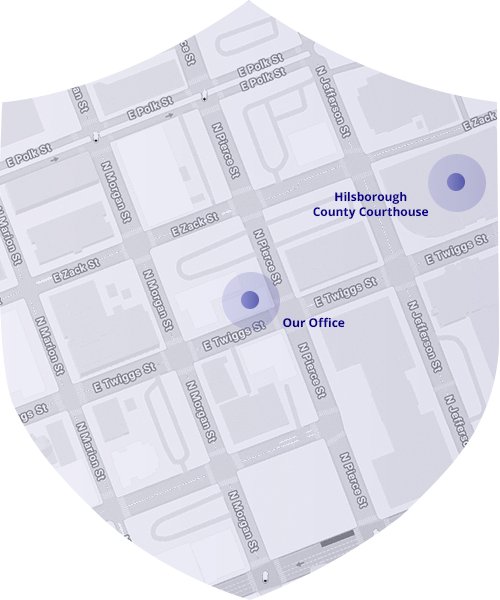
Visit Us

Suite #205
Tampa, FL 33602
Contact Us Now
Free Legal Consultation (813) 727-7159