- Free Consultation 24/7: (813) 727-7159 Tap Here To Call Us




Public Defender vs. Private Attorney in Tampa: An Honest Comparison



Understanding the real differences in timing, resources, and scope—while acknowledging that quality varies in both systems
| IMPORTANT: AN HONEST ASSESSMENT The differences described below are generalities. There are outstanding assistant public defenders who work long hours, visit their clients regularly, and return calls promptly. There are also private attorneys who run high-volume practices with 400+ cases and have less time per client than a typical public defender. Quality varies in both systems. |
First Question: Do You Even Qualify for a Public Defender?
Before comparing options, understand that public defender services are reserved for those who cannot afford private counsel. In Florida, eligibility generally requires income at or below 200% of the federal poverty guidelines.
If you exceed this threshold, you should not use the public defender system even if you prefer to save money. Doing so takes resources from those who genuinely cannot afford representation.
Timing: When Representation Can Begin
One structural difference involves when the lawyer can start working on your case. A public defender typically cannot be appointed until your first appearance or arraignment—after the State has already moved forward with charges.
| PRIVATE ATTORNEY: PRE-FILE INTERVENTION A private attorney can begin working immediately after an arrest—or even while you remain merely “under investigation.” This allows for Pre-File Intervention: contacting the State Attorney’s Office before they formally file charges. Consequently, charges may be dropped or reduced before they ever reach a courtroom. |
The Ability to Research and Choose Your Attorney
One often-overlooked benefit of private representation is the ability to research and select your attorney before hiring. With the public defender system, you are assigned whoever is available. With private counsel, you can investigate experience, reputation, and fit.
However, this benefit only matters if you actually conduct due diligence. Hiring the first attorney who answers the phone can leave you worse off than with a public defender.
Evaluating Credentials and Experience
Don’t confuse advertising with skill. Sponsored search placement means a firm is spending money on marketing—it does not guarantee skill or dedication. Use online visibility as a starting point, not a credential.
Ask who will actually handle your case. At larger firms, the attorney in advertisements may never touch your file. Ask specifically: Who will review evidence? Who will argue motions? Who will stand next to me at trial?
Look for relevant trial experience. Ask how many jury trials the attorney has handled in cases similar to yours. A DUI trial differs from a sexual battery trial. Ask for specifics.
Investigating Caseload and Firm Culture
Ask about current caseload. A private attorney with 400 cases may have less time for you than a public defender. Ask how many cases the attorney currently handles.
Check firm culture for statewide or large firms. Review employee feedback on Glassdoor or Indeed. High turnover, pressure to move cases quickly, and heavy caseloads are warning signs.
Understanding Fees and Spotting Red Flags
Understand the fee structure. Most criminal defense attorneys use flat fees. Ask whether trial is included, what expert costs may arise, and what exactly is covered.
If you can only afford a bargain-basement attorney, consider whether you qualify for the public defender—who likely has access to resources that can make a difference.
Beware of promises. No ethical attorney can guarantee dismissal or predict outcomes. If an attorney promises results or claims a “special relationship” with the judge, be skeptical. Ethical rules prohibit such guarantees.
Look for peer recognition. Peer recognition from other attorneys and judges (such as Martindale-Hubbell ratings) indicates skill and ethics—unlike paid directories or advertising awards.
Trust your gut. Did the attorney listen? Did they answer questions directly? Did you feel respected—or rushed and sold to?
Caseload Reality: It Varies by Circuit and Leadership
Caseloads in Florida’s public defender offices vary significantly—typically ranging from 125 to 200 cases per attorney, depending on the jurisdiction. However, in some circuits, caseloads can reach 400 cases or more.
Why Caseloads Vary: Funding and Leadership
Each judicial circuit in Florida receives separate funding from the legislature. An elected public defender who can effectively advocate in Tallahassee may secure better funding.
Conversely, a public defender without strong legislative relationships may receive disproportionately lower funding—meaning fewer attorneys and more cases per attorney.
Elected public defenders also distribute salary dollars with different priorities, some choosing to keep a highly paid executive staff that do not carry caseloads. This reduces money available to pay assistant public defenders actually performing representation. Other elected public defenders carry caseloads themselves and have their executive staff carry cases, helping share the load while leading by example. Some elected public defenders and executive staff even handle death penalty cases.
| ⚠ REALITY CHECK: VOLUME PRIVATE PRACTICES Not all private attorneys offer lower caseloads. Some run high-volume practices with 400+ cases, charge low fees, and may actually have less time per client than a typical public defender. When evaluating private attorneys, ask about their current caseload and how many cases they handle simultaneously. |
Investigator and Expert Resources
Complex cases often require investigation and expert testimony beyond legal analysis. In Florida, public defender offices do have due process budgets for investigators and experts.
They generally do not require court approval to retain them. However, some elected public defenders are more conservative in what they approve. Resource availability can vary between offices.
Private attorneys can retain investigators and experts according to their own judgment and the client’s resources—without needing approval from anyone else.
Continuity of Counsel: Turnover Matters
Public defender offices often experience high turnover. Many assistant public defenders use the office as a training ground before moving to private practice.
This means that just as you become comfortable with your attorney and they learn your case, they may leave. A new attorney must then catch up on your file.
Horizontal Representation in Large Offices
Some large public defender offices use “horizontal representation,” where different attorneys handle different phases. You might speak to one attorney at your bond hearing and a completely different one at your pretrial conference. Additionally large public defender offices have specialized units with experienced attorneys for serious cases. However, sometimes there are not enough experienced attorneys to help carry the load. In other large public defender’s offices, the specialized units are adequately staffed and have some of the best attorneys in Florida.
With a private attorney (assuming they remain in practice), you typically receive continuity of counsel. The attorney who preps your case stands next to you throughout the process.
Ancillary Legal Matters: The “Side” Consequences
A criminal charge often triggers other legal issues that public defenders cannot handle due to their state mandate. These “side” consequences can affect your life as significantly as the criminal case:
| Ancillary Matter | Why It Matters |
| DHSMV License Hearings | DUI arrests trigger administrative suspensions with a 10-day window to request a hearing. Public defenders cannot handle DHSMV matters. |
| Professional Licensing | Nurses, teachers, and contractors face board actions following arrests. Public defenders cannot assist with licensing. |
| Civil Asset Forfeiture | If police seized cash or your vehicle, the civil case is separate. Public defenders handle criminal matters only. |
| Immigration Consequences | Under Padilla v. Kentucky, attorneys must advise on immigration. Private attorneys typically refer to specialists for complex issues. |
| Record Sealing/Expungement | Public defenders do not handle post-conviction sealing. Private attorneys can manage arrest through record clearing. |
Structural Comparison: Public Defender vs. Private Attorney
Remember: These are generalities. Individual attorneys in both systems may differ significantly.
| Feature | Public Defender | Private Attorney |
| Eligibility | ≤200% poverty guidelines | Anyone who can pay |
| Start Time | Post-arraignment | Immediate / pre-charge |
| Attorney Selection | Assigned by office | You research and choose |
| Typical Caseload | 125-200 (varies by circuit) | Varies widely by practice |
| Pre-File Intervention | Not available | Can negotiate before charges |
| Investigators/Experts | Due process budget; varies | At attorney’s discretion |
| Continuity of Counsel | High turnover; may change | Same attorney typically |
| Ancillary Matters | Criminal case only | Full lifecycle representation |
Frequently Asked Questions
Can a private attorney stop charges from being filed?
No attorney can guarantee a result. However, a private lawyer can engage in “pre-file negotiations”—presenting evidence or legal arguments before charges are formally filed. This is unavailable through the public defender system.
Are public defenders less qualified than private attorneys?
No. Many assistant public defenders are highly skilled and gain extensive trial experience early in their careers. The differences are structural—timing, scope, turnover—not necessarily quality or dedication.
Why does continuity matter in a criminal case?
When one attorney handles your case from start to finish, they know every nuance without needing to “catch up.” Public defender offices often experience high turnover, and a new attorney must learn your case mid-stream.
What is pre-file advocacy?
Pre-file advocacy means contacting the State Attorney’s Office before they formally file charges. The goal is to convince the prosecutor not to file—or to file reduced charges. This requires representation that begins immediately after arrest.
How do I evaluate a private attorney before hiring?
Ask about current caseload, trial experience in similar cases, and who will handle your case. For large firms, check Glassdoor for warning signs. Understand fees completely. Be skeptical of anyone who promises specific results.
What happens to my professional license after an arrest?
Licensed professionals often face board actions separate from the criminal case. Public defenders cannot assist with licensing. A private attorney can help structure resolutions that protect your ability to work.
How do I know if I qualify for a public defender?
Florida requires income at or below 200% of the federal poverty guidelines. If you exceed this threshold, you should not use the public defender system—doing so takes resources from those who genuinely cannot afford representation.
Can I get my record sealed or expunged after my case?
Public defenders do not handle post-conviction sealing or expungement. A private attorney can represent you from arrest through clearing your record.
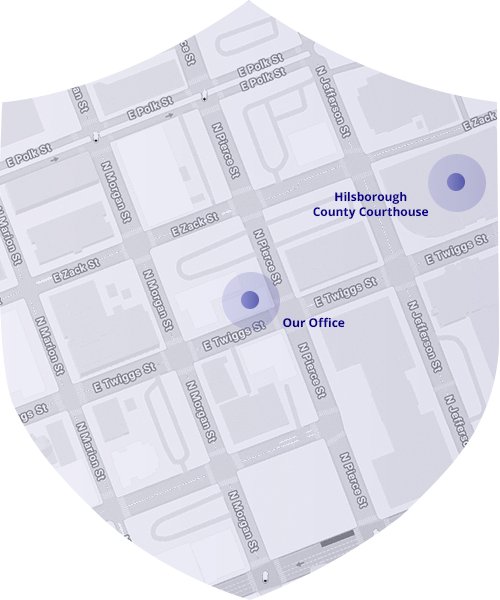
| Understand Your Options The Brancato Law Firm, P.A. offers proactive defense that addresses both your criminal case and the ancillary consequences that can affect your life for years. Call (813) 727-7159 for a Confidential Consultation. The Brancato Law Firm, P.A. 620 E. Twiggs Street, Suite 205, Tampa, FL 33602 |
| ABOUT ATTORNEY ROCKY BRANCATO With over 25 years of criminal defense experience, Tampa Attorney Rocky Brancato served as Chief Operations Officer of the Hillsborough County Public Defender’s Office. This gives him unique insight into both the strengths and limitations of the public defender system. |
Related:
Visit Us
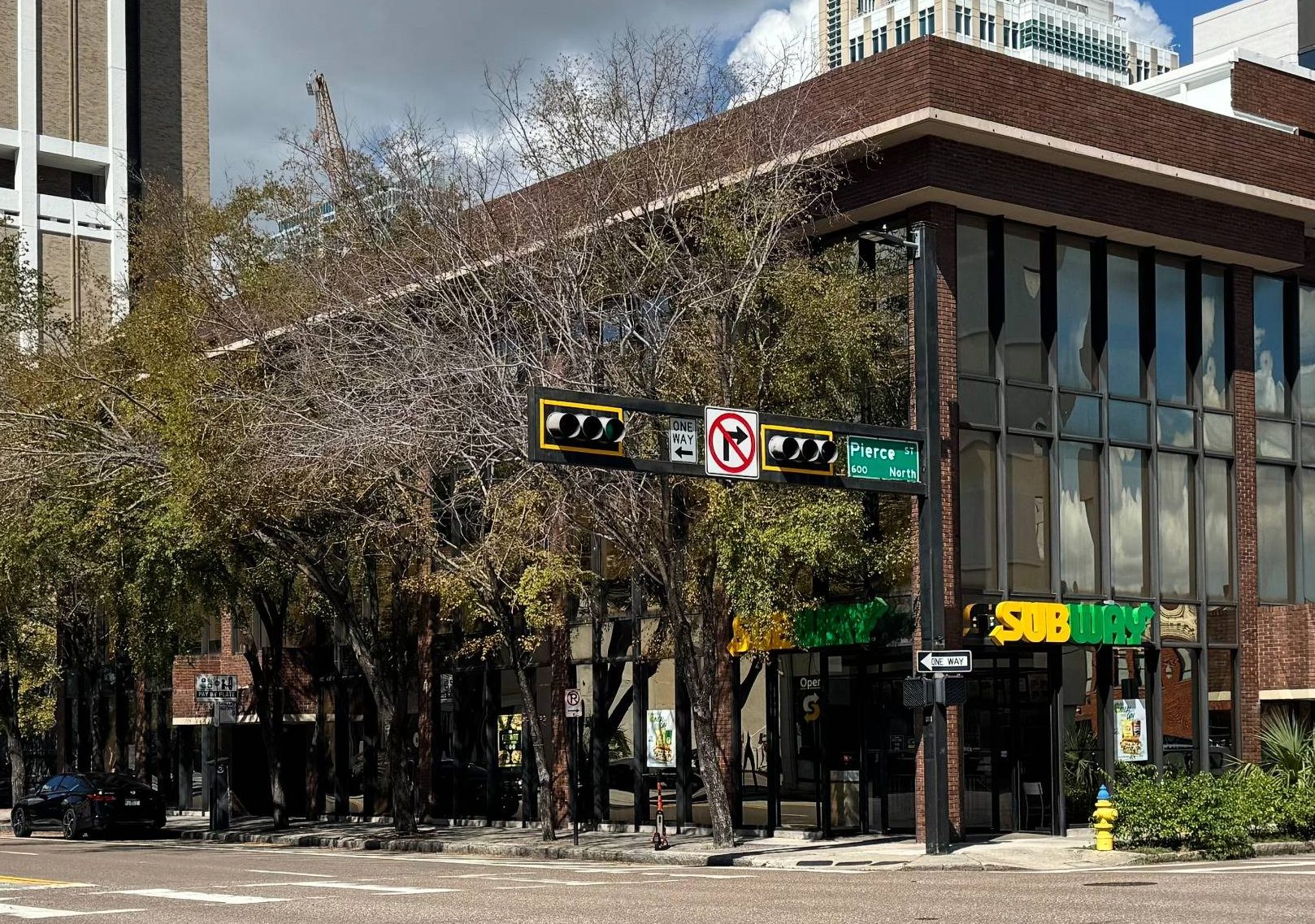
Suite #205
Tampa, FL 33602
Contact Us Now
Free Legal Consultation (813) 727-7159