- Free Consultation 24/7: (813) 727-7159 Tap Here To Call Us




Murder Conviction Reversed: Police Ignored Miranda Rights


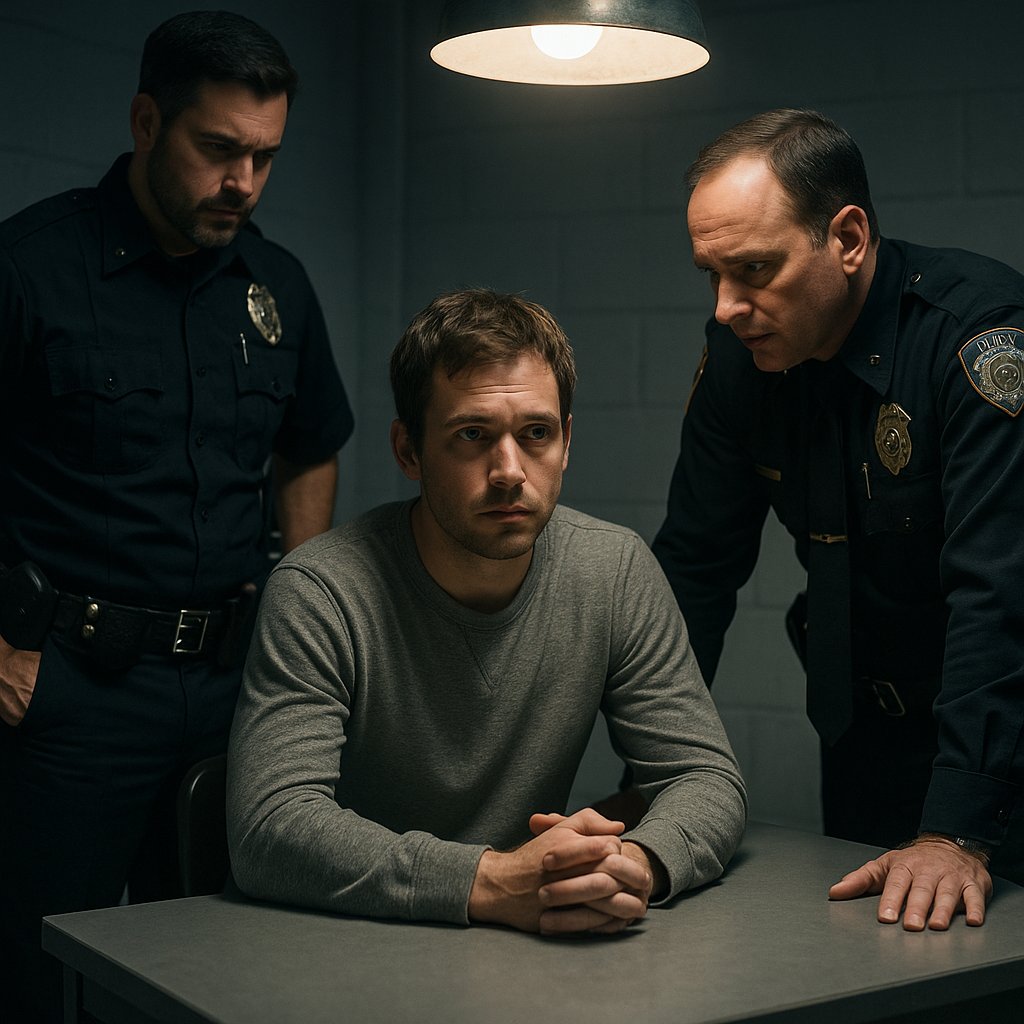
Three Requests for a Lawyer—Police Kept Questioning Anyway
Snowden v. State, No. 1D2023-1998 (Fla. 1st DCA July 2, 2025)
| Case Summary: Snowden v. State Charge: First-degree murder Miranda Violation: Defendant asked for lawyer three times; police continued questioning after each request Holding: All three requests were clear and unequivocal. Officers failed to stop interrogation as required under Miranda v. Arizona. Result: Murder conviction reversed; statements should have been suppressed |
A Florida appeals court recently overturned a murder conviction because police ignored the suspect’s Miranda rights when he made clear requests for a lawyer. The First District Court of Appeal’s decision in Snowden v. State highlights a core constitutional protection—your right to legal counsel. If police violated your Miranda rights, Tampa Attorney Rocky Brancato of the Brancato Law Firm, P.A. can help.
Three Requests for a Lawyer—Police Kept Talking
| Request | What Snowden Said | Police Response |
| #1 | “Is there any way I can talk to my lawyer or anything?” | Didn’t stop, didn’t clarify, resumed interview |
| #2 | “That’s why I need a lawyer or something, dude.” | Kept pressing, offered promises of help |
| #3 | “I need a lawyer.” | Finally paused—but too late |
What Happened in the Interview Room
Daquavion Snowden was charged with first-degree murder following a fatal shooting in Escambia County. Immediately after his arrest, law enforcement officers placed him in an interview room. At the time, he was shirtless, restrained in chains, and clearly under the influence of narcotics. Furthermore, the officers exited the room after telling him they would return shortly.
While waiting for their return, Snowden became physically ill and vomited. Staff moved him so they could clean the facility. It was during this transition that he asked his first clear question regarding legal counsel. However, the police did not stop to clarify his request or provide an attorney. Instead, they chose to resume the interrogation an hour later.
During the subsequent questioning, the officers continued to press him for information. In addition to the relentless questioning, they offered vague promises of leniency. Specifically, they suggested he could “minimize his involvement” if he continued to speak. Consequently, Snowden remained cold and confused without any legal protection.
The Miranda Rule: What Police Must Do
| Once a suspect asks for a lawyer, ALL questioning must stop. Officers cannot ignore the request, continue asking questions, or try to persuade the suspect to talk without legal help. |
What the Court Ruled
The First DCA ruled that Snowden’s statements should have been suppressed. The judges found that all three requests were clear and unequivocal—meaning officers should have immediately stopped questioning.
Even worse, the court found that Snowden’s later decision to continue talking was likely the result of police pressure. Officers made repeated comments about “helping himself,” mentioned “mitigating factors,” and left him isolated for hours. This created a coercive environment.
The court reversed the murder conviction because police violated Miranda.
Frequently Asked Questions
What happens if police keep questioning me after I ask for a lawyer?
Any statements you make after invoking your right to counsel may be suppressed—meaning they cannot be used against you at trial. In Snowden, this suppression led to the entire murder conviction being reversed.
How clearly do I need to ask for a lawyer?
Your request must be clear and unequivocal. Phrases like “I need a lawyer” or “I want to talk to my attorney” are sufficient. The court in Snowden found that even “Is there any way I can talk to my lawyer?” was clear enough to invoke the right.
Can police pressure me to keep talking?
No. Once you ask for a lawyer, police cannot try to persuade you to waive that right. Tactics like promising help, mentioning “mitigating factors,” or suggesting you can “minimize involvement” may constitute coercion—and any resulting statements may be suppressed.
Does this apply to all criminal cases in Florida?
Yes. Miranda rights apply to all criminal interrogations in Florida—from misdemeanors to murder. If police violate these rights, the remedy is suppression of the illegally obtained statements.
Why This Matters for Tampa Bay Defendants
If police ignore your request for a lawyer, your statements may be thrown out. The court’s ruling in Snowden sends a clear message: law enforcement must respect your rights.
At The Brancato Law Firm, we review every interaction between police and my clients. If you were interrogated after asking for a lawyer, we may be able to suppress key evidence in your case. These details often make the difference between conviction and acquittal.
Were Your Miranda Rights Violated?
If you were questioned without a lawyer after clearly asking for one, the evidence may be inadmissible. You have the right to remain silent and the right to legal protection.
I’m Tampa Attorney Rocky Brancato. For over 25 years, I have defended clients throughout Tampa Bay in serious felony cases. I understand how to identify Miranda violations and how to use them to protect my clients’ rights.
Don’t let police pressure cost you your future.
Call (813) 727-7159 for a Confidential Consultation
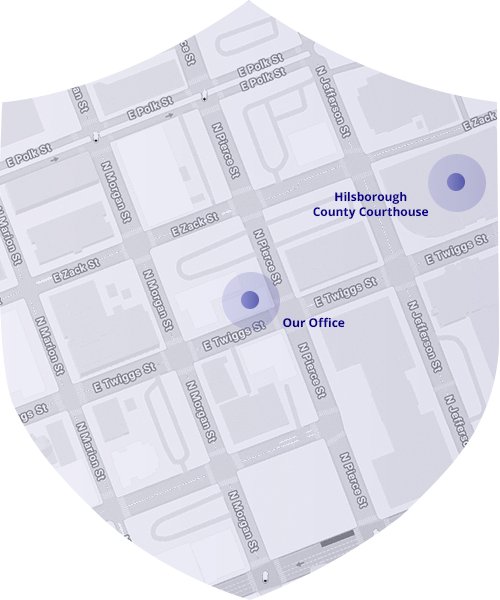
620 E. Twiggs Street, Suite 205, Tampa, FL 33602
Serving Hillsborough, Pinellas, and Polk Counties
Visit Us
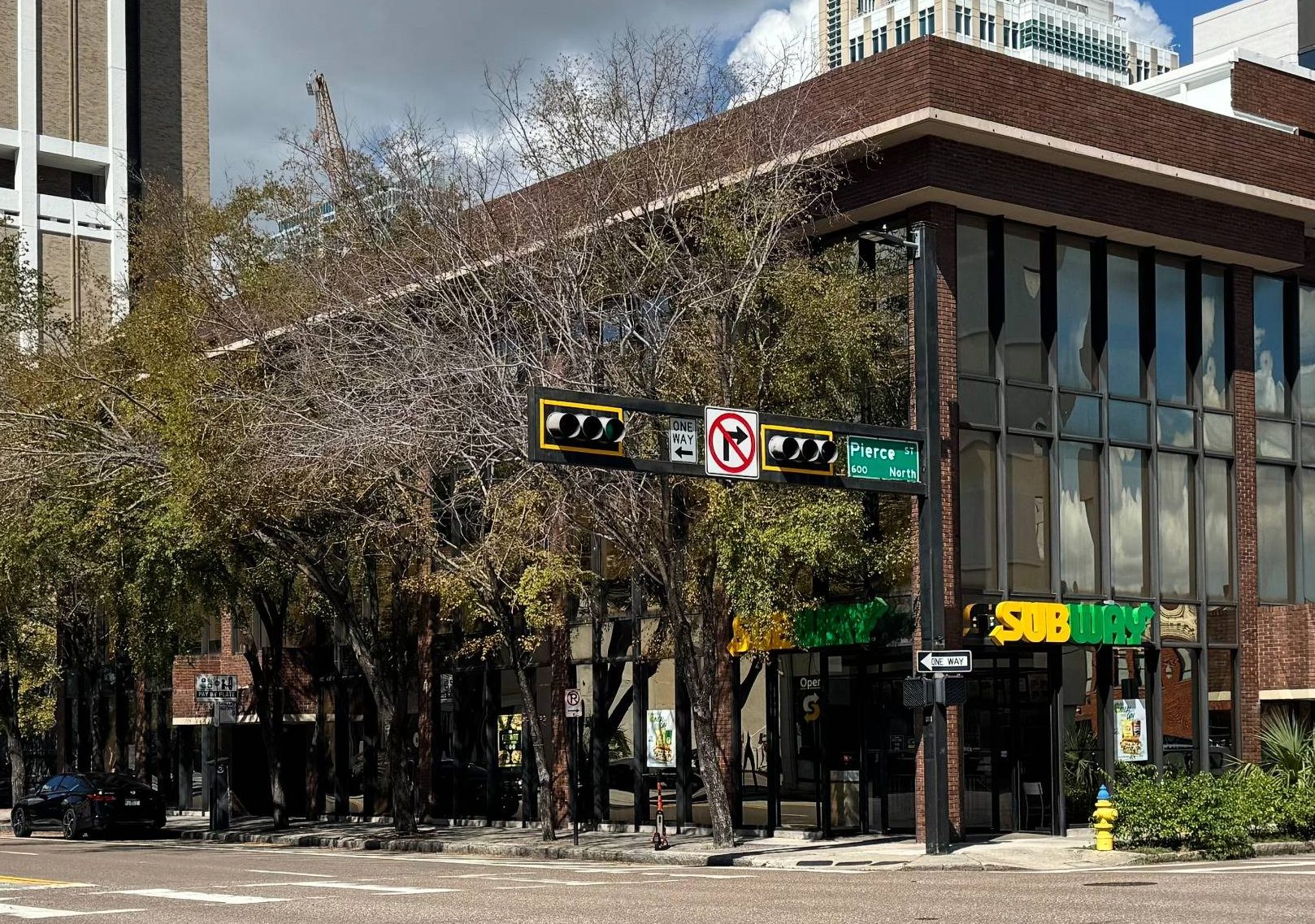
Suite #205
Tampa, FL 33602
Contact Us Now
Free Legal Consultation (813) 727-7159