- Free Consultation 24/7: (813) 727-7159 Tap Here To Call Us




Juvenile Expungement in Florida: Clearing Your Child’s Record



The Brancato Law Firm, P.A. | Updated January 2026
A juvenile arrest in Tampa can follow your child for years—affecting college admissions, military enlistment, and career opportunities. The Brancato Law Firm, P.A. helps families throughout Hillsborough, Pinellas, and Pasco Counties navigate Florida’s juvenile expungement laws. Tampa Criminal Defense Attorney Rocky Brancato has spent over 25 years protecting young people’s futures, and he understands that a single mistake should not define your child’s life. Juvenile expungement in Florida offers a legal path to erase that record entirely.
| Key Takeaway: Diversion program expungement under § 943.0582, Florida Statutes, is the most powerful tool for juvenile records. Unlike automatic expungement at age 21, diversion expungement can be requested immediately after program completion—clearing the record before college applications, military enlistment, or job searches. |
What Is Juvenile Expungement in Florida?
Expungement is the legal process of erasing or destroying a criminal history record. Once expunged, the record no longer appears on standard background checks and is unavailable to the public. Consequently, your child can truthfully answer “no” when asked about prior arrests on most applications.
| Florida Legal Definition: Juvenile Expungement Under Florida law, juvenile expungement physically destroys the criminal history record so it no longer exists in any database accessible to employers, schools, or licensing boards. Law enforcement may retain limited access for official purposes, but for everyday life—college, employment, housing—the record is gone. |
Florida law provides four distinct paths to juvenile expungement. The type available to your child depends on how the case was resolved, whether your child completed a diversion program, and the nature of the original charges. Understanding these options is critical because timing matters—some opportunities can be lost if not pursued promptly.
Four Types of Juvenile Expungement in Florida
| Expungement Type | Statute | When Available | Key Benefit |
| Diversion Program | § 943.0582 | Immediately after program completion | Fastest path; clears record before age 18 |
| Automatic | § 943.0515 | Age 21 (or 26 if residential program) | No application required |
| Court-Ordered | § 943.0585 | After dismissal, acquittal, or withhold | Available when diversion not an option |
| Human Trafficking Victim | § 943.0583 | Any time for qualifying victims | Vacates conviction entirely |
Diversion Program Expungement: The Most Powerful Option
Diversion expungement under § 943.0582, Florida Statutes, is often the most valuable tool for families. If your child successfully completes a diversion or early intervention program, they may qualify for immediate expungement. This is particularly important because it clears the record during the critical years when your child is applying to colleges, seeking scholarships, or considering military service.
Eligibility Requirements for Diversion Expungement
- Available for many misdemeanors and certain felonies
- Not available for forcible felonies (offenses involving force or threat of force)
- Can be applied for immediately after successful program completion
- Requires certification from the State Attorney’s Office
- Child must not have any prior juvenile adjudications for forcible felonies
From the Courtroom: “I’ve seen too many families wait until their child turns 18 to think about expungement—by then, college applications have already been submitted with that arrest on record. When we get involved early and secure diversion, we can have the record expunged before senior year even begins. That’s the difference between explaining an arrest on every application and having nothing to explain.” — Rocky Brancato
Automatic Juvenile Expungement at Age 21
If diversion expungement is not an option, Florida law provides an automatic backup under § 943.0515. However, this path has significant limitations that families need to understand.
How Automatic Expungement Works
- Records are automatically destroyed when the child turns 21
- Extended to age 26 if the child was committed to a residential program
- No application or petition is required
- Does not apply if the child was adjudicated delinquent for a serious or forcible felony
| Critical Warning: Automatic expungement at age 21 leaves the record in place during the most critical years of your child’s life—college applications at 17-18, early employment at 18-20, and military enlistment decisions. Consequently, if diversion expungement is available, pursuing it immediately is almost always the better strategy. |
Court-Ordered Expungement: When Diversion Isn’t Available
Court-ordered expungement under § 943.0585 provides another path when diversion was not offered or completed. This option is available when the case ended in dismissal, acquittal, or a withhold of adjudication. Although more time-intensive, it is sometimes the only viable option for clearing a juvenile record.
Requirements for Court-Ordered Expungement
- Requires filing a formal petition in circuit court
- Applicant must not have any prior adult convictions
- Applicant must not have received a prior expungement or sealing
- Must obtain a Certificate of Eligibility from the Florida Department of Law Enforcement (FDLE)
- Processing time typically ranges from 3-6 months
Human Trafficking Victim Expungement
Florida law recognizes that some juveniles are arrested for conduct directly related to being victims of human trafficking. Under § 943.0583, special relief is available for these young people. This statute reflects an understanding that victims should not carry criminal records for offenses they were forced or coerced into committing.
| Florida Law: Human Trafficking Victim Relief Under § 943.0583, Florida Statutes, a victim of human trafficking may petition to expunge any arrest or charge for offenses committed as a direct result of being trafficked. Furthermore, a conviction expunged under this statute is legally treated as vacated due to a fundamental defect in the proceedings—as if the conviction never occurred. |
Key Features of Trafficking Victim Expungement
- Applies regardless of how the original charges were resolved
- Available for offenses committed as a direct result of being trafficked
- Conviction is vacated, not just sealed or hidden
- Designed to remove barriers for victims rebuilding their lives
Why Juvenile Expungement Matters for Your Child’s Future
Parents often ask: “Does this really matter if the case was dismissed?” The answer is unequivocally yes. Until expunged, the arrest itself can still appear on background checks. Moreover, many institutions ask about arrests—not just convictions. That single question can derail opportunities your child has worked years to achieve.
Opportunities That Background Checks Can Affect
- College Admissions: Many applications ask about arrests, not just convictions
- Scholarships and Financial Aid: Some scholarship programs disqualify applicants with criminal records
- Military Enlistment: All branches conduct thorough background investigations
- Professional Licensing: Nursing, law, teaching, and trades often require clean records
- Law Enforcement Careers: Agencies require spotless backgrounds for employment
- Housing Applications: Landlords frequently run background checks on prospective tenants
Juvenile Expungement in Tampa Bay: Local Considerations
While Florida’s expungement statutes apply statewide, the practical path to expungement often depends on the local prosecutor’s office and the diversion programs available in your county. Families in Hillsborough, Pinellas, and Pasco Counties should act early to preserve diversion options. Specifically, the State Attorney’s Office in each county has discretion over which cases qualify for diversion programs.
Working with an experienced Tampa juvenile defense attorney ensures that eligibility for expungement is not unintentionally lost. Furthermore, early intervention can sometimes result in diversion being offered when it otherwise would not have been. The key is engaging counsel before critical decisions are made in the case.
| Why Experience Matters in Juvenile Cases Tampa Attorney Rocky Brancato brings 25+ years of criminal defense experience, including service as Chief Operations Officer of the Hillsborough County Public Defender’s Office where he led and mentored a staff of over 100 attorneys. He has handled thousands of juvenile cases and understands how to navigate the 13th Judicial Circuit’s juvenile court system to protect your child’s future. |
Frequently Asked Questions: Juvenile Expungement in Florida
Questions About Expungement Eligibility
Juvenile expungement is the legal process of destroying a minor’s criminal history record so it no longer appears on background checks. Consequently, once expunged, your child can legally deny the arrest on most applications for employment, education, and housing.
It depends on the offense. Automatic expungement at age 21 does not apply if your child was adjudicated delinquent for a serious or forcible felony. However, other expungement options may still be available depending on the specific circumstances of the case.
No. Expungement applies only to criminal history records maintained by law enforcement and the courts. School disciplinary records are separate and are not affected by criminal expungement proceedings.
Questions About the Expungement Process
Diversion expungement can be requested immediately after your child successfully completes the diversion program. Court-ordered expungement requires obtaining a Certificate of Eligibility from FDLE, which takes additional time. Automatic expungement occurs at age 21 or 26 with no application required.
Diversion expungement is typically the fastest option, often completed within weeks of program completion. Court-ordered expungement generally takes 3-6 months due to FDLE processing times and court scheduling. Therefore, starting the process early is essential if timing matters for college or employment applications.
Questions About Life After Expungement
Yes. In most cases, expungement removes the barrier that a juvenile arrest might otherwise present to military enlistment. However, military background investigations are thorough, so it’s important to discuss the specifics of your child’s case with both a defense attorney and a military recruiter.
It depends on the type of expungement. Diversion and court-ordered expungement allow law enforcement limited access for official purposes, but the record is removed from public view. Automatic expungement at age 21 destroys the record entirely, including law enforcement access.
Florida law under § 943.0583 allows trafficking victims to petition for expungement of offenses directly tied to their trafficking situation, even if those offenses were serious. Furthermore, convictions expunged under this statute are legally vacated—treated as if they never occurred.
Protect Your Child’s Future Today
Your child’s future is too important to leave to chance. Every day that passes with a juvenile record intact is a day that record can affect college applications, scholarship decisions, and career opportunities. The sooner you act, the more options your family has.
Contact Tampa Defense Attorney Rocky Brancato Today
Call (813) 727-7159 for a Confidential Consultation
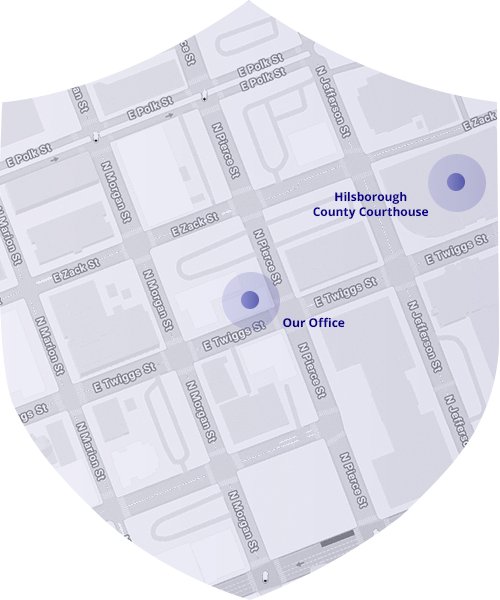
620 E. Twiggs Street, Suite 205, Tampa, FL 33602
Serving Hillsborough, Pinellas, and Pasco Counties
25+ Years of Criminal Defense Experience | Former Chief Operations Officer, Hillsborough County Public Defender’s Office
Related: Learn More About Juvenile Defense
- Florida Juvenile Sex Offender Registration – A Parent’s Guide
- Can My Child Avoid Prison – A Parent’s Guide to Youthful Offender Sentencing
- Ignorance of Victim’s Age No Defense in Florida

Visit Us

Suite #205
Tampa, FL 33602
Contact Us Now
Free Legal Consultation (813) 727-7159