- Free Consultation 24/7: (813) 727-7159 Tap Here To Call Us




Is a Porch a Dwelling? Florida Court Clarifies Burglary Law


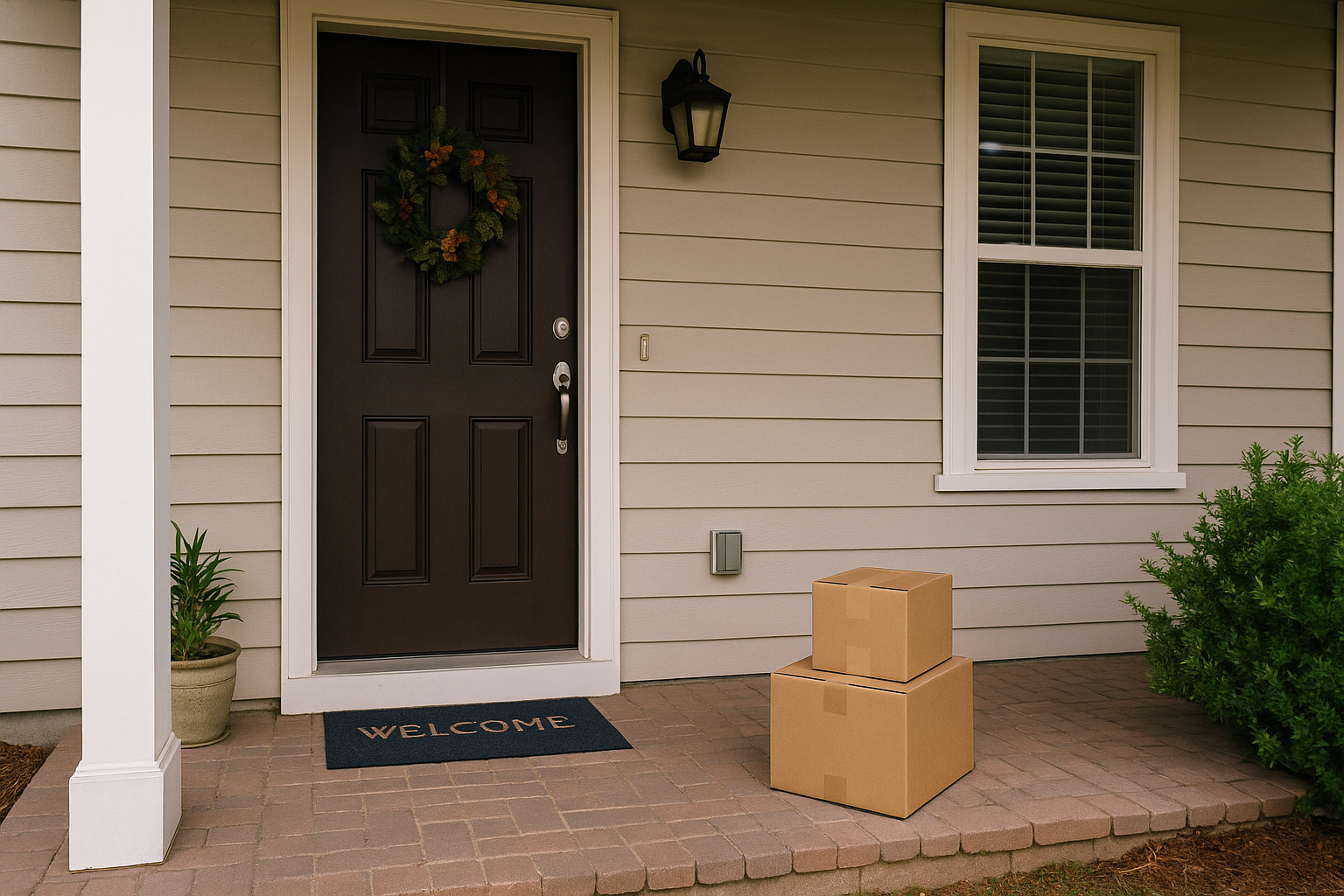
A covered front porch can qualify as part of a dwelling under Florida’s burglary statute—turning what seems like petty theft into a serious felony
Updated January 19, 2026
| ⚠ WHY THIS CASE MATTERS FOR THEFT DEFENDANTS Under this ruling, taking a package from someone’s porch is not just petty theft—it can be charged as burglary of a dwelling or burglary of a structure, both serious felonies. Burglary of an occupied dwelling is a first-degree felony punishable by up to life in prison. Even burglary of an unoccupied structure is a third-degree felony carrying up to 5 years. |
The Legal Question: When Is a Porch Part of a Dwelling?
Is a porch a dwelling under Florida burglary law? That question was at the center of a recent Florida case, Krasner v. State, 4D2024-0355 (Fla. 4th DCA June 11, 2025). The Fourth District Court of Appeal ruled that a covered front porch can qualify as part of a dwelling under Florida’s burglary statute.
This ruling has serious implications for anyone accused of theft from homes in Florida. What might appear to be a simple theft charge can escalate to a felony burglary charge based on where the property was taken—and how the porch is constructed.
| FLORIDA STATUTE § 810.011(2) – DEFINITION OF “DWELLING” A “dwelling” means a building or conveyance of any kind, including any attached porch, whether such building or conveyance is temporary or permanent, mobile or immobile, which has a roof over it and is designed to be occupied by people lodging therein at night. |
What Happened in Krasner v. State
Jennifer Liza Krasner was caught on video taking Amazon packages from the front porch of a home. One victim was inside the residence during the incident and later identified Krasner in a police photo lineup. As a result, prosecutors charged her with burglary of an occupied dwelling—a first-degree felony.
At trial, the jury found her guilty of a lesser included offense: burglary of an unoccupied structure. However, Krasner’s defense team argued that the porch was not part of the dwelling under Florida law and asked the judge to dismiss the case entirely. The trial court refused, and Krasner appealed.
| CASE STUDY: KRASNER V. STATE (FLA. 4TH DCA 2025) Charge: Burglary of an occupied dwelling (package theft from porch) Verdict: Guilty of lesser offense—burglary of an unoccupied structure Defense Argument: Porch was not part of the “dwelling” under Florida law Result: Conviction affirmed. Court held that covered porch was part of dwelling because it shared the same roof, was connected to front door, and contained personal items (welcome mat). |
What the Court Decided
The Fourth District Court of Appeal affirmed Krasner’s conviction, ruling that the porch in this case was part of the dwelling. The court identified several key factors that supported this conclusion:
- The porch was covered by the same roof as the house
- The porch was directly connected to the front door
- Personal items (such as a welcome mat) were present on the porch
- The porch was clearly “attached” within the meaning of § 810.011(2)
These features made it clear that the porch was part of the living space—not merely an open yard or unconnected area.
When Is a Porch Part of a Dwelling? Key Factors
| Likely Part of Dwelling | Likely NOT Part of Dwelling |
| Covered by same roof as house | Open yard or lawn area |
| Connected to front/back door | Detached concrete pad or slab |
| Contains personal items (welcome mat, furniture) | Open driveway or parking area |
| Enclosed or covered entryway | Unconnected outbuilding or shed |
| Structurally integrated with home | Separate structure with no connection |
Why the Defense Argument Failed
Krasner’s lawyers cited two earlier cases where courts found that open yards or concrete pads near homes were not part of a dwelling. However, the appellate court distinguished those cases from the facts in Krasner.
In those prior cases, the areas in question remained uncovered, stood separate from the main structure, and lacked the characteristics of a living space. In contrast, the porch in Krasner clearly attached to the home, shared the same roof, and functioned as an extension of the living space.
The court’s ruling closely mirrored its earlier decision in Morlas v. State, where the court also classified a covered entryway as part of a dwelling. Together, these cases establish that the physical characteristics of the porch—not just its location—determine whether it qualifies as part of the dwelling.
Florida Burglary Penalties: Why the Charge Level Matters
| Charge | Felony Degree | Maximum Penalty |
| Burglary of Occupied Dwelling | 1st Degree | Up to LIFE in prison |
| Burglary of Unoccupied Dwelling | 2nd Degree | Up to 15 years prison |
| Burglary of Occupied Structure | 2nd Degree | Up to 15 years prison |
| Burglary of Unoccupied Structure | 3rd Degree | Up to 5 years prison |
| Petit Theft (comparison) | Misdemeanor | Up to 60 days (2nd degree) |
| KEY DEFENSE CONSIDERATION The classification of the structure determines the severity of the charge and potential penalties. An experienced defense attorney can challenge whether a porch qualifies as part of a dwelling based on its physical characteristics—potentially reducing a life felony to a third-degree felony or even arguing for dismissal if the state cannot prove the statutory elements. |
Other Legal Issues in Krasner
Krasner also argued on appeal that she should have had a twelve-person jury. The court rejected this claim, noting that Florida law only requires twelve-person juries in capital (death penalty) cases. For all other criminal trials, six-person juries are constitutional.
Additionally, the court identified two clerical errors in the trial court’s judgment. The corrected language reflected that the conviction was for burglary of a structure—not a dwelling—and that Krasner went to trial rather than entering a plea.
Frequently Asked Questions: Florida Porch Burglary
Yes, under Florida Statute § 810.011(2), a “dwelling” explicitly includes “any attached porch.” However, the porch must be physically attached to the home—covered by the same roof, connected to a door, or otherwise structurally integrated. Open yards and detached concrete pads do not qualify.
Yes. As the Krasner case demonstrates, prosecutors can charge package theft from a porch as burglary of a dwelling or burglary of a structure—both felonies. The specific charge depends on the porch’s design and whether a resident was home. This creates a far more serious legal situation than a simple theft charge.
Burglary of an occupied dwelling is a first-degree felony punishable by up to life in prison under Florida Statute § 810.02(2)(a). This is one of the most serious property crimes in Florida and carries severe mandatory minimum sentences.
Florida courts look at physical characteristics: whether the porch shares the same roof as the house, is connected to a door, contains personal items indicating residential use, and is structurally integrated with the main building. Covered, connected porches typically qualify; open patios or detached areas typically do not.
A “dwelling” is designed for people to sleep in (homes, apartments). A “structure” is any building but does not necessarily have sleeping accommodations (stores, warehouses). Burglary of a dwelling carries higher penalties because it involves invasion of someone’s home.
Questions About How an Experienced Attorney Can Help
Potentially, yes. An experienced criminal defense attorney can challenge whether the location qualifies as a dwelling or structure, whether the defendant had intent to commit a crime at the time of entry, and other elements of the offense. Successfully challenging these elements may result in reduced charges or dismissal.
An experienced burglary defense attorney can analyze whether the location qualifies as a dwelling, challenge the evidence of intent, negotiate for reduced charges, and present defenses at trial. Given the dramatic difference in penalties—from misdemeanor theft to life in prison—skilled legal representation is essential.
Get Experienced Legal Help Today
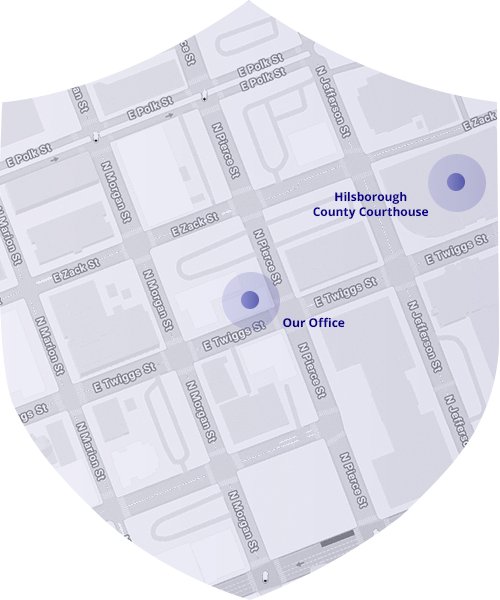
| Facing Burglary Charges? The Stakes Are Higher Than You Think. Call (813) 727-7159 for a Confidential Consultation The Brancato Law Firm, P.A. 620 E. Twiggs Street, Suite 205, Tampa, FL 33602 Serving Hillsborough, Pinellas, and Pasco Counties |
| ABOUT ATTORNEY ROCKY BRANCATO With over 25 years of criminal defense experience in Tampa, attorney Rocky Brancato has defended thousands of clients facing serious felony charges including burglary, theft, and property crimes. As former Chief Operations Officer of the Hillsborough County Public Defender’s Office, he understands how prosecutors build burglary cases—and how to challenge them effectively. |
Related:
- Case Results – Brancato Law Firm, P.A.
- Tampa Criminal Defense Attorney – Full-service criminal defense
- What to Do After Being Arrested in Tampa, Florida
- Identity Theft Defense Tampa

Visit Us
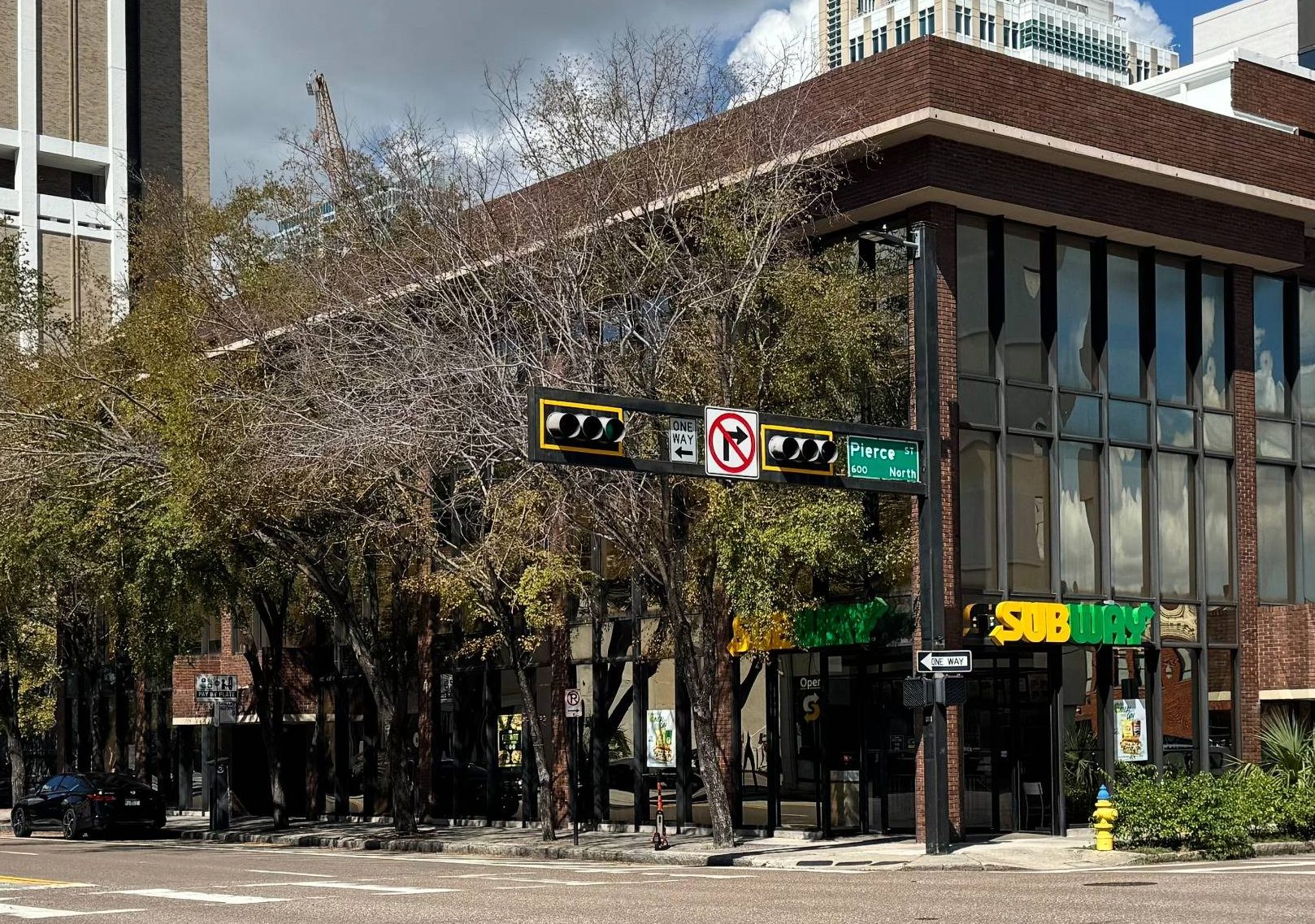
Suite #205
Tampa, FL 33602
Contact Us Now
Free Legal Consultation (813) 727-7159