- Free Consultation 24/7: (813) 727-7159 Tap Here To Call Us


From First DUI to Death Penalty



How to Defend Against a Fentanyl Trafficking Charge in Florida (2026)


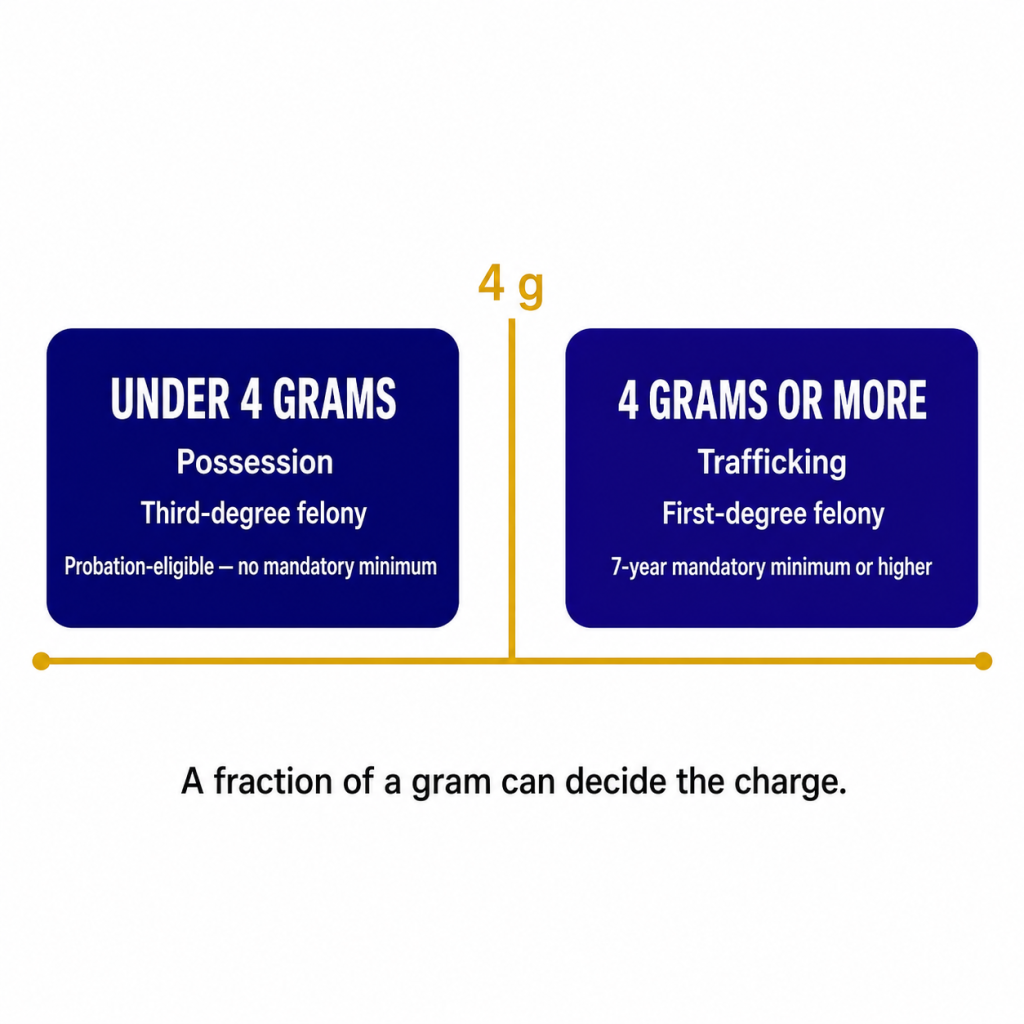
A fentanyl trafficking charge in Florida is serious, but it is defensible. The strongest defenses attack three things: whether the search that found the drugs was legal, whether the State can prove the drugs were knowingly yours, and whether the verified weight actually crosses a trafficking threshold. Pushing the confirmed weight below 4 grams can collapse a trafficking charge that carries a 7-year mandatory minimum into simple possession, which is probation-eligible. That is why the decisions you make in the first 48 hours, before evidence degrades and before the first court date, matter more than almost anything that happens later.
At The Brancato Law Firm in Tampa, drug trafficking is one of the case types we regularly defend across Hillsborough, Pinellas, and Pasco Counties, drawing on more than 25 years of criminal defense experience. These cases turn on details most people never think to question: how a scale was calibrated, whether an officer had a lawful reason to prolong a traffic stop, whether moisture or packaging inflated a weight reading near a tier line. This guide explains what you are facing, where the leverage in these cases actually sits, and why the charge is not the foregone conclusion it can feel like the day after an arrest.
Why fentanyl trafficking is not the same as drug possession
Most people assume “trafficking” means selling drugs. In Florida, it does not. Fentanyl trafficking is a weight-based charge. Under Florida Statute § 893.135(1)(c)4, you can be charged with “trafficking in dangerous fentanyl or fentanyl analogues” simply for being in actual or constructive possession of 4 grams or more. The State never has to prove you intended to sell anything. Possession of the threshold weight alone is enough.
This catches a lot of people off guard. Someone holding what they believed was a small personal amount, or a handful of counterfeit pills, can face the same charge as a dealer.
The reason the math works against defendants is the mixture rule. Florida weighs the entire mixture, not the pure fentanyl inside it. Counterfeit “oxycodone” or “Xanax” pills, cutting agents, and fillers all count toward the 4-gram line. Because fentanyl is so potent, the National Institute on Drug Abuse describes it as 50 to 100 times stronger than morphine, the actual fentanyl in a seizure may be a tiny fraction of the total weight. A few counterfeit pills can weigh more than 4 grams even when the drug content is minimal. For a broader picture of how Florida’s trafficking thresholds work across substances, see our overview of drug trafficking in Florida.
Florida’s real fentanyl trafficking mandatory minimums
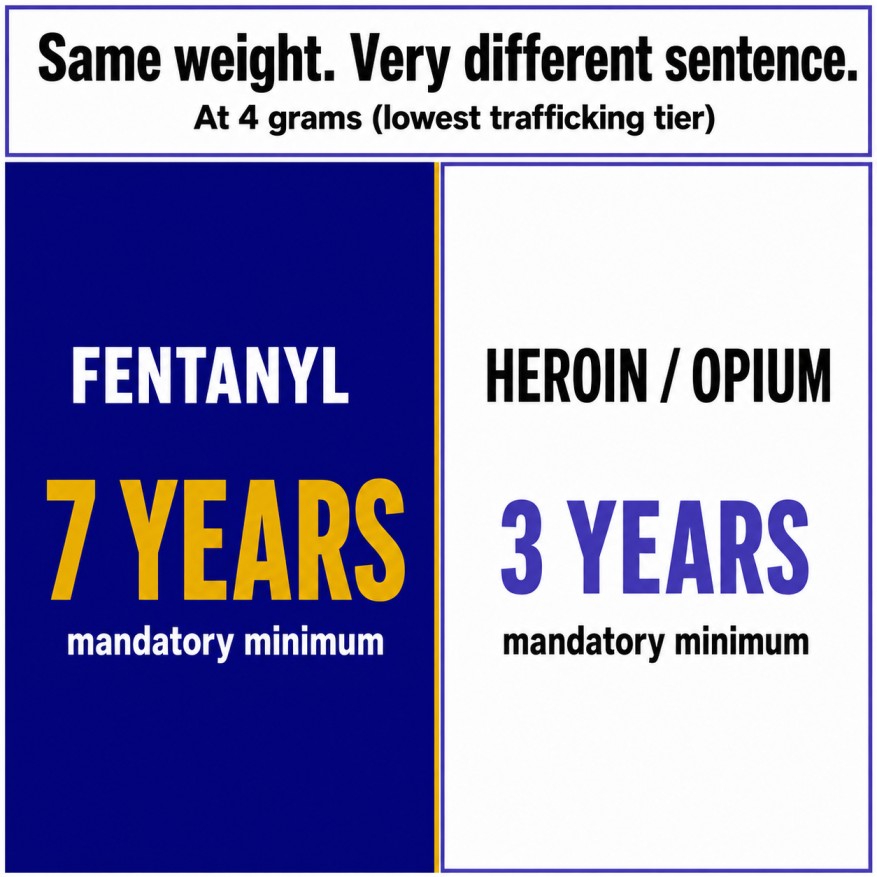
Here is where bad information online does real damage. Many websites, including some law firm blogs, list the fentanyl mandatory minimums as 3, 15, and 25 years. Those numbers are wrong for fentanyl. They belong to the separate “trafficking in illegal drugs” tier that covers heroin, morphine, and opium. Florida punishes fentanyl more harshly than heroin, and the fentanyl-specific numbers are higher.
These are the actual mandatory minimum sentences for fentanyl trafficking under the current statute:
| Quantity (fentanyl, analogue, or mixture) | Mandatory minimum prison | Mandatory fine | Statutory maximum |
| 4 grams to less than 14 grams | 7 years | $50,000 | 30 years (first-degree felony) |
| 14 grams to less than 28 grams | 20 years | $100,000 | 30 years |
| 28 grams or more | 25 years | $500,000 | 30 years |
To see how far apart the two tiers really are, compare fentanyl to the heroin and opium tier at the same weights:
| Quantity | Fentanyl mandatory minimum | Heroin/opium mandatory minimum |
| 4 to less than 14 grams | 7 years | 3 years |
| 14 to less than 28 grams | 20 years | 15 years |
| 28 grams or more | 25 years | 25 years |
At the lowest tier, the same weight of fentanyl carries more than double the mandatory prison time of heroin. If you have been working off the 3-year figure, you have been planning around a sentence that does not apply to your charge. Get the right number before you make any decision about how to proceed.
A judge cannot reduce a mandatory minimum
This is the part that makes these cases different from most drug charges. Once a fentanyl trafficking conviction attaches, the mandatory minimum is exactly that: mandatory. A judge cannot go below it, no matter how sympathetic your circumstances are, how clean your record is, or how clearly the punishment outweighs the conduct. There is no parole and no discretionary early release below the floor.
There is one statutory path beneath the mandatory minimum, and you do not control it. Only the prosecutor can file a “substantial assistance” motion, which asks the court to reduce or suspend the sentence in exchange for cooperation against other people in the drug supply chain. We will come back to why cooperation should rarely be the first move.
The practical takeaway: because no judge can save you after a conviction, the entire defense has to focus on preventing the conviction that triggers the mandatory term in the first place. That work happens early.
The defenses that actually move fentanyl cases
Not all defenses carry equal weight. Online listicles tend to dump every conceivable defense into a bullet list without explaining which ones actually decide cases. In our experience, the leverage in fentanyl trafficking cases sits in three places, roughly in this order.
Challenge the stop and the search
Most fentanyl cases begin with a traffic stop, a vehicle search, a home raid, or a phone search. If the drugs are the case, and they usually are, then getting the drugs thrown out usually ends the prosecution. A motion to suppress argues that officers violated the Fourth Amendment, for example by stopping a car without a lawful reason, searching without probable cause or a valid warrant, or holding a driver longer than the stop justified while waiting for a drug dog.
When a suppression motion succeeds, the drugs are excluded, and so is anything police found because of the illegal search. This is the single highest-leverage move in most trafficking cases, which is why securing the evidence to support it, body-camera footage, dispatch logs, and the timeline of the stop, has to happen before that material disappears.
Challenge whether the drugs were knowingly yours
This is often the strongest defense of all, and it speaks directly to the person thinking “they weren’t even mine.” When drugs are found in a place more than one person uses, a shared car, a house with several residents, a hotel room, the State cannot convict you just because you were nearby. The law calls this constructive possession, and proximity alone does not satisfy it.
To prove constructive possession, the State has to show two things: that you knew the drugs were there, and that you had the ability to control them. In a jointly occupied space, prosecutors need independent evidence tying you specifically to the drugs, such as your fingerprints or DNA on the packaging, incriminating statements, or messages on your phone. Without that, the case is vulnerable. Florida’s standard jury instructions are explicit that when possession is not exclusive, a jury may not simply assume you knew the drugs were present.
Challenge the lab analysis, weight, and chain of custody
Because the charge is built on weight, and because a fraction of a gram can move you across a tier line, the forensic evidence deserves scrutiny that public defender caseloads often do not allow. A focused defense asks whether the substance was actually fentanyl, whether the scale was properly calibrated, whether packaging or moisture inflated the weight, and whether the chain of custody from the scene to the lab to the courtroom is intact and documented.
This is where weight challenges become decisive. If independent re-testing brings the verified weight below 4 grams, the entire charge changes character:
| Verified weight | Charge | Sentencing exposure |
| 4 grams or more | Fentanyl trafficking (first-degree felony) | 7-year mandatory minimum or higher |
| Less than 4 grams | Possession (third-degree felony) | Probation-eligible, no mandatory minimum |
Moving from one row to the other can be the difference between years in prison and probation. Near a tier line, challenging the science can decide the entire case. This kind of work, including independent re-testing and cross-examining the State’s analysts, is the core of forensic-driven criminal defense.
Why substantial assistance is a risky last resort
Because substantial assistance is the only door beneath the mandatory minimum, it can look tempting early. It usually should not be the first move. Cooperation is formalized in a written contract that requires the defendant to help identify, arrest, or convict other people, and only the prosecutor can ask the court to honor it. The risk is real: if the agreed cooperation falls through for any reason, the full mandatory minimum still applies.
The better goal is to defeat the conviction that triggers the mandatory term, through suppression, possession challenges, and forensic challenges, and to treat cooperation as a carefully negotiated last resort rather than a reflex. Talking your way into a cooperation deal before anyone has tested the search and the science can trade away leverage you did not know you had.
The charges that can make a fentanyl case much worse
Some fentanyl cases do not stay drug cases. A few specific escalations change the strategy entirely, and you need to know whether any of them is on the table.
- Drug-induced murder. Under Florida Statute § 782.04, distributing fentanyl that is found to be the cause of someone’s death can be charged as first-degree murder, which is a capital offense. When a death is alleged, causation becomes the central battleground, and the case requires counsel qualified to handle the most serious charges Florida brings. These cases overlap with homicide defense, not ordinary drug defense.
- Candy-like fentanyl sold to a minor. A 2023 law created a 25-years-to-life mandatory term and a $1,000,000 fine for an adult who sells or delivers 4 grams or more of fentanyl to a minor when the product resembles candy, a gummy, cereal, a vitamin, or carries cartoon or brand imagery.
- Federal adoption. Large quantities or conduct crossing state lines can be picked up by federal prosecutors, where the penalty structure and procedures differ and there is no parole.
If any of these factors is present in your case, the early decisions matter even more, because the exposure is no longer measured in years. It can be measured in decades or life.
Why your choice of attorney matters more in trafficking cases
Fentanyl trafficking cases are among the hardest drug cases to defend, precisely because the mandatory minimums hand prosecutors leverage to push for guilty pleas. The difference between a probation-eligible possession charge and a 7-year mandatory floor can come down to a fraction of a gram, the calibration of a scale, or whether a single search was lawful. Cases that turn on details that fine reward attorneys who have the time and resources to chase them.
Public defenders in Florida are often capable trial lawyers, but they carry very heavy caseloads. In a forensic-heavy trafficking case, the work that wins, securing body-cam footage and dispatch records before they are overwritten, retaining an independent lab to re-test identity and weight, building a suppression motion on a tight factual timeline, takes dedicated hours that a crushing caseload does not always allow. Evidence degrades. Footage gets purged on retention schedules. The window to lock down the facts is narrow.
This is the work our firm is built around. The Brancato Law Firm approaches every serious case as if it is going to trial, which is the posture that makes prosecutors take a defense seriously in the first place. Our founder, Rocky Brancato, served as Chief Operations Officer of the Hillsborough County Public Defender’s Office, where he oversaw a staff of over 100 attorneys and worked in a specialized major crimes unit. He understands how these cases are charged, prosecuted, and resolved because he operated at the leadership level of the system itself. He is also death-qualified, certified under Rules of the Florida Supreme Court to serve as lead counsel in capital cases, a credential that matters when a fentanyl case escalates toward a death allegation. Every defense at the firm is built under his oversight and to his standards, regardless of which of our attorneys handles the day-to-day work.
We have seen the highest-leverage moves pay off in real drug cases. In one matter, a fentanyl trafficking charge was dismissed within three weeks after we challenged the legality of the vehicle search and the client’s pretrial detention. In a cocaine trafficking case involving 200 to 400 grams, we secured a not-guilty verdict by demonstrating that a co-defendant was the actual trafficker. In another, a trafficking charge was reduced to a diversion program after a motion to suppress exposed weaknesses in the State’s case. Each case is unique. Past results do not guarantee future outcomes.
What to do in the first 48 hours
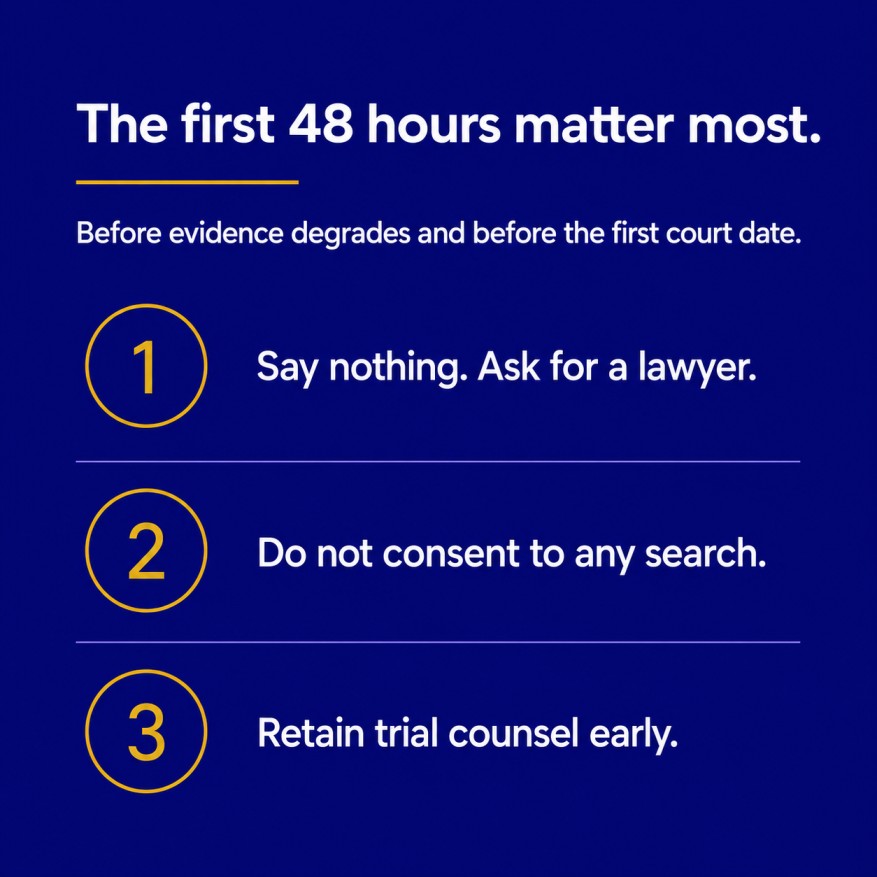
The decisions that shape a fentanyl case are made early, often before the first court date. If you or a family member has been arrested or learns of an investigation, focus on three things.
- Say nothing and ask for a lawyer. Statements made during or after an arrest are among the most damaging evidence in trafficking cases, and you cannot take them back. Politely state that you want an attorney, then stay silent.
- Do not consent to searches. You are not required to consent to a search of your car, phone, or home. Consent can hand the State the evidence a suppression motion would otherwise challenge.
- Retain experienced trial counsel before the first court date. Early involvement preserves body-cam footage, dispatch logs, and chain-of-custody records while they still exist, and in some situations it can keep charges from being filed at all.
These are not minor procedural steps. In a case where weight, the legality of a search, and the question of knowing possession decide everything, the evidence to fight on all three fronts is most available in the first days.
Frequently asked questions
Is fentanyl trafficking a felony in Florida?
Yes. Fentanyl trafficking is a first-degree felony under Florida Statute § 893.135(1)(c)4, punishable by up to 30 years in prison along with a mandatory minimum sentence and a mandatory fine that scale with weight.
Can you get probation for fentanyl trafficking in Florida?
Not on the trafficking charge itself, because it carries a mandatory minimum a judge cannot waive. Probation becomes possible only if the charge is reduced, for example if the verified weight is challenged below 4 grams and the case becomes simple possession, or if the prosecutor files a substantial assistance motion.
What is the minimum sentence for fentanyl trafficking in Florida?
The mandatory minimum is 7 years for 4 to less than 14 grams, 20 years for 14 to less than 28 grams, and 25 years for 28 grams or more. Those are the lowest sentences the law allows, and the statutory maximum is 30 years.
Does the State have to prove I intended to sell the fentanyl?
No. Intent to sell is not an element of fentanyl trafficking in Florida. Knowing possession of 4 grams or more is enough to support the charge, which is why personal-use quantities of counterfeit pills can trigger it.
Can the charge be dropped if the drugs were not mine?
It can be challenged. When drugs are found in a shared car, home, or hotel room, the State must prove you knew the drugs were there and had the ability to control them. Proximity alone is not enough, and constructive possession is one of the most effective defenses in these cases.
Talk to a Tampa drug trafficking defense attorney
A fentanyl trafficking charge moves fast, and the evidence that can defend it does not wait. The Brancato Law Firm defends drug trafficking cases across Hillsborough, Pinellas, and Pasco Counties, with senior trial counsel setting the standard on every case. If you or someone you love is facing a fentanyl charge, call us at (813) 727-7159 for a free, confidential consultation, or reach us through our contact page. The sooner we can start preserving evidence and examining the search, the weight, and the question of possession, the more options you have.
Visit Us
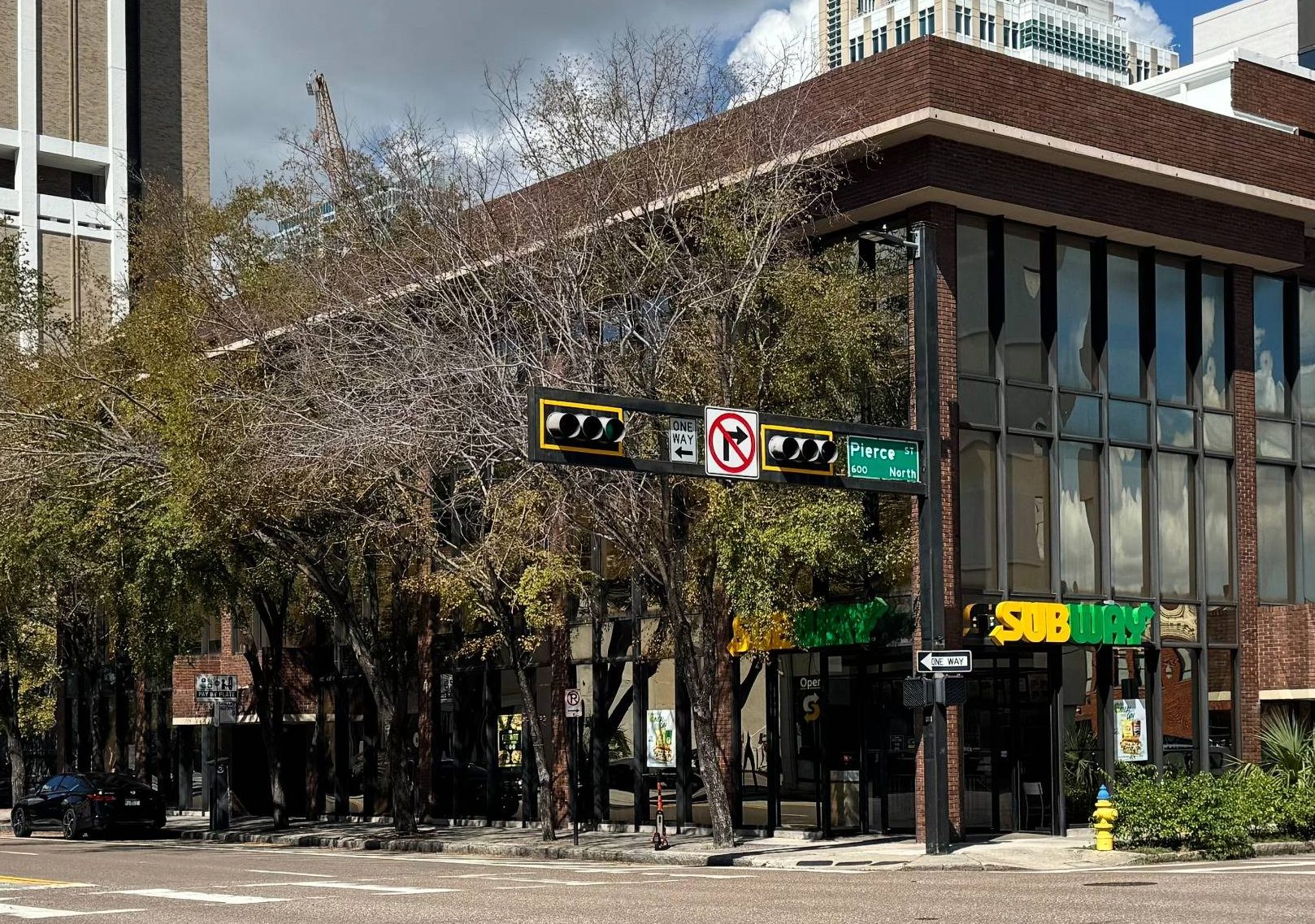
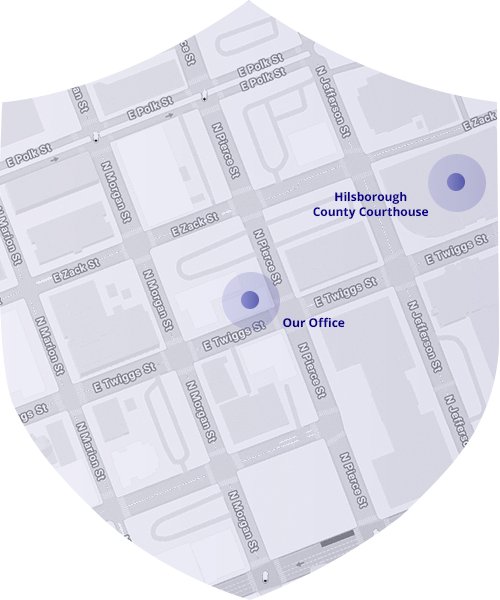
Tampa, FL 33602
Contact Us Now
Free Legal Consultation (813) 727-7159