- Free Consultation 24/7: (813) 727-7159 Tap Here To Call Us


From First DUI to Death Penalty



How to Choose a Homicide Attorney in Florida (2026)



Choosing a homicide attorney in Florida means verifying real trial experience, a courtroom record of cases tried to verdict, and qualifications under Florida’s capital-case rules. Anyone can advertise as a “homicide attorney.” Few are actually prepared to defend one.
The recent reversal of a Florida murder conviction in De Santus v. State, No. 4D2023-2235 (Fla. 4th DCA Oct. 15, 2025), shows what’s at stake when a defense attorney isn’t truly prepared.
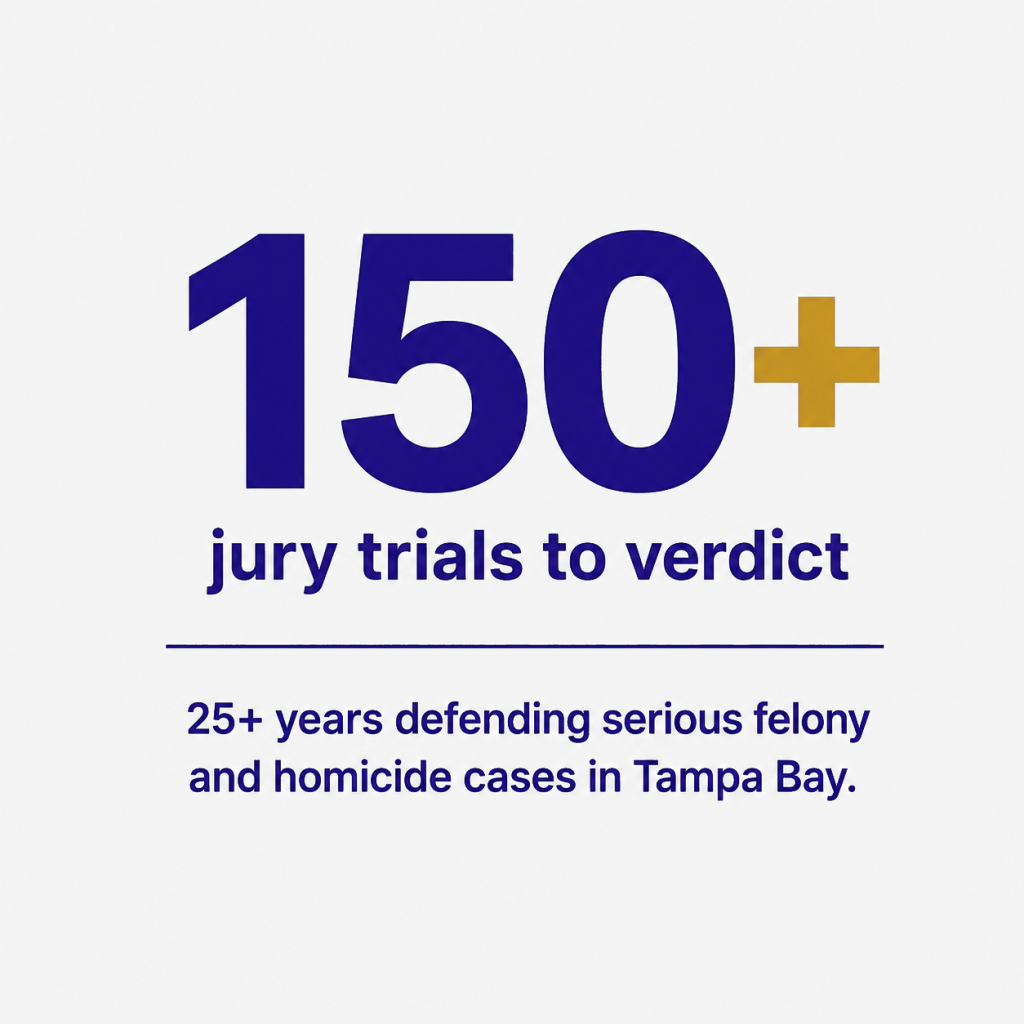
I’m Rocky Brancato. At The Brancato Law Firm, I have spent more than 25 years defending serious felony and homicide cases throughout Tampa Bay, including over 150 jury trials. The De Santus ruling is exactly the kind of failure my practice is built to prevent. This guide explains what went wrong in De Santus, what Florida law actually requires of capital-eligible defense counsel, and the questions to ask any attorney before you hire.
| Case Summary: What Happened: Florida’s Fourth District Court of Appeal reversed a first-degree murder conviction because the defense attorney’s combined errors (ignoring key impeachment evidence and failing to advise the client on whether to testify) violated the right to a fair trial. Key Failures: (1) Never used a witness’s prior recantation to impeach her at trial; (2) Never told the jury the witness allegedly tried to extort the defendant’s family; (3) Failed to prepare the client for the decision about testifying. Result: The Fourth DCA reversed the trial court’s denial of postconviction relief and remanded for further proceedings. The case is a lesson in why vetting your homicide attorney matters. |
What the Defense Attorney Failed to Do in De Santus
| Attorney Failure | Impact on Trial |
| Never used the witness’s prior recantation | The jury never knew the witness had said another man had the gun |
| Never disclosed the alleged extortion attempt | The jury never learned the witness allegedly tried to extort money from the defendant’s family in exchange for “helpful” testimony |
| Failed to prepare the client on testifying | When the judge asked, the attorney admitted he hadn’t discussed the decision with the client |
| Focused on an irrelevant motion | The attorney spent energy trying to remove the judge. |
A Case Built Entirely on Witness Testimony
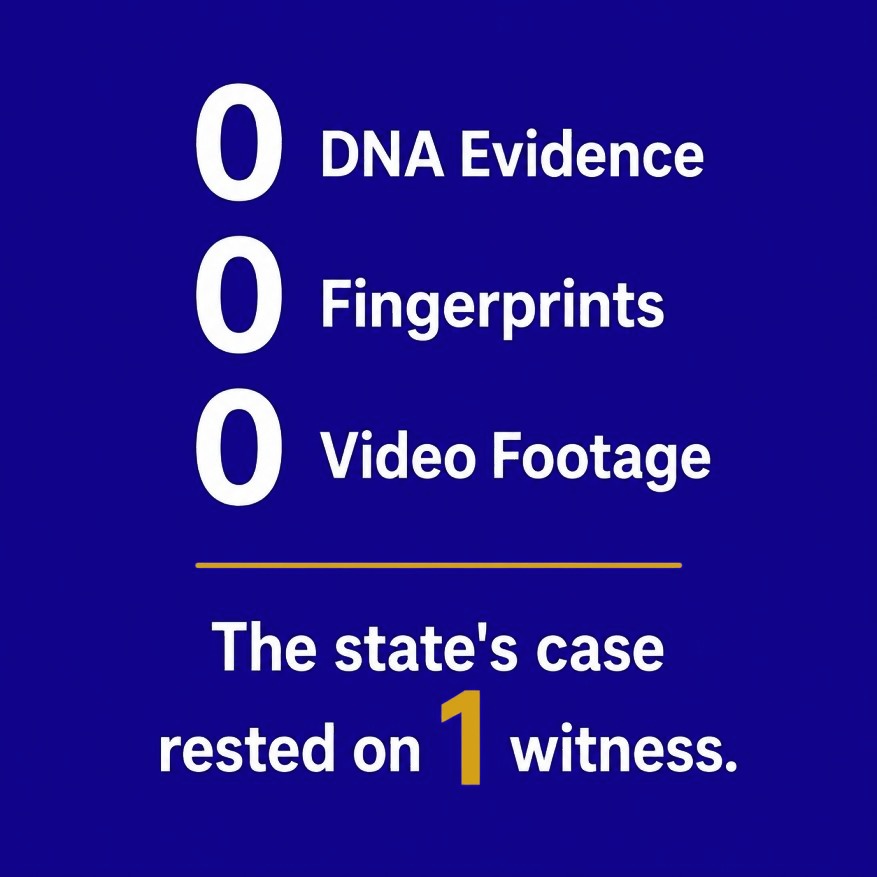
The Broward County shooting had no DNA, no fingerprints, and no video evidence. The State relied entirely on one witness. Before trial, that witness admitted to lying. She told a defense investigator that another man had the gun.
The defense attorney never used that prior statement to challenge her credibility. The jury never learned she had recanted. They also never heard that she allegedly tried to extort money from the defendant’s family. Either detail could have changed the outcome.
Later, a new witness came forward and testified that the shooter was a light-skinned man in a red jacket. The shooter was not De Santus. The Fourth DCA concluded the trial had been irreparably tainted by the attorney’s failures.
The court did not declare the defendant innocent. It reversed the denial of postconviction relief under Florida Rule of Criminal Procedure 3.850 and remanded the case for further proceedings.
How Florida Evaluates Ineffective Assistance of Counsel
Florida courts apply the federal standard from Strickland v. Washington, 466 U.S. 668 (1984), to claims of ineffective assistance. A defendant must show two things:
- Deficient performance. The attorney’s representation fell below an objective standard of reasonableness.
- Prejudice. There is a reasonable probability that the outcome would have been different without the errors.
The Florida Supreme Court applied this same framework to a capital first-degree murder case in Hilton v. State, 326 So. 3d 640 (Fla. 2021). The Second District Court of Appeal, which covers Tampa Bay, applied it to a homicide case turning on witness credibility in Jenkins v. State, No. 2D2022-3623 (Fla. 2d DCA 2024), reversing summary denial of an ineffective-assistance claim about misadvice on the right to testify.
De Santus fits this same pattern. The case turned on one witness’s credibility, the attorney’s errors went to the heart of that credibility, and the appellate court found a reasonable probability of a different result.
Anyone Can Call Themselves a “Homicide Attorney”
| In Florida, no certification is required to advertise as a “homicide attorney.” Any lawyer can use the label. An attorney is not a real homicide attorney if they have never tried a homicide case to verdict. |
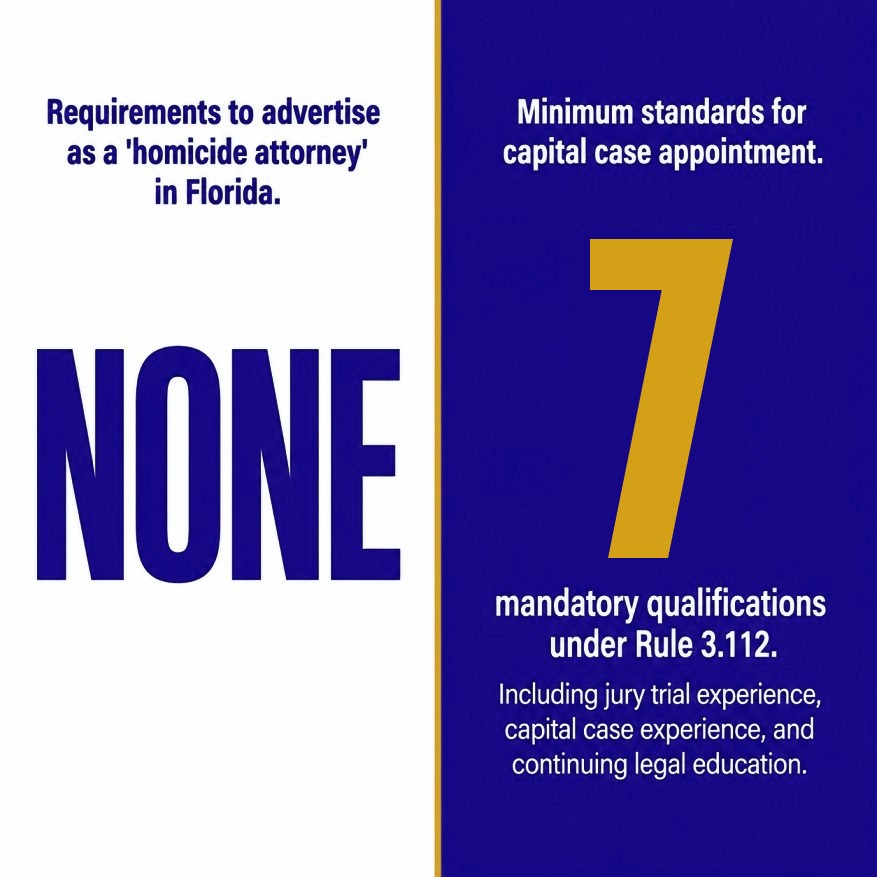
For death-eligible cases, Florida sets a qualification floor. Florida Rule of Criminal Procedure 3.112 (“Minimum Standards for Attorneys in Capital Cases”) requires lead trial counsel to have:
- At least 5 years of criminal litigation experience
- Lead counsel in at least 9 jury trials of serious and complex cases tried to completion
- Lead or co-counsel in at least 2 cases tried to completion in which the death penalty was sought
- Lead counsel in at least 3 murder trials (or 1 murder trial plus 5 other felony jury trials)
- At least 12 hours of capital-defense continuing legal education within the last 2 years
The Florida Supreme Court amended Rule 3.112 in November 2025 to broaden the definition of “capital trial” beyond first-degree murder to any death-eligible offense. Meeting Rule 3.112 is the floor, not a guarantee. De Santus shows what can happen when nominally qualified counsel still fail at the basics.
5 Questions to Ask Before Hiring a Florida Homicide Attorney
Before you trust your future to anyone claiming to be a homicide attorney, ask these questions directly:
- How many homicide trials have you personally handled from start to verdict?
- Have you ever obtained a not-guilty verdict in a homicide case?
- Who will actually stand beside me in court, you or an associate?
- What is your record when the State’s evidence seems overwhelming?
- Are you certified under Florida Supreme Court standards to handle death-penalty cases?
If your lawyer hesitates on any of these questions, keep searching.
Homicide Case Results from The Brancato Law Firm
Each case is unique. Past results do not guarantee future outcomes.
Roommate Homicide: Not Guilty
A man charged with killing his roommate was acquitted after my direct examination showed the shooting was in self-defense. The jury returned a swift not-guilty verdict.
Grandmother Homicide: Charge Reduced
A grandmother initially charged with murder and aggravated child abuse avoided a life sentence after evidence showed the child’s injuries resulted from CPR efforts. The charge was reduced to child neglect with probation.
Second-Degree Murder: Reduced to Manslaughter
A jury found that my client’s shooting of his friend, while not exactly self-defense, was not “depraved mind” second-degree murder. The result was a significantly reduced sentence.
Frequently Asked Questions
Why was the De Santus conviction reversed?
The Fourth DCA found that the defense attorney’s combined errors (failing to use key impeachment evidence and failing to advise the client about testifying) violated the right to a fair trial. The court concluded these were not minor mistakes but fundamental failures that tainted the entire proceeding.
What is impeachment evidence?
Impeachment evidence challenges a witness’s credibility. In De Santus, the key witness had previously told a defense investigator that someone else, “Gangsta Baby,” had the gun. That prior inconsistent statement could have undermined her entire testimony, but the attorney never used it.
How do I verify an attorney’s homicide experience in Florida?
Ask directly: how many homicide trials have you handled to verdict? Request specific case outcomes. Check whether they meet Florida Rule of Criminal Procedure 3.112 qualifications for capital cases. If they hesitate or deflect, that tells you something.
Will the attorney I hire actually handle my case?
Ask before hiring. Some firms advertise experienced partners but assign cases to junior associates. At The Brancato Law Firm, every homicide case is handled by a senior trial attorney, not by junior associates.
What is Florida Rule 3.112?
Florida Rule of Criminal Procedure 3.112 sets the minimum qualifications for attorneys appointed to capital cases in Florida. The Florida Supreme Court most recently amended it in November 2025 to broaden which cases count as “capital.” Meeting the rule is the floor for capital appointments, not a complete measure of an attorney’s preparation.
How long do I have to challenge a Florida murder conviction for ineffective assistance?
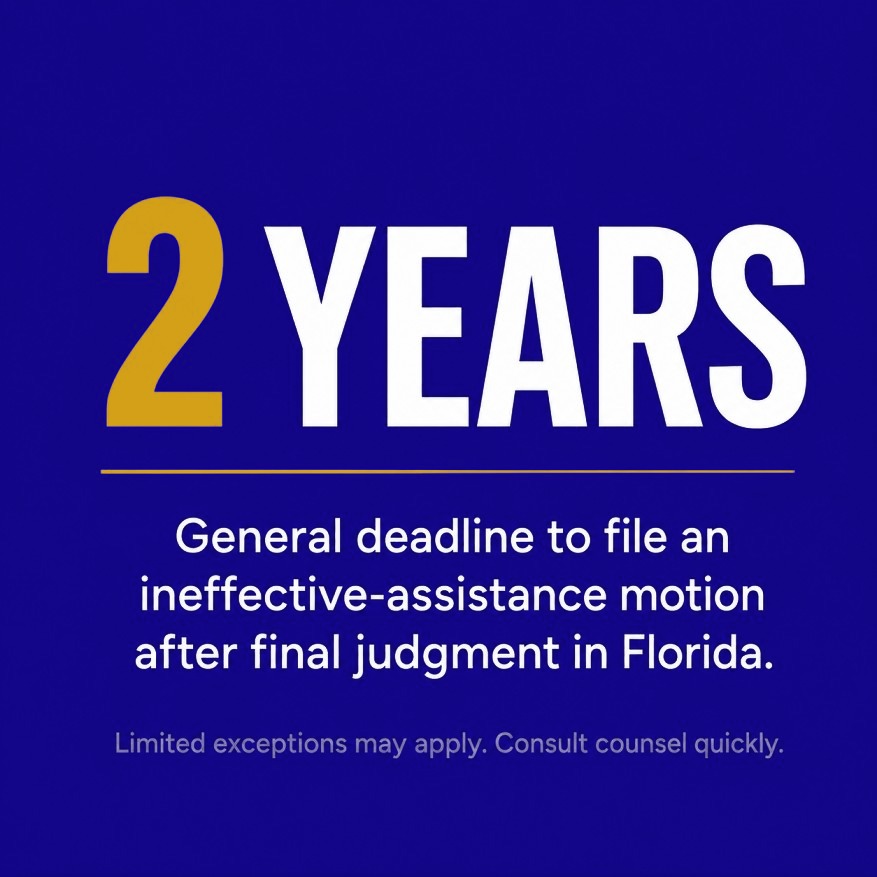
Florida Rules of Criminal Procedure 3.850 (non-capital sentences) and 3.851 (capital sentences) generally require an ineffective-assistance motion within two years of the final judgment, with limited exceptions. Postconviction motions are time-sensitive, so anyone considering one should consult counsel quickly.
Facing Homicide Charges in Tampa Bay?
The De Santus case shows what happens when preparation fails. A homicide trial demands experience, judgment, and attention to every detail. Anything less risks a lifetime behind bars.
I’m Tampa Attorney Rocky Brancato. For more than 25 years, I have defended serious felony and homicide cases throughout Tampa Bay. As a former member of major-crimes and sex-crimes units in Tampa’s largest criminal defense office, I have the perspective that only decades in the courtroom can bring. Read more on our Tampa Homicide Attorney page.
I keep my caseload low so every client receives the preparation their case demands. If I’m too busy or it’s not the right fit, I’ll tell you. I won’t take a case I can’t handle properly.
Don’t assume every “homicide attorney” has the experience your life demands. Verify it before you hire.
Call (813) 727-7159 for a Confidential Consultation
The Brancato Law Firm, P.A.
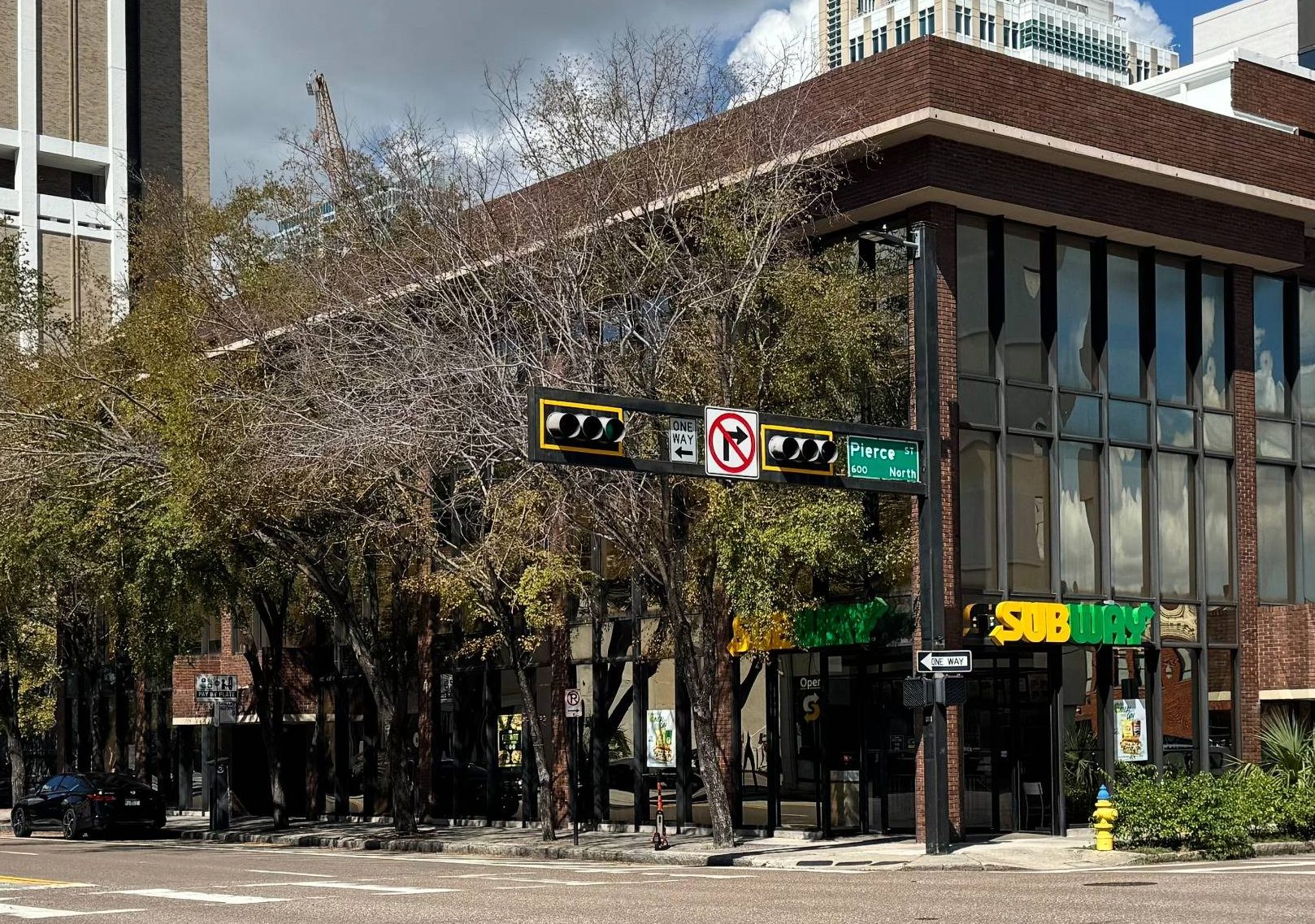
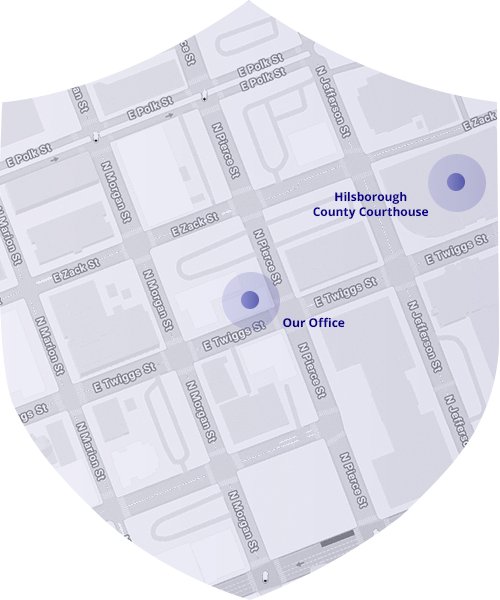
620 E Twiggs Street, Suite 205, Tampa, FL 33602
Serving Hillsborough, Pinellas, and Pasco Counties
Visit Us
Tampa, FL 33602
Contact Us Now
Free Legal Consultation (813) 727-7159