- Free Consultation 24/7: (813) 727-7159 Tap Here To Call Us


From First DUI to Death Penalty



Tampa Police Mistakes Can Lead to Case Dismissal


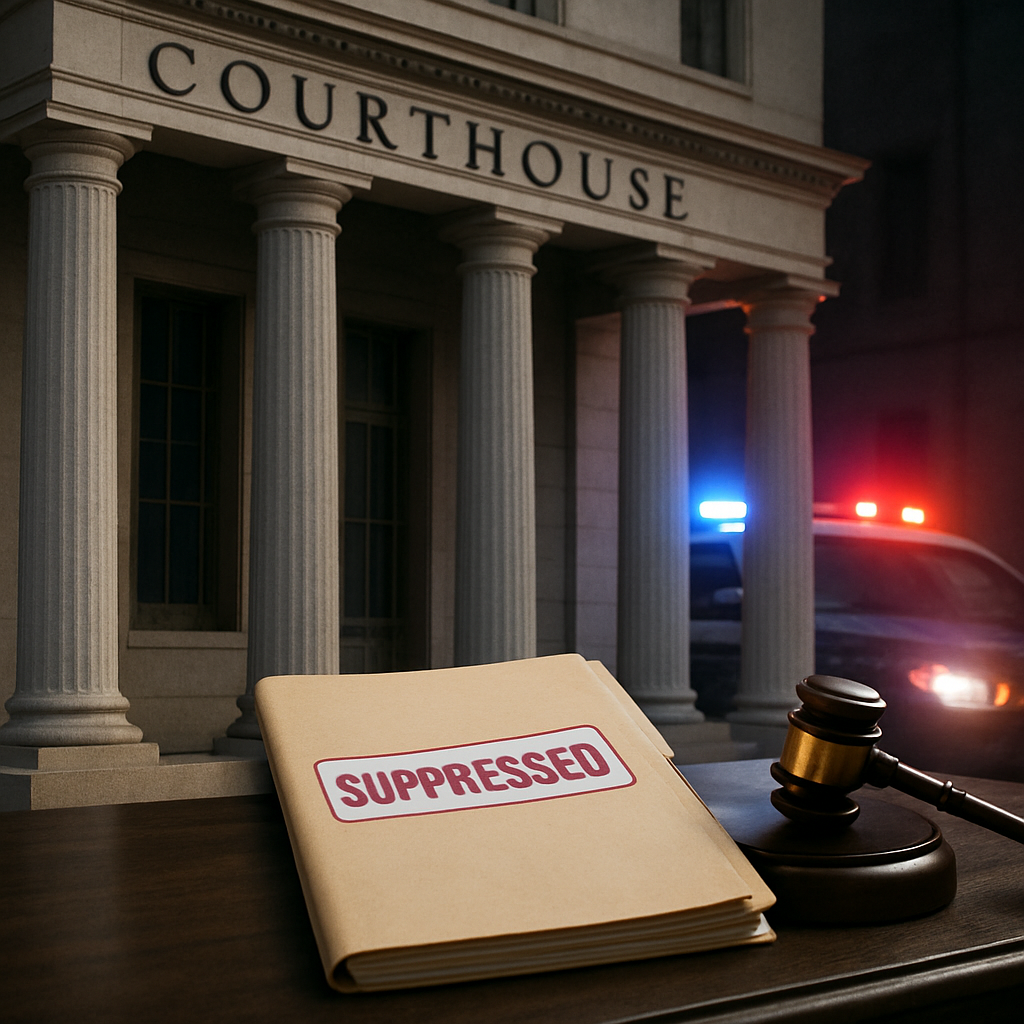
Constitutional Violations Create Powerful Defense Opportunities
| The Key Principle When police violate your constitutional rights, a judge can exclude any evidence obtained as a result. Without that evidence, the State may have no choice but to dismiss your charges. |
When you face criminal charges in Tampa, every piece of evidence counts. However, how police obtain that evidence matters just as much as the evidence itself. Police officers are human—they make mistakes. When their errors violate your constitutional rights, a judge can throw out critical evidence.
At The Brancato Law Firm, P.A., we bring over 25 years of experience to identifying and exposing police errors that can completely change your case’s outcome. Tampa Criminal Defense Attorney Rocky Brancato, former Chief Operations Officer of the Hillsborough County Public Defender’s Office, has built his career on holding law enforcement accountable and protecting the rights of the accused.
Five Police Mistakes That Can Get Your Case Dismissed
| Police Mistake | Constitutional Right | Result If Violated |
| Illegal Traffic Stop | Fourth Amendment | All evidence suppressed |
| Unlawful Search | Fourth Amendment | Contraband excluded |
| Miranda Violation | Fifth Amendment | Confession suppressed |
| Evidence Mishandling | Due Process | Evidence excluded |
| Witness Coercion | Due Process | Testimony excluded |
1. Illegal Traffic Stops
Police often make their first mistake during a traffic stop—before an arrest even occurs. The Fourth Amendment requires police to have “reasonable suspicion” that you committed a crime or traffic violation before pulling your vehicle over. They cannot stop you on a hunch or because of your appearance.
What Happens When a Stop Is Illegal
If an officer stops you unlawfully, your attorney can file a motion to suppress any evidence gathered after that illegal stop. This includes confessions, contraband, and DUI breath test results. Consequently, without this crucial evidence, the State may have no choice but to dismiss your charges.
The Brancato Law Firm routinely challenges illegal stops in drug, DUI, and firearm cases throughout Hillsborough, Pinellas, and Pasco Counties.
2. Unlawful Searches and Seizures
To search your person, vehicle, or home, police generally need one of three things: a warrant, your valid consent, or a recognized legal exception. When officers conduct searches without meeting these requirements, the evidence they find becomes vulnerable to suppression.
Common Examples of Unlawful Searches
- Searching a car without probable cause or consent
- Searching a home without a warrant or valid permission
- Conducting pat-downs without reasonable suspicion that you are armed
- Exceeding the scope of consent (searching places you did not agree to)
The “Fruit of the Poisonous Tree” Doctrine
If a search was illegal, a judge excludes any evidence found as “fruit of the poisonous tree.” This legal doctrine means that evidence obtained through constitutional violations is tainted and cannot be used against you. Often, once the court throws out this illegally obtained evidence, the prosecution cannot proceed with the case.
3. Miranda Rights Violations
Police must properly advise you of your Miranda rights if you are in custody and they interrogate you. If they fail to do so, a court can suppress any statements you make during that interrogation.
| Your Miranda Rights • You have the right to remain silent • Anything you say can and will be used against you in court • You have the right to an attorney • If you cannot afford an attorney, one will be appointed for you |
Common Miranda Mistakes by Police
- Failing to read you your full Miranda rights before questioning
- Continuing to question you after you clearly ask for a lawyer
- Using threats or false promises to coerce a confession
- Questioning you after you invoke your right to remain silent
Suppressed statements can significantly weaken the State’s case. This is especially true when a confession is a central piece of their evidence against you.
4. Mishandling of Evidence
The “chain of custody”—the documented trail of how police handle evidence from seizure to trial—is vital in criminal cases. Any breaks or inconsistencies in this chain can lead a judge to question the evidence’s reliability.
Examples of Evidence Mishandling
- Losing or misplacing crucial evidence
- Contaminating biological samples (DNA, blood)
- Failing to properly document evidence transfers
- Storing evidence improperly (wrong temperature, exposed to elements)
When police mishandle evidence, a skilled defense attorney can challenge its reliability. As a result, this often leads to suppression of the evidence or even case dismissal.
5. Witness Intimidation and Police Misconduct
Florida law prohibits police officers from coercing witnesses or altering their statements. When officers cross ethical or legal lines during investigations, their actions can undermine the entire prosecution.
How We Challenge Police Misconduct
Documented police misconduct can support your attorney in filing motions to dismiss your case, suppress evidence, or exclude tainted witness testimony. At The Brancato Law Firm, we aggressively investigate every case for signs of law enforcement misconduct. We know that exposing even one significant error can change the entire outcome.
Frequently Asked Questions
What is a motion to suppress?
A motion to suppress asks the court to exclude evidence that was obtained illegally. If the judge grants the motion, the prosecution cannot use that evidence against you at trial. Without key evidence, the State may be forced to dismiss charges.
What is the “fruit of the poisonous tree” doctrine?
This doctrine holds that evidence obtained as a result of a constitutional violation is “tainted” and inadmissible. For example, if police conduct an illegal search and find drugs, those drugs—and any evidence that flows from finding them—cannot be used against you.
When do police have to read me my Miranda rights?
Police must read you Miranda rights when two conditions are met: (1) you are in custody (not free to leave), and (2) they are interrogating you (asking questions designed to elicit incriminating responses). If both conditions are met and they fail to give Miranda warnings, your statements may be suppressed.
Can police search my car without a warrant?
In some circumstances, yes. The “automobile exception” allows police to search a vehicle without a warrant if they have probable cause to believe it contains evidence of a crime. However, they cannot search without any legal basis. If the search was unlawful, the evidence can be suppressed.
What is chain of custody?
Chain of custody is the documented record of who handled evidence, when they handled it, and how it was stored. Any gaps or inconsistencies in this documentation can undermine the evidence’s reliability and create grounds for suppression.
How do I know if police made mistakes in my case?
An experienced defense attorney reviews police reports, body camera footage, witness statements, and all documentation to identify constitutional violations. Many police mistakes are not obvious to defendants but become clear upon careful legal analysis.
| Time Is Critical Evidence can be lost, witnesses can forget details, and body camera footage may be overwritten. The sooner we can investigate your case, the stronger your defense can be. |
We Turn Police Mistakes Into Case Dismissals
Police errors are not rare—they happen. What truly matters is whether your defense attorney knows how to find these mistakes, expose them effectively, and use them to your advantage.
The Brancato Law Firm, P.A. combines over 25 years of courtroom experience with a deep understanding of constitutional law. We know how to challenge illegal stops, unlawful searches, Miranda violations, and investigative misconduct. We are prepared to fight vigorously to have your charges dismissed whenever police errors allow.
Call (813) 727-7159 for a Confidential Case Evaluation
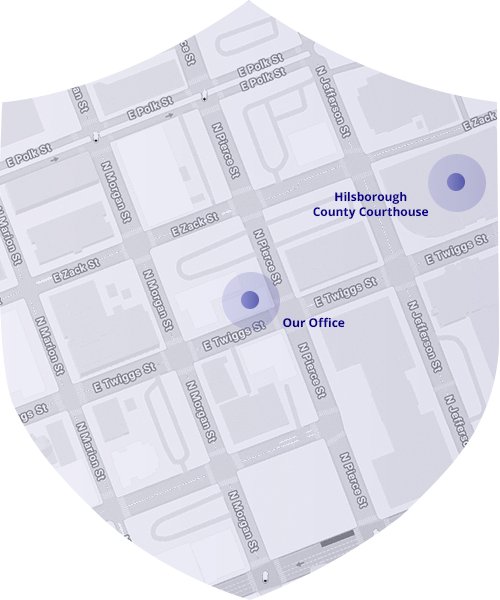
620 E Twiggs Street, Suite 205, Tampa, FL 33602
Serving Hillsborough, Pinellas, and Pasco Counties
Related: Tampa DUI Lawyer | Tampa Drug Crimes Lawyer | Tampa Criminal Forensic Science Attorney
Visit Us
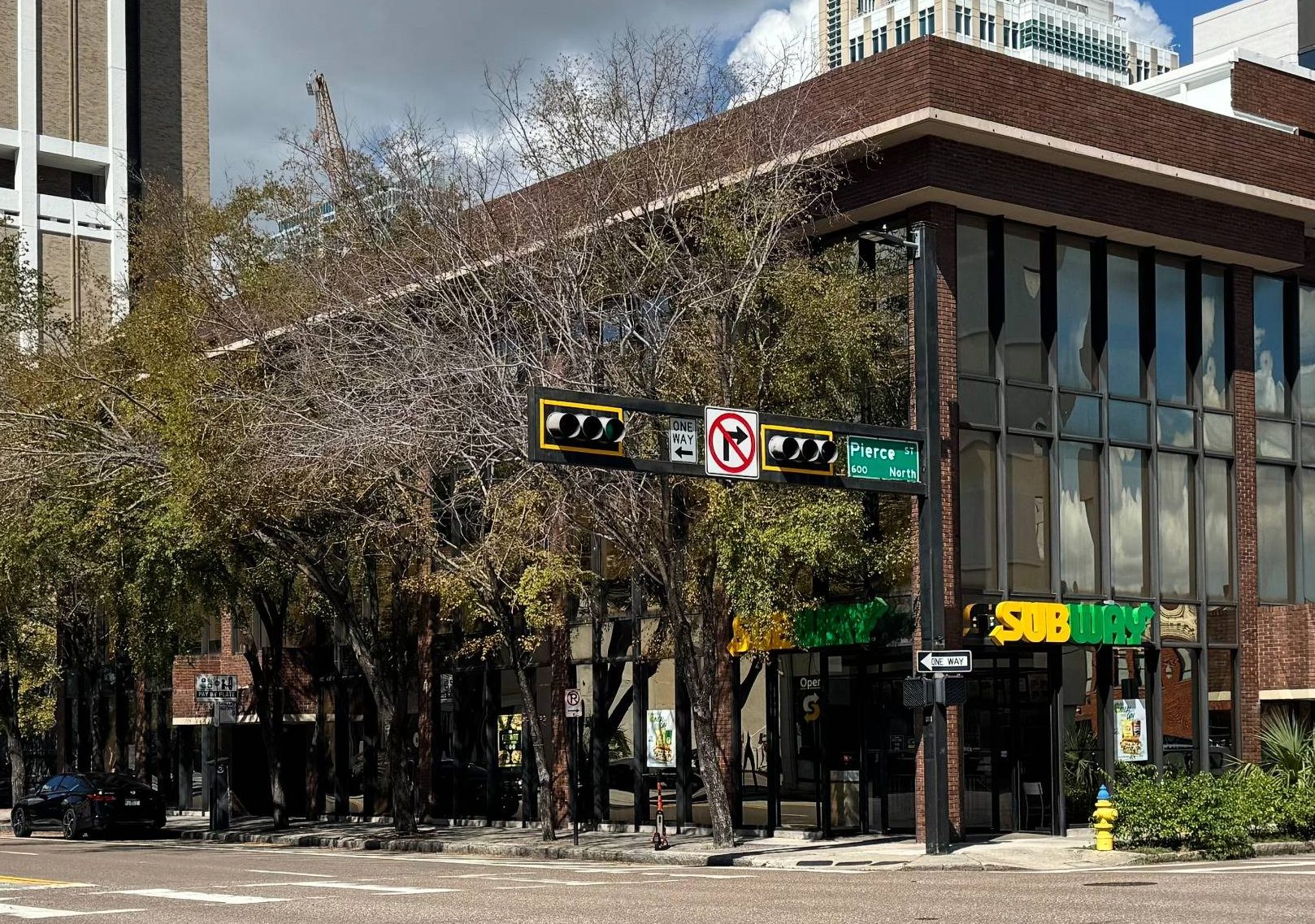
Tampa, FL 33602
Contact Us Now
Free Legal Consultation (813) 727-7159