- Free Consultation 24/7: (813) 727-7159 Tap Here To Call Us


From First DUI to Death Penalty


How Much Does a Sex Crimes Defense Attorney Cost in Florida? (2026)


The first question almost every family asks when a loved one is charged with a sex offense in Florida is what a real defense costs. The honest answer is $25,000 on the low end, scaling into six figures for capital sexual battery cases with strong evidence to fight. The fee tracks the charge level under Florida Statutes § 800.04, § 794.011, § 827.071, and § 847.0135, the actual trial experience of the attorney, and what the defense has to fund: investigators, forensic computer experts, mitigation specialists, and expert psychologists.
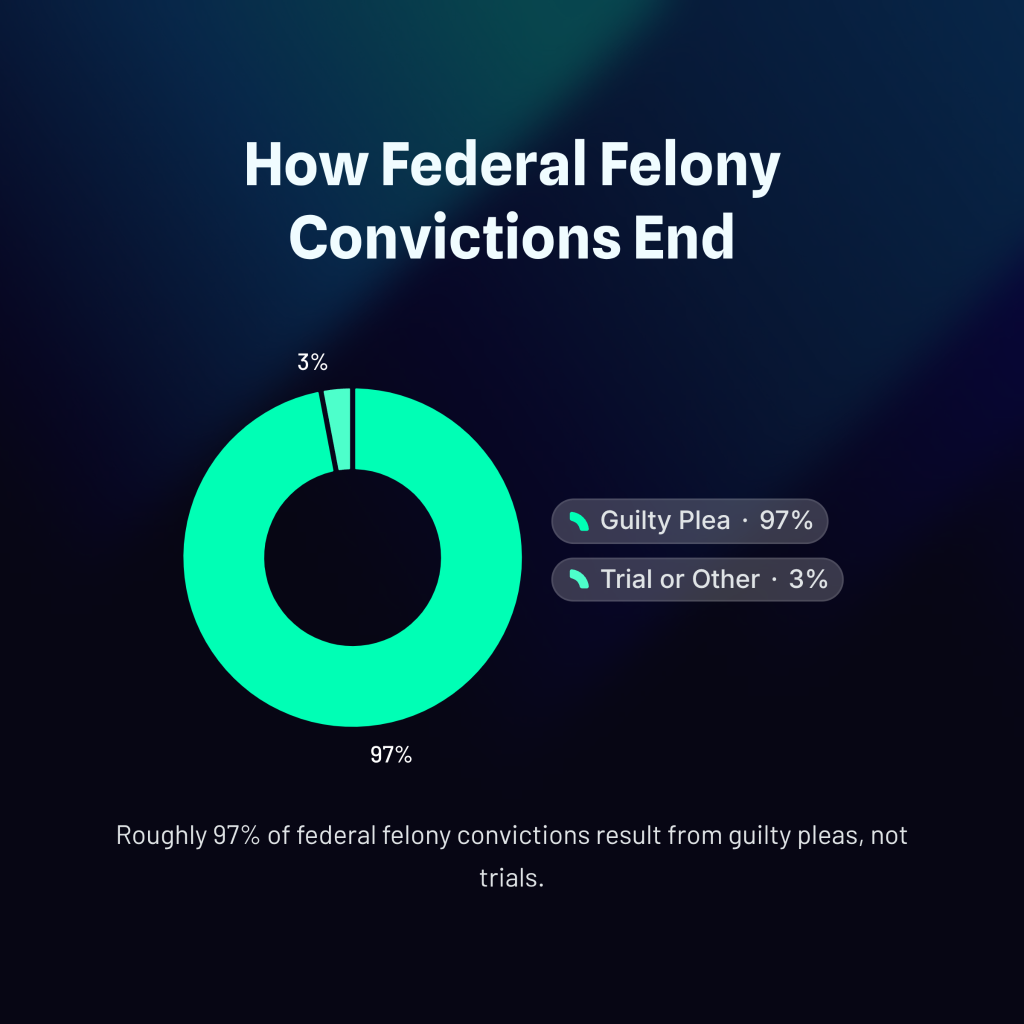
At The Brancato Law Firm, about 40% of our active caseload is sex offense work, and we have versions of this conversation with families almost every week. Your fee funds three things: time, trial credibility, and the resources to test the State’s evidence. You are buying it against a system in which roughly 97% of federal felony convictions come from guilty pleas, where Florida public defender felony caseloads have repeatedly run more than double the national maximum, and where almost any conviction under Chapters 794, 800, 827, or 847 triggers lifetime sex offender registration under Fla. Stat. § 943.0435.
Underpaying for a sex case is, in practical terms, paying for a guilty plea.
What Florida Sex Crimes Defense Attorneys Typically Charge
There is no published fee schedule for criminal defense in Florida. The Florida Bar does not set rates. The ranges below reflect realistic pricing for experienced private representation, drawn from public consumer sources, the Bar’s own consumer pamphlet on attorneys’ fees, and Clio’s lawyer hourly rate data, which puts the 2025 U.S. average attorney hourly rate at $349 with significant practice-area variance.
| Florida Charge | Statute | Statutory Maximum | Typical Flat Fee Range |
| Lewd or lascivious conduct (3rd-degree felony) | § 800.04(6) | 5 years | $25,000+ |
| Lewd or lascivious molestation, victim 12 to 15 (2nd-degree felony) | § 800.04(5)(c)(2) | 15 years | $30,000 to $75,000+ |
| Lewd or lascivious molestation, victim under 12 (life felony, 25-yr min.) | § 800.04(5)(b) | Life | $50,000 to $150,000+ |
| Possession of CSAM (3rd-degree felony per image) | § 827.071(5) | 5 years per count | $25,000 to $75,000+ |
| Aggravated possession (10+ images, 2nd-degree felony) | § 775.0847; § 827.071(4) | 15 years | $40,000 to $100,000+ |
| Solicitation of a minor by computer | § 847.0135(3) | 15 years | $30,000 to $75,000+ |
| Traveling to meet a minor | § 847.0135(4) | 15 years; 21-mo. min. | $35,000 to $100,000+ |
| Sexual battery, victim 18+ (2nd-degree felony) | § 794.011(5)(b) | 15 years | $40,000 to $100,000+ |
| Sexual battery, victim 12 to 17 by adult (1st-degree felony) | § 794.011(4)(a) | 30 years to life | $50,000 to $150,000+ |
| Capital sexual battery, child under 12 | § 794.011(2)(a) | Life without parole | $75,000 to $200,000+ (six figures common) |
These are working ranges, not quotes. Individual fees vary materially by jurisdiction, by the lawyer’s experience and trial record, and by case-specific factors: the number of charges, the age of the alleged victim, the volume and complexity of digital evidence, and how many state witnesses will require deposition. The upper bound on sex cases is driven by expert witnesses and trial complexity.
Quotes below these ranges exist in the market. They typically do not fund the depositions, motions, and experts a serious sex defense actually requires. A $10,000 quote on a felony sex case should be treated as a warning sign, not a bargain.
At The Brancato Law Firm we provide a clear, upfront flat-fee quote on every case. The fee covers the entire case from intake through trial if necessary. We do not publish our specific numbers because every case is different, but the ranges above will give you a realistic sense of what serious private defense costs in Florida.
Why Most Florida Sex Crimes Attorneys Charge Flat Fees
Florida prohibits contingency fees in criminal cases. Under Rule 4-1.5(f)(3)(A) of the Rules Regulating The Florida Bar, contingent fees are flatly barred in criminal matters. That leaves three structures: flat fees, hourly billing, or hybrid retainer arrangements. The Bar’s consumer pamphlet on Attorneys’ Fees confirms that flat fees are the customary structure in criminal defense.
A flat fee gives the client cost certainty and aligns the attorney’s economic incentives with the client’s interests. Fewer hours billed never means less work, and the attorney is not penalized for taking the case all the way to trial. Flat-fee pricing for state-court criminal cases is the dominant pricing model in Florida.
There are three other arrangements you may encounter:
- Hourly billing. Some attorneys, especially in federal cases, bill at hourly rates between $200 and $700. The risk for the client is open-ended cost. A complex sex case can absorb hundreds of attorney hours, plus investigator and expert hours.
- Hybrid retainer. A retainer covering a set number of hours, then hourly above that. More common in federal or white-collar matters than in state-court sex cases.
- Split flat fees (pre-trial and trial). Some firms quote one flat amount for pre-trial work and a separate flat amount if the case proceeds to trial. We discuss the problem with this structure in the next section.
What matters more than the structure is what is in writing. Florida Bar Rule 4-1.5(e) permits a non-refundable flat fee, but the non-refundable nature must be confirmed in writing. Florida Bar Ethics Opinion 93-2 cautions that even a properly designated non-refundable fee remains subject to the rule against “clearly excessive” fees. If an attorney will not put the fee, the scope, and the refund treatment in writing, walk away.
Why Cheap Defense Fails in Florida Sex Cases
The price gap between a $15,000 quote and a $50,000 quote is real because the work behind those quotes is real. We have handled cases where the prior attorney quoted a fee well below market and the family came back to us after a plea offer that locked in lifetime registration. A serious flat fee on a sex case typically funds:
- Time on file. Clio’s research shows the average lawyer bills only about 2.6 hours of an 8-hour workday. A bargain-rate retainer cannot fund the time required to take meaningful depositions, file and litigate suppression motions, and prepare for jury trial.
A real flat fee on a single sex case can.
- Independent investigation. Sex cases turn on credibility. Investigators interview the complainant’s friends, prior partners, school staff, social workers, and uncover digital evidence that police did not pursue.
- Expert witnesses. Per the SEAK 2024 expert witness fee survey, computer forensics experts charge around $325 per hour on average for trial testimony, and expert retainers average $2,000. A complete CSAM defense often requires a forensic computer examiner, a clinical psychologist for risk and mitigation, and sometimes a polygraph examiner. Expert costs of $5,000 to $25,000 or more are routine and are handled separately from the attorney’s fee.
- Trial preparation. Jury selection in a sex case requires careful voir dire on victims’ rights, exposure to media coverage, and social attitudes. Cross-examination of a child or vulnerable witness requires dozens of preparation hours.
- Track record. Florida Bar Rule 4-1.5(b)(7) explicitly lists “the experience, reputation, diligence, and ability of the lawyer” as a reasonableness factor. An attorney who has tried sex cases to verdict in Florida circuit court is a different kind of resource than an attorney who has never selected a jury in one.
That is why a bargain-rate quote on a sex case is not really representation. The work is what costs money, and the work is what changes the outcome.
Why an All-In Flat Fee Protects You
Some Florida defense attorneys split the fee on a serious sex case into two figures: one for pre-trial work, a separate (often larger) figure if the case proceeds to jury trial.
This structure creates a problem for the client. When the attorney’s compensation depends on whether the case settles or tries, the attorney has a financial reason to favor a pre-trial resolution. The case may be worked up just enough to negotiate a plea, not enough to actually try. The trial threat is not credible because the trial preparation is not real.
The leverage to negotiate a good outcome comes from the credible threat of trial. The National Association of Criminal Defense Lawyers’ Trial Penalty report documented that less than 3% of state and federal criminal cases now go to trial, down from roughly 20% three decades ago.
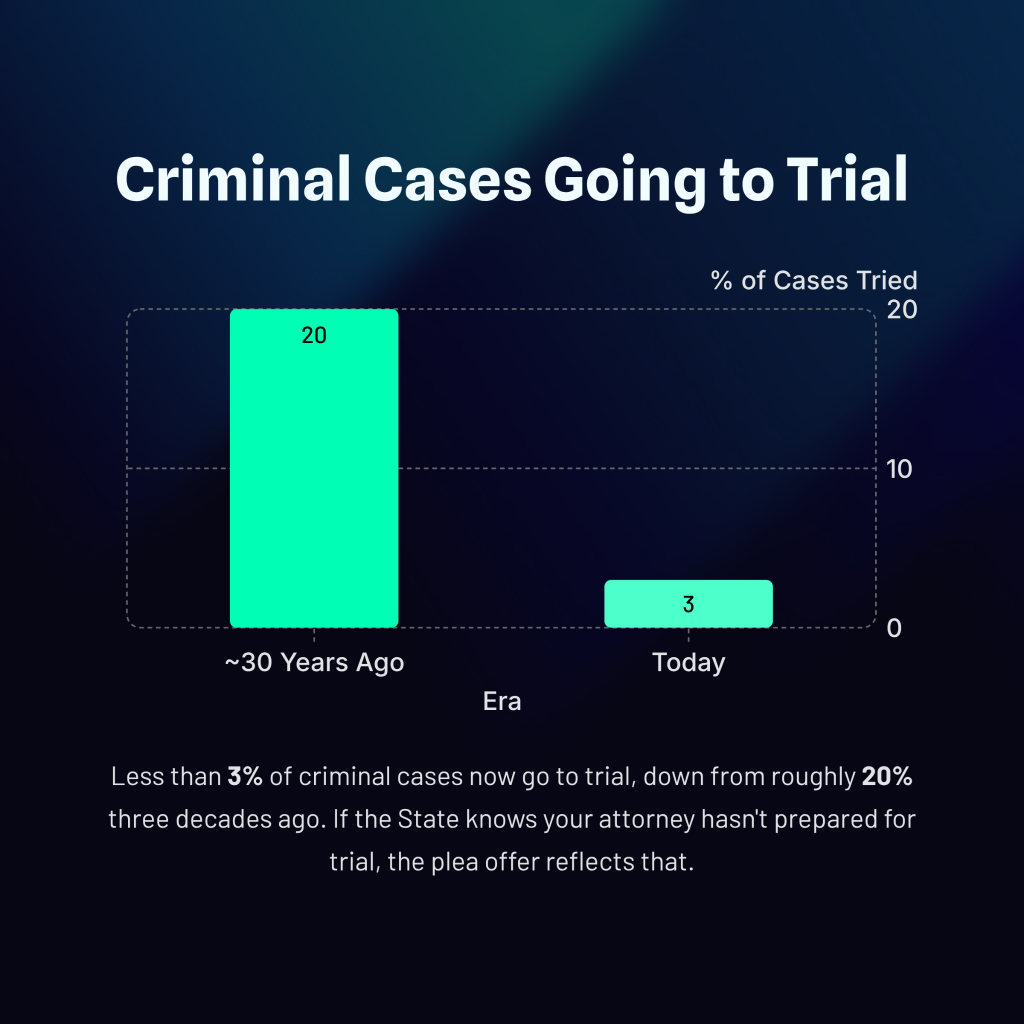
In federal felony cases, sentences after trial are on average about seven years longer than the pre-trial plea offer. The American Bar Association’s 2023 Plea Bargain Task Force Report reached the same conclusion.
If the State knows your attorney has not actually prepared the case for trial, the offer reflects that. If the State knows you are funded and prepared to try the case, the offer reflects that too.
That is why The Brancato Law Firm charges one flat fee for the entire case. One number, all in, from intake through trial if necessary. Every case is worked up as if it will be tried, because that is the only way the trial threat is real. That is what we mean when we describe our practice as trial-ready, not deal-ready.
What the Flat Fee Covers and How Costs Are Handled Separately
The word “retainer” gets used loosely to describe four different things in Florida practice. The distinctions matter when you are signing a fee agreement.
| Term | What it is | Florida treatment |
| True retainer | Payment to secure the lawyer’s availability | Earned on receipt; lawyer’s property; not held in trust |
| Advance fee | Prepayment for future work | Held in client trust account; billed against as work is done; unearned portion refundable |
| Flat fee (non-refundable) | Fixed price for defined scope | Lawyer’s property on receipt; non-refundable status must be in writing per Rule 4-1.5(e); still subject to “clearly excessive” prohibition |
| Cost deposit | Money for filing fees, expert fees, transcripts | Held in trust; drawn down as costs are incurred; unused funds returned |
A well-drafted Florida criminal defense fee agreement should specify:
- The exact scope of representation in writing. For an all-in flat fee, the scope covers the entire case from intake through resolution, including trial if necessary.
- What is excluded. Common exclusions include interlocutory appeals, post-conviction motions, and direct appeals to the District Court of Appeal.
- The non-refundable nature of any flat fee, in writing.
- How costs will be handled (see below).
Costs are separate from the attorney’s fee. They are the third-party expenses needed to mount the defense: court reporters, deposition transcripts, expert witnesses, private investigators, psychological evaluations, medical records, and travel for out-of-area witnesses. Two ethical, structured methods exist for handling these costs in Florida criminal defense:
- Cost deposit held in trust. The firm collects an advance amount, places it in the client trust account, and pays vendors from it as costs are incurred. Unused funds are returned to the client at the end of the case.
- Direct vendor payment in advance. The client pays the vendor (expert, investigator, lab) directly before services are rendered.
Both methods avoid the delay that happens when costs are paid “as they come up” with no structure in place. A case waiting on a forensic computer examiner who has not been retained because the cost was not pre-funded is a case that is not being prepared.
Standard cost categories to expect:
- Court reporter and transcript fees for depositions
- Investigator fees ($75 to $150 per hour)
- Expert witness retainers and testimony fees (computer forensics around $325 per hour; psychological evaluations $2,500 to $10,000)
- Travel costs for out-of-area witnesses or experts
- Appeal fees if the case is convicted at trial and appealed
Florida Bar guidance requires that third-party costs be charged to the client at the actual amount paid by the lawyer.
Public Defender Risk in Florida Sex Crime Cases
Florida public defenders are licensed members of the Bar, and many are exceptional attorneys. Some of the most talented trial lawyers in the courthouse work in public defender offices, especially in major crimes units. This is not an indictment of the people. It is a description of the structural problem they face.
In Public Defender, Eleventh Judicial Circuit v. State, 115 So. 3d 261 (Fla. 2013), the Florida Supreme Court reviewed evidence that the Miami-Dade Public Defender’s non-capital felony caseload had been “in the range of 400 cases per attorney for a number of years.” The American Bar Association’s recommended maximum is 150. The Brennan Center’s A Fair Fight report concluded that “only 21 percent of state-based public defender offices have enough attorneys to adequately handle their caseloads.”
A peer-reviewed Florida-specific study published in the Journal of Criminal Justice by Williams (2013) found that “defendants with public defenders are more likely to be detained pretrial, more likely to be convicted, and less likely to have their cases dismissed.” Bureau of Justice Statistics surveys show that defendants with public counsel are sentenced to incarceration at higher rates than those with private counsel: 71% vs. 54% in large state courts.
For sex cases specifically, the structural problem is sharper. Sex case defense requires deposition of multiple state witnesses, retention of forensic experts, and dozens of hours of trial preparation. An attorney holding 400 active cases cannot deliver that. Not as a personal failing, but as an arithmetic one.
When the public defender is the right answer. If household income is at or below 200% of the federal poverty guidelines and you have under $2,500 in non-homestead equity, you qualify under Fla. Stat. § 27.52, and the public defender is your realistic path. We have always said directly: if you cannot afford a strong private attorney, you may be better off with a public defender than a low-cost private lawyer. A bargain-rate private attorney with no time to investigate is the worst of both worlds.
How Florida Families Pay for Serious Sex Crime Defense
For most families, a $30,000 or $75,000 defense fee is not money sitting in a checking account. It is money assembled from multiple sources. Florida Bar Rule 4-1.8(f) permits a third party (a parent, spouse, employer) to pay legal fees, provided the client gives informed consent and the third-party payment does not interfere with the lawyer’s independent professional judgment.
Common funding sources we see in serious Florida sex cases:
- Family pooling. The single most common source. Research published in Science Advances on the Family Incarceration Costs Survey found that family members typically bear thousands of dollars in costs related to a member’s incarceration, and the Consumer Financial Protection Bureau has documented that families, particularly women and Black women, disproportionately shoulder these costs.
- Home equity loans or second mortgages. Common when total fees plus expert costs exceed $50,000.
- Personal loans and credit cards. The Florida Bar consumer pamphlet specifically notes that lawyers may accept payment by major credit card.
- Retirement accounts. Possible, but tax-penalized.
- Crowdfunding. Limited. GoFundMe’s terms of service expressly prohibit campaigns for the legal defense of sex crimes or crimes against minors.
- Payment plans with the firm. Many firms accept a substantial percentage upfront with the balance over an agreed period. The Brancato Law Firm offers payment plans through LawPay; we set the structure during the consultation.
The strategic point is to assemble the funding before you hire, not after. A $40,000 fee assembled from a parent’s home equity line, a sibling’s loan, and a structured payment plan, plus a separate cost deposit for experts, is a coherent investment in liberty and a clean record. A bargain-rate fee paid alone, with no reserve for experts, is usually not.
Why the Registry, Not the Sentence, Drives the Real Price
Most families come to us focused on prison time. That is the wrong primary stake.
Prison ends. Florida sex offender registration does not. Under Fla. Stat. § 943.0435(11), a “sexual offender shall maintain registration with the department for the duration of his or her life unless the sexual offender has received a full pardon or has had a conviction set aside in a postconviction proceeding.” The Office of Program Policy Analysis and Government Accountability’s December 2024 report found that since 2021, only about 2,500 individuals have been removed from Florida’s registry, and most of those removed were deceased.
The Florida registry is also enormous and growing. As of October 2024, the Florida Department of Law Enforcement registry held 86,207 sex offenders, and the in-community registrant population has grown 62% since 2005. Registrants must report in person within 48 hours of any change of residence, employment, vehicle, internet identifier, or name. Failure to register is a separate third-degree felony. Florida also imposes 1,000-foot residency restrictions from schools, daycares, parks, and playgrounds when the victim is under 16, and many municipalities layer on 2,500-foot ordinances.
This is what the fee is fighting for. The defense strategy that produces a non-registration disposition (a charge reduction to a non-qualifying offense, a withhold of adjudication where statutorily allowed, pre-trial diversion in narrow circumstances, dismissal, or acquittal) is worth substantially more than any incremental reduction in prison time. Hiring an attorney who understands which Florida charges trigger registration under § 943.0435, and which alternative dispositions do not, is the single most important variable in pricing this kind of case correctly.
This is also why our pre-file advocacy work matters so much. When we get involved before charges are filed, we can sometimes present the flaws in the State’s case directly to the prosecutor and prevent a registration-triggering charge from ever being filed in the first place. Those outcomes never make the news, but they change lives.
Three Questions to Ask Before Hiring a Florida Sex Crimes Attorney
If you interview three attorneys, ask each of them the same three questions, and compare the answers. We have written more on this in our complete guide to choosing a Tampa criminal defense attorney, but the short version is:
- How many sex cases have you tried to verdict in Florida circuit court in the last five years? A specialist will have a number. A generalist will have none or one. There is a meaningful difference between an attorney who has handled sex cases at intake and an attorney who has selected juries in them.
- Does your fee cover the entire case, or is it split between pre-trial and trial? An all-in flat fee aligns the attorney’s incentives with your interest in being prepared to try the case. A split fee gives the attorney a financial reason to settle pre-trial. Ask, and get the answer in writing.
- What experts do you typically retain in a case like mine, and approximately what do they cost? An attorney who has actually defended a CSAM case or a traveling case should be able to answer this without consulting their notes. Ask also how costs are handled: cost deposit held in trust, or direct vendor payment in advance.
Any attorney who cannot answer these three questions on the spot is the wrong choice for a serious sex case. Any attorney who refuses to put the fee structure in writing is also the wrong choice.
How The Brancato Law Firm Approaches Sex Crime Defense
The Brancato Law Firm is an exclusively criminal defense firm serving Hillsborough, Pinellas, and Pasco Counties. About 40% of our active caseload is sex crime work, which is a deliberate concentration. Rocky Brancato spent years in the Major Crimes Unit at the Hillsborough County Public Defender’s Office handling only homicide, sex crimes, and child abuse cases, and later served as the office’s Chief Operations Officer, leading the largest criminal defense operation in Tampa Bay. He is death-qualified under Rules of the Florida Supreme Court, has tried 150+ jury trials to verdict, and has trained hundreds of attorneys in trial advocacy.
Our pricing is one flat fee for the entire case, quoted upfront based on the actual work the case requires. The fee covers everything from intake through trial if necessary. We do not split fees into a pre-trial portion and a trial portion, because doing so creates a conflict of interest that disserves the client.
Costs are separate from the attorney’s fee and are handled either through a cost deposit held in our client trust account, drawn down as costs are incurred with unused funds returned, or by the client paying the vendor directly in advance. Both methods keep case preparation moving without ad-hoc payment delays.
We limit our caseload deliberately so that every client receives serious preparation. We extend payment plans through LawPay where the client needs them, and we accept third-party fee payments with informed consent under Florida Bar Rule 4-1.8(f).
What we do not do is quote a low number on the front end and discover the experts and depositions later. Sex cases are won or lost on forensic challenges, witness preparation, and pre-file advocacy. We price the case to fund that work.
Each case is unique. Past results do not guarantee future outcomes.
Frequently Asked Questions
Why are sex crimes cases more expensive to defend than other felonies?
Sex cases require deposition of more state witnesses, frequent retention of forensic computer or DNA experts, careful jury selection, and extensive trial preparation around credibility. They also carry lifetime registration consequences, which raises the strategic stakes of every charging decision. The defense work is broader and deeper than a typical felony.
Is the trial included in the flat fee, or charged separately?
It depends on the firm. Some Florida attorneys quote one flat fee for the entire case from intake through trial. Others quote a pre-trial fee and a separate trial fee. The all-in flat fee aligns the attorney’s incentives with your interest in being prepared to try the case. The split fee gives the attorney a financial reason to favor a pre-trial resolution. Confirm the structure in writing before you sign. The Brancato Law Firm uses one flat fee for the entire case.
What is a reasonable retainer for a sex crime case in Florida?
Published consumer sources put the retainer for serious private representation in a Florida sex case at approximately $25,000 on the low end, scaling into six figures for capital sexual battery cases with strong evidence to fight. Quotes meaningfully below that range typically do not fund the depositions, motions, and experts the case requires.
Will my attorney charge extra for experts and investigators?
Expert witness fees and investigator fees are separate from the attorney’s flat fee. Two structured methods exist for handling them: a cost deposit held in the client trust account that is drawn down as costs are incurred (with unused funds returned), or the client paying the vendor directly in advance. Florida Bar guidance requires that third-party costs be charged to the client at the actual amount paid by the lawyer. Get an estimate of expected expert costs in writing before you hire.
Are payment plans available for criminal defense in Florida?
Yes. Many Florida criminal defense firms accept structured payment plans, often with a substantial percentage upfront and the balance over an agreed period. Family members and other third parties may also pay legal fees under Florida Bar Rule 4-1.8(f), provided the client gives informed consent.
Should I just use a public defender for a sex case?
If you qualify as indigent under Fla. Stat. § 27.52, the public defender may be your only realistic path, and Florida public defenders include some of the most experienced trial lawyers in the courthouse. If you can afford private counsel and can fund the necessary depositions and experts, the structural caseload reality of Florida public defender offices generally favors private representation for sex cases. A bargain-rate private attorney with no time to investigate is usually the worst option of the three.
Get a Clear Answer on What Your Defense Should Cost
If you or a family member is under investigation or charged with a sex offense in Hillsborough, Pinellas, or Pasco County, we are happy to walk through the case with you, explain the realistic fee range based on the charge, and tell you honestly whether we are the right fit. Consultations are free, confidential, and available 24/7. Call (813) 727-7159 or contact The Brancato Law Firm to schedule.
Visit Us
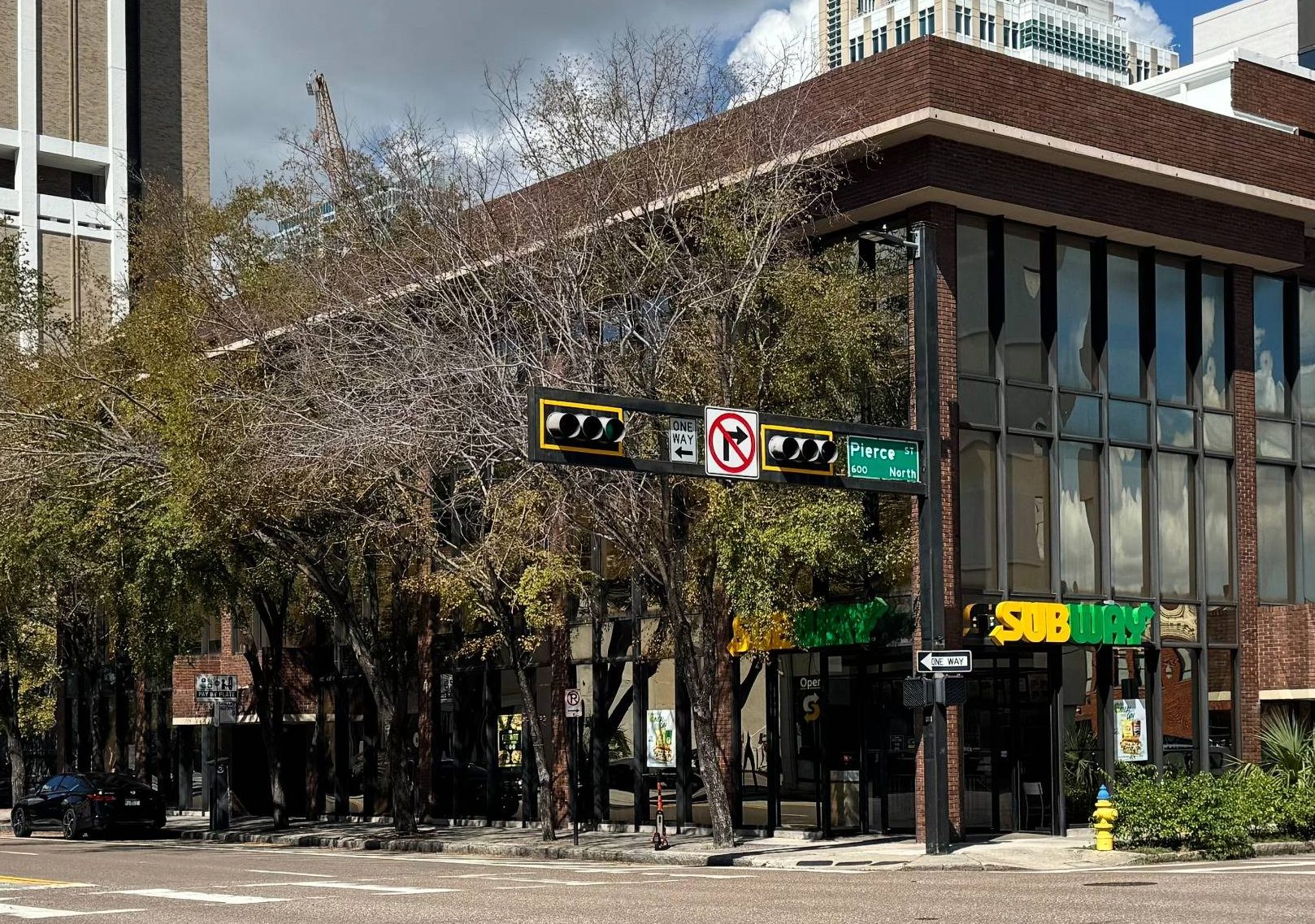
Tampa, FL 33602
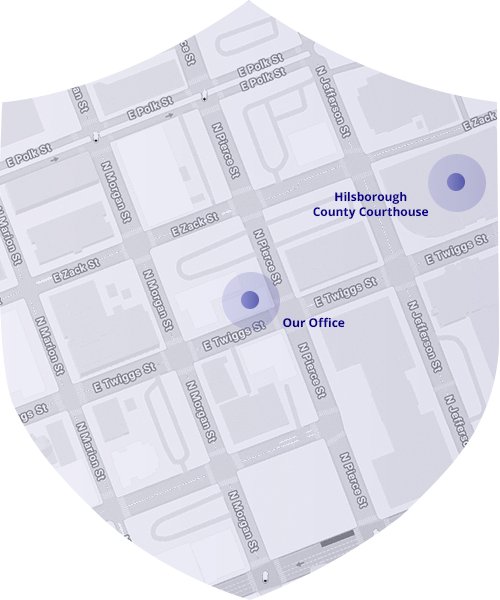
Contact Us Now
Free Legal Consultation (813) 727-7159