- Free Consultation 24/7: (813) 727-7159 Tap Here To Call Us




Florida Appeals Court Shake-Up: Why Your Lawyer Must Object Immediately


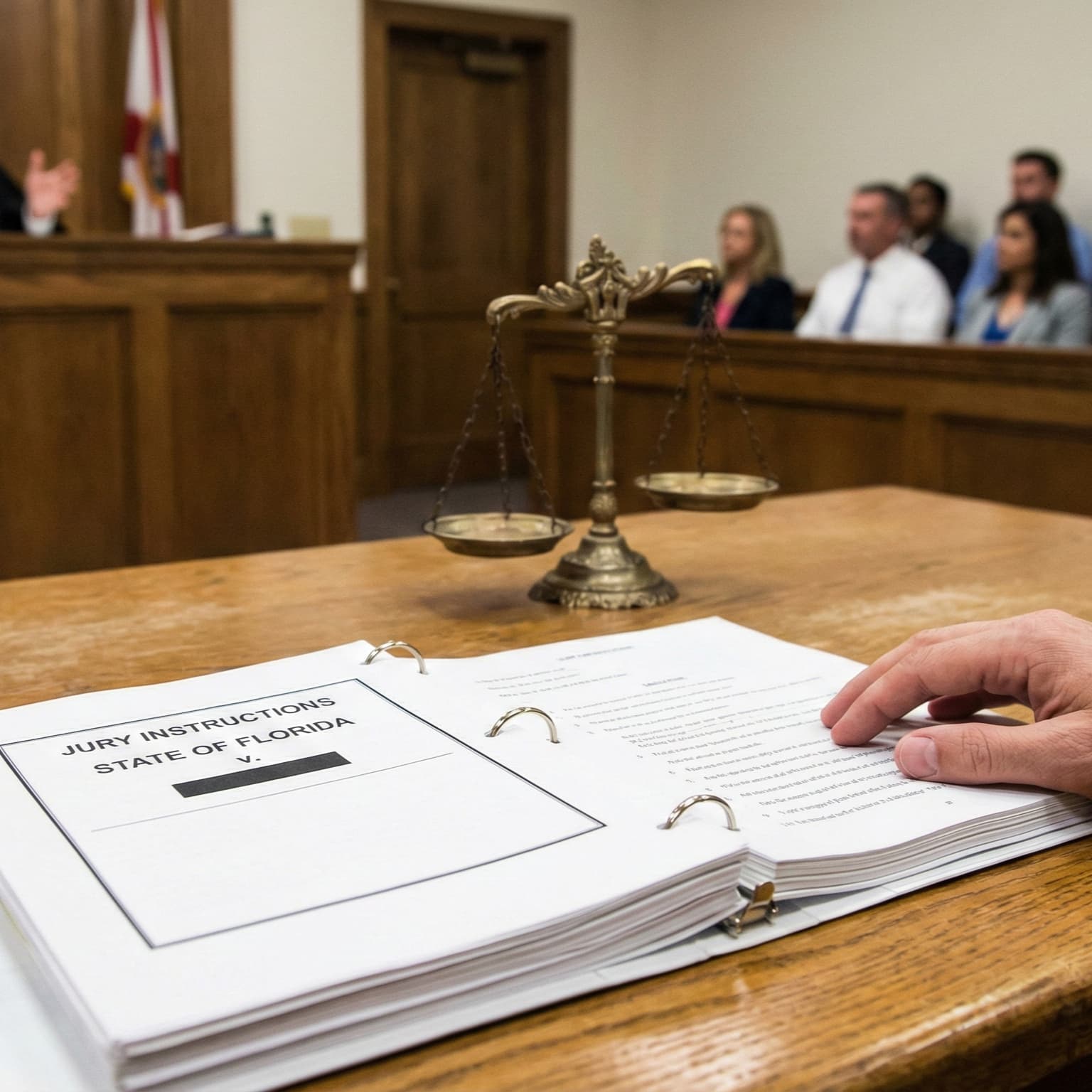
Anady v. State (December 2025) threatens a critical appellate safety net—if your lawyer fails to object to missing jury instructions, you may lose your right to appeal
| ⚠ MAJOR RULING: DECEMBER 23, 2025 The First District Court of Appeal issued an en banc opinion in Anady v. State declaring that failing to read the standard “Reasonable Doubt” jury instruction does not constitute automatically reversible error. This ruling creates a direct conflict with Tampa-area case law, signaling that the Florida Supreme Court may soon tighten the rules for everyone. |
Why This Ruling Threatens Your Right to Appeal
If you face criminal charges in Tampa, you likely rely on a trial to prove your innocence. Specifically, you expect the jury to understand that you remain presumed innocent and that the State must prove its case beyond a reasonable doubt.
But what happens if the judge forgets to read the specific jury instruction defining “reasonable doubt”? And worse, what if your lawyer sits there silently and fails to object?
For years, in districts like the Second DCA (which covers Hillsborough County), courts often considered this mistake “fundamental error.” As a result, defendants could get a new trial even if their lawyer stayed silent. However, the Anady ruling now threatens that safety net.
| STANDARD JURY INSTRUCTION 3.7 – REASONABLE DOUBT This instruction forms the foundation of every criminal trial. Specifically, it: • States the defendant remains presumed innocent • States the burden of proof rests entirely on the State • Defines “Reasonable Doubt” as doubt that is not “mere possible doubt, speculative, imaginary or forced” When judges fail to read this instruction, jurors may not fully understand the standard they must apply before convicting. |
The Case: Anady v. State
Joseph John Anady faced trial for severe sex offenses involving a minor. During the final charge to the jury, the trial judge neglected to read Standard Jury Instruction (Crim.) 3.7. Importantly, Anady’s defense lawyer failed to object to this omission at trial.
On appeal, Anady argued that this mistake constituted “fundamental error”—meaning the court should throw out the verdict regardless of the lack of objection.
| CASE SUMMARY: ANADY V. STATE (FLA. 1ST DCA, DECEMBER 23, 2025) Court: Florida First District Court of Appeal (en banc) Issue: Whether omitting Standard Jury Instruction 3.7 (Reasonable Doubt) constitutes fundamental error when defense counsel fails to object Defense Argument: The omission deprived the defendant of a fair trial and constituted fundamental error requiring reversal Holding: Omitting Instruction 3.7 does NOT constitute fundamental error; life sentences affirmed Reasoning: The Constitution requires the jury to know the burden of proof, but it does not require the judge to read a specific committee-written definition. Because the jury heard about the burden during jury selection and closing arguments, the trial was not “fundamentally unfair.” Certified Conflict: With Usry v. State (2nd DCA)—Florida Supreme Court review likely |
The Conflict: Tampa vs. North Florida
This ruling represents a massive shift. Currently, case law in the Second District Court of Appeal (which governs Tampa, St. Petersburg, and Lakeland) holds the opposite view.
In cases like Usry v. State (2nd DCA), the court held that omitting this instruction constitutes fundamental error. However, the Anady court explicitly certified a conflict with Usry. Consequently, this sets up a showdown at the Florida Supreme Court.
| ⚠ WHY THIS MATTERS TO YOU If the Supreme Court adopts the Anady reasoning, defendants in Tampa will lose a critical appellate safety net. In other words, if your lawyer falls asleep at the wheel and fails to object to a bad jury instruction, you stay in prison. Therefore, you cannot rely on the appeals court to fix trial mistakes—you must get it right the first time. |
Understanding Preserved Error vs. Fundamental Error
Understanding these legal terms proves vital for anyone facing criminal charges:
| Legal Concept | What It Means | The Anady Shift |
| Preserved Error | Your lawyer objected at trial; the appeals court reviews it normally | Remains the safest path |
| Fundamental Error | Your lawyer stayed silent; error so bad the verdict cannot stand | Anady says omitting Instr. 3.7 is NOT fundamental error |
| The Risk | Relying on appeal to fix trial mistakes | Courts making it harder to win appeals without objection |
How We Protect You at Trial
The lesson from Anady proves clear: You cannot rely on the appeals court to save you. Instead, you must get it right the first time. At The Brancato Law Firm, P.A., we prepare for trial with a “preservation mindset.”
| OUR TRIAL PROTECTION STRATEGY We Object Immediately: If a judge skips a vital instruction, we speak up on the record. This preserves your right to appeal. We Educate During Voir Dire: We do not rely solely on the judge. During jury selection, we aggressively question jurors on the presumption of innocence to ensure they understand the concept before the trial even begins. We Make It the Centerpiece of Closing: As noted in Anady, the court examines whether defense counsel explained the burden during closing arguments. Therefore, we make the burden of proof the centerpiece of every closing argument. |
Frequently Asked Questions: Jury Instructions and Your Right to Appeal
What is Standard Jury Instruction 3.7?
Standard Jury Instruction 3.7 provides the standard script Florida judges read to the jury. Specifically, it explains that the defendant remains presumed innocent and defines “Reasonable Doubt” as a doubt that is not “mere possible doubt, speculative, imaginary or forced.” Consequently, this instruction forms the foundation of every criminal trial.
If my lawyer failed to object, can I still appeal?
Yes, but the path becomes much harder. You must prove “Fundamental Error,” which means the error went to the foundation of the case. However, the Anady ruling makes this significantly more difficult regarding jury instructions. Therefore, the best strategy remains having a lawyer who objects in the moment.
Does this ruling apply in Hillsborough County right now?
Currently, Hillsborough County falls under the Second DCA, which ruled differently in Usry v. State. However, Anady (1st DCA) creates a conflict that the Florida Supreme Court will likely resolve. As a result, local judges may start following Anady in anticipation of a high court ruling.
What is the difference between preserved error and fundamental error?
Preserved error occurs when your lawyer objects at trial—the appeals court then reviews the issue normally. In contrast, fundamental error applies when your lawyer stayed silent but the error proves so egregious that the verdict cannot stand. Anady narrows what qualifies as fundamental error, making timely objections more critical than ever.
Why did the court affirm Anady’s conviction despite the missing instruction?
The court reasoned that the Constitution requires the jury to know the burden of proof (beyond a reasonable doubt), but it does not constitutionally require the judge to read a specific committee-written definition. Because the jury heard about the burden during jury selection and closing arguments, the court found the trial was not “fundamentally unfair.”
What should I look for in a criminal defense attorney after Anady?
You need an attorney who understands the Rules of Criminal Procedure inside and out—and who remains unafraid to object when the judge makes a mistake. After Anady, the “wait and fix it on appeal” strategy becomes increasingly risky. Therefore, look for a lawyer who fights in the courtroom, in the moment, to protect your rights.
Will the Florida Supreme Court review Anady?
Very likely. The First DCA explicitly certified a conflict with Usry v. State from the Second DCA. When district courts disagree on important legal questions, the Florida Supreme Court typically resolves the conflict. Until then, the law remains unsettled.
How do you protect clients from this issue at trial?
We employ a “preservation mindset” at every trial. First, we object immediately if the judge skips any vital instruction. Second, we educate jurors about the presumption of innocence during voir dire—before the trial begins. Third, we make the burden of proof the centerpiece of our closing argument. This three-layer approach protects you regardless of how the Supreme Court rules.
| Don’t Gamble on an Appeal. Win at Trial. Call (813) 727-7159 for a Confidential Consultation The Brancato Law Firm, P.A. 620 E. Twiggs Street, Suite 205, Tampa, FL 33602 Serving Hillsborough, Pinellas, and Pasco Counties |
| ABOUT ATTORNEY ROCKY BRANCATO With over 25 years of criminal defense experience, Tampa Attorney Rocky Brancato does not rely on appellate courts to fix mistakes years later. Instead, he fights in the courtroom, in the moment, to ensure the jury understands the burden of proof before they deliberate. As former Chief Operations Officer of the Hillsborough County Public Defender’s Office, he knows the Rules of Criminal Procedure inside and out—and consequently, how to preserve your rights for appeal while fighting to win at trial. |
Related:
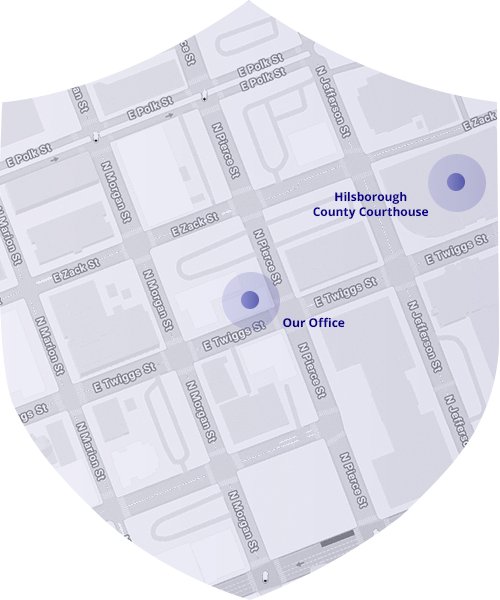
Visit Us
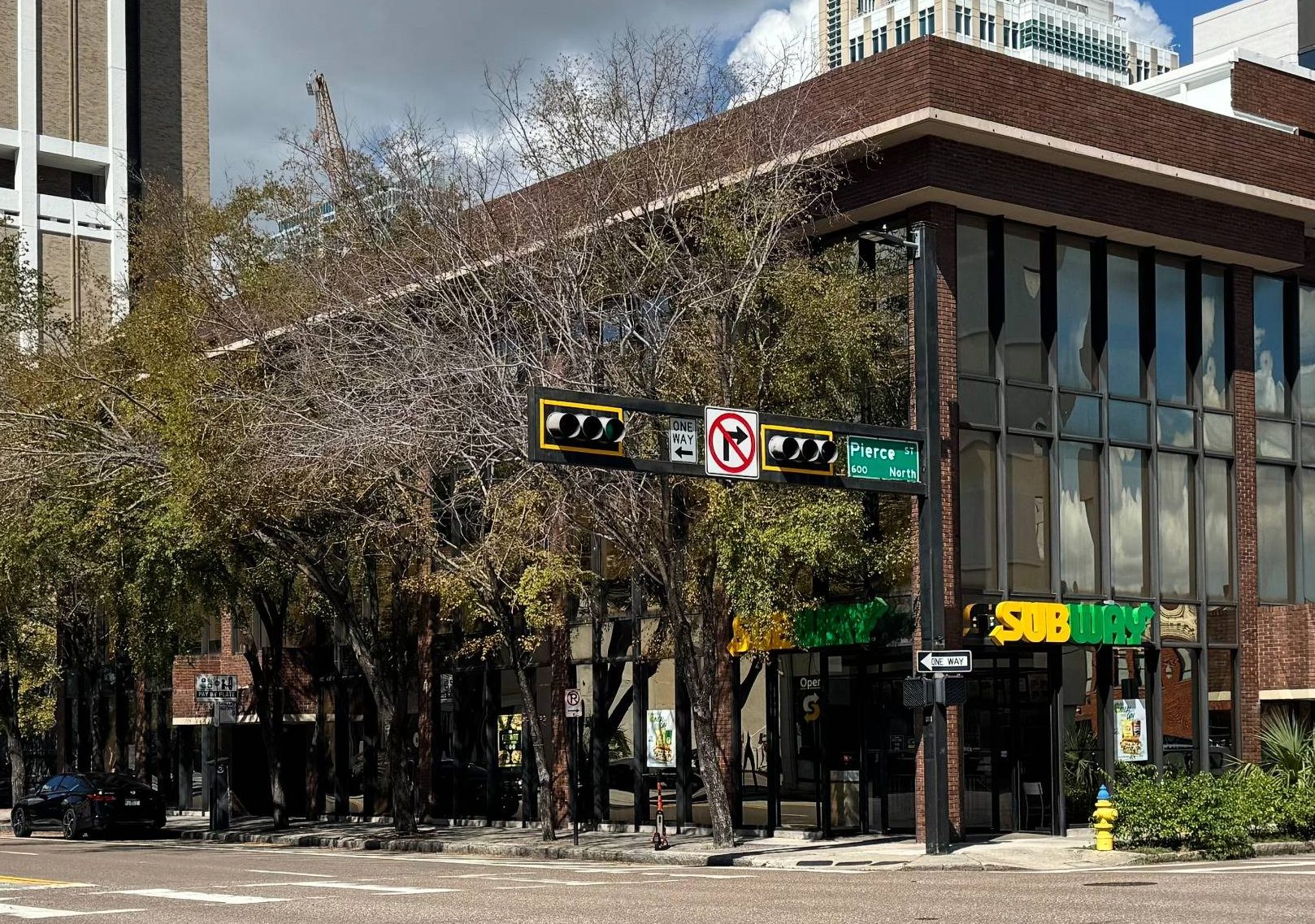
Suite #205
Tampa, FL 33602
Contact Us Now
Free Legal Consultation (813) 727-7159