- Free Consultation 24/7: (813) 727-7159 Tap Here To Call Us


From First DUI to Death Penalty



Florida Court Dismisses Child Pornography Charges



Search Warrant Executed After 10-Day Deadline Invalidates Evidence
Moschella v. State, No. 2D2023-0044 (Fla. 2d DCA Apr. 9, 2025)
| Case Summary Holding: Florida’s Second DCA reversed a child pornography conviction because law enforcement executed the search warrant after the 10-day statutory deadline under §933.05, Fla. Stat. Key Rule: A search warrant executed outside the 10-day window is “stale” and invalid—no showing of prejudice required. Result: Charges dismissed because State stipulated suppression was dispositive. |
The Florida Second District Court of Appeal recently issued a decision that reinforces a fundamental protection in criminal law: search warrants have expiration dates, and when police miss them, the evidence goes away. In Moschella v. State, the court reversed a child pornography conviction because law enforcement waited too long to execute the warrant—and no amount of “good reasons” could save the State’s case. An Experienced Tampa Sex Crimes Attorney may be able to help in your search warrant case too.
What Happened in This Case
James T. Moschella entered a no contest plea to possession of child pornography but reserved his right to appeal the denial of his motion to suppress evidence. The State agreed that if Moschella won the suppression issue on appeal, the charges would be dismissed.
The central issue involved a search warrant authorizing forensic examination of Moschella’s electronic devices—mobile phones, a tablet, and a laptop. The warrant issued on July 27, 2020. However, law enforcement didn’t execute it until sometime in September—well beyond the 10-day execution window required by Florida law.
Florida’s 10-Day Search Warrant Rule
Under Florida Statute §933.05, a search warrant must be returned within ten days of issuance. This rule has existed for over a century, reflecting the legislature’s clear intent to protect citizens’ privacy rights by limiting how long a warrant remains valid.
Florida courts have consistently held that a warrant executed beyond this 10-day period becomes “stale,” and any search conducted under it is invalid. The Second DCA established this principle in Spera v. State, 467 So. 2d 329 (Fla. 2d DCA 1985), making clear that the 10-day requirement is firm and doesn’t depend on whether the defendant suffered actual prejudice from the delay.
Key Legal Points from Moschella
| Issue | Court’s Ruling |
| Statutory Deadline | §933.05 requires warrant execution within 10 days—plain language must be enforced as written |
| Prejudice Requirement | None required—the legislature determined 10 days is reasonable; courts cannot add a prejudice showing |
| Stale Warrant Effect | Search is invalid; evidence must be suppressed regardless of what was found |
| Dispositive Stipulation | When State agrees suppression is dispositive, successful appeal = dismissal, not new trial |
Why the Trial Court Got It Wrong
The trial court denied Moschella’s suppression motion by finding he wasn’t “prejudiced” by the delay. In other words, the trial judge reasoned that since the evidence would have been the same whether police searched on day 8 or day 45, Moschella couldn’t complain.
The Second DCA rejected this reasoning. Citing Spera, the appellate court explained that courts cannot graft a “prejudice” requirement onto the statute’s straightforward language. The legislature—not judges—determined that 10 days is reasonable for warrant execution. When police exceed that deadline, the warrant becomes invalid regardless of circumstances.
Because the State had stipulated that suppression would be dispositive, the Second DCA reversed Moschella’s judgment and sentence and remanded with instructions to dismiss the charges.
What This Means for Criminal Defendants
Moschella reinforces several critical principles that apply to any Florida criminal case involving search warrants:
- Strict Compliance Matters: Law enforcement must execute search warrants within 10 days. Missing this deadline—even by a few days—can invalidate all evidence obtained.
- Prejudice Is Irrelevant: Defendants don’t have to prove the delay harmed them. The expired warrant alone is enough to suppress the evidence.
- Dispositive Stipulations Are Binding: When prosecutors agree that suppression ends the case, a successful appeal results in dismissal—not a new trial.
- Technical Defenses Win Cases: Procedural violations by law enforcement—timing, documentation, chain of custody—can be just as effective as challenging the evidence itself.
Why This Matters in Digital Evidence Cases
Cases involving electronic devices—child pornography, internet crimes, fraud—often depend entirely on digital evidence seized under warrant. These searches require forensic examination, which takes time. Law enforcement sometimes delays execution because devices need to be shipped to specialized labs, or forensic examiners have backlogs.
But Moschella makes clear that these practical difficulties don’t excuse missing the 10-day deadline. If police need more time, they must seek a new warrant—not simply ignore the expiration of the existing one.
For defendants facing serious charges based on seized computers, phones, or storage devices, this case demonstrates why meticulous review of warrant execution dates is essential. An attorney who overlooks this issue leaves a potentially case-ending defense on the table.
Frequently Asked Questions
What is Florida’s 10-day search warrant rule?
Under Florida Statute §933.05, law enforcement must execute and return a search warrant within 10 days of issuance. A warrant executed after this deadline is considered “stale” and invalid, meaning evidence obtained from the search must be suppressed.
Do I have to prove the late warrant execution hurt my case?
No. Florida courts have consistently held that no showing of prejudice is required. The mere fact that the warrant was executed beyond the 10-day deadline is enough to invalidate the search, regardless of what evidence was found.
What happens if evidence is suppressed in my case?
If suppressed evidence is central to the State’s case—as it was in Moschella—the charges may be dismissed entirely. In other cases, suppression may weaken the prosecution’s case enough to result in reduced charges or acquittal at trial.
How do I know if my warrant was executed late?
The warrant itself shows the issuance date, and the return shows when it was executed. An experienced criminal defense attorney reviews these documents carefully as part of standard case evaluation. Many defendants don’t realize this issue exists until their attorney identifies it.
Facing Digital Evidence Charges in Tampa?
Your freedom may depend on holding the government to its constitutional and statutory obligations. Cases like Moschella don’t happen by accident—they happen because defense attorneys scrutinize every detail of how evidence was obtained.
I’m Rocky Brancato. For over 25 years, I have defended clients facing serious criminal charges throughout Tampa Bay, including cases involving digital evidence and constitutional violations. If you’re facing charges based on seized electronic devices, I can review your case for warrant timing issues, chain of custody problems, and other procedural violations that could result in suppression or dismissal.
Call (813) 727-7159 for a Confidential Consultation
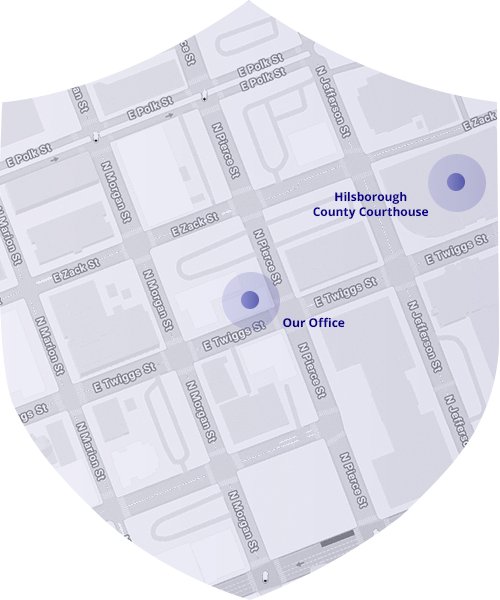
620 E Twiggs Street, Suite 205, Tampa, FL 33602
Serving Hillsborough, Pinellas, Pasco, and Polk Counties
Case Citation: Moschella v. State, No. 2D2023-0044 (Fla. 2d DCA Apr. 9, 2025). See also Spera v. State, 467 So. 2d 329 (Fla. 2d DCA 1985).
Visit Us

Tampa, FL 33602
Contact Us Now
Free Legal Consultation (813) 727-7159