- Free Consultation 24/7: (813) 727-7159 Tap Here To Call Us




Why Your Criminal Defense Attorney Must Personally Inspect the Evidence


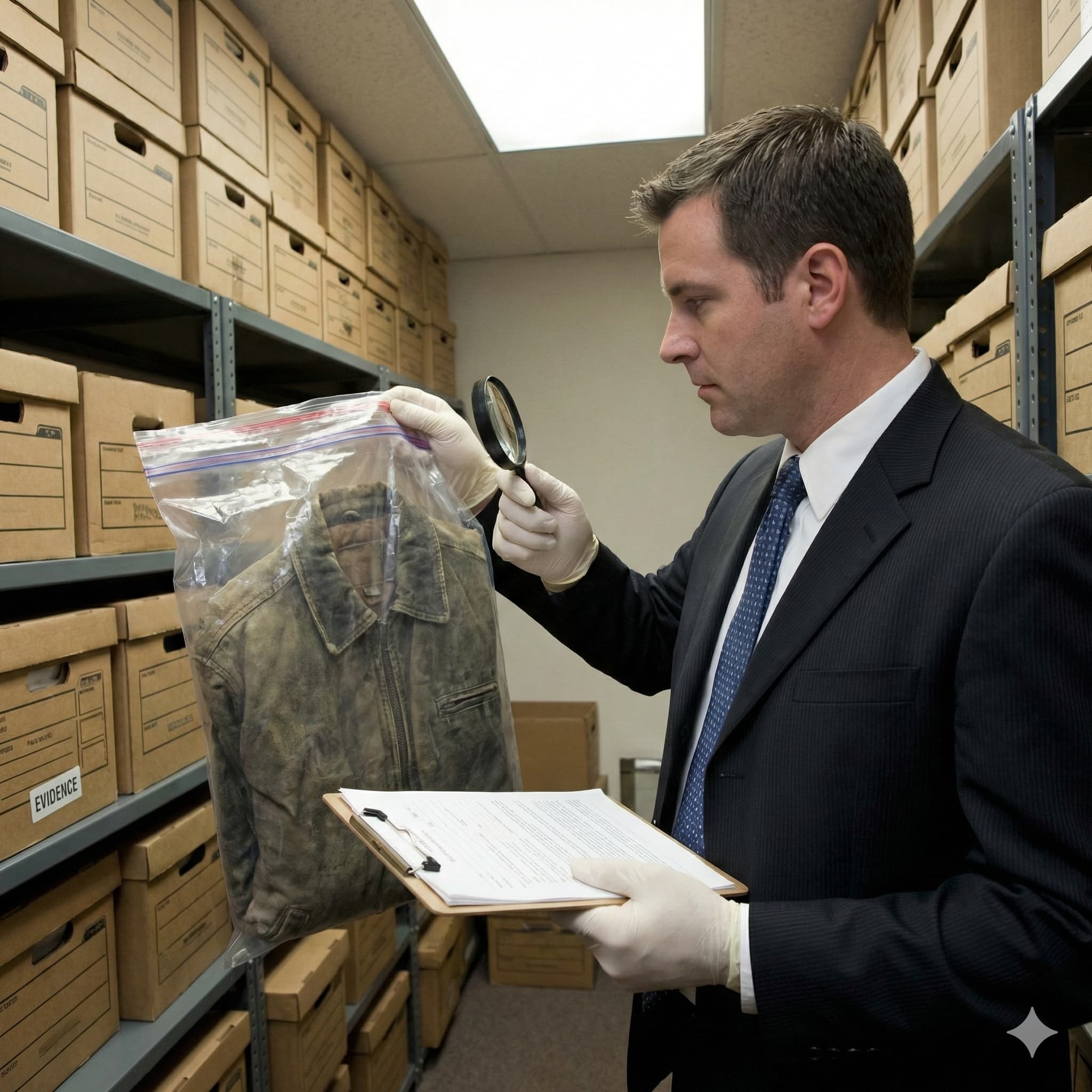
How Hands-On Evidence Review Can Expose Fatal Flaws in the State’s Case
| Key Takeaway Photographs and lab reports only tell part of the story. A defense attorney who personally inspects the physical evidence—examining how items were collected, stored, and handled—may discover contamination issues, chain of custody problems, or storage conditions that undermine the State’s entire case. In capital cases especially, this hands-on review can mean the difference between life and death. |
The Importance of Hands-On Evidence Review
In serious criminal cases, the State’s evidence can seem overwhelming on paper. Lab reports show DNA matches. Forensic analysts provide confident conclusions. Police reports document careful evidence collection. However, paper tells only part of the story.
After 25+ years of criminal defense experience, I have learned that what happens between evidence collection and laboratory analysis matters enormously. How were items packaged? Where were they stored? What other evidence shared the same container? Only by going to the evidence room and examining the physical items yourself can you answer these questions.
Unfortunately, many attorneys never conduct this critical review. Instead, they rely on discovery documents and lab reports, seeing the actual evidence for the first time at trial. By then, it is too late to challenge storage conditions, contamination issues, or chain of custody problems that could have changed everything.
What Paper Discovery Misses
Discovery documents provide essential information: police reports, witness statements, lab results, and photographs. Nevertheless, they cannot show you how officers actually handled and stored evidence. For example, a lab report might confirm a DNA match, but it will not reveal that analysts stored the DNA sample in the same container as other biological evidence from the case.
Similarly, crime scene photographs document what investigators found, but they cannot reveal what happened to that evidence over years or decades in storage. Consequently, only a personal inspection can uncover these critical details.
Paper Discovery vs. Physical Evidence Inspection
| What Paper Shows | What Physical Inspection Reveals |
| Lab results and conclusions | How technicians stored samples before testing |
| Chain of custody signatures | Actual storage conditions and containers |
| Evidence collection reports | Whether officers stored items together |
| Photographs of evidence | Current condition and any degradation |
| Inventory lists | Packaging integrity and contamination risks |
How I Conduct Evidence Reviews
When a case involves physical evidence that could determine my client’s fate, I schedule time at the law enforcement evidence room to conduct a thorough inspection. This is not a quick visit. Depending on the volume of evidence, a comprehensive review can take hours or even a full day.
Timing the Evidence View
I typically conduct evidence inspections close to trial so the details remain fresh in my mind during cross-examination and closing argument. However, I never wait until the eve of trial. If the inspection reveals problems—contamination issues, storage failures, chain of custody gaps—I need time to file motions, retain experts, and adjust trial strategy accordingly.
Who Attends the Evidence Review
I bring my investigator, a camera, and a notepad to every evidence view. In capital cases, my trial partner attends as well because two sets of eyes are essential when a client’s life is at stake. Additionally, the lead detective or evidence custodian is typically present. My team photographs every item and documents every storage container. Furthermore, we record detailed notes that can later support motions to suppress or exclude evidence.
What I Look For During Inspection
The goal is to identify anything that could undermine the reliability of the State’s evidence. First, I examine storage conditions: Did technicians keep biological evidence at proper temperatures? Second, I check packaging: Did officers place items that should remain separate in the same container? Third, I assess handling: Do the items show signs of tampering, degradation, or contamination?
Critical Areas to Examine During Evidence Inspection
| Evidence Type | What to Inspect | Potential Issues |
| Biological (DNA, blood) | Storage temperature, container integrity | Degradation, cross-contamination |
| Clothing/fabric | Packaging, proximity to other items | Transfer contamination |
| Weapons | Condition, handling marks | Tampering, misidentification |
| Digital devices | Storage conditions, access logs | Data alteration, improper handling |
| Drug evidence | Weight documentation, packaging seals | Loss, substitution, contamination |
| Critical Warning: Evidence Can Disappear or Degrade Physical evidence does not last forever. Biological samples degrade over time. Items get lost, mislabeled, or destroyed pursuant to retention policies. Therefore, if your attorney waits until trial to examine evidence, it may no longer exist or may have deteriorated beyond usefulness. Early evidence inspection is essential. |
Case Study: The Cold Hit DNA Case
This capital case from my files demonstrates why evidence inspection can be case-changing—and potentially life-saving. The State sought the death penalty against my client based on DNA evidence from a homicide that occurred more than twenty years earlier.
The State’s Evidence
A “cold hit” had linked my client to the decades-old crime. Investigators found a cigarette butt at the original crime scene, and when DNA from that cigarette was eventually run through the CODIS database, it came back to my client. He was already on death row for a separate homicide, making him an easy target for this cold case.
How Cold Hits Work: DNA Amplification Technology
DNA testing technology has improved immensely over the past few decades. Modern techniques can extract genetic material from even the smallest biological samples. Through a process called amplification, forensic scientists add reagents to the sample that “amplify” or increase the visibility of the DNA profile.
As a result, cold hits on cases from twenty or thirty years ago have become increasingly common. A tiny amount of biological material—such as saliva on a cigarette butt or skin cells on a doorknob—can now yield a usable DNA profile. In other words, evidence that was insufficient for testing decades ago can now generate matches through CODIS.
On paper, the case against my client looked strong. The prosecution had DNA evidence from modern amplification technology and a defendant already convicted of murder. Consequently, they felt confident.
The Evidence Room Visit
Because this was a capital case, my trial partner and I scheduled a full day at the police department evidence room. Our investigator joined us with a camera and notepad, and the lead detective was present as we methodically examined every piece of evidence.
Together, we documented how officers had stored each item over the past two decades. Our team photographed containers, recorded storage locations, and noted which items shared packaging. Although the process was tedious, it was essential. Then we found it.
The Critical Discovery
| What We Found in the Evidence Room The cigarette butt—the sole piece of evidence linking my client to this crime—sat in the same box as the rape kit from the victim. For over twenty years, officers had stored these two pieces of biological evidence together in the same container. Consequently, DNA from the rape kit could have contaminated the cigarette butt, or vice versa. This storage arrangement fundamentally compromised the integrity of the State’s key evidence. |
The Daubert Motion
Armed with photographs and documentation from our evidence room visit, I filed a Daubert motion challenging the admissibility of the DNA evidence. Under Daubert, scientific evidence must meet reliability standards before a court can admit it. Evidence that officers stored in a manner that creates contamination risks fails this standard.
The motion detailed exactly what we found: two pieces of biological evidence, both critical to the case, stored together for decades. Any competent forensic expert would acknowledge that this storage method created an unacceptable risk of cross-contamination.
The Result
| Case Result: Capital Murder – Cold Hit DNA The State sought the death penalty based on a DNA cold hit from a cigarette butt found at a decades-old crime scene. Modern amplification technology had extracted a usable profile from the tiny biological sample. The defendant was already on death row for a separate homicide. During a full-day evidence room inspection, the defense team—lead counsel, trial partner, and investigator—discovered that the cigarette butt and the victim’s rape kit had been stored in the same container for over twenty years, creating serious contamination concerns. A Daubert motion challenged the reliability of the DNA evidence. Result: Prosecution withdrew the death penalty. |
Why Many Attorneys Skip Evidence Inspection
Conducting a thorough evidence review takes time—hours or even days that many attorneys are unwilling or unable to invest. Furthermore, scheduling access to evidence rooms requires coordination with law enforcement. The work itself is tedious: opening boxes, photographing containers, and recording observations.
As a result, too many “trial” attorneys see the physical evidence for the first time when it appears in the courtroom. By then, the opportunity to challenge storage conditions, contamination issues, or chain of custody problems has passed. Consequently, the jury sees the evidence without ever learning about problems that a thorough inspection would have revealed.
When Failing to Inspect Evidence Is Ineffective Assistance
Defense attorneys have a constitutional obligation to investigate their client’s case. When physical evidence is central to the prosecution—such as DNA, fingerprints, drugs, or weapons—failing to personally inspect that evidence can constitute ineffective assistance of counsel.
Consider the cold hit case above. If I had simply accepted the lab report at face value, my client might have received a death sentence based on contaminated evidence. The storage problem only came to light because we spent a full day in the evidence room examining every item. Consequently, an attorney who skipped this step would never have discovered it.
Therefore, if a court convicted you based on physical evidence that your attorney never personally examined, you may have grounds for post-conviction relief. An experienced appellate attorney can evaluate whether the failure to inspect evidence prejudiced your defense.
Frequently Asked Questions
Questions About Evidence Inspection
An evidence view is a scheduled examination of physical evidence at the law enforcement evidence room. During this inspection, the defense attorney—often accompanied by an investigator—personally examines each item of evidence, photographs storage conditions, and documents how officers packaged and stored the items.
Duration depends on the volume of evidence. Simple cases might require only a few hours. However, complex cases with extensive physical evidence—particularly capital cases or cases involving multiple crime scenes—can require a full day or longer.
Questions About Contamination and Storage
Contamination can occur when officers store biological evidence items together, when technicians handle items without proper precautions, or when storage conditions allow degradation or transfer of material between items. In fact, even something as simple as placing two items in the same box can create contamination concerns.
A Daubert motion challenges the admissibility of scientific evidence by arguing that it does not meet reliability standards. If evidence storage created contamination risks, a Daubert motion can argue that the resulting lab results are unreliable and should therefore be excluded from trial.
Questions About Working With Your Attorney
Absolutely. If physical evidence plays a significant role in your case—such as DNA, drugs, weapons, or fingerprints—ask your attorney whether they plan to personally examine that evidence. An attorney who plans to rely solely on lab reports and photographs may be missing critical issues that could help your defense.
Any case where physical evidence is central to the prosecution benefits from inspection. This includes DNA cases, drug trafficking cases, weapons charges, sexual assault cases, and homicides. Capital cases especially require thorough evidence review given the life-or-death stakes involved.
Questions About Appeals and Post-Conviction Relief
Yes. If your attorney failed to examine physical evidence and that failure affected your case outcome, it may constitute ineffective assistance of counsel. To succeed, you would need to show that inspection would have revealed problems and that those problems would have changed the result. An experienced appellate attorney can evaluate your specific situation.
Experience in Capital Cases
I am Tampa Criminal Defense Attorney Rocky Brancato. With over 25 years of criminal defense experience, including service as Chief Operations Officer of the Hillsborough County Public Defender’s Office, I understand what thorough case preparation requires. As a death-qualified attorney, I have handled capital cases where the stakes could not be higher.
The cold hit DNA case taught me—and should teach every defendant—that lab reports are not the final word. Physical evidence has a history: collection, transportation, storage, and handling. Problems can arise at any point in that chain. Ultimately, only an attorney willing to spend hours in an evidence room will uncover them.
My client faced the death penalty based on DNA evidence that seemed airtight. Nevertheless, a full day of tedious evidence inspection revealed that improper storage had compromised the State’s key evidence. That discovery saved his life.
Call (813) 727-7159 for a Confidential Consultation
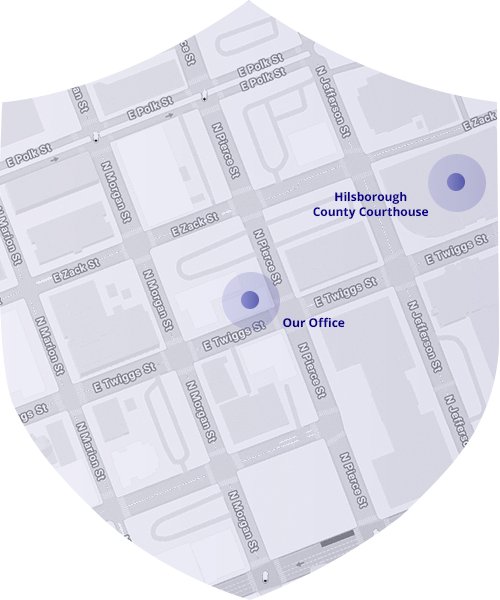
620 E. Twiggs Street, Suite 205, Tampa, FL 33602
Serving Hillsborough, Pinellas, and Pasco Counties
Related:
Tampa Criminal Forensic Science Attorney
Visit Us
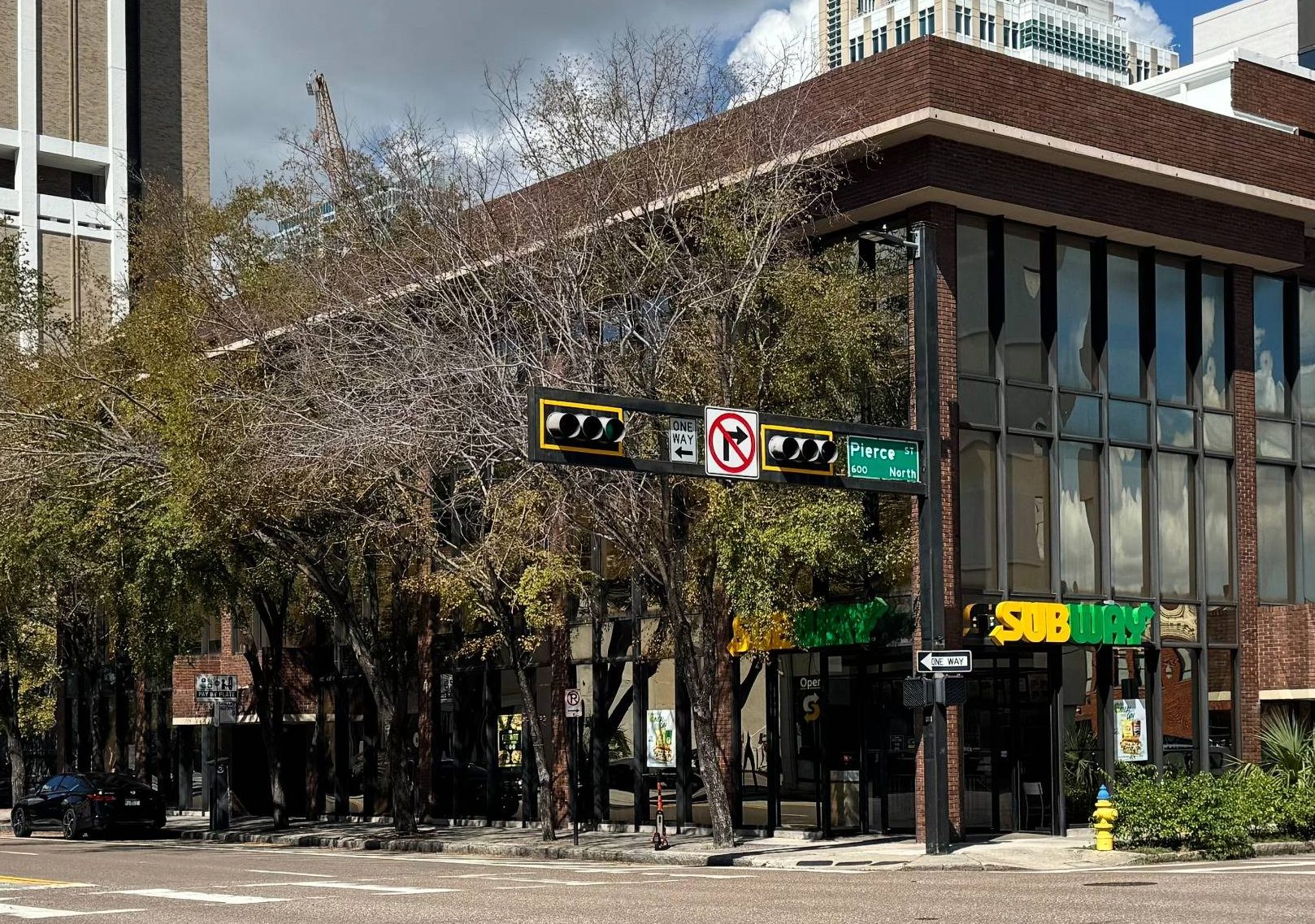
Suite #205
Tampa, FL 33602
Contact Us Now
Free Legal Consultation (813) 727-7159