- Free Consultation 24/7: (813) 727-7159 Tap Here To Call Us




Why Death Penalty Qualification Matters



Even If Your Case Isn’t Capital, This Credential Changes Everything
| Fewer than 10 attorneys in Tampa hold death-penalty qualification under Florida Rule 3.112 |
If you’re facing criminal charges in Tampa Bay, you’re fighting for your future. Whether the accusation involves DUI, aggravated assault, or a serious felony like sexual battery, you cannot afford to take chances. You need the highest level of representation available.
That’s why hiring a death-penalty qualified criminal defense lawyer matters—even if your case isn’t capital.
A death-penalty qualified attorney has proven, through courtroom performance and specialized training, that they can handle cases where a person’s life is literally on the line. This credential represents not just experience, but elite preparation and the ability to perform under the most extreme pressure imaginable. An Experienced Tampa Homicide Attorney can be your best defense no matter what you are charged with.
What Death-Penalty Qualification Requires
| Requirement | What It Means |
| Florida Rule 3.112 | Must meet Florida’s strict standards for capital defense—verified trial experience, specialized training, judicial approval |
| Trial Experience | Demonstrated ability to try serious felony cases—not just negotiate pleas |
| Specialized Training | Advanced capital-defense instruction designed for elite practitioners—ongoing requirement |
| Judicial Approval | Chief judge must certify qualification—not self-declared |
| Continuing Education | Must maintain qualification through ongoing advanced training—not one-time certification |
Elite Training, Extreme Readiness
Consider the military. Every Marine is a fighter—one of the few, the proud. But even within the military, there are those who operate at another level: Navy SEALs, Army Rangers, Air Commandos. Training in conditions that would break most people teaches them to stay calm when everything is on the line. Instead of merely enduring pressure, they learn to master it.
Navy SEALs don’t wait for the enemy to attack. They parachute in under cover of darkness, striking first with precision and purpose. They neutralize key threats, dismantle enemy defenses, and secure critical ground before the larger force arrives. By shaping the battlefield in advance, they create conditions for a controlled, decisive victory—rather than a desperate fight for survival.
That same mindset defines a death-penalty qualified attorney. Courtroom experience alone isn’t enough. A death-qualified lawyer completes advanced instruction designed for elite practitioners—training that sharpens timing, judgment, and control. The courtroom becomes their proving ground, where focus and strategy must hold steady through the chaos of real trials.
Why This Matters for Non-Capital Cases
A capital trial is the most demanding battlefield in criminal law. It requires mastery of complex evidence, expert coordination, and composure in front of juries deciding between life and death. Once an attorney has performed under that level of scrutiny, every other case—from DUI to first-degree murder—benefits from the same preparation and control.
A death-penalty qualified lawyer approaches each case like a commander preparing for battle:
- Gather intelligence—investigate facts the State hasn’t examined
- Identify weak points—find vulnerabilities in the prosecution’s case
- Plan the strike—develop offensive strategy, not just defensive reactions
- Control the field—shape the battlefield before the first witness takes the stand
Reactive lawyers wait for the State to act. Proactive, death-qualified lawyers shape the terrain long before trial begins.
Frequently Asked Questions
What does “death penalty qualified” mean?
It means the attorney has met Florida’s strict standards under Rule 3.112 of the Florida Rules of Criminal Procedure—proving extensive trial experience, specialized capital-defense training, and judicial approval. It’s the highest level of courtroom readiness a criminal defense lawyer can achieve.
Why hire a death-penalty qualified attorney for a non-capital case?
The same skills that save lives in capital cases can protect your freedom in any serious felony. Death-qualified lawyers bring superior strategy, discipline, and composure under pressure to every courtroom battle—whether the charge is DUI, assault, or murder.
How many death-penalty qualified attorneys are in Tampa?
Fewer than ten. This rare qualification places an attorney among the top tier of criminal defense practitioners in Florida.
Is death-penalty qualification permanent?
No. It requires continued education and demonstrated courtroom performance. Death-qualified lawyers must regularly complete advanced capital-defense training to maintain their qualification—it’s not a one-time certification.
How can I verify if an attorney is death-penalty qualified?
Ask directly, or verify through the chief judge’s office in the judicial circuit. Only attorneys formally approved under Rule 3.112 are permitted to serve as lead counsel in death-penalty cases.
What’s the best question to ask when hiring a criminal defense lawyer?
Ask whether they’re qualified to handle death-penalty cases. Even if your charge isn’t capital, that answer reveals whether your lawyer is part of the small group trusted to perform under the most extreme conditions.
When You Can’t Afford to Lose
When your freedom, family, or future is at risk, you need more than a lawyer who “handles criminal cases.” You need someone who has lived through the highest stakes imaginable—someone who is both aggressive and strategic, experienced and trial-tested.
My death-penalty qualification isn’t reserved for capital defense. It’s the foundation of how I practice. Every client receives the same preparation, intensity, and foresight used in life-and-death litigation.
Before you hire an attorney, ask them if they are death qualified.
Call (813) 727-7159 for a Confidential Consultation
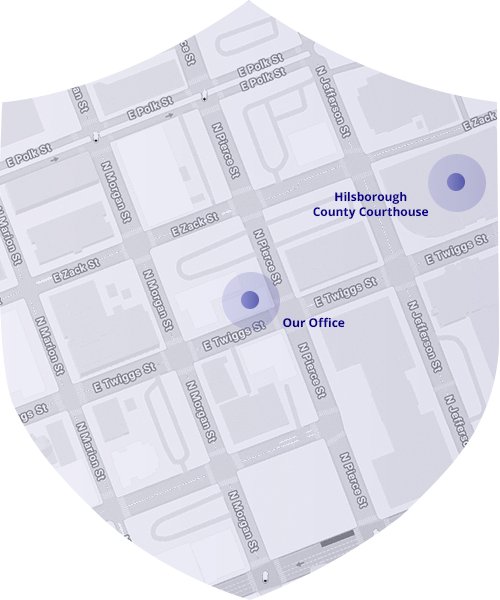
620 E. Twiggs Street, Suite 205, Tampa, FL 33602
Located 2 blocks from the Hillsborough County Courthouse
Visit Us

Suite #205
Tampa, FL 33602
Contact Us Now
Free Legal Consultation (813) 727-7159