- Free Consultation 24/7: (813) 727-7159 Tap Here To Call Us




Why Your Criminal Defense Attorney Must Visit the Crime Scene


How a Simple Site Visit Can Uncover Evidence That Wins Cases
| Key Takeaway Police often arrest based on probable cause without collecting all available evidence. A defense attorney who personally visits the crime scene may discover surveillance cameras, witness locations, lighting conditions, or physical evidence that the police overlooked. This independent investigation can make the difference between conviction and acquittal—even when the video evidence itself is no longer available. |
The Power of Independent Investigation
Many criminal cases come down to one person’s word against another’s. In these “he said, she said” situations, the prosecution relies on witness testimony while the defense challenges credibility. But what if objective evidence existed that could settle the matter conclusively?
After 25+ years of criminal defense experience, I have learned that this evidence often exists. Police frequently fail to collect it, however. Crime scene investigation therefore plays a critical role in case preparation.
A thorough site inspection can reveal surveillance cameras, identify potential witnesses, expose problems with the prosecution’s timeline, and uncover physical evidence that contradicts the alleged victim’s story. When police fail to collect readily available evidence, that failure itself becomes powerful ammunition at trial.
The Gap Between Arrest and Conviction
Understanding the different legal standards is essential. Police only need probable cause to make an arrest—a relatively low threshold that simply requires reasonable grounds to believe a crime occurred. Officers can arrest someone based solely on an alleged victim’s statement, without investigating further.
At trial, however, the State must prove guilt beyond a reasonable doubt. Our legal system considers this the highest standard. An officer might have enough to arrest someone, but without thorough investigation, the State may lack what it needs to convict.
Legal Standards: Arrest vs. Conviction
| Standard | When Applied | What It Requires |
| Probable Cause | Arrest | Reasonable grounds to believe a crime occurred |
| Beyond a Reasonable Doubt | Trial/Conviction | No reasonable doubt of guilt in juror’s mind |
| Preponderance of Evidence | Civil cases (comparison) | More likely than not (51%) |
A skilled Tampa criminal defense attorney exploits this gap by highlighting evidence the police should have gathered but did not.
When and How I Investigate Crime Scenes
My approach to crime scene investigation depends on the stage of the case and what is at stake. In disputed fact cases where evidence preservation is critical, I may send an investigator early to document the scene and identify surveillance cameras before footage gets overwritten. When a case heads to trial, however, I personally visit the scene myself.
Why I Go Personally Before Trial
Walking the scene before trial serves multiple purposes. First, it allows me to become intimately familiar with the location—the distances, the sightlines, the layout. This familiarity gives me confidence during cross-examination because I know exactly what I am talking about.
Second, the officer on the stand will know I have been there. Many attorneys never visit the crime scene, and officers grow accustomed to that. When they realize the defense attorney has personally inspected the location, it changes the dynamic. They cannot exaggerate distances, misremember layouts, or gloss over details.
Using Technology Before the Visit
Before physically visiting a scene, I often use Google Street View to familiarize myself with the area. This tool can show building layouts, potential camera locations, and the general environment. While Street View images may be outdated, they provide a valuable starting point and help me know what to look for when I arrive in person.
| Critical: Tell Your Attorney About Surveillance Cameras Immediately If you know there are surveillance cameras at the location where you were arrested, tell your attorney when you hire them. Your attorney can send a preservation letter to the property owner demanding they retain the footage. Surveillance video typically gets overwritten within 7-30 days. Once erased, no one can recover it. This single piece of information could save your case. |
Case Study: The Community Pool Battery Case
This case from my files illustrates why crime scene visits matter—and why acting quickly to preserve evidence is so critical. I took over the defense of a client charged with battery after another attorney had been handling the case for some time. On paper, this case looked difficult.
The incident occurred at a local community pool. An alleged victim claimed my client hit him, and an eyewitness corroborated his account. Nevertheless, I believed my client was innocent and was determined to prove it.
The Prosecution’s Witnesses
At trial, the State presented two witnesses. First, the alleged victim testified that my client struck him during a verbal dispute in the pool’s parking lot. Then a female eyewitness who observed the confrontation from a distance testified that she saw my client swinging his arms and yelling before the alleged victim fell.
Our Defense: The Victim Lied, The Witness Was Mistaken
My client admitted there was a heated argument. He acknowledged raising his voice and gesturing emphatically. However, he insisted he never touched the alleged victim.
Forgive me if this offends you, but in the courtroom, we do not always have the luxury of being politically correct. With my client’s permission, I explained to the jury that my client is Hispanic and, like many people from Hispanic cultures, he speaks with his hands and can be animated during disputes. What the eyewitness interpreted as punching was simply passionate gesturing during an argument.
Admittedly, this defense required the jury to believe my client over two prosecution witnesses. Standing alone, it might not have been enough. But I had an ace up my sleeve.
What I Found at the Scene
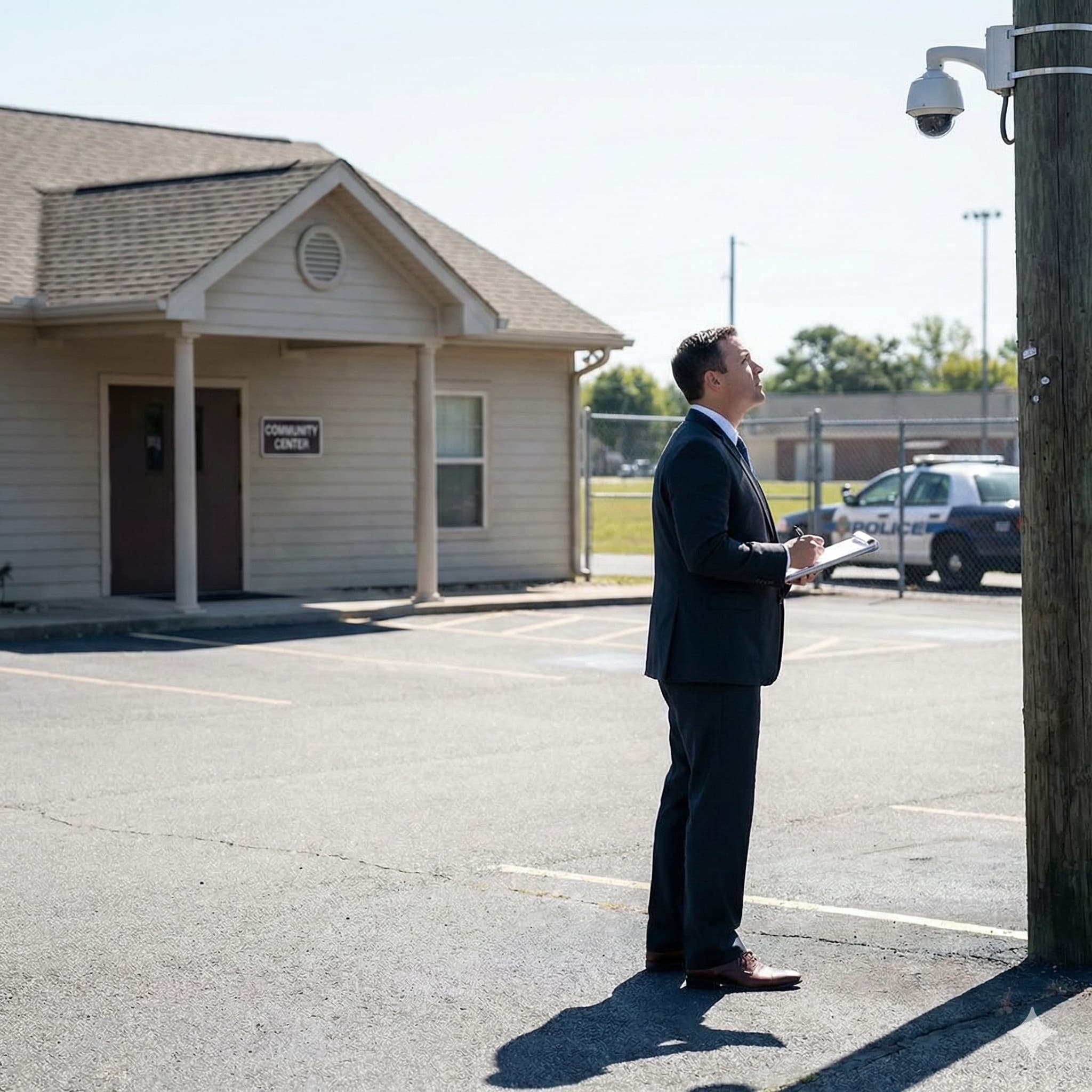
Before trial, I drove out to the community pool and walked the parking lot where the alleged battery occurred. After photographing the area from multiple angles, I found exactly what I suspected: surveillance cameras mounted on poles and building corners throughout the parking lot, with clear sightlines to where the incident occurred.
By the time I took over the case, the video had long since been recorded over. Neither the police nor the previous attorney had preserved it. But the cameras were still there—and that fact became the centerpiece of my cross-examination.
The Cross-Examination That Won the Case
| Officer, you respond to thousands of cases a year and testify regularly in court. One of your jobs is to collect evidence. Would you agree that objective evidence helps in ‘he said, she said’ cases? And you know that video evidence can be very convincing to juries? I turned to the jury: Video evidence can sometimes show a jury conclusively whether someone is guilty. Conversely, it can also show when a person is NOT guilty. Officer, you know that probable cause is all you need to arrest someone—a low standard. But the State must prove guilt beyond a reasonable doubt at trial. One of your jobs is to help the State meet its burden by gathering evidence. Now, you work the area where this pool is located. You are aware there are video cameras facing the parking lot? [Officer could not recall.] Let me show you Defense Exhibit One—photographs I took of the parking lot. Do these refresh your memory? There ARE video cameras. And you did not collect that video evidence. So now this jury cannot see conclusively what happened. |
The Verdict
| Case Result: Battery Charge A client faced battery charges based on testimony from an alleged victim and an eyewitness. Our defense argued that the victim fabricated the assault and the eyewitness misinterpreted animated gesturing during an argument. By the time new counsel took over, surveillance footage had already been recorded over. However, a personal visit to the crime scene revealed cameras that police never checked. Cross-examination exposed the officer’s failure to collect video evidence that could have shown conclusively what happened. Result: Not Guilty. |
Why Police Often Fail to Collect Evidence
This case illustrates a frustrating reality: police frequently skip thorough investigations before making arrests. Officers handle enormous caseloads and face pressure to clear calls quickly. Once they have probable cause to arrest, many consider their job done.
Some officers also develop tunnel vision, focusing on evidence that supports the alleged victim while ignoring evidence that might exonerate the defendant.
Evidence Police Commonly Overlook
| Evidence Type | Where Found | How It Helps Defense |
| Surveillance Video | Businesses, parking lots, ATMs, traffic cameras | Shows what actually happened |
| Witness Locations | Sightlines, distances, obstructions | Challenges witness credibility |
| Lighting Conditions | Time of day, street lights, shadows | Questions identification accuracy |
| Physical Layout | Distances, barriers, escape routes | Tests prosecution’s timeline |
| Environmental Factors | Weather, noise levels, distractions | Explains witness mistakes |
When Failing to Investigate Is Ineffective Assistance
Defense attorneys have a constitutional obligation to provide effective representation. When an attorney fails to visit a crime scene and that failure affects the outcome, it can constitute ineffective assistance of counsel.
If evidence at the scene would have made a difference—surveillance footage, witness vantage points, physical impossibilities in the prosecution’s theory—the attorney’s failure to discover it may support an appeal or post-conviction relief. Thorough investigation is not optional in serious cases; it is part of the minimum standard of competent representation.
What an Effective Crime Scene Visit Includes
When visiting a crime scene, I approach it systematically. First, I photograph everything—the location, surrounding buildings, potential camera locations, sightlines, and any physical evidence. Then I identify potential witnesses by canvassing nearby businesses and residences.
Most importantly, I assess the prosecution’s version of events against the physical reality of the scene. Does their timeline make sense? Could witnesses really see what they claim? Are there inconsistencies between the police report and the actual layout? This meticulous approach has helped me win cases that initially seemed unwinnable.
Frequently Asked Questions
Questions About Police and Evidence Collection
Officers handle heavy caseloads and often make arrests based on probable cause without conducting exhaustive investigations. Once they believe they have enough evidence for an arrest, many move on to their next call. Some simply do not think to check for surveillance cameras, particularly in locations that do not obviously have security systems.
Most businesses overwrite surveillance footage within 7 to 30 days. Contact a criminal defense attorney immediately after an arrest so that preservation letters can go out before the footage disappears. Once overwritten, video evidence cannot be recovered.
Questions About Working With Your Attorney
If you know there are surveillance cameras at the arrest location, tell your attorney immediately. This allows your attorney to send a preservation letter before footage gets erased. Also share details about the layout, lighting, witnesses who may have been present, or anything else that might help your defense.
While you can visit public locations, having your attorney or a professional investigator conduct the investigation works better. An attorney knows what to look for, how to properly document findings, and how to preserve evidence for trial. Anything you discover may need authentication through proper legal channels to be admissible.
Questions About Choosing a Defense Attorney
Unfortunately, no. Many attorneys rely solely on police reports and never conduct independent investigations. This approach can miss critical evidence that could lead to acquittal. When choosing a criminal defense attorney, ask about their investigation practices and whether they personally visit crime scenes in trial cases.
Any case where the location matters can benefit from a site visit: battery and assault charges, DUI cases involving accident reconstruction, robbery and theft charges, domestic violence allegations, and eyewitness identification cases. If the prosecution’s case depends on what happened at a specific location, visiting may reveal helpful evidence.
Questions About Appeals and Post-Conviction Relief
Yes. If your attorney failed to visit a crime scene and that failure affected the outcome of your case, it may constitute ineffective assistance of counsel. To succeed, you would need to show that the attorney’s performance was deficient and that the deficiency prejudiced your defense. An experienced appellate attorney can evaluate whether you have grounds for post-conviction relief.
Experience Makes the Difference
With over 25 years of criminal defense experience, including service as Chief Operations Officer of the Hillsborough County Public Defender’s Office, I have learned that thorough preparation wins cases. Police mistakes, overlooked evidence, and incomplete investigations create opportunities for the defense. Only an attorney who conducts an independent investigation will find them. Tampa Criminal Defense Attorney Rocky Brancato leaves no stone unturned.
The battery case at the community pool could have ended in conviction if I had simply accepted the police report at face value. By the time I took over, the video was long gone. But a simple drive to the scene and a few photographs exposed a critical failure in the investigation.
The jury understood that if video evidence had existed and no one—not the police, not the previous attorney—bothered to preserve it, they could not be certain beyond a reasonable doubt that my client was guilty.
Call (813) 727-7159 for a Confidential Consultation
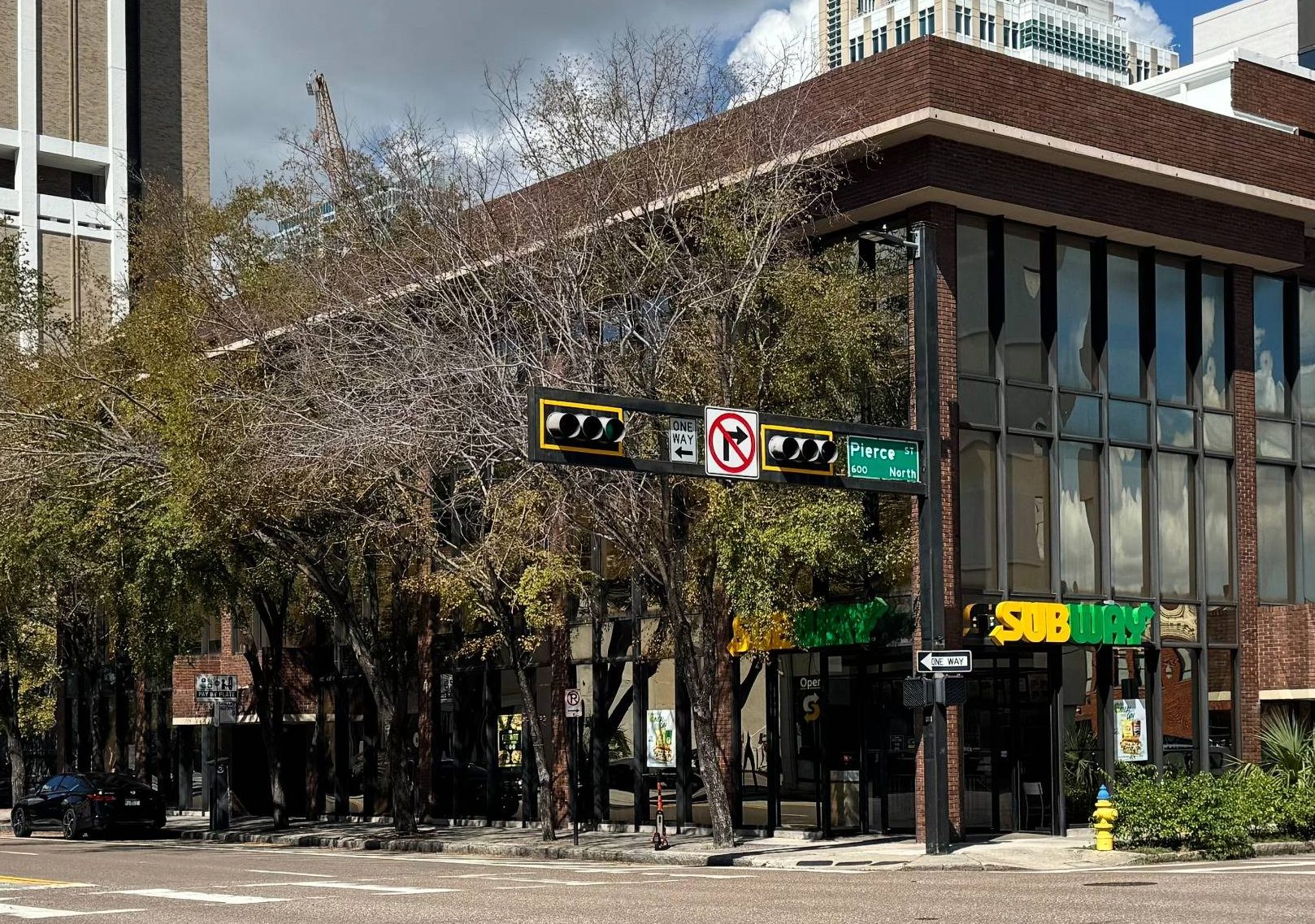
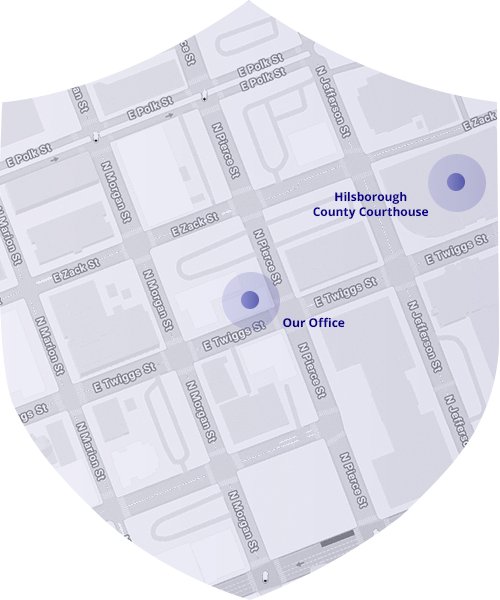
620 E. Twiggs Street, Suite 205, Tampa, FL 33602
Serving Hillsborough, Pinellas, and Pasco Counties
Related:
Tampa Criminal Defense Attorney
Tampa Police Mistakes Can Lead to Case Dismissal
Visit Us
Suite #205
Tampa, FL 33602
Contact Us Now
Free Legal Consultation (813) 727-7159