- Free Consultation 24/7: (813) 727-7159 Tap Here To Call Us




Battery Charges in Florida: What You Need to Know


Understanding Florida’s battery laws, types of charges, penalties, and defenses
| ✓ THE SHORT ANSWER Battery in Florida is the intentional touching or striking of another person against their will, or intentionally causing bodily harm. Unlike assault (which is a threat), battery requires actual physical contact. Penalties range from up to 1 year in jail for simple battery to 15 years in prison for aggravated battery. |
What Is Battery in Florida?
Under Florida Statute § 784.03, battery occurs when a person:
- Actually and intentionally touches or strikes another person against their will, OR
- Intentionally causes bodily harm to another person
The key word is intentional. Accidentally bumping into someone in a crowd is not battery. But pushing someone during an argument—even without causing injury—can be.
| BATTERY VS. ASSAULT: WHAT’S THE DIFFERENCE? Many people confuse these terms, but they are distinct crimes in Florida: Assault: A threat of violence that creates a well-founded fear. No physical contact required. Battery: Actual physical contact or causing bodily harm. Requires touching or striking. You can be charged with both assault AND battery for the same incident if you threatened someone and then made physical contact. |
Types of Battery Charges in Florida
Florida recognizes several types of battery, each with different penalties based on the severity of the offense.
| Type | Classification | Maximum Penalty |
| Simple Battery | 1st Degree Misdemeanor | Up to 1 year jail, $1,000 fine |
| Felony Battery | 3rd Degree Felony | Up to 5 years prison, $5,000 fine |
| Aggravated Battery | 2nd Degree Felony | Up to 15 years prison, $10,000 fine |
| Domestic Battery | 1st Degree Misdemeanor | Up to 1 year jail + cannot expunge |
| Battery on LEO | 3rd Degree Felony | Up to 5 years prison, $5,000 fine |
Simple Battery
Simple battery is the most common battery charge. It applies when there is intentional, unwanted physical contact but no serious injury. Examples include pushing, slapping, grabbing, or throwing an object at someone.
Felony Battery
Under Florida Statute § 784.041, battery becomes a felony when it causes great bodily harm, permanent disability, or permanent disfigurement. This elevates the charge from a misdemeanor to a third degree felony.
Aggravated Battery
Under Florida Statute § 784.045, aggravated battery occurs when the defendant:
- Uses a deadly weapon, OR
- Causes great bodily harm, permanent disability, or disfigurement, OR
- Batters a person the defendant knew or should have known was pregnant
Aggravated battery is a second degree felony—a very serious charge that can result in up to 15 years in prison.
Domestic Battery
Under Florida Statute § 784.03, when battery occurs between family or household members, it is charged as domestic battery. While still a first degree misdemeanor, domestic battery carries special consequences:
| ⚠ DOMESTIC BATTERY: SPECIAL CONSEQUENCES • Cannot be sealed or expunged – A domestic battery conviction stays on your record permanently • Batterer’s intervention program – 29-week program typically required • Firearm prohibition – Federal law prohibits firearm possession after conviction |
Battery on Law Enforcement Officer
Under Florida Statute § 784.07, battery on a law enforcement officer, firefighter, EMT, or other protected person is automatically a third degree felony—even if the contact would otherwise be simple battery.
Protected persons include:
- Law enforcement officers, correctional officers, and probation officers
- Firefighters and EMTs/paramedics
- Security guards, transit employees, and code inspectors
- Hospital and healthcare personnel (in certain circumstances)
The State must prove you knew or should have known the victim was a protected person engaged in their official duties.
What the State Must Prove
To convict you of battery, the prosecutor must prove each element beyond a reasonable doubt:
- Intent: You intended to touch or strike the person (accidental contact is not battery)
- Contact: You actually touched, struck, or caused harm to the person
- Against their will: The contact was non-consensual
If the prosecution cannot prove any one of these elements, you cannot be convicted of battery.
Defenses to Battery Charges
Several defenses may apply depending on the circumstances of your case:
| COMMON DEFENSES TO BATTERY Self-Defense: You reasonably believed force was necessary to protect yourself from imminent harm. Florida’s Stand Your Ground law may apply. Defense of Others: You used reasonable force to protect another person from harm. Lack of Intent: The contact was accidental, not intentional. You didn’t mean to touch or strike the person. Consent: The alleged victim consented to the contact (common in sports or mutual combat situations). False Accusation: The alleged victim is lying or exaggerating, often seen in domestic disputes or custody battles. |
Frequently Asked Questions
What is the penalty for battery in Florida?
Simple battery is a first degree misdemeanor punishable by up to 1 year in jail and a $1,000 fine. Felony battery carries up to 5 years in prison, and aggravated battery carries up to 15 years.
What’s the difference between battery and assault?
Assault is a threat of violence that creates fear; no physical contact is required. Battery requires actual physical contact—touching, striking, or causing harm.
Can battery charges be dropped?
The alleged victim cannot “drop charges”—only the prosecutor can dismiss a case. However, if the victim recants or refuses to cooperate, the State may have difficulty proving the case. An attorney can negotiate with prosecutors for dismissal or reduced charges.
Is battery a felony in Florida?
Simple battery is a misdemeanor. However, battery becomes a felony if it causes great bodily harm (felony battery), involves a deadly weapon or pregnant victim (aggravated battery), or is committed against a law enforcement officer or other protected person.
Can I claim self-defense for a battery charge?
Yes. If you reasonably believed force was necessary to protect yourself from imminent harm, self-defense may be a complete defense. Florida’s Stand Your Ground law eliminates the duty to retreat before using force.
What is domestic battery in Florida?
Domestic battery is battery committed against a family or household member. While still a misdemeanor, it carries special consequences: the conviction cannot be sealed or expunged, and you will lose the right to possess firearms under federal law.
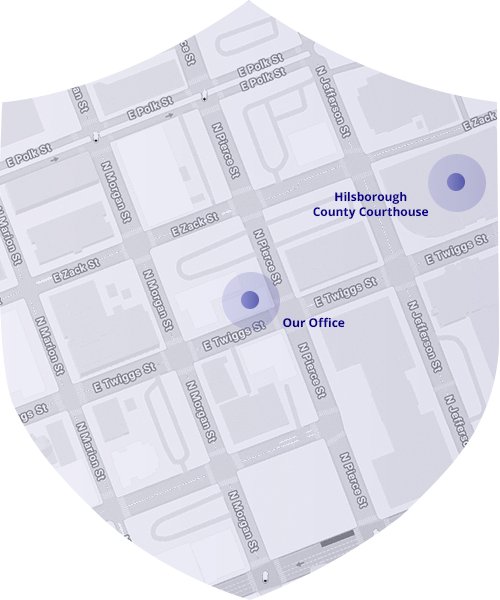
| Facing Battery Charges? A battery charge can result in jail time, fines, and a permanent criminal record that affects your employment, housing, and future. You need an experienced criminal defense attorney who can evaluate the evidence, identify defenses, and fight for the best possible outcome. Call (813) 727-7159 for a Confidential Consultation The Brancato Law Firm, P.A. 620 E. Twiggs Street, Suite 205, Tampa, FL 33602 |
| ABOUT ATTORNEY ROCKY BRANCATO With over 25 years of criminal defense experience, Tampa, Attorney Rocky Brancato has defended clients facing battery, aggravated battery, and domestic violence charges throughout Hillsborough, Pinellas, and Pasco counties. As former Chief Operations Officer of the Hillsborough County Public Defender’s Office, he understands how prosecutors build these cases—and how to challenge them. |
Related:
Visit Us

Suite #205
Tampa, FL 33602
Contact Us Now
Free Legal Consultation (813) 727-7159