- Free Consultation 24/7: (813) 727-7159 Tap Here To Call Us


From First DUI to Death Penalty



Risk Assessments in Florida Sex Crimes Defense



When facing sexual offense allegations in Tampa, Florida, the outcome of your case can depend on more than just the facts — it can depend on strategy. One of the most effective but often overlooked tools is a risk assessment for sex offenses in Tampa.
Attorney Rocky Brancato, a Tampa sex crimes lawyer with over 25 years of experience and former member of an elite sex crimes unit, has extensive experience using forensic evaluations and risk assessments to influence outcomes in serious criminal cases across Tampa, Hillsborough, Pinellas, and Pasco Counties.
What Is a Risk Assessment in a Sex Crimes Case?
A risk assessment is a structured forensic evaluation that measures the likelihood of a person reoffending. These assessments are typically conducted by forensic psychologists or licensed clinical experts using validated tools and interviews.
In Florida sex crimes cases, a favorable risk assessment can be used to:
- Support plea negotiations,
- Influence sentencing decisions, and
- Reduce the risk of being labeled a sexual predator or even required to register.
Attorney Brancato strategically uses these evaluations to secure reduced charges, alternative sentencing, and—in some cases—non-registerable resolutions for his clients.
Components of a Risk Assessment
A thorough risk assessment involves three key elements:
Validated Actuarial Tools
Scientifically based tests predict recidivism rates and compare an individual’s data to known offender patterns.
Clinical Interviews
In-depth conversations assess the defendant’s personal history, psychological profile, and attitude toward offending.
Case Review
A detailed analysis of the alleged incident, prior record, and mitigating factors provides context for professional judgment.
Key Factors Considered in Risk Assessments
Risk assessors analyze both static (unchangeable) and dynamic (changeable) factors. Among the most significant are:
- Criminal History: Prior sexual or related convictions increase risk.
- Nature of the Alleged Offense: Use of force, coercion, or planning indicates higher risk.
- Age: Older defendants statistically have lower recidivism rates.
- Psychological Stability: Impulse control, mental health, and emotional regulation are critical.
- Relationship History: Living with a long-term partner often lowers assessed risk.
- Victim Relationship: Offenses against strangers carry higher recidivism predictions than those involving known individuals.
- Substance Use: Drug or alcohol involvement may influence risk assessment results.
- Support and Rehabilitation: Family support, stable employment, and therapy participation can reduce perceived risk.
Assessors verify these details through collateral evidence and sometimes use sex offender polygraphs to strengthen their conclusions.
How Risk Assessments Can Strengthen Your Defense
Influencing Plea Negotiations
If the report shows a low likelihood of reoffending, it can persuade prosecutors to offer probation, diversion, or lesser charges.
Impacting Sentencing
Judges in Florida frequently review risk assessments at sentencing. A positive evaluation may help secure alternatives to incarceration such as counseling or treatment programs.
Reducing Long-Term Consequences
A low-risk assessment can be the key to avoiding sex offender registration or harsher supervision conditions, protecting your future employment and reputation.
Why Choose a Tampa Sex Crimes Attorney Who Understands Risk Assessments
Not every defense lawyer knows how to properly use or challenge a risk assessment for sex offenses in Tampa. Rocky Brancato collaborates with forensic experts to ensure evaluations are scientifically sound, strategically timed, and used to your advantage in court or negotiations. His background in Florida’s sex crimes unit provides the insight needed to anticipate prosecutorial tactics and protect clients from the most severe penalties.
Before you hire a sex crimes attorney, download Rocky’s book “How to Choose a Major Crimes Attorney — or Any Criminal Defense Attorney for That Matter,” available free on our website or on Amazon.
If you’re facing sex crime allegations in Tampa or the surrounding Tampa Bay area, contact The Brancato Law Firm, P.A. today at (813) 727-7159.
Frequently Asked Questions About Risk Assessments in Florida Sex Crimes Cases
What is the purpose of a risk assessment?
A risk assessment helps determine how likely a person is to commit another offense. Courts and prosecutors use it to decide whether rehabilitation, probation, or other non-prison options are appropriate.
Who conducts the assessment?
Typically, a forensic psychologist or other licensed expert trained in sex offender risk evaluation performs the assessment using standardized tools and interviews.
Can a risk assessment reduce my sentence?
Yes. A low-risk evaluation can support arguments for probation, treatment programs, or reduced sentencing rather than prison time.
Will the prosecutor see the results?
Your defense attorney controls when and how the assessment is shared. In many cases, it’s used strategically during negotiations or sentencing to achieve a better outcome.
Is a risk assessment worth it if I plan to fight the charges?
Even if you intend to go to trial, a risk assessment can be a valuable backup strategy. If conviction becomes unavoidable, it can help limit penalties and shape post-conviction conditions.
The Brancato Law Firm, P.A.
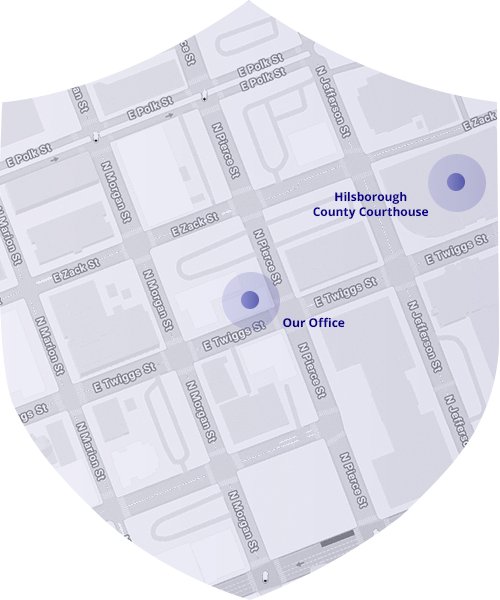
620 E Twiggs Street, Suite 205, Tampa, FL 33602
📞 (813) 727-7159
Serving Tampa, Hillsborough County, Pinellas County, Pasco County, and the entire Tampa Bay area.
Visit Us

Tampa, FL 33602
Contact Us Now
Free Legal Consultation (813) 727-7159