- Free Consultation 24/7: (813) 727-7159 Tap Here To Call Us




Tampa Child Neglect Defense Attorney



Protecting Parents and Caregivers Against Unjust Criminal Accusations in Hillsborough County
Updated January 18, 2026
| Key Takeaway Florida courts have consistently ruled that not every instance of poor judgment or parental negligence rises to the level of criminal child neglect. The prosecution must prove a willful or reckless disregard for a child’s well-being that is likely to result in serious injury. Everyday mistakes, financial hardship, or momentary lapses in supervision do not automatically constitute criminal neglect. |
Child neglect charges in Tampa, Florida, carry significant legal consequences that can devastate families. However, Florida appellate courts have established clear legal boundaries distinguishing criminal neglect from ordinary parental mistakes. As a result, understanding these distinctions is essential for parents and caregivers seeking to protect their rights against unjust accusations. Tampa Attorney Rocky Brancato brings over 25 years of criminal defense experience to child neglect cases, including his tenure leading and mentoring a staff of over 100 attorneys at the Hillsborough County Public Defender’s Office.
Understanding Child Neglect Under Florida Law
| Legal Definition: Child Neglect (Florida Statute § 827.03) A caregiver’s failure to provide a child with the care, supervision, and services necessary to maintain the child’s physical and mental health, including food, nutrition, clothing, shelter, supervision, medicine, and medical services. Criminal neglect requires proof that the caregiver’s conduct was willful or showed reckless disregard for the child’s safety. |
The distinction between criminal neglect and civil dependency matters enormously. Consequently, prosecutors must prove beyond a reasonable doubt that the caregiver’s actions were not merely negligent but demonstrated a willful failure to protect the child. Moreover, the prosecution must establish that the neglect was likely to result in serious physical, mental, or emotional harm.
Penalties for Child Neglect in Florida
| Charge Level | Circumstances | Maximum Penalty |
| Third-Degree Felony | Neglect without great bodily harm | Up to 5 years prison, $5,000 fine |
| Second-Degree Felony | Neglect causing great bodily harm | Up to 15 years prison, $10,000 fine |
| First-Degree Felony | Neglect causing permanent disability or disfigurement | Up to 30 years prison, $10,000 fine |
| Capital Felony | Neglect causing death of a child | Life imprisonment without parole |
| Warning: Collateral Consequences Beyond criminal penalties, child neglect convictions trigger DCF involvement, potential loss of custody, mandatory reporting to the Florida Abuse Hotline, and permanent criminal records that affect employment, housing, and professional licensing. Early intervention by an experienced defense attorney is critical. |
Florida Case Law Establishing Defense Standards
Florida appellate courts have repeatedly reversed child neglect convictions when the prosecution failed to prove willful or reckless conduct. Consequently, these decisions establish important precedents that protect parents and caregivers from criminal liability for ordinary mistakes.
Leaving a Child Home Alone: Not Automatically Neglect
| Bernard v. State: Brief Absence While Running Errand In Bernard v. State, 769 So. 2d 1066 (Fla. 3rd DCA 2000), a mother left her seven-year-old child home alone while she picked up a younger sibling from school. She maintained telephone contact with the child throughout her absence. The State charged her with criminal child neglect. Result: Conviction Reversed. The appellate court ruled that briefly leaving a child home alone, without additional risk factors, does not constitute criminal neglect. Learn more: When Can a Child Be Left Home Alone in Florida? |
Importantly, Florida law does not establish a specific age at which children can legally be left alone. Rather, courts examine the totality of circumstances, including the child’s maturity, duration of absence, safety of the environment, and whether the child was in actual danger.
Supervisory Decisions and Accidental Injuries
| Medina v. State: Child Injury While Caregiver Was Distracted In Medina v. State, 226 So. 3d 1018 (Fla. 2d DCA 2017), a defendant babysitting his girlfriend’s four-year-old son was charged with neglect after the child fell down stairs and suffered a traumatic brain injury. Evidence showed the defendant had been playing video games and likely smoking marijuana at the time. The child had previously used the stairs without incident. Result: Conviction Reversed. The appellate court found that distraction alone does not establish willful failure to protect a child. Learn more: Criminal vs. Civil Child Neglect in Florida |
This ruling underscores that accidental injuries during supervision do not automatically constitute criminal neglect. Florida law distinguishes between momentary inattention and deliberate disregard for a child’s safety. Furthermore, the child’s history of safely navigating the stairs was relevant to the court’s analysis.
Medical and Dental Neglect: What the State Must Prove
| Weeks v. State: Dental Care and the Serious Injury Requirement In Weeks v. State, 832 So. 2d 954 (Fla. 2d DCA 2002), prosecutors convicted a parent of neglect for failing to obtain dental care for their child. However, while the State presented evidence of untreated dental problems, it did not demonstrate that these conditions would result in serious injury. Result: Conviction Reversed. The appellate court ruled that medical neglect requires proof that the lack of care would result in serious injury to the child. Learn more: Medical Neglect Defense Strategies |
| Ristau v. State: Parent Unaware of Illness Severity In Ristau v. State, 201 So. 2d 1254 (Fla. 2d DCA 2016), a parent left a sick child with a babysitter without knowing the severity of the illness. The child’s condition subsequently worsened, leading to neglect charges against the parent. Result: Conviction Reversed. The court ruled that simple negligence does not meet the threshold for criminal neglect, which requires knowing or willful failure to provide necessary care. Learn more: Understanding Intent Requirements in Neglect Cases |
These decisions establish that parents are not criminally liable for every medical delay or mistake. Instead, the prosecution must prove both that the parent knew of a serious condition and willfully ignored it. Additionally, the State must demonstrate that the lack of treatment created a substantial risk of serious injury.
Poor Living Conditions: The Substantial Risk Standard
| Arnold v. State: Hazardous Conditions Without Direct Harm In Arnold v. State, 755 So. 2d 796 (Fla. 2d DCA 2000), authorities charged a parent with neglect based on living conditions including exposed electrical wiring, a knife on the floor, exposed nails, and unsanitary conditions. The child was clothed, fed, and supervised. Result: Conviction Reversed. The appellate court found insufficient evidence that these conditions posed a direct and substantial risk of harm. Learn more: Home Conditions and Child Neglect Charges |
| Arnold v. State: Critical Findings The court specifically noted: (1) Prosecutors failed to prove the knife was in a dangerous position; (2) Exposed nails were avoidable by the child; (3) No evidence showed the electrical wiring was live or hazardous; (4) Unsanitary conditions did not cause illness; and (5) Investigators found the child was not unfed, unclothed, or unsupervised. Poverty or cluttered living conditions alone do not establish criminal neglect. |
Elements the State Must Prove
| Element | Description | Common Defense Challenges |
| Caregiver Status | Defendant was legally responsible for the child | Defendant was not the custodian or caregiver |
| Failure to Provide Care | Defendant failed to provide necessary care, supervision, or services | Care was provided; conditions were not dangerous |
| Willful or Reckless Conduct | Defendant’s actions were intentional or showed reckless disregard | Conduct was merely negligent, not willful |
| Substantial Risk of Harm | The failure created a likelihood of serious physical or mental injury | No evidence of actual or substantial risk of harm |
Protecting Your Parental Rights in Tampa
If you are facing child neglect accusations in Tampa, Hillsborough County, or the surrounding Tampa Bay area, early intervention by an experienced defense attorney can make the difference between protecting your family and facing devastating consequences. Therefore, contact The Brancato Law Firm, P.A. — we fight to protect the rights of parents and caregivers against unjust charges.
Tampa Criminal Defense Attorney Rocky Brancato brings over 25 years of experience defending serious criminal charges in Florida. As former Chief Operations Officer of the Hillsborough County Public Defender’s Office, he led and mentored a staff of over 200 employees, including a staff of over 100 attorneys. Throughout his career, he has mentored generations of criminal defense attorneys. Moreover, Mr. Brancato served in an elite unit where he exclusively defended child abuse, sex offense, and homicide cases.
Frequently Asked Questions About Child Neglect Charges in Tampa
Child neglect under Florida Statute § 827.03 means a caregiver failed to provide a child with the necessary care, supervision, or services needed to maintain the child’s physical and mental health. However, prosecutors must prove that the act was willful or showed a reckless disregard for the child’s safety. Consequently, everyday mistakes or poor decisions do not automatically meet this standard.
No, Florida law does not set a specific age when a child can legally be left home alone. Instead, courts examine the circumstances, including the child’s maturity, how long they were left alone, and whether they were in actual danger. For example, in Bernard v. State, the court did not find a mother guilty of neglect when she briefly left her child home alone while running an errand because the child was not in harm’s way.
Possibly, but only if the conditions create a substantial risk of serious harm. Specifically, in Arnold v. State, the court held that cluttered or messy living spaces did not qualify as neglect unless the State could prove the child faced a direct and significant danger. Ultimately, the law requires evidence that unsafe conditions likely caused or could cause serious injury.
An accidental injury does not automatically amount to criminal neglect. For example, in Medina v. State, a child fell while the caregiver was distracted, yet the court ruled it was not neglect because the caregiver’s conduct was not willful or reckless. Notably, Florida law distinguishes between accidents resulting from momentary inattention and intentional disregard for a child’s safety.
Not always. Courts have ruled that medical or dental neglect requires proof that the parent knew of a serious condition and willfully ignored it. For instance, in Weeks v. State, the appellate court overturned a dental neglect conviction because the State failed to show that the lack of treatment created a substantial risk of serious injury. Therefore, parents are not criminally liable for every medical mistake or delay in treatment.
Contact an experienced Tampa child neglect defense attorney immediately. Early intervention can help protect your parental rights and prevent a misunderstanding from escalating into a criminal case. Moreover, do not speak to investigators or DCF without legal representation. At The Brancato Law Firm, P.A., we represent parents and caregivers accused of neglect throughout the Tampa Bay area.
Several effective defenses exist in child neglect cases. These include challenging the willfulness element, demonstrating that conditions did not pose a substantial risk of harm, proving that the parent was unaware of a dangerous condition, and showing that the child was not actually in danger. Furthermore, constitutional challenges may apply if investigators obtained evidence through illegal searches or coerced statements.
Why choose The Brancato Law Firm, P.A. for my child neglect case?
Attorney Rocky Brancato brings over 25 years of experience defending serious criminal charges in Florida. As former Chief Operations Officer of the Hillsborough County Public Defender’s Office, he led and mentored a staff of over 100 attorneys and has mentored generations of criminal defense lawyers throughout his career. Additionally, he served in an elite unit where he exclusively defended child abuse, sex offense, and homicide cases. Our firm provides personalized, strategic defense focused on results.
Don’t Face Child Neglect Charges Alone
Your family’s future is at stake. Tampa Criminal Defense Attorney Rocky Brancato and The Brancato Law Firm, P.A. are ready to fight for you.
Call (813) 727-7159 Now for a Confidential Consultation
The Brancato Law Firm, P.A.
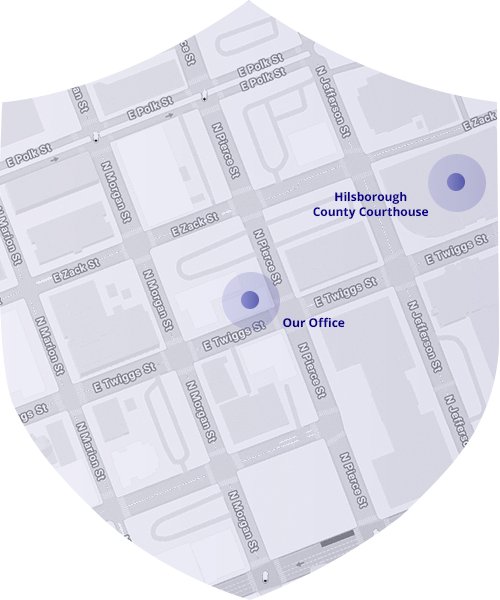
620 E. Twiggs Street, Suite 205, Tampa, FL 33602
Serving Hillsborough, Pinellas, and Pasco Counties
Related Resources
Tampa Sex Crimes Defense Attorney
Is Spanking Legal in Florida – Understanding the Parental Privilege
Visit Us

Suite #205
Tampa, FL 33602
Contact Us Now
Free Legal Consultation (813) 727-7159