- Free Consultation 24/7: (813) 727-7159 Tap Here To Call Us


From First DUI to Death Penalty



Adversarial Preliminary Hearing Tampa: The 21-Day Rule



Your family member has been in Hillsborough County Jail for three weeks. No formal charges have been filed. The prosecutor simply says they are “still investigating.” Meanwhile, your loved one sits in custody, losing their job and missing their children. It feels like the system has forgotten them.
However, Florida law provides a powerful tool to force the State’s hand. Under the “21-Day Rule” in Tampa criminal courts, the State cannot hold someone indefinitely without charges. If prosecutors fail to file formal charges within 21 days of arrest, we can demand an Adversarial Preliminary Hearing Tampa residents rely on for release. At that hearing, the State must prove probable cause with live testimony.
I am Tampa Attorney Rocky Brancato. For over 25 years, I have used Florida’s preliminary hearing rules to secure early release for clients. As the former Chief Operations Officer of the Hillsborough County Public Defender’s Office, I have handled hundreds of these motions. Consequently, I understand exactly when this strategy works and when it might backfire. My firm, The Brancato Law Firm, P.A. can help.
Critical Deadlines After Arrest in Tampa
Florida law establishes strict deadlines to protect defendants from indefinite detention. These deadlines are your best defense against administrative delay.
The following table outlines the timeline under Florida Rules of Criminal Procedure:
| Deadline | Legal Rule | What Happens | Defense Action Required |
| 24-48 Hours | Rule 3.133(a)(1) | Court determines probable cause for the arrest. | Attorney argues “no probable cause” for immediate release. |
| Day 21+ | Rule 3.133(a)(4) | Defense demands an APH if no formal charges exist. | File motion on or after Day 22. |
| Day 30 | Rule 3.134 | Status check by the court. | File motion to enforce release. |
| Day 40 | Rule 3.134 | Absolute deadline for release without charges. | Motion required per Bowens v. Tyson. |
Critical Warning: These deadlines are not automatic. In Bowens v. Tyson, 578 So.2d 696 (Fla. 1991), the Florida Supreme Court clarified the law. They ruled that failure to file the appropriate motion may waive your right to release.
The 48-Hour Rule: First Opportunity for Release
Under Florida Rule of Criminal Procedure 3.133(a)(1), a nonadversarial preliminary hearing must occur within 24 hours of arrest. The court must determine if probable cause existed for the arrest within 48 hours. This can be extended to 72 hours only in unusual circumstances.
Although this is labeled “nonadversarial,” an experienced attorney can still intervene. We argue that probable cause does not exist based on the arrest report. If the court agrees, the defendant must be released. This often results in a Release on Recognizance (ROR) if no formal charges are filed.
The 21-Day Rule: Forcing the State’s Hand
If the State has not filed formal charges within 21 days, Rule 3.133(a)(4) gives us a powerful right. We file a motion for an Adversarial Preliminary Hearing in Tampa court. This motion is typically filed on the 22nd day.
During the hearing, the burden of proof shifts to the prosecutor.
- The State must present live testimony to establish probable cause.
- The defense can call witnesses and cross-examine the State’s witnesses.
- If the judge finds probable cause lacking, the defendant must be released on recognizance.
The right to this hearing remains even if charges are filed later. Furthermore, as the Second District Court of Appeal held in Mize v. State, 389 So.2d 1105 (Fla. 2d DCA 1980), you can demand this hearing even if you are detained in another jurisdiction.
Using the APH as a Discovery Tool
In cases that do not attract media attention, an Adversarial Preliminary Hearing Tampa defense strategy is invaluable for discovery. Even if the judge finds probable cause, we gain critical intelligence.
Early testimony reveals the State’s theory of the case. It also exposes witness credibility issues before they are prepped for trial. Additionally, APH testimony can be used at trial if a witness becomes unavailable later. This was recognized in Thompson v. State, 995 So.2d 532 (Fla. 2d DCA 2008). Therefore, thorough cross-examination during the APH is essential.
When to Waive an Adversarial Preliminary Hearing
Not every case benefits from an APH. Strategic considerations may favor waiving the hearing to protect the long-term case.
| Consider APH When… | Consider Waiving When… |
| Case is low-profile with no media. | High-profile case with media coverage. |
| Early release is the top priority. | An alleged confession could become public record. |
| State’s evidence appears weak. | Sensitive evidence could taint the jury pool. |
| Discovery value outweighs risks. | Long-term strategy is more important than release. |
Although confessions are exempt from public records under Florida Statute §119.071(2)(e), court statements are public. Once the media reports those details, potential jurors could be influenced. The goal is to win the overall case, not just achieve temporary release.
Frequently Asked Questions About the 21-Day Rule
What is the 21-Day Rule in Florida?
The 21-Day Rule is found in Florida Rule of Criminal Procedure 3.133(a)(4). It gives defendants the right to an Adversarial Preliminary Hearing in Tampa if the State has not filed charges within 21 days of arrest. It prevents the State from holding you indefinitely while they investigate.
What happens if the State does not file charges by Day 40?
No one should remain in jail beyond 40 days without formal charges. However, this is not automatic. Under Rule 3.134, your attorney must file a motion to enforce this right. If you fail to file, you may waive your right to release, as established in Bowens v. Tyson.
Can testimony from the hearing be used at trial?
Yes. If a witness later becomes unavailable or changes their story, we can use the APH transcript. The court in Thompson v. State affirmed this use. This makes the hearing a critical opportunity to lock witnesses into their stories early.
Aggressive Representation in Hillsborough County
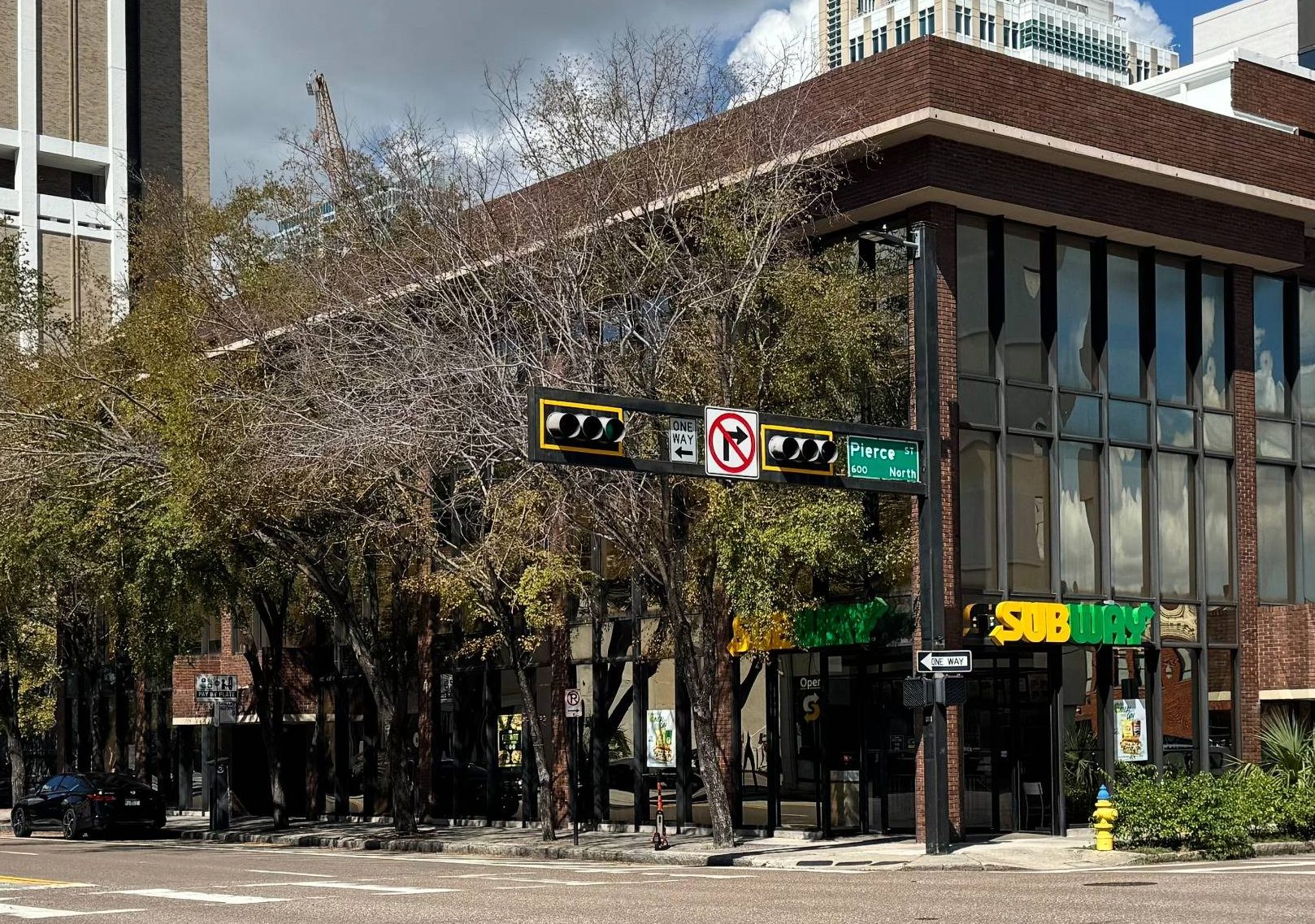
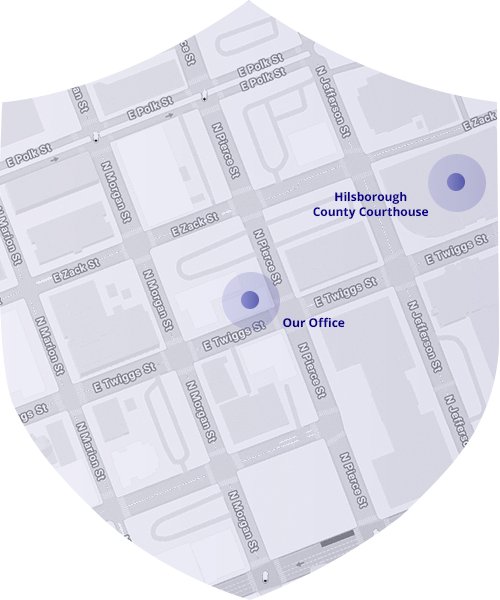
I handle preliminary hearing motions at the George Edgecomb Courthouse in downtown Tampa. My office is located just two blocks away at 620 E Twiggs Street, Suite 205, Tampa, FL 33602. I know the local judges, the prosecutors, and the specific procedures for these motions.
I represent clients in preliminary hearings throughout:
- Hillsborough County (Tampa, Brandon, Riverview, Plant City)
- Pinellas County (St. Petersburg, Clearwater, Largo)
- Pasco County (New Port Richey, Wesley Chapel)
Don’t Let Your Loved One Wait in Jail
If your family member has been in custody for more than 21 days without charges, they have rights. The deadlines matter. An experienced Adversarial Preliminary Hearing Tampa attorney can determine the right strategy.
I offer confidential consultations to families navigating this system. I will evaluate the timeline and outline a strategy for pursuing release.
Call The Brancato Law Firm, P.A. now.
Phone: (813) 727-7159
Address: 620 E Twiggs Street, Suite 205, Tampa, FL 33602
Visit Us
Tampa, FL 33602
Contact Us Now
Free Legal Consultation (813) 727-7159