- Free Consultation 24/7: (813) 727-7159 Tap Here To Call Us




Florida Sex Predator Mis-designation


When the Wrong Label Follows You for Life — And How to Fix It
A sexual predator mis-designation is not a paperwork error. It is a life sentence of restrictions you may not legally deserve. The wrong label determines where you can live, how you are supervised, and how the public views you for the rest of your life. At The Brancato Law Firm, P.A., I have successfully removed incorrect sexual predator designations for multiple clients in Tampa Bay—people who spent years living under the wrong classification because their original attorneys failed to challenge the error.
| What Is a Sexual Predator Mis-Designation? A sexual predator mis-designation occurs when someone is incorrectly classified as a “sexual predator” under Florida Statute 775.21 when they do not meet the statutory criteria. This error typically happens during plea negotiations or sentencing when attorneys fail to analyze the designation requirements. Once recorded, the error is rarely challenged because each agency (FDLE, probation, courts) enforces the judgment as written without independently verifying legal correctness. |
Proven Results: Sexual Predator Designations Removed
I have successfully corrected sexual predator mis-designations for multiple clients:
| Situation | Result |
| Client incorrectly designated sexual predator by prior counsel; lived under wrong classification for years | Sexual predator designation removed |
| Second client improperly designated sexual predator; previous attorney failed to challenge designation | Sexual predator designation removed; status corrected to sexual offender |
These errors occur more often than people think. The law is dense and poorly written. But that is no excuse for mistakes that condemn individuals to a lifetime of unwarranted restrictions.
Sexual Predator vs. Sexual Offender: The Critical Difference
The distinction between “sexual predator” and “sexual offender” is not just words. It determines the severity of restrictions you face for life.
| Factor | Sexual Predator | Sexual Offender |
| Florida Statute | F.S. 775.21 | F.S. 943.0435 |
| Registration Duration | Lifetime (no relief) | 25 years or lifetime (relief possible) |
| Public Notification | Maximum (community notification) | Standard (registry listing) |
| Residence Restrictions | Severe (1000 ft from schools, parks, etc.) | Varies by offense and county |
| Supervision | Often lifetime with strict conditions | Per sentence; may terminate |
| Relief Available | Extremely limited | Petition possible after 25 years |
Who Actually Qualifies as a Sexual Predator Under Florida Law
Under Florida Statute 775.21, the sexual predator designation is meant for a narrow group of individuals. To qualify, a person must have been convicted of one of the following after October 1, 1993:
- A capital, life, or first-degree felony sex offense listed in F.S. 775.21(4)(a)1
- Any sex offense with a prior sex crime conviction
- A qualifying offense in another jurisdiction that would meet Florida’s criteria
Yet I have seen clients designated as sexual predators based on a single offense that did not qualify under the statute, errors on sentencing documents where the wrong box was checked, and plea agreements where no one analyzed whether the predator designation legally applied.
Why These Errors Go Unchallenged: The “Stay in Your Lane” Problem
Once a judgment includes a sexual predator designation, it becomes an official record. From that point, each agency enforces the document as written without questioning its legal correctness:
- The Florida Department of Law Enforcement (FDLE) does not independently verify the legal correctness of court-ordered designations. If the order says “sexual predator,” FDLE processes it accordingly.
- Probation officers supervise based on the judgment’s terms. They do not re-evaluate the legal foundation of the classification—even when they recognize a probationer may not qualify.
- Judges rely on information presented by attorneys during sentencing and may not independently scrutinize every statutory requirement.
Each entity operates within its defined role. Consequently, individuals can live under an incorrect label for years—even decades—unaware that a legal error occurred. Unless a knowledgeable attorney flags the mistake, it will likely remain.
| Out-of-State Warning If you were removed from a sex offender registry in another state and then move to Florida, FDLE will assess your prior offense under Florida law—not your former state’s law. You may be required to register in Florida even if you lawfully terminated registration elsewhere. This can create a domino effect requiring registration in other states if you move again. See our related post: Moving to Florida After Sex Offender Registry Removal. |
Correcting a Sexual Predator Mis-Designation
If you believe you were incorrectly designated as a sexual predator, understand that correcting this error is not straightforward. Relief is not automatic. Courts may reject post-judgment motions if you fail to prepare them meticulously or neglect procedural requirements.
Successfully correcting these errors demands:
- Deep statutory knowledge — Precise understanding of F.S. 775.21 criteria and relevant case law
- Strategic filings — Carefully planned motions that address procedural obstacles
- Proactive defense — Anticipating and responding to concerns from the court or FDLE
These are not routine legal motions. They require an attorney with specific experience in Florida’s sex offender registry laws.
The Best Defense: Getting It Right from the Start
While correcting past errors is possible, the ideal approach is preventing misclassification in the first place. Engaging an experienced sex crimes attorney early in your case is crucial. Mis-designations occur during plea negotiations or sentencing because attorneys misunderstand Florida’s designation laws, overlook proper statutory analysis, or rely on outdated forms.
I work with clients from the beginning to prevent unwarranted designations, negotiate plea agreements that accurately reflect the law, and ensure all sentencing documents are precise. In sex crime cases, an early oversight can lead to severe, long-lasting consequences that are incredibly challenging—and sometimes impossible—to reverse.
Frequently Asked Questions
What is the difference between a sexual predator and sexual offender in Florida?
A sexual predator designation under F.S. 775.21 carries lifetime registration with no relief, maximum public notification, severe residence restrictions, and often lifetime supervision. A sexual offender designation under F.S. 943.0435 has 25-year or lifetime registration but with possible relief after 25 years, standard registry listing, and supervision that may terminate.
How do sexual predator mis-designations happen?
They typically occur during plea negotiations or sentencing when defense attorneys fail to analyze whether the statutory criteria for predator designation are actually met. Sometimes it is as simple as the wrong box being checked on a sentencing form. Once entered, the error is rarely challenged.
Can a sexual predator designation be removed?
Yes, if you were incorrectly designated. I have successfully removed sexual predator designations for multiple clients in Tampa Bay. However, the process requires strategic legal filings and deep knowledge of Florida’s complex sex offender statutes.
Will FDLE correct the error if I point it out?
No. FDLE does not independently verify the legal correctness of court-ordered designations. They enforce what the judgment says. Correction requires a court order—which requires a successful legal motion.
I was removed from the registry in another state. Do I have to register in Florida?
Possibly. FDLE applies Florida law to your prior offense, not your former state’s law. Even if you lawfully terminated registration elsewhere, Florida may require you to register based on how your offense would be classified under Florida statutes.
Living Under the Wrong Designation?
If you believe you were incorrectly designated as a sexual predator in Tampa, Hillsborough, Pinellas, or Pasco County, do not assume the error cannot be fixed. I have successfully removed incorrect predator designations for multiple clients. The process is complex, but relief is possible.
Do not live under the shadow of an incorrect label. Take action to protect your rights and future.
Call (813) 727-7159 for a Confidential Consultation
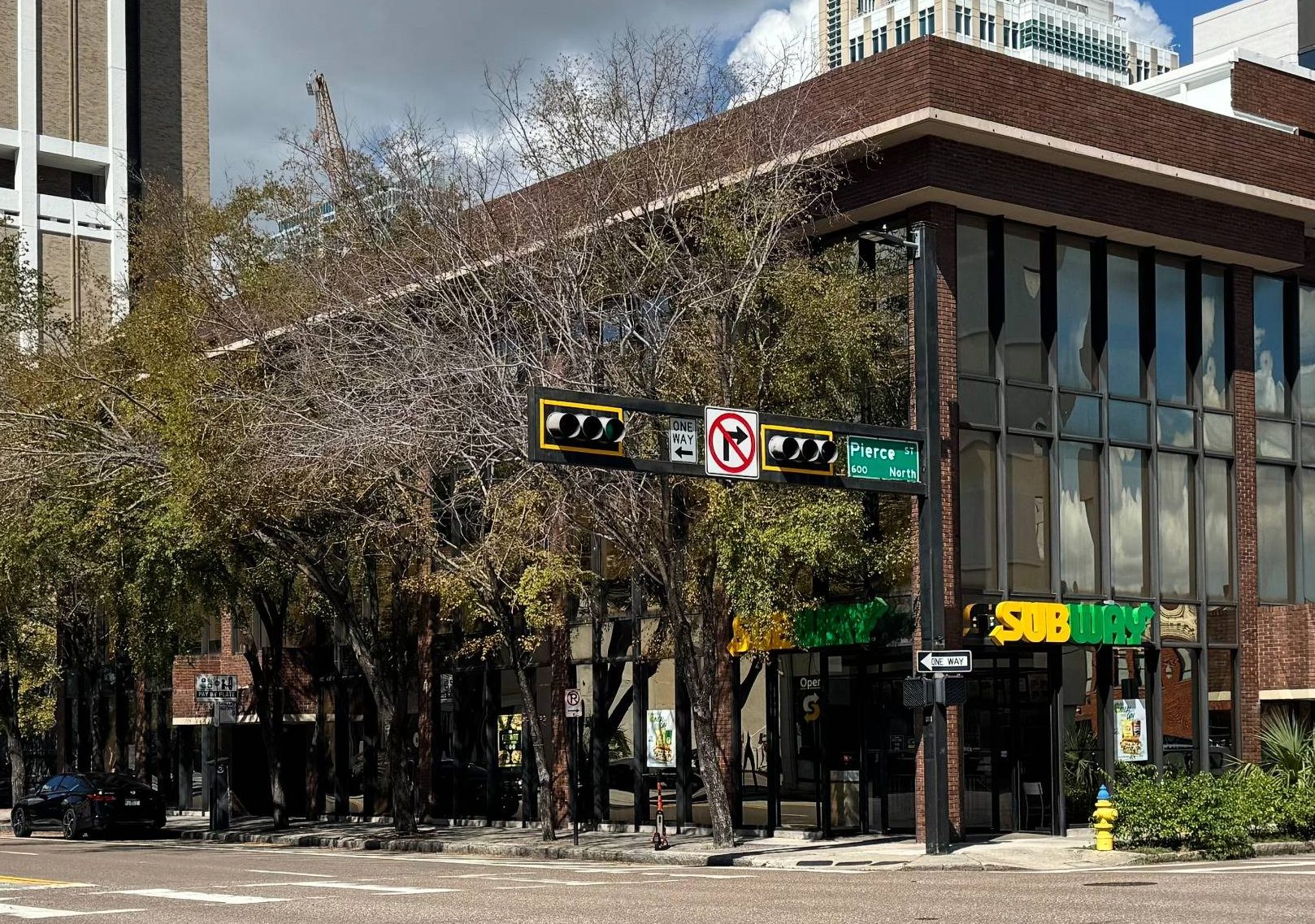
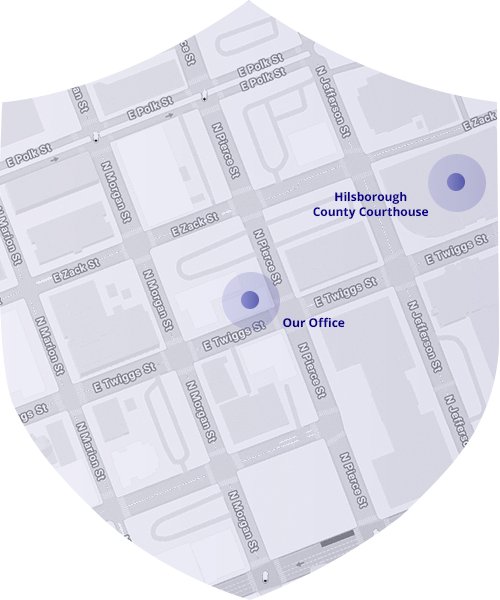
620 E. Twiggs Street, Suite 205, Tampa, FL 33602
Serving Hillsborough, Pinellas, and Pasco Counties
Related Resources: See our Tampa Sex Crimes Lawyer page for comprehensive information on defending sex crime charges in Tampa Bay.
Visit Us
Suite #205
Tampa, FL 33602
Contact Us Now
Free Legal Consultation (813) 727-7159