- Free Consultation 24/7: (813) 727-7159 Tap Here To Call Us




How to Get Off the Florida Sex Offender Registry – 3 Legal Options


The Brancato Law Firm, P.A. | Updated January 19, 2026
Sex offender registration in Florida creates lifelong consequences that affect housing, employment, and community standing. The Brancato Law Firm, P.A. has helped clients throughout Hillsborough, Pinellas, and Pasco Counties navigate the complex process of registry removal for over 25 years. Tampa Criminal Defense Attorney Rocky Brancato understands the specific legal pathways available under Florida law—and the strict criteria each requires. This guide explains the three primary options for getting off the Florida sex offender registry.
| Key Takeaway: Florida law provides three pathways for sex offender registry removal: the Romeo and Juliet exception under § 943.04354, the 25-year removal petition under § 943.0435, and executive clemency. None are automatic—each requires meeting strict legal criteria and court approval. |
Florida Sex Offender Registry Removal Options at a Glance
| Removal Option | Key Requirement | Best For |
| Romeo and Juliet Exception | Age gap of 4 years or less, victim 13-17 | Young adults convicted of consensual activity |
| 25-Year Removal Petition | 25 years crime-free after sentence completion | Older individuals with decades of clean record |
| Executive Clemency | Extraordinary circumstances, full pardon | Rare cases with compelling rehabilitation evidence |
Option 1: The Romeo and Juliet Exception (§ 943.04354)
Florida Statute § 943.04354 created the Romeo and Juliet exception for cases involving consensual relationships between individuals close in age. Consequently, this pathway offers relief for young adults whose convictions stemmed from relationships that were illegal only because of technical age differences.
| What Is the Romeo and Juliet Exception? The Romeo and Juliet exception under Florida Statute § 943.04354 allows certain individuals to petition for removal from the sex offender registry when their conviction involved consensual sexual activity with a minor close in age. If the court grants the petition, the registration requirement is removed—though the underlying conviction typically remains on the criminal record. |
Eligibility Requirements for Romeo and Juliet Relief
You may qualify for registry removal under this exception if your case meets all of the following criteria:
- The victim was at least 13 years old but under 18 at the time of the offense
- You were no more than 4 years older than the victim
- The sexual activity was consensual
- The offense did not involve force, coercion, or threats
- The victim was not younger than 13 years old
- You meet all other eligibility requirements under Florida law
| Important Limitation: The Romeo and Juliet exception removes the registration requirement, but it does NOT expunge or seal your conviction. The underlying criminal record typically remains. Furthermore, certain offenses—including those involving victims under 13 or any force or coercion—are permanently disqualified from this relief. |
Option 2: Registry Removal After 25 Years (§ 943.0435)
Florida Statute § 943.0435 provides a pathway for individuals who have maintained a completely clean record for 25 years after completing their sentence. However, this is an extremely narrow form of relief with strict disqualifying factors.
Baseline Requirements for 25-Year Removal
To potentially qualify for the 25-year removal petition, you must meet all of the following criteria:
- At least 25 years have passed since you completed your sentence (release from prison, probation, or supervision)
- You have not been arrested or convicted of any crime—felony or misdemeanor—during those 25 years
- You were not designated a sexual predator
- You were not civilly committed under the Jimmy Ryce Act
- Your original offense did not involve a victim under 12 years old
- Your original offense did not involve force or coercion
Offenses That Disqualify You From 25-Year Removal
Even if you meet the baseline requirements, certain convictions permanently disqualify you from this relief:
| Disqualifying Offense | Statute | Why Disqualified |
| Sexual battery | § 794.011 | Severity of offense |
| Lewd conduct with child under 12 | § 800.04 | Victim age |
| Kidnapping with sexual intent | § 787.01 | Force/coercion element |
| Human trafficking of minor | § 787.06 | Severity and victim vulnerability |
| Multiple sex offenses | Various | Pattern of conduct |
| Civil commitment as SVP | Jimmy Ryce Act | Predator designation |
Offenses That May Qualify (Case Dependent)
Some convictions may allow you to petition for 25-year removal, depending on the specific facts of your case:
- Lewd or lascivious battery on a child aged 13 to 15 (without force)
- Lewd or lascivious conduct without force or penetration
- Unlawful sexual activity with a 16 or 17-year-old under § 794.05
- Possession of child pornography (not involving production or distribution)
- Transmission of harmful material to a minor
- Certain voyeurism or exposure cases
- Out-of-state convictions classified as Tier I under federal guidelines
| Court Discretion Warning: Meeting the baseline requirements does not guarantee removal. The judge reviews your entire history and the specifics of your original offense. Consequently, the court retains final discretion on whether to grant removal from the registry. A skilled attorney can present mitigating evidence and build a compelling case for relief. |
Option 3: Executive Clemency or Pardon
The third option for getting off the Florida sex offender registry is the most challenging: seeking executive clemency or a full pardon from the Governor and Florida Clemency Board. This is a highly discretionary process granted in only a small number of cases each year.
| What Is Executive Clemency? Executive clemency is an act of mercy by the Governor that can include full pardons, commutation of sentences, or restoration of civil rights. For sex offender registry removal, you must specifically request removal as part of your clemency application—a pardon alone does not automatically remove registration requirements. |
Factors the Clemency Board Considers
While there is no legal right to clemency, the Board typically looks for:
- At least 10 years without any arrests
- Substantial evidence of rehabilitation
- Positive community involvement and contributions
- Strong character references from credible sources
- Completion of treatment programs
- A complete and compelling formal clemency application
Important: The clemency process can take many years. Furthermore, it is most often considered in extraordinary circumstances—particularly when a conviction is decades old and the individual has lived an exemplary life since. This is not a realistic option for most registrants.
Why Experience Matters in Registry Removal Cases
Registry removal petitions require meticulous preparation. The court will scrutinize every aspect of your original offense, your conduct since conviction, and the strength of your legal arguments. Consequently, the attorney you choose can significantly impact your outcome.
From the Courtroom: “Registry removal petitions require more than filing paperwork. I’ve seen cases denied because the petition failed to address specific judicial concerns or lacked supporting documentation. When I prepare these petitions, I gather treatment records, employment history, community involvement evidence, and character references. I anticipate what the judge will question and address it before the hearing. That level of preparation makes the difference between approval and denial.” — Rocky Brancato
| Why Choose The Brancato Law Firm for Registry Removal Rocky Brancato brings 25+ years of criminal defense experience, extensive work on complex sex crime cases and registry matters, and served as Chief Operations Officer of the Hillsborough County Public Defender’s Office where he led and mentored a staff of over 100 attorneys. That experience translates to thorough, evidence-based petitions supported by legal analysis and comprehensive documentation. |
| Sexual Predator Designation Corrected — Client’s Rights Restored A prior attorney’s error left Rocky’s client wrongly designated as a sexual predator for years. After thoroughly reviewing the case history, Rocky identified the mistake and successfully petitioned the court to correct the designation to sexual offender status. This critical correction opened the door to additional relief. Rocky then filed a motion seeking removal of certain registration restrictions. The court granted internet access and approved supervised contact with family children under a therapist-approved safety plan. As a result, the client regained meaningful freedom and the ability to rebuild family relationships. |
Frequently Asked Questions About Florida Sex Offender Registry Removal
Questions About Eligibility
Yes, in certain circumstances. Florida law provides three pathways: the Romeo and Juliet exception for consensual relationships between individuals close in age, the 25-year removal petition for those with decades of clean records, and executive clemency. However, none of these options are automatic—each requires meeting strict criteria and court or executive approval.
Florida Statute § 943.04354 allows certain individuals to petition for removal from the sex offender registry when their conviction involved consensual sexual activity with a minor. Specifically, the victim must have been at least 13, the offender no more than 4 years older, and the activity must have been consensual without force or coercion.
No. Meeting the baseline requirements makes you eligible to petition, but the court retains discretion. Consequently, the judge will review your entire history, the specifics of your original offense, and your conduct since conviction. A well-prepared petition with supporting documentation significantly improves your chances.
Questions About the Process
The timeline varies depending on the pathway. Romeo and Juliet petitions typically move through the court system within several months. The 25-year removal process is similar. However, executive clemency applications can take years due to the backlog at the Clemency Board. Furthermore, gathering the necessary documentation can add time to any petition.
Generally, no. Registry removal and expungement are separate processes. The Romeo and Juliet exception and 25-year removal petition remove the registration requirement, but the underlying conviction typically remains on your record. Expungement of sex offenses is extremely limited under Florida law and requires a separate legal process.
While not legally required, having an experienced attorney significantly improves your chances of success. Registry removal petitions require thorough documentation, legal analysis of your eligibility, and persuasive presentation to the court. Moreover, an attorney can identify potential obstacles and address them before they derail your petition.
Questions About Specific Situations
Individuals designated as sexual predators face significantly more restrictions. The Romeo and Juliet exception does not apply to predator designations, and the 25-year removal petition specifically excludes those designated as predators or civilly committed under the Jimmy Ryce Act. Executive clemency remains the only theoretical option, though it is rarely granted in such cases.
Out-of-state convictions that Florida law and federal guidelines classify as Tier I (less severe) offenses may qualify for the 25-year removal petition. However, the analysis is complex and depends on how Florida categorizes your specific out-of-state offense. Consequently, you should consult with an attorney who understands both Florida registry law and federal SORNA guidelines.
Take the First Step Toward Registry Removal
Getting off the Florida sex offender registry is a difficult legal challenge—but for some, it is possible. Understanding whether you qualify for the Romeo and Juliet exception, the 25-year removal petition, or if clemency is a viable option is the critical first step. Every day you wait is another day living with restrictions that may no longer be legally required.
Contact Tampa Criminal Defense Attorney Rocky Brancato Today
Call (813) 727-7159 for a Confidential Consultation
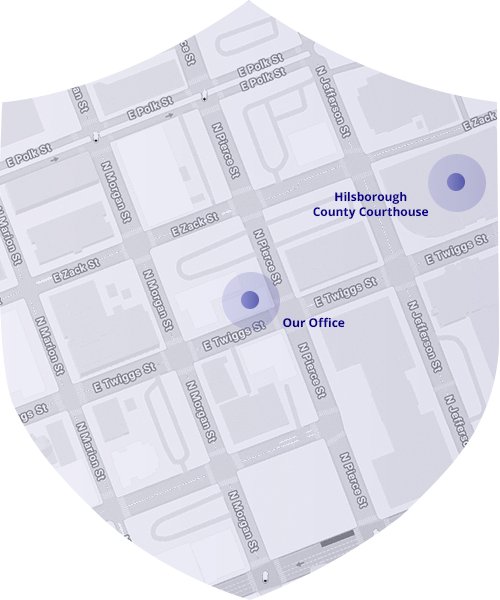
620 E. Twiggs Street, Suite 205, Tampa, FL 33602
Serving Hillsborough, Pinellas, and Pasco Counties
25+ Years of Criminal Defense Experience | Former Chief Operations Officer, Hillsborough County Public Defender’s Office | Extensive Sex Crime Defense Experience
Related: Learn More About Sex Crime Defense
- Tampa Sex Crime Defense Attorney — Protecting Your Rights
- Tampa Sex Offender Registry Removal Cases
- Age of Consent Tampa
- Moving to Florida After Sex Offender Registry Removal

Visit Us

Suite #205
Tampa, FL 33602
Contact Us Now
Free Legal Consultation (813) 727-7159